

How Biomechanics Innovation Supports Safer Training
The New Era of Performance: Why Biomechanics Matters Now
The global conversation around performance, fitness, and health has shifted from simply training harder to training smarter and safer, and nowhere is this more evident than in the rapid evolution of biomechanics as a strategic discipline for athletes, coaches, clinicians, and business leaders. As FitPulseNews continues to follow the convergence of fitness, technology, and wellness, biomechanics has emerged as a central pillar in understanding how the human body moves, adapts, and sometimes breaks down, and how innovation can meaningfully reduce risk while unlocking higher levels of sustainable performance. Biomechanics, once confined to academic laboratories and elite sports institutes, now underpins product design in athletic footwear, informs injury-prevention strategies in professional leagues, shapes rehabilitation protocols in major health systems, and drives new categories of data-driven training tools that are increasingly accessible to everyday consumers. Organizations such as World Athletics, and the International Olympic Committee (IOC) have embraced biomechanical research to refine safety standards, while technology firms and sports brands are racing to embed biomechanical intelligence into their devices, platforms, and services.
The core premise of biomechanics is deceptively simple: by understanding the forces acting on the body and the body's response to those forces, it becomes possible to design training environments, equipment, and behaviors that reduce harmful stress while optimizing beneficial adaptation. When combined with advances in sensor technology, artificial intelligence, and cloud computing, biomechanics is moving from descriptive science to prescriptive guidance, helping athletes and fitness enthusiasts worldwide move more efficiently, recover more effectively, and avoid preventable injuries. For the fit and active loving audience of FitPulseNews, which spans fitness, health, sports, brands, technology, and business, this shift is not only a scientific story but also a commercial and cultural one, reshaping how performance is measured, monetized, and managed in markets from the United States and Europe to Asia-Pacific and beyond.
From Lab-Based Science to Everyday Training Companion
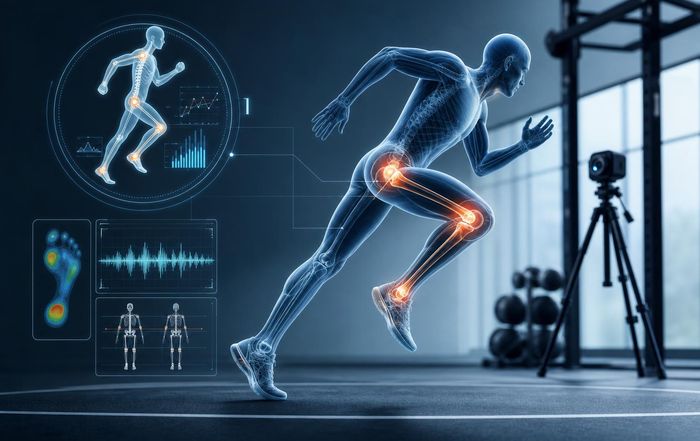
Historically, biomechanics was associated with motion-capture laboratories, reflective markers, and high-speed cameras used in research institutions and elite performance centers, such as those affiliated with Harvard University, Stanford University, and the University of Bath. Research groups and organizations like the American College of Sports Medicine and National Strength and Conditioning Association played leading roles in translating these findings into evidence-based training guidelines. However, the cost and complexity of these setups meant that only top-tier athletes and teams could benefit from such detailed analysis. Over the last decade, this barrier has been steadily eroded by the proliferation of inertial measurement units, depth cameras, and wearable sensors that can capture joint angles, ground reaction forces, and movement asymmetries in real time, often with sufficient fidelity to inform meaningful coaching decisions outside the lab.
Companies such as Nike, Adidas, ASICS, and Under Armour have integrated biomechanical insights into the design of footwear and apparel, using pressure-mapping, gait analysis, and material science to tune cushioning, stability, and energy return in ways that support safer running and training. Learn more about how leading sports brands rethink performance products. At the same time, digital platforms like Garmin, Apple, and Whoop have moved beyond simple step counts and heart rate, increasingly incorporating metrics related to running dynamics, impact loading, and muscular strain, which are grounded in biomechanical principles. For readers of FitPulseNews, this democratization of biomechanical data is transforming how fitness is approached, making it possible for recreational runners in London, strength athletes in New York, cyclists in Berlin, and weekend footballers in Singapore to access insights that were once the exclusive domain of Olympic-level programs.
Internally, FitPulseNews has chronicled this shift across its daily changed and dedicated sections, with expert coverage on fitness exploring how motion analysis shapes training plans, health examining its impact on injury prevention, and sports detailing case studies from professional teams. As biomechanics becomes an everyday training companion rather than an exotic laboratory tool, the focus is increasingly on how to interpret this data responsibly and integrate it into coaching and clinical workflows that prioritize safety alongside performance.
Understanding the Biomechanical Foundations of Safer Training
At its core, biomechanics examines how forces interact with biological tissues, including bones, muscles, tendons, ligaments, and cartilage. The central safety question is whether these tissues are exposed to loads they can tolerate and adapt to, or whether they are pushed beyond their structural or physiological limits in ways that elevate injury risk. Organizations such as the National Institutes of Health and the World Health Organization have highlighted the burden of musculoskeletal injuries, which affect workers, athletes, and aging populations globally, and biomechanical research has been instrumental in explaining why certain movement patterns and training volumes are more hazardous than others. Learn more about evidence-based musculoskeletal health guidance.
In running, for example, excessive vertical loading rates and poor shock attenuation have been associated with stress fractures and joint pain, while in strength training, poorly controlled spinal loading and asymmetric force distribution can contribute to disc injuries and chronic back issues. Biomechanical analysis allows coaches and clinicians to quantify these phenomena rather than relying solely on subjective impressions. Through technologies like force plates, 3D motion capture, and electromyography, it becomes possible to measure how an athlete lands from a jump, how their knee tracks during a squat, or how their shoulder rotates during a tennis serve, and to compare these patterns to normative data or individualized baselines.
As FitPulseNews has highlighted in its wellness and nutrition top coverage, biomechanics does not exist in isolation from other determinants of health and performance, such as energy availability, sleep quality, and recovery practices. However, it provides a critical mechanical lens through which loading, fatigue, and adaptation can be understood. In 2026, leading sports institutes in countries like Germany, Australia, and Japan are systematically combining biomechanical data with physiological and psychological metrics to build holistic risk profiles for athletes, enabling more individualized and safer training prescriptions that take into account both mechanical and systemic stressors.
Wearable Sensors, AI, and Real-Time Risk Detection
One of the most transformative developments in biomechanics over the past several years has been the integration of wearable sensors with artificial intelligence, allowing for real-time detection of potentially injurious patterns during training and competition. Devices that track accelerations, joint angles, and impact forces are now being deployed in professional leagues, collegiate programs, and even youth sports, with organizations such as the National Football League (NFL) and National Basketball Association (NBA) investing heavily in data-driven safety initiatives. Learn more about sports safety and concussion research. These systems do more than simply collect raw data; they employ machine learning algorithms trained on large datasets to identify deviations from an athlete's typical movement signature that may indicate fatigue, compensatory strategies, or emerging injury risk.
In Europe and Asia, professional football clubs and rugby organizations are using GPS and inertial sensors to monitor player loads across training sessions and matches, correlating specific movement metrics with injury incidence to refine workload management strategies. Biomechanics plays a critical role in interpreting these metrics, distinguishing between benign variations in movement and patterns that place excessive strain on vulnerable structures like the anterior cruciate ligament or Achilles tendon. For readers following FitPulseNews sports and technology sections, this convergence of biomechanics and AI represents a new frontier in sports analytics, where the goal is not only to optimize performance outputs but also to minimize downtime and long-term health consequences.
Consumer-facing wearables are also beginning to incorporate biomechanically relevant features, such as running form analysis, jump-landing assessments, and posture monitoring. Companies like Apple, Samsung, and Polar are collaborating with academic institutions and sports science labs to validate these metrics, ensuring that the feedback provided to users is grounded in robust biomechanical research rather than marketing claims. Learn more about how wearables are evolving beyond basic activity tracking. For everyday users, this means that the same device tracking their steps in Toronto or Sydney may soon be capable of alerting them when their running form deteriorates due to fatigue or when their lifting technique becomes less stable, offering suggestions to modify intensity or technique to reduce injury risk.
Biomechanics-Driven Product Design and Brand Strategy
Innovation in biomechanics is not only reshaping training practices but also informing the strategic direction of global sports and fitness brands, which increasingly differentiate themselves through claims of safety, injury reduction, and long-term joint health. Major companies such as Nike, Adidas, Puma, and New Balance now operate dedicated biomechanics labs, where researchers work alongside designers and engineers to test how different materials, geometries, and support structures affect movement mechanics across diverse populations, from elite marathoners in Kenya to recreational walkers in Canada. Learn more about how sports science informs performance footwear. These labs rely on advanced motion analysis, pressure-sensing treadmills, and computational modeling to understand how shoes and apparel interact with the human body under real-world conditions.
For FitPulseNews, which regularly examines the new business and brand implications of performance innovation in its brands and business coverage, biomechanics-driven product design represents a powerful narrative shift. Rather than focusing solely on speed, cushioning, or style, brands are increasingly emphasizing joint protection, load distribution, and personalized fit as core value propositions. Customization technologies, including 3D foot scanning and on-demand midsole printing, are being used to tailor products to an individual's biomechanics, potentially reducing the risk of overuse injuries caused by poorly matched footwear or equipment. This trend is evident not only in running shoes but also in weightlifting footwear, cycling saddles, ski boots, and even office chairs designed to support healthier posture for remote workers.
In addition, regulatory bodies and standard-setting organizations, such as ASTM International and the International Organization for Standardization (ISO), are paying closer attention to biomechanical evidence when developing safety standards for sports equipment and protective gear. Learn more about global product safety standards. This creates both an opportunity and a responsibility for brands, which must invest in rigorous biomechanical testing and transparent communication about how their products influence movement and loading. As consumers in markets from the United States and United Kingdom to Japan and Brazil become more informed about injury risk and long-term joint health, they are increasingly likely to favor brands that can credibly demonstrate a commitment to biomechanics-informed safety.
Safer Training in Gyms, Studios, and Corporate Wellness Programs
Beyond elite sports and consumer products, biomechanics is reshaping how training is delivered in gyms, studios, and corporate wellness programs, with a particular focus on technique quality, load management, and ergonomic design. Fitness chains and boutique studios in cities such as New York, London, Berlin, and Singapore are investing in motion-capture systems, smart racks, and force-sensing platforms that provide immediate feedback on exercise execution, helping trainers identify unsafe patterns before they lead to injury. Learn more about evidence-based strength training recommendations. These systems often visualize joint angles, bar paths, and force curves on screens, enabling both coaches and clients to see the mechanical implications of their movements in real time.
Corporate wellness programs, especially in technology hubs like Silicon Valley, London's tech corridor, and Singapore's business districts, are increasingly incorporating ergonomic and biomechanical assessments into their offerings, recognizing that prolonged sitting, suboptimal workstation setups, and repetitive movements can lead to musculoskeletal disorders that impact productivity and healthcare costs. Biomechanics specialists collaborate with occupational health teams to analyze posture, movement patterns, and load distribution in the workplace, recommending interventions such as sit-stand desks, movement breaks, and targeted strengthening exercises. For readers of FitPulseNews interested in health and jobs, this represents a convergence of employee well-being, organizational performance, and scientific rigor.
Gyms and studios are also leveraging biomechanics to differentiate their services in competitive markets across North America, Europe, and Asia-Pacific. By offering biomechanical assessments as part of onboarding or premium memberships, they can position themselves as safety-first providers that prioritize long-term joint health and sustainable progress over short-term intensity. This aligns with a broader shift toward holistic wellness, which FitPulseNews explores extensively in its wellness and culture sections, where the emphasis is on integrating physical, mental, and social dimensions of health rather than pursuing performance in isolation.
Rehabilitation, Return-to-Play, and Long-Term Athlete Health
Biomechanics has long been central to rehabilitation and return-to-play decisions, but in 2026, the sophistication of these applications has grown significantly, with major clinics and sports medicine centers in the United States, Europe, and Asia using advanced motion analysis, strength diagnostics, and computational modeling to guide safe progression from injury back to full competition. Organizations such as the American Physical Therapy Association, Charité - Universitätsmedizin Berlin, and Aspetar Orthopaedic and Sports Medicine Hospital have been at the forefront of integrating biomechanics into clinical pathways, ensuring that return-to-play decisions are based not only on subjective pain reports and basic strength tests but also on objective measures of movement quality and load tolerance. Learn more about evidence-based rehabilitation strategies.
For injuries such as anterior cruciate ligament tears, Achilles ruptures, and rotator cuff repairs, biomechanical assessments can reveal persistent asymmetries or compensatory strategies that might not be visible to the naked eye but significantly increase the risk of re-injury if the athlete returns to high-intensity sport too soon. By quantifying variables such as limb loading symmetry, joint moments, and landing mechanics, clinicians can make more informed decisions about when it is genuinely safe to progress to cutting, jumping, or contact drills. This is particularly important in professional leagues and Olympic programs, where the pressure to return quickly can be immense and the long-term consequences of repeated injuries can be severe.
For FitPulseNews readers who follow sports and world dynamic and original coverage, this evolution in rehabilitation has implications beyond individual athletes, influencing how national federations, clubs, and sponsors approach athlete welfare and career longevity. In regions such as Scandinavia, Canada, and Australia, where public health systems and sports organizations often collaborate closely, biomechanics-informed rehabilitation protocols are becoming standard practice, reflecting a broader societal commitment to evidence-based care and long-term musculoskeletal health.
Global Markets, Innovation Ecosystems, and the Biomechanics Economy
The rise of biomechanics as a driver of safer training is also creating a distinct innovation ecosystem, with startups, research institutions, and established companies collaborating across borders to develop new hardware, software, and services. In hubs such as Boston, Silicon Valley, London, Berlin, Singapore, and Seoul, venture-backed firms are building motion-analysis platforms, AI coaching tools, and digital therapeutics that rely heavily on biomechanical models of movement and load. Learn more about how innovation clusters support sports technology startups. These companies often partner with universities and sports institutes to validate their algorithms and products, seeking to differentiate themselves in a crowded wellness and fitness technology market by emphasizing scientific credibility and measurable impact on injury risk.
For business leaders and investors following FitPulseNews innovation and business reporting, biomechanics represents both a growth opportunity and a due-diligence challenge. On one hand, there is clear demand for solutions that help organizations reduce injury-related costs, extend athlete and employee careers, and support healthier lifestyles; on the other, the technical complexity of biomechanics means that not all offerings are created equal, and rigorous validation is essential to distinguish genuine innovation from superficial claims. Regulatory scrutiny is also increasing, particularly in markets like the European Union, where medical device regulations apply to certain classes of biomechanical assessment tools and digital therapeutics.
The biomechanics economy extends beyond sports and fitness into areas such as automotive safety, workplace ergonomics, and even urban planning, where understanding how people move and interact with their environments can inform safer design of vehicles, workspaces, and public spaces. Organizations like the European Agency for Safety and Health at Work and the U.S. Occupational Safety and Health Administration integrate biomechanical research into their guidance on lifting, repetitive tasks, and workstation setup. Learn more about international workplace safety guidelines. This broad applicability underscores why biomechanics is increasingly seen as a foundational discipline for designing healthier societies, not just faster athletes.
Sustainability, Human Performance, and the Future of Safer Training
As the global conversation around sustainability and environmental responsibility intensifies, biomechanics is intersecting with broader efforts to create training and performance ecosystems that are not only safe for individuals but also sustainable for communities and the planet. Sports and fitness facilities are rethinking their design, equipment choices, and programming to minimize environmental impact while maximizing human well-being, and biomechanics plays a role in ensuring that new approaches do not inadvertently increase injury risk. Learn more about sustainable facility design and its impact on health. For example, the choice of flooring materials, equipment configurations, and space layouts can influence joint loading, movement patterns, and collision risk, and biomechanical assessments can help optimize these variables.
In addition, as FitPulseNews explores through its environment and sustainability coverage, there is growing recognition that sustainable performance must consider the full lifecycle of athletes and active individuals, from youth development to post-career health. Biomechanics-informed training that prioritizes joint preservation, balanced loading, and long-term tissue health supports this broader vision, reducing the likelihood that high-performance careers end in chronic pain or disability. Organizations such as World Rugby, FIFA, and World Athletics are increasingly framing safety initiatives not only in terms of immediate injury reduction but also in terms of protecting long-term brain, joint, and musculoskeletal health, aligning with global public health priorities.
For readers across North America, Europe, Asia, Africa, and South America, the future of safer training will likely be characterized by deeper integration of biomechanics into everyday decision-making, supported by ubiquitous sensors, intelligent software, and a culture that values evidence-based practice. FitPulseNews will continue to report on this evolution across its news and technology platforms, tracking how advancements in biomechanics shape not only how people train but also how organizations design products, services, and environments that support healthier, more resilient populations.
Conclusion: Biomechanics as a Strategic Asset for Safer Performance
By 2026, biomechanics has moved decisively from the periphery to the center of conversations about safe and effective training, becoming a strategic asset for athletes, coaches, clinicians, brands, and business leaders worldwide. Through innovations in wearable sensors, AI-driven analytics, product design, rehabilitation, and workplace ergonomics, biomechanics is enabling a more precise understanding of how forces act on the body and how training can be structured to harness those forces productively rather than destructively. In markets from the United States and United Kingdom to Germany, Japan, Brazil, and South Africa, organizations that embrace biomechanics as a core competency are better positioned to protect their people, differentiate their offerings, and build trust with increasingly informed consumers and stakeholders.
For the local or global active audience of FitPulseNews, covering interests in fitness, health, sports, brands, nutrition, technology, wellness, and business, the message is clear: safer training is no longer a matter of intuition or tradition alone but of rigorous, data-informed practice grounded in biomechanical science. As innovation accelerates and new tools become more accessible, the challenge and opportunity lie in integrating these capabilities thoughtfully, ensuring that the pursuit of performance never comes at the expense of long-term health. In this emerging landscape, biomechanics is not merely a technical specialty; it is a foundational lens through which the future of human performance, safety, and well-being will be designed and delivered.