

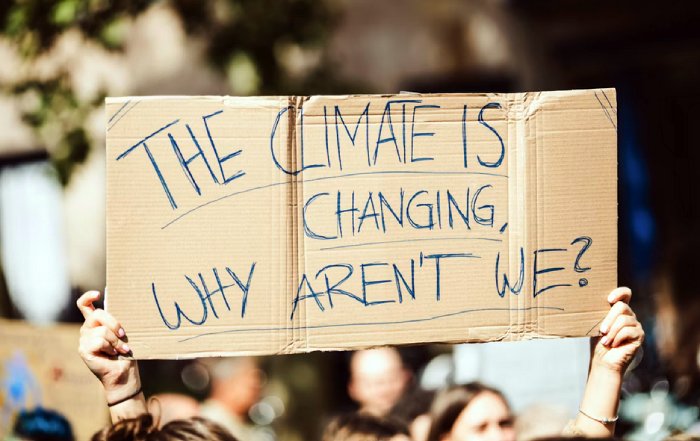
How Climate Awareness Is Redefining Consumer Choices
A Mature Phase of Climate-Conscious Consumption
Climate awareness has matured from an emerging concern into a defining filter through which consumers across the world evaluate value, risk and trust, and this evolution is now embedded in everyday decisions about what to buy, how to live and which organizations to support. From the United States, Canada and the United Kingdom to Germany, France, Italy, Spain, the Netherlands, the Nordic countries, China, Japan, South Korea, Singapore, Australia, Brazil, South Africa and beyond, climate considerations have shifted from being a niche preference of early adopters to a mainstream expectation, especially among urban, digitally connected and professionally active populations. For the global readership of FitPulseNews, which engages daily with coverage spanning health, fitness, business, sports, world affairs and sustainability, this shift is no longer a theoretical trend; it is a practical reality that shapes product design, corporate strategy, careers, policy debates and cultural norms.
The intensification of climate signals over the past decade, documented by scientific bodies such as the Intergovernmental Panel on Climate Change (IPCC) through its assessments available on the IPCC website and by the World Meteorological Organization via global climate updates on its official portal, has made the physical and economic consequences of climate change harder to ignore. Record-breaking heatwaves in Europe and North America, flooding in Asia, droughts in Africa and South America and escalating wildfire seasons in Australia, Canada and the Mediterranean have translated abstract climate metrics into tangible disruptions to food systems, infrastructure, insurance markets and public health. In response, consumers are demanding more than symbolic gestures from brands; they are looking for evidence of measurable climate performance, credible transition plans and alignment with broader societal goals such as those articulated in the United Nations Sustainable Development Goals, which are outlined on the UN SDG platform. Within this context, FitPulseNews has deepened its role as a trusted interpreter of how climate science, economic forces and lifestyle choices intersect, providing readers with integrated analysis across its business, technology, environment and wellness sections.
From Concern to Commitment: The Psychology of Climate-Driven Decisions
The evolution from climate concern to climate commitment has been driven by a combination of heightened risk perception, social influence and the normalization of sustainable alternatives. As agencies such as NASA continue to publish real-time climate indicators, including atmospheric greenhouse gas concentrations and temperature anomalies, on the NASA Global Climate Change site, and as public health bodies like the World Health Organization expand their analysis of climate-related health impacts on their climate and health pages, individuals increasingly connect their personal wellbeing, financial security and community stability to climate trajectories. This linkage is particularly strong in regions that have experienced repeated climate shocks, where households now associate climate resilience with lower long-term volatility in food prices, housing costs and healthcare needs.
Behavioral research over the past few years, including international surveys by organizations such as Pew Research Center, accessible on its research hub, shows that younger cohorts in North America, Europe and parts of Asia-Pacific frequently view climate action as a core component of personal identity rather than a peripheral moral preference. They are more inclined to see consumption as an expression of values, to use social media to reward or punish brands, and to interpret sustainability performance as a proxy for overall corporate integrity. This psychological framing has important implications for businesses, because it means that climate credibility is intertwined with perceptions of reliability, innovation and respect for stakeholders. In markets such as Germany, Sweden, the Netherlands, the United Kingdom, Canada, Australia, Japan and South Korea, climate-conscious purchasing behavior is increasingly reinforced by peer expectations and workplace cultures, creating a feedback loop in which sustainable choices become not only personally satisfying but socially validated.
Health, Fitness and Wellness in a Climate-Aware Era
Within the health, fitness and wellness domains, climate awareness has shifted from being a background concern to a central determinant of what products and services gain traction. Readers of FitPulseNews who follow the nutrition, fitness and wellness sections are encountering a growing alignment between evidence-based health guidance and low-carbon lifestyles, as research consolidates the view that many climate-positive behaviors are also beneficial for metabolic health, mental resilience and long-term disease prevention. Public institutions such as the Food and Agriculture Organization of the United Nations continue to emphasize the role of sustainable diets in supporting both planetary and human health on the FAO platform, reinforcing the message that shifts in food systems can deliver co-benefits across multiple dimensions.
Plant-forward eating patterns, once perceived as niche or regionally concentrated, have become mainstream across major cities from New York and Toronto to London, Berlin, Stockholm, Singapore and Sydney, driven by growing familiarity with plant-based proteins, culinary innovation and a wider understanding of the emissions profile of different food categories. Data compilations by initiatives such as Our World in Data, which offers detailed visualizations on food-related emissions, have helped consumers, nutrition professionals and policymakers quantify the climate implications of dietary choices, influencing procurement decisions in schools, hospitals and corporate cafeterias. At the same time, fitness consumers are scrutinizing the environmental attributes of sports nutrition products, apparel and equipment, asking whether packaging is recyclable, whether ingredients are responsibly sourced and whether supply chains are aligned with deforestation-free and low-carbon standards. This scrutiny is pushing global brands and emerging challengers alike to invest in material innovation, circular design and more transparent labeling, developments that FitPulseNews tracks closely in its coverage of brands and innovation.
Climate as a Core Business and Risk Management Imperative
By 2026, climate-aware consumer behavior has become inseparable from broader business risk and opportunity management, and executives now recognize that climate strategy is not a peripheral corporate social responsibility issue but a central determinant of competitiveness, capital access and regulatory exposure. Policy frameworks such as the European Green Deal, described on the European Commission website, and the wave of climate disclosure regulations in the European Union, the United States, the United Kingdom and several Asia-Pacific jurisdictions have raised expectations for how companies quantify and communicate climate risks, mitigation plans and adaptation measures. Parallel initiatives such as the Task Force on Climate-related Financial Disclosures (TCFD), whose recommendations remain accessible on the TCFD site, have influenced standard-setting bodies and financial regulators, embedding climate risk analysis into mainstream reporting and investor dialogue.
Financial markets have amplified the influence of climate-aware consumers by channeling capital toward companies that demonstrate credible decarbonization pathways and resilience strategies. ESG ratings and indices produced by institutions such as MSCI, which outlines its methodology on the MSCI ESG ratings pages, and S&P Global, which maintains a dedicated ESG portal, are increasingly used by asset managers, pension funds and sovereign wealth funds to screen portfolios, and climate performance is becoming a significant factor in credit assessments and cost of capital. For readers of FitPulseNews who operate in corporate leadership, finance, consulting or entrepreneurship, understanding how consumer expectations intersect with these financial signals is crucial for designing strategies that anticipate regulatory tightening, technological disruption and shifts in demand. Coverage in the business and world sections continues to highlight how companies in sectors as diverse as sportswear, digital health, mobility, hospitality and food retail are repositioning themselves to remain investable and relevant in a climate-constrained world.
Regional Nuances in Climate-Conscious Consumption
Although climate-aware consumption has become a global phenomenon, its expression is shaped by regional economic realities, cultural norms, policy frameworks and levels of climate vulnerability. In Western and Northern Europe, long-standing environmental policy traditions, strong social safety nets and high levels of climate literacy have produced some of the most climate-demanding consumer bases, where eco-labels, energy ratings and low-carbon certifications are not differentiators but baseline expectations. The European Environment Agency documents how these patterns interact with infrastructure and policy on its EEA website, noting, for instance, the role of extensive public transport networks and cycling infrastructure in enabling low-carbon mobility choices in cities such as Copenhagen, Amsterdam and Berlin.
In North America, climate-conscious consumption is more uneven, influenced by political polarization and regional economic structures, yet major metropolitan areas like New York, Los Angeles, San Francisco, Vancouver and Montreal have become laboratories for low-emission lifestyles, with high adoption rates of electric vehicles, renewable energy subscriptions, plant-based dining and sustainable fashion. The Environmental Protection Agency (EPA) in the United States continues to provide tools and guidance on consumer energy choices through its energy portal, supporting households and businesses in understanding the emissions and cost implications of different technologies. Across Asia, rapid urbanization and middle-class expansion in China, India, Southeast Asia and the Gulf states are creating complex dynamics in which rising consumption collides with air quality concerns, heat stress and water scarcity, prompting governments in countries such as China, Singapore, South Korea and Japan to promote low-carbon innovation and green finance. For a global outlet like FitPulseNews, which serves readers across Europe, Asia, Africa, North America and South America, capturing these regional nuances is essential for helping professionals benchmark their markets and identify where climate-aware demand is accelerating fastest.
Data, Technology and the Empowered Climate Consumer
Digital technology has become the infrastructure through which climate information is translated into everyday consumer choices, and the sophistication of these tools has grown markedly by 2026. Product-level carbon footprint data, once confined to specialist reports, is now integrated into shopping apps, point-of-sale systems and online marketplaces, often drawing on methodologies validated by organizations such as Carbon Trust, which explains its product footprinting frameworks on the Carbon Trust site. Consumers in markets from the United States and the United Kingdom to Germany, Singapore and Australia can filter products by climate impact, energy efficiency or circularity attributes, and they can compare brands on the basis of independently verified sustainability scores, thereby reducing the information gap that historically limited climate-conscious purchasing.
Artificial intelligence and advanced analytics are also reshaping corporate responses to climate-aware demand. Retailers, sports brands, digital platforms and food companies are using machine learning to segment customers by their sustainability preferences, to forecast the uptake of low-carbon alternatives and to test the effectiveness of different climate-related messages in diverse cultural contexts. At the same time, traceability technologies, including blockchain-based systems, are being deployed to track the provenance of commodities such as coffee, seafood, cotton and cocoa, in line with the responsible business conduct principles promoted by the Organisation for Economic Co-operation and Development (OECD) on its guidelines pages. For readers of FitPulseNews who follow the technology and innovation sections, these developments illustrate how digital infrastructure is becoming a backbone of climate trust, enabling both consumers and regulators to verify claims and hold brands accountable.
Climate-Conscious Consumer Impact 2026
Climate Awareness Evolution
Mainstream consumer expectation in urban markets
Consumer Behavior Shifts
Trust Architecture
Science-based targets, third-party verification, and transparent reporting now baseline requirements for consumer trust
🇪🇺 Western & Northern Europe
Highest climate literacy. Eco-labels are baseline expectations. Strong cycling infrastructure and public transport enable low-carbon mobility.
🇺🇸🇨🇦 North America
Regionally uneven but strong in major metros (NYC, SF, Vancouver, Montreal). High EV adoption and renewable energy subscriptions in urban centers.
🇨🇳🇯🇵🇰🇷🇸🇬 Asia-Pacific
Rapid growth driven by air quality concerns and government green finance initiatives. Strong digital infrastructure for climate-aware purchasing.
🇦🇺 Australia
High awareness due to repeated climate shocks (wildfires, heat). Strong consumer enforcement against greenwashing.
🇧🇷🇿🇦 Emerging Markets
Growing middle class driving demand. Climate vulnerability (droughts, floods) increasing resilience focus in purchasing decisions.
🏃 Health & Fitness
Impact:Plant-forward nutrition mainstream, scrutiny on sports apparel materials, sustainable packaging expectations
💼 Business & Finance
Impact:ESG screening standard, climate risk in credit ratings, decarbonization pathways required for capital access
⚽ Sports & Events
Impact:Renewable-powered venues, low-emission transport incentives, circular merchandising, transparent emissions reporting
💻 Technology
Impact:Energy-efficient products, blockchain traceability, AI-powered sustainability segmentation, digital carbon footprint tools
👔 Careers & Workplace
Impact:Climate strategy key to employer branding, demand for sustainability roles, purpose-driven work expectations
Key Decision Drivers
From Concern to Commitment
Younger cohorts view climate action as core to personal identity. Consumption is an expression of values, with social media amplifying brand accountability.
Psychological shift:Sustainability performance now seen as proxy for overall corporate integrity, reliability, and stakeholder respect.
Greenwashing Backlash
Regulators in EU, UK, US, Australia, and Canada enforcing stricter environmental claims standards. Trust is scarce—organizations need science-based targets and third-party verification.
Result:Climate credibility directly impacts consumer loyalty, investor confidence, and competitive positioning.
Climate-conscious consumption is now a structural force shaping global markets, product design, corporate strategy, and career decisions across health, fitness, business, and beyond.
Greenwashing, Enforcement and the Architecture of Trust
As climate messaging has become more prominent in marketing and investor relations, the risk and perception of greenwashing have intensified, prompting regulators, civil society organizations and media outlets to scrutinize environmental claims with greater rigor. In the European Union, new rules on environmental labeling and corporate sustainability reporting are being implemented to reduce misleading statements and standardize disclosures, building on broader consumer policy initiatives described on the European Commission's consumer policy official site. Similar trends are visible in the United Kingdom, Australia, Canada and several Asian jurisdictions, where competition and consumer authorities are issuing guidelines and, increasingly, enforcement actions against companies that exaggerate or fabricate climate benefits.
In the United States, the Federal Trade Commission (FTC) continues to refine its guidance on environmental marketing, summarized on the FTC Green Guides page, while state-level attorneys general and securities regulators are stepping up investigations into climate-related misrepresentation. Against this backdrop, trust has become a scarce and valuable asset, and organizations that can substantiate their climate narratives with robust data, third-party verification and science-based targets are better positioned to secure consumer loyalty and investor confidence. Initiatives such as the Science Based Targets initiative (SBTi), which outlines its criteria on the SBTi website, have become reference points for assessing the credibility of corporate decarbonization commitments. The audience of FitPulseNews, which frequently evaluates employers, investment opportunities, brands and policy proposals, increasingly relies on this architecture of standards and verification to distinguish between genuine climate leadership and superficial messaging, a theme explored across the platform's brands, culture and news coverage.
Climate-Conscious Careers, Skills and Organizational Culture
Climate awareness now extends well beyond purchasing decisions into career choices, professional development and workplace expectations, and this shift is particularly visible among knowledge workers, health and fitness professionals, technology specialists and business leaders who engage with FitPulseNews. Surveys and reports from professional services firms such as Deloitte and PwC, which provide insights on workforce sustainability on their Deloitte sustainability pages and PwC climate hub, show that employees increasingly seek employers with coherent climate strategies, transparent reporting and opportunities to contribute to sustainability initiatives. In sectors such as finance, consulting, technology, manufacturing, sports and consumer goods, climate performance is becoming a factor in employer branding and talent retention, especially in competitive markets like the United States, Germany, the United Kingdom, Canada, Australia, Singapore and the Nordic countries.
The demand for climate-related skills has expanded rapidly, with organizations creating or scaling roles in climate risk analysis, ESG reporting, sustainable supply chain management, circular design, low-carbon product development and climate-focused communications. Educational institutions and training providers, including leading universities such as MIT, which outlines its climate and sustainability activities on the MIT Climate Portal, are responding with specialized programs that equip professionals to integrate climate considerations into core business functions. On FitPulseNews, the jobs and business sections document how this talent transition is reshaping organizational culture, as companies recognize that climate competence and purpose-driven work are no longer optional extras but central expectations for attracting and engaging high-performing teams.
Innovation, Brand Strategy and Competitive Differentiation
Climate-aware consumers are reshaping competitive landscapes across industries central to the FitPulseNews audience, including sportswear, fitness technology, digital health, nutrition, wellness, mobility and media, and the most forward-looking brands are treating climate constraints as a catalyst for innovation rather than merely a compliance burden. Companies are investing in low-carbon materials, regenerative agriculture, energy-efficient manufacturing, modular product design and service-based business models that extend product lifecycles, drawing on frameworks such as the circular economy principles championed by the Ellen MacArthur Foundation, which provides resources on its foundation site. In many cases, these innovations are being co-developed with suppliers, startups, research institutions and even competitors, as value chains align around the need to reduce emissions and resource intensity while maintaining performance and affordability.
In the sports and events ecosystem, where FitPulseNews maintains active sports and events coverage, climate-aware fans and participants are pushing organizers and sponsors to address the environmental footprint of travel, venues, merchandising and broadcasting. Major leagues, clubs and event organizers in Europe, North America and Asia are experimenting with low-emission transport incentives, renewable-powered stadiums, circular merchandising strategies and transparent reporting on event-related emissions, recognizing that climate performance is increasingly intertwined with brand reputation and fan loyalty. In the technology sector, hardware and software companies are designing products that enable energy efficiency, remote collaboration, smart building management and low-carbon logistics, themes that feature prominently in the technology and innovation sections. For brands that operate at the intersection of health, fitness and lifestyle, climate-aware differentiation is becoming a key pathway to premium positioning and international expansion, especially in discerning markets such as Germany, the Nordics, Canada, Australia, Japan and Singapore.
Media, Information Quality and the Climate Literacy Gap
The ability of consumers to translate climate awareness into consistent, impactful choices depends heavily on the quality, accessibility and framing of information, and media organizations have become central actors in this process. As a platform focused on the intersection of health, fitness, business, sports, technology and sustainability, FitPulseNews has developed a distinctive editorial approach that links global climate developments to concrete decisions about training, nutrition, mobility, employment, investment and brand selection. By integrating climate analysis into stories about workplace culture, athletic performance, digital innovation and wellness trends, the platform helps readers in the United States, Europe, Asia, Africa and South America see climate as a cross-cutting factor rather than a siloed topic, thereby supporting more coherent and informed decision-making.
Global news organizations such as Reuters and The Financial Times, which maintain climate-focused sections on their Reuters climate pages and FT climate hub, provide essential coverage of policy shifts, corporate announcements and financial market reactions, but specialized outlets like FitPulseNews add value by tailoring climate narratives to the practical realities of professionals navigating health, fitness, business and lifestyle choices. This layered media ecosystem plays a crucial role in closing the climate literacy gap, countering misinformation and equipping consumers to ask more sophisticated questions of brands, employers and policymakers. As climate issues become more complex, with debates over carbon removal, adaptation finance, just transition and nature-based solutions, the need for accessible, trustworthy and context-rich journalism continues to grow, reinforcing the importance of editorial independence, data literacy and cross-disciplinary expertise.
The Road Ahead: Climate-Conscious Consumption as a Structural Force
By 2026, it is clear that climate-conscious consumption has become a structural feature of global markets rather than a passing phase, and its influence is likely to deepen as climate impacts intensify, regulatory frameworks tighten and low-carbon technologies scale. For the global community that turns to FitPulseNews for insight into health, business, environment, sustainability and world affairs, this reality manifests in a growing expectation that products, services, employers and public institutions will align with a trajectory that limits warming, protects ecosystems and supports resilient communities. As scientific bodies such as the IPCC refine their assessments and scenarios on the IPCC site, and as governments in North America, Europe, Asia-Pacific, Africa and Latin America adjust their policies in response, the pressure on organizations to deliver transparent, verifiable and impactful climate strategies will only increase.
Organizations that internalize climate constraints as a design parameter for business models, brand narratives, workforce strategies and innovation pipelines will be better equipped to earn the trust of climate-aware consumers in markets from the United States and Canada to Germany, the United Kingdom, the Nordics, China, Japan, South Korea, Singapore, South Africa, Brazil and beyond. Those that treat climate action as a superficial marketing exercise will face growing skepticism, regulatory risk and competitive erosion. In this evolving landscape, platforms such as FitPulseNews, accessible globally via fitpulsenews.com, will continue to play an important role in translating complex climate and market signals into actionable insight for professionals who must navigate the intersection of personal wellbeing, corporate responsibility and planetary boundaries. As climate awareness becomes ever more embedded in cultural norms and commercial expectations, consumer choices will remain a powerful lever for steering economies toward a more sustainable, resilient and equitable future.