
How Fitness Events Can Create Lasting Community Impact
The New Role of Fitness Events in a Fragmented World
Fitness events have evolved far beyond the traditional image of weekend races and gym-sponsored challenges; they now sit at the intersection of community building, public health strategy, brand innovation and local economic development, shaping how cities, companies and individuals connect in an increasingly digital and fragmented world. For the global sporty readership here, which follows developments in fitness, health, sports, brands, technology and sustainability across regions from the United States and Europe to Asia, Africa and South America, this shift is especially significant because it demonstrates how physical activity can serve as an anchor for social cohesion and long-term wellbeing in both mature and emerging markets.
As governments, health systems and businesses grapple with rising chronic disease, mental health challenges and social isolation, fitness events are being reimagined as strategic platforms that blend physical performance, cultural expression, technological innovation and responsible brand engagement, while also contributing to local economies and employment. Readers exploring the broader context of this transformation on FitPulseNews can already see its connections across dedicated daily updated sections on fitness, health, sports and business, where the same themes of integration, impact and long-term value repeatedly surface.
From One-Day Race to Long-Term Health Catalyst
Historically, community runs, charity walks and endurance races were often designed as one-off spectacles, generating excitement and fundraising on the event day but leaving limited lasting change in everyday habits; however, in 2026, leading organizers across cities such as London, Singapore, New York, Berlin and Sydney are shifting toward multi-month engagement models that treat the event itself as a milestone within a broader health journey. Organizations inspired by the work of World Health Organization and national agencies such as the U.S. Centers for Disease Control and Prevention now structure event calendars to support ongoing physical activity, mental resilience and social support, rather than simply measuring success in registrations and finish times.
This shift is visible in how training programs, digital coaching and community meetups are integrated before and after race day, creating a continuum of engagement that supports participants who might otherwise revert to sedentary routines once the finish line has been crossed. Readers can explore how this aligns with emerging wellness models in the wellness and nutrition sections of FitPulseNews, where sustained behavior change and integrated lifestyle approaches are increasingly recognized as more effective than isolated interventions. At the same time, public health research from institutions such as Harvard T.H. Chan School of Public Health and Mayo Clinic reinforces the evidence that structured, community-based activity programs reduce the risk of cardiovascular disease, type 2 diabetes and depression, making fitness events a practical tool for population health.
Building Social Capital and Local Identity
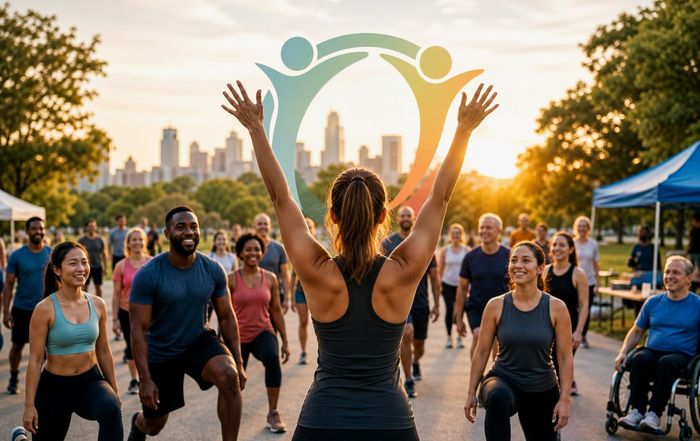
The most enduring impact of fitness events often lies not in the personal records achieved but in the social capital that is built when neighbors, colleagues and families train, volunteer and celebrate together, reinforcing a sense of belonging that many urban communities have lost amid rapid digitalization and remote work. In cities from Toronto and Amsterdam to Johannesburg and São Paulo, organizers are increasingly designing events that reflect local culture, music, food and heritage, turning races and festivals into expressions of community identity rather than generic athletic competitions.
Events that incorporate local artists, neighborhood businesses and cultural organizations create a shared narrative that encourages residents to see their streets, parks and waterfronts as common assets worth protecting and investing in over the long term. Sociologists and urban planners at institutions such as London School of Economics and MIT have documented how such shared rituals build trust and cooperation, which in turn support safer neighborhoods and stronger civic participation. On FitPulseNews, the key culture and events sections increasingly highlight fitness gatherings that double as cultural festivals, demonstrating how sport, music and local storytelling can converge to produce lasting emotional connections that outlive the event date itself.
Economic Impact, Jobs and Local Business Growth
Beyond health and social cohesion, fitness events generate tangible economic benefits for host communities, particularly when they are designed with local value creation in mind rather than relying solely on external sponsors and traveling participants. Marathon weekends, obstacle races, cycling tours and wellness festivals can attract thousands of visitors who spend on accommodation, food, transport, retail and cultural attractions, providing a significant boost to small and medium-sized enterprises in hospitality, retail and services. Economic impact studies published by organizations such as Sport England and Tourism Australia have shown that well-managed sports and fitness events can generate millions in direct and indirect spending, while also enhancing the destination brand of cities and regions.
In 2026, the employment dimension of fitness events is gaining more attention, as local authorities and workforce agencies recognize that event ecosystems create both temporary and long-term roles in logistics, coaching, marketing, technology, security and health services. For readers interested in how fitness events intersect with labor markets and career opportunities, the jobs and business updated sections of FitPulseNews provide a useful lens on how event-driven economies are evolving. Organizations such as World Economic Forum and International Labour Organization have also highlighted the potential of the broader sports and wellness economy to generate inclusive employment, particularly for young people and underrepresented groups, when training and certification pathways are made accessible.
Corporate Brands, Purpose and Authentic Partnerships
Global and regional brands now view fitness events as powerful platforms to demonstrate purpose, innovation and social responsibility, but the expectations of participants and communities in 2026 are far higher than in previous decades, with audiences demanding authenticity, transparency and measurable impact rather than superficial sponsorship. Companies in sectors ranging from sportswear and technology to banking, telecommunications and consumer goods are aligning with fitness events that support public health, local charities and environmental goals, while also offering meaningful experiences to employees and customers.
Leading corporations such as Nike, Adidas, Lululemon, Garmin and Strava have invested heavily in community run clubs, digital challenges and hybrid events that extend beyond single locations, while global wellness brands partner with local organizers to deliver workshops on sleep, nutrition and mental health. To learn more about how purpose-driven branding strategies are reshaping the marketplace, readers can explore the brands unaffiliated coverage on FitPulseNews, where case studies from North America, Europe and Asia highlight both best practices and missteps. Industry guidance from organizations such as Business for Social Responsibility and top resources on sustainable business practices underscore that long-term partnerships, co-created with communities, produce more trust and loyalty than one-time logo placements or transactional sponsorships.
Technology, Data and the Hybrid Event Experience
The rapid integration of digital platforms, wearables and data analytics has fundamentally transformed how fitness events are designed, delivered and measured, enabling organizers to reach participants across continents while still maintaining a sense of shared experience. In 2026, hybrid event formats that combine in-person races or workouts with global virtual participation have become standard, leveraging platforms from companies such as Zwift, Peloton and WHOOP as well as mainstream fitness tracking ecosystems from Apple and Google. This technological convergence allows individuals in cities like New York, London, Tokyo, Cape Town and São Paulo to participate in synchronized challenges, share performance data and support common causes in real time, expanding the community impact far beyond local streets.
However, the growing use of biometric data, geolocation and personalized analytics has also raised important questions about privacy, security and ethical governance, which organizations and regulators are actively addressing. Entities such as European Data Protection Board and Electronic Frontier Foundation provide frameworks and guidance on responsible data use, while event organizers adopt transparent consent processes and anonymized reporting to maintain participant trust. For readers tracking the intersection of fitness and digital innovation, the technology and innovation sections of FitPulseNews regularly examine how platforms, devices and software are reshaping not only performance but also community engagement and long-term health outcomes.
Health Equity, Inclusion and Accessible Design
One of the most significant ways fitness events can create lasting community impact is by addressing disparities in access to physical activity, especially among lower-income neighborhoods, rural communities, older adults, people with disabilities and historically marginalized groups. In many regions, including the United States, United Kingdom, South Africa and Brazil, structural barriers such as limited safe spaces to exercise, lack of affordable equipment, time constraints and cultural perceptions can inhibit participation in traditional events. To counter these obstacles, leading organizers and nonprofits are increasingly designing inclusive formats that offer shorter distances, adaptive sports options, sliding-scale entry fees, childcare support and culturally relevant programming.
Organizations like Special Olympics, Parkrun, Girls on the Run and community foundations across Europe, Asia and Africa have demonstrated that when events are intentionally inclusive, they not only broaden participation but also change local narratives about who belongs in fitness spaces. Public health agencies, including Public Health England and Health Canada, emphasize that equitable access to physical activity is a core component of national health strategies, aligning with global frameworks such as the United Nations Sustainable Development Goals, particularly those focused on health, gender equality and sustainable cities. On FitPulseNews, super coverage in health and world sections increasingly highlights stories of inclusive design, demonstrating that long-term community impact depends on reaching those who have traditionally been excluded from mainstream sports and fitness culture.
Environmental Sustainability and Climate-Conscious Events
As climate risks intensify across continents, fitness events in 2026 face growing scrutiny over their environmental footprint, including waste generation, travel emissions, water use and the impact on local ecosystems. Marathons, triathlons, cycling tours and festivals that once celebrated scale as a primary success metric are now being evaluated through the lens of sustainability, with participants, sponsors and city authorities expecting clear strategies for minimizing and offsetting environmental impacts. Guidance from organizations such as UN Environment Programme, Global Reporting Initiative and Green Sports Alliance has encouraged event planners to adopt comprehensive sustainability frameworks that address materials, energy, transport and biodiversity.
Practical measures range from banning single-use plastics and sourcing local, plant-forward catering to implementing low-carbon transport plans and investing in habitat restoration in parks and coastal areas where events are held. Cities in Scandinavia, the Netherlands and New Zealand have been particularly proactive, integrating fitness events into broader climate and mobility strategies that promote walking, cycling and public transit. Readers interested in the intersection of environmental responsibility and active lifestyles can explore the environment and sustainability sections of FitPulseNews, where case studies illustrate how environmentally conscious events can educate participants and set new norms for everyday behavior, from waste sorting to low-impact commuting.
Nutrition, Recovery and Holistic Athlete Support
For fitness events to generate lasting benefits rather than short-lived exertion, participants require guidance on nutrition, recovery and holistic self-care that extends beyond the event itself, particularly as more amateur athletes take on demanding challenges such as marathons, ultraruns and multi-day cycling tours. In 2026, many organizers collaborate with sports dietitians, physiotherapists and mental health professionals to offer pre-event seminars, digital content and post-event follow-up that help participants integrate healthier habits into their daily routines. Reputable resources from organizations such as Academy of Nutrition and Dietetics, American College of Sports Medicine and International Society of Sports Nutrition provide evidence-based frameworks for fueling, hydration and recovery, which are now being translated into accessible guidance for participants across all fitness levels.
For readers seeking practical and research-informed insights, the nutrition, health and wellness sections of FitPulseNews offer an integrated view of how food, sleep, stress management and movement interact to support performance and longevity. By embedding education into event communications, training apps and on-site activations, organizers can ensure that participants do not simply endure a single demanding day but instead develop sustainable routines that impact their families, workplaces and communities over the long term.
Measuring Impact: From Anecdotes to Evidence
To move beyond inspiring stories and marketing narratives, fitness events that claim to create lasting community impact increasingly need to demonstrate outcomes through robust measurement, transparent reporting and external validation. In 2026, leading organizers and partner institutions are adopting frameworks that track not only participation numbers but also changes in physical activity levels, health markers, social connectedness, local business revenue and environmental performance. Collaborations with universities, public health agencies and independent evaluators help convert raw data into insights that can guide policy, funding and program design.
Organizations such as OECD, World Bank and national sports councils in countries like Germany, Canada and Japan provide methodologies for assessing social and economic impact, while technology platforms enable anonymized aggregation of participant data to reveal patterns in behavior change. On FitPulseNews, readers following the news and innovation coverage can see how evidence-based approaches are influencing government grants, corporate sponsorship decisions and the design of future events. As the sector matures, stakeholders are recognizing that credible measurement not only strengthens accountability but also unlocks new partnerships with healthcare systems, insurers and city planners who require data to justify investment.
Regional Perspectives: Global Convergence, Local Nuance
Although common themes run through fitness events worldwide, regional differences in culture, infrastructure, climate and policy create distinct models of community impact across continents. In North America and Western Europe, mature event markets such as the United States, United Kingdom, Germany, France and the Netherlands often focus on innovation, sustainability and inclusivity, building on decades of established running, cycling and triathlon traditions. In Asia, markets like China, Japan, South Korea, Singapore and Thailand are experiencing rapid growth in both mass participation events and boutique wellness festivals, often integrating advanced technology and smart-city infrastructure to enhance safety and experience.
In Africa and South America, countries such as South Africa, Kenya, Brazil and Colombia are leveraging fitness events to promote tourism, youth development and social cohesion, while also navigating resource constraints and infrastructure gaps. Oceania, led by Australia and New Zealand, continues to position outdoor fitness and nature-based events as core elements of national identity, aligning with strong environmental consciousness and active lifestyle policies. The world section of FitPulseNews captures these regional nuances, showing that while the overarching objective of community impact is shared, the pathways and priorities differ according to local realities, regulatory environments and cultural expectations.
How Communities and Stakeholders Can Maximize Long-Term Impact
For fitness events to deliver durable value rather than fleeting excitement, communities and stakeholders must approach them as strategic investments rather than isolated entertainment products, aligning objectives across health, economy, culture and environment. Municipal authorities can integrate events into long-term urban planning, using them to justify improvements in cycling lanes, pedestrian infrastructure and green spaces that benefit residents year-round. Health systems and insurers can view participation programs as preventive interventions, supporting them through subsidies, referrals and data-sharing agreements that respect privacy while enabling evaluation.
Corporate partners can shift from short-term branding to multi-year collaborations that fund community training programs, inclusive access initiatives and environmental upgrades, while local businesses can build event-related offerings that extend beyond race weekends. Community organizations, schools and universities can use events as platforms for education, volunteerism and youth leadership, ensuring that the next generation sees fitness not only as performance but as a shared social responsibility. Readers online or email and feed subscribers exploring the interconnected reporting across fitness, sports, business and sustainability on FitPulseNews will recognize that the most successful models emerge when all these actors coordinate around common metrics and shared values.
Some Big Opportunity Ahead for Cities, Brands and Citizens
As 2026 unfolds, fitness events stand at a pivotal moment, with the potential to become essential infrastructure for healthier, more connected and more resilient societies if their design and governance continue to evolve toward inclusivity, sustainability and evidence-based impact. For cities facing rising healthcare costs and social fragmentation, for brands seeking authentic purpose and engagement, and for citizens searching for meaningful ways to improve their own wellbeing while contributing to something larger than themselves, the strategic opportunity is clear: treat fitness events not as isolated spectacles but as catalysts for long-term change.
By integrating technology responsibly, centering health equity, embracing environmental stewardship and measuring what matters, stakeholders can ensure that every race, festival or challenge leaves behind more than medals and social media posts; it can leave behind stronger networks, healthier habits, greener public spaces and more vibrant local economies. As FitPulseNews continues to track these latest developments across its global coverage, the emerging consensus is that the true finish line for fitness events is not the tape at the end of a course, but the lasting transformation they help unlock in the communities they touch.