

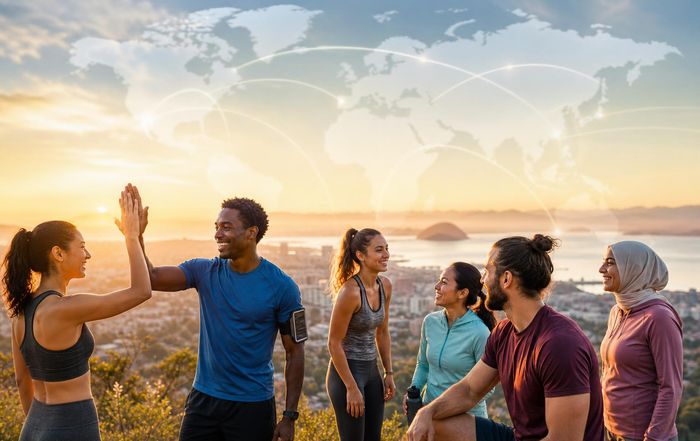
How Outdoor Fitness Connects Communities Across Borders in 2026
The Global Rise of Outdoor Fitness as a Social Movement
By 2026, outdoor fitness has evolved far beyond a lifestyle trend and has become a powerful social and economic force that connects communities across borders, cultures, and industries. From park-based high-intensity interval training in New York and London, to waterfront running clubs in Singapore and Sydney, to community calisthenics parks in Berlin and Barcelona, the global shift toward open-air training is reshaping how people experience health, sport, and social connection. For readers of FitPulseNews, who follow developments in fitness, health, sports, brands, technology, culture, and business, the outdoor fitness movement now represents a critical intersection where physical performance, mental well-being, urban design, and cross-border collaboration converge.
This transformation is not happening in isolation. It is influenced by the legacy of the COVID-19 pandemic, the rapid digitalization of wellness services, the growth of hybrid work, and the rise of purpose-driven brands that see public health and community engagement as strategic priorities. Governments, city planners, sports federations, and global organizations such as the World Health Organization are increasingly aligned on the value of active public spaces as engines of social cohesion and long-term economic resilience. As outdoor fitness integrates with broader wellness and business ecosystems, it offers a compelling lens through which to understand how communities worldwide are redefining what it means to be connected, healthy, and productive in a post-pandemic world.
Readers can explore how this shift fits into the broader health and lifestyle narrative in the dedicated health coverage at FitPulseNews, where outdoor activity is increasingly presented not just as exercise, but as a strategic pillar of modern living.
From Local Parks to Global Networks: A New Fitness Infrastructure
Outdoor fitness has become a global infrastructure layer that links cities and communities in ways that were rare a decade ago. Public parks, waterfront promenades, cycling paths, and urban greenways are no longer seen only as leisure spaces; they are now critical components of national health strategies and urban competitiveness. Municipalities in the United States, United Kingdom, Germany, Canada, Australia, and across Asia and Europe are investing heavily in outdoor gyms, running tracks, and multi-use recreation zones, recognizing the long-term savings associated with more active populations. The World Economic Forum has consistently highlighted how healthy cities are more attractive to talent and investors, reinforcing the case for open-air fitness infrastructure as a strategic asset rather than a discretionary amenity.
This physical infrastructure is increasingly accompanied by a digital layer. GPS-enabled running routes, connected fitness equipment, and community apps allow outdoor exercisers in cities like Singapore, Amsterdam, and Copenhagen to follow similar training protocols, join virtual challenges, and share performance data with peers worldwide. Global platforms such as Strava and Nike Run Club have become de facto social networks for outdoor athletes, where runners, cyclists, and walkers from South Korea, Japan, Brazil, South Africa, and beyond can join the same virtual events and compare progress in real time. Learn more about how digital platforms are shaping modern sport through international sports analysis from the International Olympic Committee.
For FitPulseNews readers following the evolution of fitness culture, the shift from isolated, indoor training to interconnected outdoor ecosystems is a defining development, and its business and cultural implications are explored in depth in the outlet's dedicated fitness section.
Community, Identity, and Cross-Border Belonging
Outdoor fitness has become a powerful driver of social identity, particularly among younger generations and professionals who see physical activity as central to their personal brand and social life. Community running clubs in New York, London, Berlin, and Tokyo, for instance, often use the same training philosophies, apparel styles, and social media narratives, creating a shared language that transcends geography. This culture is evident in the rise of global run crews and cycling collectives that coordinate simultaneous events across continents, inviting participants from North America, Europe, Asia, Africa, and South America to run or ride at the same local time and share their experience online afterward.
These communities are not purely recreational. They often take on advocacy roles, supporting causes such as mental health awareness, climate action, and urban safety. Organizations like parkrun, which organizes free weekly 5k events in parks worldwide, demonstrate how outdoor fitness can catalyze inclusive participation across age, gender, and socioeconomic lines. Learn more about community-based participation models through resources from parkrun Global. This blend of physical activity, digital storytelling, and social purpose is particularly resonant in cities such as Cape Town, São Paulo, and Bangkok, where outdoor fitness communities often provide safe, structured spaces for people who may lack access to traditional sports clubs or private gyms.
For FitPulseNews, which frequently explores the cultural dimensions of fitness and wellness, these cross-border communities illustrate how movement can function as a form of soft diplomacy, building bonds of trust and shared experience that cut across national and cultural divides. Coverage in the culture section regularly highlights how these communities shape identity and belonging in a globalized world.
Outdoor Fitness, Health Outcomes, and Public Policy
The public health case for outdoor fitness has become significantly stronger in recent years. The World Health Organization and national public health agencies in countries such as Finland, Norway, and New Zealand have repeatedly emphasized that regular moderate-to-vigorous physical activity, particularly in natural or green environments, is associated with lower rates of cardiovascular disease, type 2 diabetes, obesity, depression, and anxiety. Research summarized by institutions like Harvard T.H. Chan School of Public Health underscores how even brisk walking or light jogging in parks can deliver measurable health benefits, especially for populations that are otherwise sedentary.
Governments and city authorities are responding with policies that explicitly promote outdoor exercise. In Canada and Australia, national guidelines and campaigns encourage citizens to meet weekly activity targets through walking, cycling, and outdoor sports, while cities such as Paris, Barcelona, and Milan have reallocated road space to pedestrians and cyclists, making active commuting more attractive and safer. Learn more about evidence-based physical activity guidelines from the U.S. Centers for Disease Control and Prevention. In Singapore and Seoul, integrated networks of park connectors and urban trails now link residential neighborhoods to major business districts, enabling workers to incorporate outdoor exercise into their daily routines.
For policymakers, the appeal of outdoor fitness lies partly in its scalability and cost-effectiveness. Simple interventions, such as installing outdoor gym equipment or creating safe walking routes, can yield substantial returns in reduced healthcare costs and improved workforce productivity. FitPulseNews regularly examines these intersections of policy, health, and economic impact in its world and news coverage, highlighting how forward-looking governments are using outdoor fitness as a tool for societal resilience.
Technology as a Bridge Between Outdoor Spaces and Global Communities
The rapid evolution of sports and wellness technology has transformed outdoor fitness from a local activity into a globally networked experience. Wearable devices from companies like Garmin, Apple, and Samsung track heart rate, pace, route data, and recovery metrics, while platforms like WHOOP and Oura offer deeper insights into sleep, strain, and readiness that inform training choices for outdoor athletes. Learn more about the latest trends in wearable technology through industry reports from McKinsey & Company.
Mobile apps now integrate geolocation, augmented reality, and social features, enabling outdoor exercisers in cities such as Los Angeles, Munich, Stockholm, and Hong Kong to join virtual races, participate in global leaderboards, and discover curated routes based on safety, scenery, and elevation. Initiatives like the Global Heatmap from Strava visualize billions of outdoor activities, providing urban planners and local authorities with anonymized insights into how people use public spaces, which can inform decisions about lighting, signage, and infrastructure investment. Learn more about data-driven urban planning through resources from UN-Habitat.
For FitPulseNews, which tracks how technology redefines the boundaries of sport and wellness, this integration of digital tools with physical spaces is a core narrative. The outlet's technology section and innovation coverage frequently explore how connected devices and platforms enable new forms of collaboration between athletes, coaches, brands, and cities, while also raising questions about data privacy, equity of access, and the digital divide between well-resourced and underserved communities.
Sports, Performance, and the Outdoor Advantage
Elite and recreational athletes alike are increasingly embracing outdoor environments as essential to performance development and competitive preparation. Endurance sports such as marathon running, triathlon, cycling, and trail running have experienced robust growth in participation across North America, Europe, and Asia, supported by a global calendar of events that attract international fields of competitors and spectators. Major marathons in Boston, London, Berlin, Tokyo, and Chicago serve as cultural touchpoints where local communities welcome runners from around the world, creating a shared experience that blends sport, tourism, and civic pride. Learn more about the global marathon circuit through resources from World Athletics.
Outdoor training is not limited to traditional endurance disciplines. Professional football, rugby, cricket, and basketball teams in regions such as the United States, United Kingdom, Germany, France, Japan, and South Africa increasingly incorporate outdoor conditioning, altitude training, and environmental stress protocols into their performance programs. Sports science research from institutions like Aspetar Orthopaedic and Sports Medicine Hospital and Australian Institute of Sport has highlighted the benefits of varied terrain, natural light exposure, and environmental stimuli for neuromuscular adaptation and mental resilience. For FitPulseNews readers who follow developments in elite sport, the outlet's sports section regularly examines how outdoor environments shape performance strategies and athlete longevity.
At the recreational level, outdoor leagues, boot camps, and social sports clubs offer accessible entry points for individuals who may be intimidated by traditional gym environments. In cities across Brazil, Italy, Spain, Netherlands, and Denmark, casual football, beach volleyball, and street basketball games bring together locals, expatriates, and travelers, often using social media groups and apps to coordinate sessions. These informal competitions foster cross-cultural understanding and help integrate newcomers into local communities, demonstrating how outdoor sport can function as a practical tool of social inclusion.
Brands, Business Models, and the Economics of Outdoor Fitness
The business of outdoor fitness has matured into a sophisticated ecosystem in which apparel companies, footwear brands, equipment makers, digital platforms, and event organizers collaborate to reach consumers in open-air environments. Global brands such as Nike, Adidas, Puma, and Lululemon have shifted significant portions of their marketing budgets toward community-based outdoor activations, organizing free run clubs, yoga in the park sessions, and pop-up training events in major cities worldwide. Learn more about how brands leverage experiential marketing through insights from Deloitte.
Equipment manufacturers have also adapted to the outdoor shift, developing weather-resistant training rigs, modular calisthenics structures, and portable recovery tools designed for use in parks, beaches, and urban plazas. In parallel, boutique fitness operators and independent trainers have embraced outdoor formats as cost-effective ways to reach clients without the overhead of traditional studio leases, particularly in markets like United States, Canada, United Kingdom, and Singapore, where real estate costs are high. These models often combine subscription-based digital coaching with in-person outdoor meetups, creating hybrid experiences that appeal to time-pressed professionals and remote workers.
For FitPulseNews, which covers the commercial and strategic dimensions of sport and wellness, the business section and brands coverage document how companies are aligning their products and messaging with a lifestyle that prioritizes movement, community, and environmental awareness. This alignment is not simply about selling more gear; it is increasingly about demonstrating authenticity, social responsibility, and long-term commitment to public health.
Nutrition, Recovery, and Holistic Outdoor Lifestyles
The outdoor fitness movement has accelerated interest in holistic health practices that integrate nutrition, recovery, and mental well-being into daily routines. Outdoor athletes and enthusiasts are increasingly attentive to how diet, hydration, and micronutrient intake affect performance in variable environmental conditions, from heat and humidity in Thailand and Malaysia to cold and altitude in Switzerland and Norway. Evidence-based guidance from organizations like the Academy of Nutrition and Dietetics and Sports Dietitians Australia informs how individuals fuel before, during, and after outdoor sessions to maintain energy, support immune function, and optimize recovery. Learn more about performance-oriented nutrition strategies through educational content from Nutrition.gov.
The emphasis on holistic health extends to mental well-being. Exposure to natural light, greenery, and fresh air has been associated with reduced stress, improved mood, and enhanced cognitive function, findings that are supported by research from institutions such as Stanford University and University of Exeter. Outdoor mindfulness practices, walking meetings, and "green breaks" are increasingly common among knowledge workers in United States, Germany, France, and Japan, who recognize that time spent outside can improve focus and creativity. For FitPulseNews readers, the dedicated nutrition and wellness sections provide ongoing analysis of how outdoor lifestyles intersect with dietary trends, mental health strategies, and evidence-based recovery practices.
This holistic approach reinforces the idea that outdoor fitness is not just a workout modality but a framework for living, in which movement, nourishment, rest, and social connection are integrated into a coherent, sustainable routine.
Environment, Sustainability, and the Responsibility of Active Communities
As outdoor fitness participation grows, so does the responsibility of active communities to protect and preserve the environments they use. Runners, cyclists, hikers, and outdoor exercisers are increasingly aware that their activities have ecological footprints, from trail erosion and litter to carbon emissions associated with travel to events. Environmental organizations and advocacy groups, including Leave No Trace and The Nature Conservancy, have partnered with sports brands, race organizers, and local governments to promote responsible use of natural spaces and to design low-impact events. Learn more about sustainable recreation practices through guidance from Leave No Trace Center for Outdoor Ethics.
Cities and regions around the world are integrating outdoor fitness into broader sustainability and climate resilience strategies. Expanding urban green spaces, planting trees along running and cycling routes, and creating car-free zones not only support physical activity but also improve air quality, reduce heat islands, and enhance biodiversity. Reports from the United Nations Environment Programme highlight how nature-based solutions can deliver co-benefits for health, climate, and social cohesion, making outdoor fitness infrastructure a strategic component of sustainable urban planning. For FitPulseNews readers interested in these intersections, the outlet's environment section and sustainability coverage explore how active communities and policymakers collaborate to align health goals with environmental stewardship.
The expectation that brands and event organizers demonstrate environmental responsibility is also rising. Many major races and outdoor festivals now adopt waste reduction targets, renewable energy use, and carbon offset strategies, while consumers increasingly reward companies that integrate sustainability into product design, supply chain management, and community initiatives.
Work, Careers, and the Outdoor Fitness Economy
The expansion of outdoor fitness has significant implications for labor markets and career development. There is growing demand for professionals who can design, manage, and deliver outdoor training experiences, ranging from certified trainers and coaches to event managers, sports marketers, and urban planners specializing in active infrastructure. Educational institutions and professional bodies in United States, United Kingdom, Germany, Australia, and Singapore are responding with specialized programs in exercise science, sports management, and wellness entrepreneurship that emphasize outdoor and community-based applications. Learn more about evolving skills in the sports and wellness sector through analyses from the International Labour Organization.
At the same time, hybrid and remote work models have given many professionals greater flexibility to integrate outdoor exercise into their daily schedules, blurring the boundaries between work and wellness. Companies in sectors such as technology, finance, and professional services increasingly recognize that supporting employee participation in outdoor fitness-through flexible hours, wellness stipends, or organized outdoor activities-can improve engagement, retention, and performance. For readers exploring the career implications of these trends, FitPulseNews offers dedicated insights in its jobs section, highlighting roles, skills, and opportunities emerging at the intersection of fitness, technology, and community development.
The outdoor fitness economy also supports local businesses in hospitality, retail, and tourism, as active travelers seek destinations with high-quality trails, parks, and outdoor sports facilities. Regions such as New Zealand, Switzerland, Colorado in the United States, and British Columbia in Canada have positioned themselves as hubs for adventure and wellness tourism, attracting visitors who contribute to local economies while participating in outdoor events and experiences.
The Role of FitPulseNews in a Connected Outdoor Future
As outdoor fitness continues to connect communities across borders in 2026, FitPulseNews occupies a distinctive position as a platform that brings together insights from fitness, health, sports, brands, technology, culture, business, and sustainability. By tracking developments from United States and United Kingdom to Germany, Canada, Australia, France, Italy, Spain, Netherlands, China, Sweden, Norway, Singapore, South Korea, Japan, South Africa, Brazil, Malaysia, and beyond, the publication helps readers understand how local trends in outdoor activity reflect broader global shifts in behavior, policy, and commerce.
Through in-depth reporting, expert interviews, and cross-disciplinary analysis, FitPulseNews emphasizes experience, expertise, authoritativeness, and trustworthiness, offering readers a reliable lens on how outdoor fitness shapes and is shaped by the worlds of sport, health, technology, and business. Its integrated coverage across fitness, health, sports, business, technology, culture, environment, and sustainability allows readers to see outdoor fitness not as an isolated topic, but as a central thread in the evolving fabric of modern life.
Looking ahead, the continued expansion of outdoor fitness will likely deepen international collaboration among cities, brands, institutions, and citizen communities. Innovations in digital technology, urban planning, sports science, and sustainable design will further enhance the accessibility and impact of outdoor activity, while ongoing research will refine understanding of its health, economic, and environmental benefits. In this landscape, FitPulseNews remains committed to documenting, analyzing, and contextualizing the ways in which outdoor fitness connects people across borders, helping its global audience navigate and shape a future where movement, community, and shared public spaces are at the heart of a thriving, interconnected world. Readers can stay informed about these developments and more by visiting the FitPulseNews homepage and exploring the latest coverage across its global portfolio of sections.