

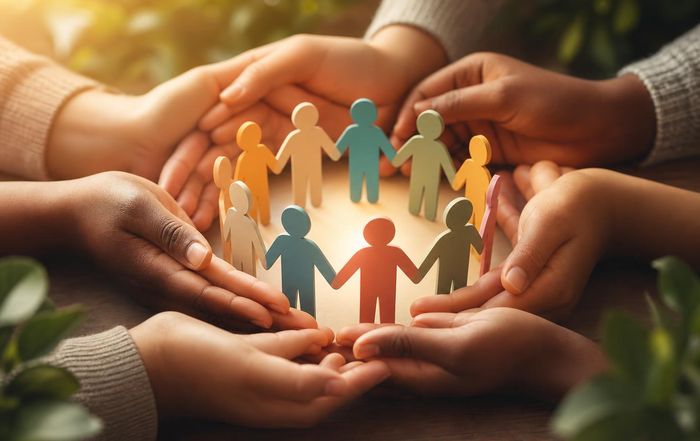
Why Social Connection Is Essential for Wellbeing!
The New Science of Connection in a Hyper-Connected World
The paradox of human connection has never been more visible. Individuals and organizations are more digitally connected than at any other point in history, yet reports of loneliness, burnout, and mental fatigue continue to rise across major economies, from the United States and the United Kingdom to Germany, Japan, and Brazil. For the global audience of FitPulseNews, which is deeply engaged with fitness, health, sports, brands, and performance-driven lifestyles, the question is no longer whether social connection matters, but how profoundly it shapes physical health, mental resilience, athletic performance, workplace productivity, and long-term wellbeing.
Researchers across leading institutions, including Harvard University, Stanford University, and the World Health Organization, have converged on a simple but powerful conclusion: social connection is not a luxury or a soft "nice-to-have" in modern life; it is a core biological necessity, as foundational as nutrition, sleep, and physical activity. Learn more about how social relationships influence long-term health outcomes on the Harvard Study of Adult Development website. For a fitness crazy platform like FitPulseNews Business, which speaks to leaders, professionals, athletes, and brand builders, understanding this science is no longer optional; it is central to designing strategies for sustainable performance and organizational success.
The Biology of Belonging: How Connection Shapes the Body
Decades of research in neuroscience, cardiology, and behavioral medicine have demonstrated that human beings are biologically wired for connection. Social interaction influences hormonal regulation, immune function, cardiovascular health, and even gene expression. The National Institutes of Health has highlighted how chronic loneliness correlates with elevated cortisol levels, systemic inflammation, and higher incidence of heart disease and stroke, placing social isolation in a risk category comparable to smoking and obesity. Readers can explore the physiological impact of loneliness on the NIH health information portal.
This biological embedding of social experience has profound implications for everyday health routines. For energetic individuals who follow FitPulseNews Health, the evidence suggests that building and maintaining strong social ties can amplify the benefits of regular exercise, balanced nutrition, and sleep hygiene. Studies summarized by the Mayo Clinic indicate that people with robust social networks tend to have lower blood pressure, healthier body mass indices, and better adherence to medical and lifestyle recommendations, which in turn contribute to longer and healthier lives. Learn more about the connection between social support and heart health through the Mayo Clinic's cardiovascular resources.
At a neurochemical level, positive social interaction triggers the release of oxytocin, dopamine, and endogenous opioids, which together contribute to feelings of trust, reward, and safety. These systems are particularly relevant for athletes and fitness enthusiasts who push their bodies regularly, because the same neurochemical pathways that modulate stress and pain also influence motivation, recovery, and resilience. The American Psychological Association has outlined how social support buffers the impact of stress on the brain's limbic system and prefrontal cortex, helping individuals maintain cognitive flexibility and emotional regulation under pressure. Readers can explore these mechanisms further through the APA's resources on stress and resilience.
Social Fitness: Why Training Together Matters
For the global fitness community that follows FitPulseNews Fitness and FitPulseNews Sports, the concept of "social fitness" has become a defining trend in 2026. Social fitness refers to the intentional cultivation of relationships and group experiences that support physical training, athletic performance, and long-term adherence to movement-based lifestyles. Research from University College London and other European institutions has consistently shown that individuals who exercise with partners or in groups demonstrate higher levels of commitment, enjoyment, and persistence compared with those who train alone. Learn more about the psychology of exercise adherence through the UCL psychology and language sciences department.
Team sports provide a particularly clear illustration of social connection in action. Whether in football leagues in Spain, rugby teams in New Zealand, or basketball programs in the United States, athletes who feel a strong sense of belonging to their team report higher intrinsic motivation, more effective communication under pressure, and greater willingness to push through physical discomfort in pursuit of collective goals. The International Olympic Committee has emphasized that social support within teams is a critical factor in athlete mental health, especially in high-stakes environments where performance anxiety and public scrutiny are intense. Readers can explore the IOC's perspective on athlete wellbeing through the Olympic Movement's mental health resources.
In the consumer fitness market, brands and platforms that integrate community features into their offerings are seeing stronger engagement and retention. Global players such as Peloton, Nike, Adidas, and Lululemon have invested heavily in digital communities, live classes, and challenges that replicate the motivational power of in-person group training. Industry analyses from McKinsey & Company indicate that fitness consumers in North America, Europe, and Asia are increasingly drawn to hybrid models that blend digital convenience with authentic social connection, whether through local running clubs, studio communities, or virtual training cohorts. Learn more about evolving fitness consumer behavior on the McKinsey sports and fitness insights hub.
Nutrition, Culture, and the Social Ritual of Eating
Nutrition is often framed as an individual choice, yet in practice it is deeply social and cultural. For sporty readers of FitPulseNews Nutrition and FitPulseNews Culture, the social dimension of eating is central to how diets are formed, maintained, and transmitted across generations. Shared meals, from family dinners in Italy to street food gatherings in Thailand and communal braais in South Africa, serve as powerful rituals that reinforce identity, belonging, and intergenerational connection.
Public health data from the World Health Organization and OECD show that regular family meals are associated with healthier dietary patterns in children and adolescents, including higher intake of fruits and vegetables, lower consumption of ultra-processed foods, and reduced risk of obesity. Learn more about healthy eating patterns and social determinants on the WHO nutrition pages. These findings are relevant not only for families but also for workplaces and sports organizations that seek to build cohesive cultures; shared meals and nutrition programs can become strategic tools for engagement, performance, and wellbeing.
Cultural norms around food also influence how individuals perceive their bodies, their health, and their relationships. The British Nutrition Foundation and similar organizations in Canada, Australia, and Singapore have highlighted how community-based nutrition education, cooking classes, and cultural food festivals can reduce stigma, improve health literacy, and create inclusive environments that respect diverse dietary traditions. Readers interested in how social environments shape food choices can explore further through the British Nutrition Foundation's educational resources. For FitPulseNews, which covers both global nutrition trends and regional food cultures, this interplay between connection and diet underscores the importance of framing nutrition not only as a biochemical process but also as a social experience that can either support or undermine holistic wellbeing.
Digital Connection, Remote Work, and the Loneliness Epidemic
The acceleration of remote work and digital communication across North America, Europe, and Asia has reshaped how people connect, collaborate, and build careers. While flexible work arrangements have delivered clear benefits in terms of autonomy and work-life integration, they have also introduced new challenges related to isolation, fragmented teams, and reduced informal interaction. Employers and professionals who follow FitPulseNews Jobs and FitPulseNews Technology are grappling with a central question: how can organizations leverage digital tools to enhance productivity without eroding the social fabric that underpins engagement and mental health?
The World Economic Forum and Gallup have documented rising levels of loneliness among remote and hybrid workers, particularly young professionals and employees who have recently changed roles or relocated to new cities. Learn more about global workplace wellbeing trends on the World Economic Forum's future of work insights. These findings align with national reports from the United States Surgeon General and public health agencies in the United Kingdom, Japan, and Sweden, which have identified loneliness as a public health concern with significant economic consequences, including reduced productivity, higher healthcare costs, and increased turnover.
At the same time, digital platforms can be powerful enablers of connection when used intentionally. Professional communities on LinkedIn, industry-specific Slack groups, and curated virtual events allow individuals in Germany, Singapore, Brazil, and South Africa to build relationships that would have been impossible in previous decades. The CIPD and other HR organizations recommend structured rituals such as virtual coffee sessions, peer mentoring, and cross-functional communities of practice to strengthen relational ties in distributed teams. Learn more about evidence-based remote work practices through the CIPD's flexible working resources.
For the FitPulseNews audience, which spans entrepreneurs, athletes, creators, and corporate leaders, the key insight is that digital connection is not inherently shallow or harmful; its impact depends on design, intentionality, and balance with offline relationships. Organizations that integrate technology with thoughtful human-centered practices are better positioned to support employee wellbeing, foster innovation, and build resilient cultures that endure beyond any single platform or trend.
Brands, Community, and the Business of Belonging
In 2026, brands across sectors-from sportswear and wellness to technology and consumer goods-are increasingly competing on community as much as on product quality or price. The audience of FitPulseNews Brands and FitPulseNews Business has observed how leading companies position themselves as facilitators of connection, designing ecosystems that enable customers to belong to something larger than themselves.
Global sports and fitness brands such as Nike, Adidas, and Under Armour invest heavily in community events, digital challenges, and athlete-led storytelling that create emotional bonds among consumers in the United States, Europe, and Asia. The Deloitte consumer insights team has reported that brands with strong community engagement often enjoy higher levels of loyalty, advocacy, and resilience during economic downturns, as customers perceive their relationship with the brand as relational rather than purely transactional. Learn more about the business value of community-centric branding through the Deloitte consumer industry center.
Wellness and mental health brands, including meditation platforms, fitness apps, and health-tech startups, are also discovering that community features-such as group challenges, peer support forums, and live classes-significantly improve user retention and outcomes. The Global Wellness Institute has emphasized that social connection is one of the central pillars of wellness, alongside physical activity, nutrition, sleep, and purpose. Readers can explore the global wellness economy and its social dimensions through the Global Wellness Institute's research library.
For FitPulseNews, which operates at the intersection of health, fitness, culture, and business, these developments highlight an important shift: audiences no longer merely consume content; they seek experiences that connect them to like-minded individuals, local communities, and global movements. Media platforms that foster dialogue, highlight diverse voices, and convene real-world and virtual gatherings are better positioned to build trust and long-term relationships with readers, viewers, and partners.
Social Connection as a Strategic Asset in High-Performance Environments
In high-performance environments-elite sports, corporate leadership, start-up ecosystems, and creative industries-social connection functions as a strategic asset rather than a peripheral concern. Leaders who understand and invest in the relational dynamics of their teams can unlock higher levels of innovation, adaptability, and sustained performance. Readers of FitPulseNews Innovation and FitPulseNews Sports will recognize that the most successful teams, whether in football clubs in the Premier League or technology companies in Silicon Valley and Berlin, often differentiate themselves through culture as much as through talent.
Research from MIT's Human Dynamics Laboratory has shown that patterns of communication-who talks to whom, how frequently, and in what context-predict team performance more accurately than individual intelligence or skill alone. Learn more about the science of high-performing teams via the MIT Sloan Management Review. Similarly, the Center for Creative Leadership has documented how leaders who cultivate psychological safety, open dialogue, and shared purpose enable teams to take calculated risks, learn from failure, and sustain high performance under pressure. Readers can explore these leadership principles through the Center for Creative Leadership's resources.
In elite sports, coaches and performance directors in countries such as Germany, Canada, Australia, and South Korea increasingly integrate sports psychology, team-building, and cultural alignment into training programs. The FIFA and UEFA coaching education frameworks emphasize that building trust, cohesion, and shared identity is as critical as tactical preparation and physical conditioning. Learn more about contemporary coaching methodologies on the UEFA training and education platform. For athletes and teams featured on FitPulseNews, this means that investing in social connection-through mentorship, peer support, and inclusive leadership-is not a soft add-on but a core component of competitive advantage.
Global Perspectives: Connection Across Cultures and Regions
While the biological need for connection is universal, the forms it takes vary across cultures and regions. In collectivist societies such as Japan, South Korea, and Thailand, group harmony, family obligations, and community roles often shape how individuals experience belonging and support. In more individualistic cultures like the United States, Canada, and parts of Western Europe, personal autonomy and self-expression may be more prominent, yet there is growing recognition that hyper-individualism can contribute to isolation and fragmentation if not balanced with communal anchors.
The United Nations and regional bodies across Europe, Asia, and Africa have recognized social cohesion as a critical dimension of sustainable development, linking it to education, employment, urban design, and digital inclusion. Learn more about the role of social inclusion in sustainable development on the UN Department of Economic and Social Affairs website. Urban planners in cities such as Copenhagen, Singapore, and Melbourne are experimenting with public spaces, transport systems, and mixed-use developments that encourage social interaction, physical activity, and cultural exchange, thereby supporting both community wellbeing and environmental sustainability.
For the global readership of FitPulseNews, which spans continents from North America and Europe to Asia, Africa, and South America, these diverse models offer valuable lessons. In South Africa and Brazil, community sports initiatives and local wellness programs demonstrate how social connection can be harnessed to address inequality, youth unemployment, and public health challenges. In Scandinavian countries such as Sweden, Norway, Denmark, and Finland, strong social safety nets and community-oriented policies illustrate how structural support for connection can contribute to high levels of reported life satisfaction. By examining these examples, individuals and organizations can adapt context-appropriate strategies that align with local cultures while honoring the universal human need for belonging.
Connection, Environment, and Sustainable Wellbeing
An emerging insight in 2026 is that social connection, environmental sustainability, and long-term wellbeing are deeply intertwined. Community-based environmental initiatives-such as local running clubs that organize litter clean-ups, cycling groups advocating for safe urban infrastructure, or wellness retreats focused on nature immersion-demonstrate how collective action can benefit both human health and planetary health. Readers of FitPulseNews Environment and FitPulseNews Sustainability will recognize that shared environmental goals often strengthen social bonds, create a sense of purpose, and foster intergenerational collaboration.
Organizations like The Nature Conservancy and WWF have highlighted how community-led conservation projects in regions such as Southeast Asia, sub-Saharan Africa, and Latin America not only protect ecosystems but also enhance local livelihoods, education, and social cohesion. Learn more about community-based conservation and its social benefits via The Nature Conservancy's global initiatives. For urban professionals in cities like London, New York, Berlin, and Singapore, participation in community gardens, outdoor fitness groups, and environmental volunteering can provide a powerful antidote to digital overload and workplace stress, while contributing to broader sustainability objectives.
For FitPulseNews, which covers the intersection of wellbeing, performance, and global trends, this convergence underscores a critical narrative: the future of health and fitness is inseparable from the future of communities and the planet. Social connection becomes not only a personal wellbeing strategy but also a lever for systemic change.
Building a Connected Future: Implications for Individuals and Organizations
As the science and practice of social connection continue to evolve, individuals, brands, employers, and policymakers face a shared imperative: to design lives, products, workplaces, and cities that prioritize human relationships as a core metric of success. For the fitness community that engages with FitPulseNews Wellness and FitPulseNews World, this means moving beyond viewing connection as an afterthought and instead integrating it into daily routines, strategic planning, and long-term vision.
Individuals can cultivate connection by engaging in group fitness activities, participating in local sports leagues, joining cultural or professional communities, and creating regular rituals of shared meals and conversations with family and friends. Employers can design workplaces-physical, hybrid, or fully remote-that encourage mentorship, peer learning, and cross-functional collaboration, recognizing that social connection drives engagement, innovation, and retention. Brands and media platforms, including FitPulseNews, can leverage their reach to highlight stories of community, create spaces for dialogue, and convene events that bring people together across borders and disciplines, from health and fitness to technology, culture, and business. Learn more about upcoming gatherings and opportunities to connect through FitPulseNews Events.
Ultimately, the evidence from biology, psychology, sociology, and economics converges on a single conclusion: social connection is essential for wellbeing, not only at the level of individual health but also for the resilience of teams, organizations, cities, and societies. In 2026, as the world navigates rapid technological change, shifting work patterns, and complex global challenges, the ability to build and sustain meaningful relationships may prove to be one of the most important skills-and responsibilities-of our time. For FitPulseNews and its global audience, embracing this reality opens the door to a more connected, healthier, and more sustainable future, where performance and wellbeing are grounded not in isolation, but in the strength of the communities we create together.