
Corporate Sponsorship in the Age of Activism: How Brands Are Rewriting the Playbook
A New Era for Corporate Sponsorship
By 2026, corporate sponsorship has moved far beyond logos on stadium billboards and product placement on jerseys; it has become a public test of a company's values, credibility, and long-term strategy in a world where stakeholders expect brands to take visible positions on social, environmental, and governance issues. For the global audience of FitPulseNews, which spans health, fitness, business, sports, technology, culture, and sustainability, this shift is not an abstract marketing trend but a structural transformation influencing how capital flows, which events thrive, how athletes and creators choose partners, and how consumers decide where to spend their money and build their careers.
The age of activism has placed corporate sponsorship under a magnifying glass; decisions that once lived in marketing departments are now scrutinized by investors, employees, regulators, fans, and communities. As public expectations harden and data on corporate behavior becomes more transparent, sponsorships are increasingly judged not only on commercial impact but on whether they reinforce or undermine a brand's stated purpose. In this environment, experience, expertise, authoritativeness, and trustworthiness are not optional; they are the currency that determines whether a sponsorship deepens stakeholder loyalty or triggers backlash.
From Visibility to Values: The Strategic Pivot
Historically, sponsorship strategy revolved around reach, frequency, and association, with brands prioritizing exposure to large audiences through sports leagues, entertainment properties, and major events. That model has not disappeared, but it has been reshaped by the rise of purpose-driven marketing and stakeholder capitalism, as articulated in frameworks promoted by organizations such as the World Economic Forum, which has emphasized the importance of stakeholder value and long-term resilience in its discussions on corporate governance and global risks. Learn more about stakeholder capitalism and its implications for business at the World Economic Forum.
In the age of activism, brands are expected to align sponsorships with clearly articulated values on issues such as climate action, diversity and inclusion, mental health, labor rights, and data privacy. This alignment is no longer a branding exercise; it is increasingly tied to risk management and regulatory expectations, particularly in markets like the United States, the European Union, and the United Kingdom, where disclosure rules and ESG reporting frameworks are tightening. Companies that position sponsorships as an expression of their environmental and social commitments are better placed to demonstrate coherence between what they say in sustainability reports and what they fund in the public arena, a point underscored by evolving guidance from bodies such as the International Sustainability Standards Board, which is shaping harmonized sustainability reporting standards worldwide.
For the business-oriented readers of FitPulseNews, this shift means that sponsorship decisions are now board-level conversations, intersecting with corporate strategy, risk assessment, and capital allocation. Executives must understand not only audience demographics but also the political, social, and environmental context of the platforms they associate with, from global sporting events to regional wellness festivals, from esports leagues to grassroots community programs. Readers can explore how these changes affect corporate strategy in more depth through the business coverage on FitPulseNews.
The Activist Consumer and the Power of Scrutiny
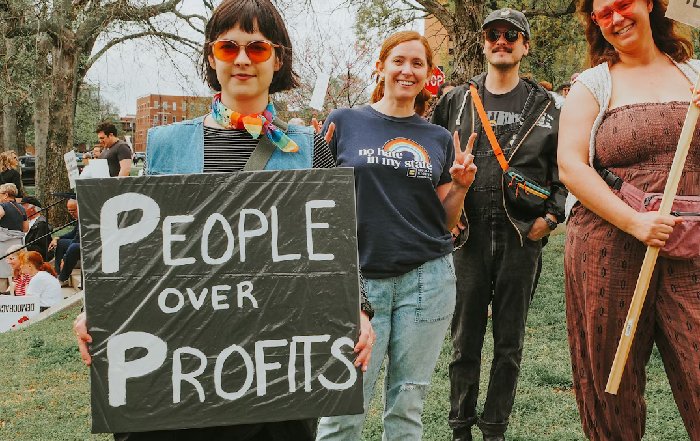
The rise of the activist consumer has been fueled by unprecedented access to information, the ubiquity of social media, and the ability of individuals and advocacy groups to coordinate pressure campaigns in real time. In North America, Europe, Asia, and beyond, consumers increasingly expect brands to take positions on issues such as racial justice, LGBTQ+ rights, climate change, and public health, and they are willing to reward or punish companies based on perceived authenticity or hypocrisy. Research from organizations like Edelman has documented growing expectations that businesses act as societal leaders, with trust in business at times surpassing trust in government and media in several key markets. Readers interested in evolving trust dynamics can review the latest findings via the Edelman Trust Barometer.
This environment has significant implications for sponsorships in health, fitness, sports, and wellness, which are core verticals for FitPulseNews. When a brand sponsors a major marathon, a global football tournament, or a wellness summit, activists and consumers now interrogate not only the event's content but the sponsor's record on issues like supply chain ethics, emissions, and workforce practices. If a sponsor promotes mental health awareness while being accused of overworking employees, or champions gender equality while facing discrimination lawsuits, the dissonance can quickly become a reputational liability amplified across platforms such as X, Instagram, and TikTok.
At the same time, activism is not monolithic; in polarized political environments, taking a stand can alienate one segment of the audience while energizing another. Brands therefore face a complex calculus: silence can be perceived as complicity, but visible stances can trigger boycotts or regulatory scrutiny. This tension is particularly acute in markets like the United States and parts of Europe, where cultural debates around diversity, environmental regulation, and public health have become highly politicized. Readers can follow how these dynamics intersect with global developments through the world news section of FitPulseNews.
Sports and Fitness: Stadiums as Stages for Social Debate
Sports and fitness sponsorships are among the most visible arenas where activism and corporate strategy collide, given the global reach of leagues such as the NFL, NBA, Premier League, La Liga, Bundesliga, and major events like the Olympic Games and the FIFA World Cup. Athletes, clubs, and fans have increasingly used these platforms to spotlight issues ranging from racial injustice and gender equity to human rights and environmental sustainability. Organizations such as FIFA and the International Olympic Committee have faced growing scrutiny regarding host nation selection, labor conditions, and environmental impact, as documented by outlets such as Human Rights Watch.
In this context, sponsors are no longer passive financiers; they are perceived as enablers or challengers of the status quo. When global brands align with events in countries facing criticism over human rights or environmental policies, they must now justify those decisions to stakeholders in the United States, Europe, Asia, and other regions where expectations for corporate responsibility are rising. Some sponsors have leveraged their influence to push for stronger environmental and social standards in event planning, from sustainable stadium design to improved worker protections, aligning with frameworks promoted by organizations like the UN Global Compact, which encourages companies to integrate human rights, labor, environment, and anti-corruption principles into their operations. Learn more about these principles at the UN Global Compact.
Meanwhile, in the fitness and wellness space, partnerships with gyms, digital fitness platforms, and health events are increasingly evaluated through the lens of holistic wellbeing, mental health, and inclusivity. Brands that once focused solely on performance now emphasize community building, psychological resilience, and accessible wellness, especially in markets like the United States, United Kingdom, Canada, Australia, and parts of Asia where mental health awareness has become a mainstream concern. Readers can explore how these trends intersect with training, recovery, and performance in the fitness coverage on FitPulseNews and the wellness section.
Health, Nutrition, and the Ethics of Association
Health and nutrition sponsorships have become particularly sensitive as governments, health organizations, and advocacy groups intensify scrutiny of products linked to obesity, diabetes, cardiovascular disease, and other non-communicable conditions. Partnerships between major sporting events and companies in categories such as sugary beverages, ultra-processed foods, and alcohol are under increasing pressure from public health advocates, especially in Europe, North America, and parts of Asia where regulatory frameworks are tightening. Organizations like the World Health Organization and Public Health England have repeatedly highlighted the role of marketing and sponsorship in shaping dietary behaviors, particularly among children and adolescents. Learn more about global health recommendations at the World Health Organization.
For brands and rights holders, this scrutiny is forcing a re-evaluation of what constitutes a credible and ethical sponsorship. In markets like the United Kingdom, France, and Canada, regulators and civil society groups have called for stricter rules on advertising unhealthy products during sports and family programming, while in countries such as Brazil, South Africa, and Thailand, civil society coalitions are building momentum for similar reforms. Sponsorship deals that once appeared commercially attractive can now carry long-term reputational risk if they are seen to undermine public health goals.
Conversely, there is growing opportunity for brands that align with evidence-based nutrition, preventive healthcare, and active lifestyles. Partnerships with digital health platforms, plant-based food brands, and preventive care initiatives resonate with audiences that prioritize longevity, performance, and sustainability. For readers of FitPulseNews, this convergence of nutrition, performance, and ethics is central, and ongoing coverage in the nutrition section and health section continues to track how brands navigate these trade-offs.
Technology, Data, and the New Transparency
Technological advances have fundamentally changed how sponsorships are measured, monitored, and debated. Data analytics, AI-driven sentiment analysis, and real-time media monitoring allow brands to gauge public reaction to sponsorships across regions such as North America, Europe, and Asia, while blockchain and digital ledgers are beginning to be used to verify funding flows and impact claims in areas like sustainability and community development. Companies like Nielsen and Kantar have expanded their sponsorship analytics offerings, providing more granular views of audience engagement and reputation risk. Learn more about evolving media measurement practices at Nielsen.
At the same time, data privacy and surveillance concerns have become central to the sponsorship conversation, particularly when brands integrate digital experiences, wearables, or health tracking tools into sponsored programs. In fitness and sports, partnerships involving biometric data, performance analytics, and personalized coaching raise complex questions about consent, data ownership, and potential misuse. Regulators in Europe, through frameworks like the General Data Protection Regulation, and in countries such as Brazil and South Africa, are setting stricter rules for data handling, which sponsors must navigate carefully to preserve trust. Readers can deepen their understanding of these issues in the technology coverage on FitPulseNews.
Transparency is also being driven by regulatory and market initiatives around ESG disclosure, as seen in guidance from institutions like the OECD and the European Commission, which encourage more robust reporting on social and environmental impacts. As a result, sponsorship commitments related to sustainability, diversity, and community impact can no longer remain vague; stakeholders expect measurable targets, independent verification, and ongoing reporting. Learn more about responsible business conduct at the OECD.
Sustainability and Climate: Sponsorships under Environmental Scrutiny
Climate change and environmental degradation have become defining issues for corporate reputation, and sponsorships are now a frontline arena where environmental credibility is tested. In sectors such as energy, aviation, automotive, and heavy industry, companies are increasingly using sponsorships of major events, sports teams, and cultural festivals to signal their transition to low-carbon business models. However, activists and regulators are increasingly alert to the risk of greenwashing, particularly when sponsorship narratives are not backed by credible decarbonization plans aligned with scientific benchmarks such as those promoted by the Intergovernmental Panel on Climate Change. Learn more about climate science at the IPCC.
In Europe, regulators and consumer protection agencies have begun challenging misleading environmental claims in advertising and sponsorship, while in markets like Australia, Canada, and the United States, litigation and shareholder activism are putting pressure on companies to substantiate their sustainability narratives. Sponsorships of high-profile events, including global tournaments and international expos, are increasingly expected to incorporate robust climate strategies, from renewable energy use to low-carbon transportation and circular waste management. The UNFCCC Sports for Climate Action initiative has pushed sports organizations and sponsors to adopt science-based targets and transparent reporting, reshaping expectations across leagues and events. Learn more about this initiative at the UNFCCC Sports for Climate Action.
For the sustainability-focused audience of FitPulseNews, these developments underscore the need to evaluate not only whether a sponsor supports environmental causes but whether its core business model is genuinely transitioning toward sustainability. Coverage in the sustainability section and the environment section continues to highlight both best practices and emerging controversies, helping readers distinguish between substantive commitments and superficial branding.
Jobs, Talent, and the Internal Stakeholder Revolution
Corporate sponsorship strategies in 2026 are increasingly shaped not only by external audiences but by internal stakeholders, particularly employees and prospective talent. In a tight global labor market marked by skills shortages in technology, healthcare, engineering, and sustainability, employer brand has become a strategic asset, and sponsorships are a visible expression of what a company stands for. Younger professionals in markets such as the United States, Germany, India, and Singapore often evaluate potential employers based on their social and environmental commitments, which are reflected in the causes they sponsor and the events they support. Surveys by organizations like Deloitte have highlighted that Millennials and Gen Z place high value on purpose-driven employers and are willing to change jobs when corporate values misalign with their own. Learn more about these workforce trends at Deloitte Insights.
Employee activism has also become more organized, with internal petitions, open letters, and walkouts influencing corporate decisions on sponsorships tied to contentious social issues, fossil fuel partnerships, or events in politically sensitive regions. Companies that ignore internal sentiment risk losing key talent, damaging morale, and undermining productivity. As a result, many global employers now conduct internal consultations before committing to high-profile sponsorships, integrating employee feedback into decision-making frameworks. Readers can explore how these dynamics affect career choices and workplace culture in the jobs section of FitPulseNews and the culture coverage.
This internal stakeholder revolution reinforces the importance of consistency between sponsorships and broader corporate policies on diversity, equity, inclusion, climate action, and community engagement. Inconsistent or opportunistic sponsorships can erode trust not only among consumers but among the very employees companies rely on to innovate and grow.
Measuring Impact: From Impressions to Outcomes
In the age of activism, brands can no longer justify sponsorships solely on the basis of media impressions and brand recall; they are increasingly expected to demonstrate tangible social, environmental, or community outcomes. This shift is particularly evident in partnerships related to health, wellness, education, and community development, where stakeholders demand evidence that sponsorship funding is improving lives and not merely polishing reputations. Organizations such as The Global Reporting Initiative and B Lab have promoted frameworks and certification schemes that encourage companies to measure and report their broader impact, influencing how sponsorships are designed and evaluated. Learn more about impact measurement at the Global Reporting Initiative.
Outcome-oriented sponsorships often incorporate multi-year commitments, co-created programs with community organizations, and independent evaluations to track progress. For example, a corporate sponsor of a youth sports initiative may track not only participation numbers but also indicators such as school attendance, mental health outcomes, and gender equity in access to facilities. Similarly, sponsors of climate-related events may commit to verified emissions reductions, biodiversity restoration, or community resilience projects in vulnerable regions across Africa, Asia, and South America.
For the global business audience of FitPulseNews, this evolution underscores the need for cross-functional collaboration between marketing, sustainability, finance, and risk teams to design sponsorships that deliver both brand value and measurable impact. Readers can follow innovations in impact-driven business models in the innovation section and the broader news coverage on the platform.
Building Trust: Experience, Expertise, and Authoritativeness
Trust is the decisive factor determining whether corporate sponsorships succeed in the age of activism. Stakeholders are more likely to accept a brand's involvement in sensitive or high-profile causes when that brand demonstrates a long track record of engagement, deep subject-matter expertise, and consistent behavior across markets and channels. This is where experience, expertise, authoritativeness, and trustworthiness converge into a coherent narrative.
Brands with genuine expertise in health, fitness, or wellness, for example, can credibly support initiatives around preventive care, mental health, and active lifestyles, particularly when they collaborate with reputable scientific and medical institutions such as the Mayo Clinic or Cleveland Clinic, which provide evidence-based guidance on health interventions. Learn more about evidence-based health information at the Mayo Clinic. Similarly, companies with established sustainability credentials, validated through independent assessments or science-based targets, are better positioned to sponsor climate and conservation initiatives without being accused of greenwashing.
For FitPulseNews, which serves a cross-section of professionals, athletes, entrepreneurs, and policymakers, the ability to distinguish between authentic, expertise-driven sponsorships and opportunistic branding is critical. The platform's coverage across health, sports, business, and sustainability is designed to help readers navigate this complexity, highlighting both best-in-class partnerships and cautionary tales where misalignment has led to reputational damage.
The Road Ahead: Sponsorship as a Strategic Responsibility
As 2026 unfolds, corporate sponsorship in the age of activism is no longer a peripheral marketing tactic; it is a strategic responsibility that reflects and shapes how companies are perceived in markets from the United States and United Kingdom to Germany, Singapore, South Africa, and Brazil. The interplay between activism, regulation, technology, and stakeholder expectations will continue to intensify, making sponsorship decisions more consequential and more complex.
Brands that thrive in this environment will be those that treat sponsorship as an extension of their core values and strategy, grounded in evidence, transparency, and long-term commitment. They will invest in deep partnerships rather than transactional logo placements, invite scrutiny rather than avoid it, and measure success not only in sales uplift but in societal and environmental outcomes. They will listen to employees as carefully as they listen to customers, and they will adapt to regional nuances while maintaining a coherent global narrative.
For the community around FitPulseNews, spanning health, fitness, business, sports, culture, technology, environment, and beyond, the evolution of corporate sponsorship is more than a branding story; it is a lens through which to understand how power, responsibility, and influence are being renegotiated in a rapidly changing world. As activism continues to reshape expectations across continents and industries, sponsorships will remain one of the most visible arenas where brands either earn trust or forfeit it, one partnership at a time.