

How Climate-Ready Cities Are Redefining Urban Life and Business
Urban Resilience Moves From Concept to Competitive Advantage
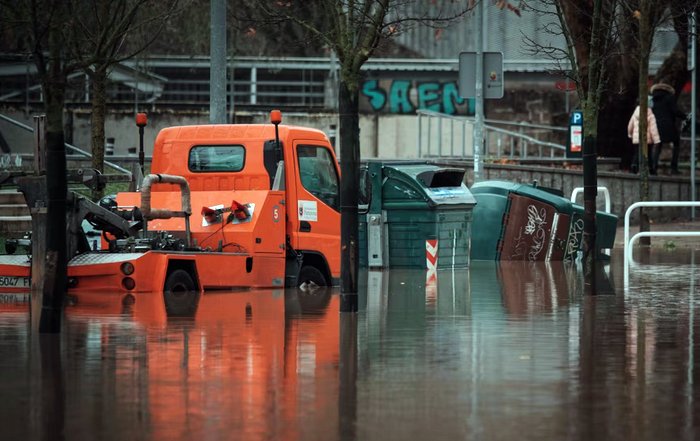
The conversation about climate and cities has shifted from warning signs to lived reality. Across major metropolitan regions in North America, Europe, Asia, Africa and South America, climate pressures are no longer distant forecasts but daily operational constraints and strategic drivers. From New York City, London and Toronto to Singapore, Berlin, Sydney and Johannesburg, urban areas are simultaneously the engines of global growth and the epicenters of climate risk, concentrating people, infrastructure, capital and data in environments increasingly exposed to extreme heat, flooding, wildfire smoke, water stress and degraded air quality.
For the business-focused audience of FitPulseNews, which engages with health, fitness, business, technology, sports, culture and sustainability, this shift is felt in office leasing decisions, employee wellbeing strategies, sports and recreation planning, logistics design and brand positioning. Urban resilience has become a cross-cutting lens through which corporate leaders, investors, policymakers, coaches, trainers and citizens evaluate where to live, how to work, how to move and how to stay healthy in a warming world. What was once framed as environmental policy is now a core determinant of urban competitiveness and corporate performance, as cities race to demonstrate that they can remain livable, investable and attractive in the face of escalating climate pressures.
Climate Risk as a Central Urban Business Variable
Climate risk has moved to the center of urban economic planning and corporate strategy. The World Bank has underscored that cities account for more than 70 percent of global CO₂ emissions and host the majority of the global population, a share that continues to rise as urbanization accelerates in Asia and Africa. This concentration of people and assets means that climate shocks translate rapidly into financial losses, productivity disruptions and reputational risks. Rising sea levels threaten coastal hubs such as Miami, Rotterdam and Shanghai, while extreme heat is eroding labor productivity in cities from Phoenix and Houston to New Delhi, Dubai and Bangkok. Businesses that once viewed climate primarily through the lens of emissions reduction now recognize adaptation as a non-negotiable component of continuity planning.
Regulatory frameworks have tightened since 2025. In the United States, United Kingdom, European Union, Canada, Australia and Japan, climate risk disclosure requirements now draw more explicitly on the legacy of the Task Force on Climate-related Financial Disclosures and the evolving standards of the International Sustainability Standards Board, while supervisors take cues from organizations such as the OECD and the International Energy Agency. Learn more about how financial regulators are embedding climate risk into supervision and stress testing on the Bank for International Settlements website. In parallel, institutional investors across North America, Europe and Asia have deepened their environmental, social and governance mandates, scrutinizing the physical risk exposure of urban real estate portfolios, transport assets, data centers and retail networks, and demanding credible adaptation roadmaps as a condition for capital.
For global and regional companies, this environment affects where to locate headquarters and operational hubs, how to structure insurance and reinsurance coverage, which supply chains to diversify, and how to protect workforce health. Organizations that previously emphasized decarbonization alone now allocate significant capital to resilience measures, from flood-proofing logistics depots and hospitals to reconfiguring last-mile delivery routes in climate-vulnerable neighborhoods. Executives and investors seeking macro-level perspectives on how climate risk is reshaping growth trajectories in advanced and emerging economies can explore analysis from the International Monetary Fund, which increasingly integrates physical and transition risks into its country assessments.
Heat, Health and the New Urban Work-Life Rhythm
Among the most immediate manifestations of climate stress in cities is the intensification of extreme heat. The past several years have delivered record-breaking summer temperatures and longer heatwaves in the United States, Southern Europe, the Middle East, India, Southeast Asia and parts of Latin America and Africa, with night-time temperatures remaining dangerously high and compounding health risks. Urban heat islands created by dense building stock, asphalt surfaces and limited vegetation amplify these conditions, particularly in low-income neighborhoods that lack shade, green space and efficient cooling.
The health implications are profound. The World Health Organization has documented rising incidences of heat-related illness, cardiovascular and respiratory stress, and mental health impacts linked to prolonged high temperatures, particularly among older adults, children, outdoor workers and individuals with pre-existing conditions. Learn more about the health burden of extreme heat and recommended public health responses on the WHO platform. For the readers of FitPulseNews, these trends are reshaping how urban residents schedule workouts, commute to offices or co-working spaces, plan outdoor sports, and manage hydration, nutrition, sleep and recovery routines.
Employers in finance, technology, logistics, construction, hospitality and public services are adapting work patterns. In parts of Europe and North America, flexible or "split shift" schedules during peak heat hours are becoming more common, while companies in Australia, South Africa, Brazil and the Gulf region are expanding shaded outdoor areas, cooling centers and climate-aware wellness programs. Heat-index thresholds now inform site work stoppages and event scheduling in many cities, affecting professional sports calendars and outdoor fitness events. FitPulseNews has been following these developments closely in its health and wellness coverage, highlighting how climate-aware training plans, workplace design and recovery protocols are transitioning from niche considerations to mainstream practice for urban professionals and athletes.
🌍 Climate-Ready Cities Navigator 2026
Key Urban Climate Risks
Impact:These risks affect office location decisions, employee wellbeing strategies, sports planning, and logistics design across major metropolitan regions globally.
Top Climate-Resilient Cities
Key Adaptation Strategies
Urban Adaptation Timeline
Climate risk disclosure requirements tightened globally
Urban resilience becomes competitive advantage for cities
Digital twins and IoT networks deployed at scale
Climate adaptation integrated across all urban governance
Business Sector Impact
Key Insight:Over 70% of global CO₂ emissions come from cities, making urban adaptation critical for business continuity and competitive positioning in 2026 and beyond.
Greening the Urban Fabric and Designing Active, Cool Cities
In response to mounting heat and flood risks, city governments are accelerating efforts to green and "blue" the urban fabric. Urban planners in Copenhagen, Melbourne, Singapore, Vancouver, Paris, Seoul and Rotterdam are expanding tree canopies, green roofs, pocket parks, bioswales, restored wetlands and permeable pavements to cool neighborhoods, absorb stormwater and improve air quality. The United Nations Environment Programme has highlighted nature-based solutions as a cornerstone of urban resilience, explaining how green and blue infrastructure can reduce risk while delivering economic and social co-benefits; readers can explore these approaches on the UNEP website.
These interventions are not simply environmental upgrades; they are strategic investments in health, property values, tourism, sports participation and city branding. Waterfront regeneration projects in Europe, North America and Asia integrate flood defenses with running and cycling paths, outdoor gyms and multi-use sports facilities, transforming former industrial zones into vibrant mixed-use districts. In cities from Hamburg and Amsterdam to Sydney and Auckland, residents are increasingly able to live, work and train in close proximity, with access to shaded routes and cooling breezes that make outdoor movement more feasible even as summers grow hotter. FitPulseNews has showcased this convergence of climate adaptation and active urban living in its fitness and sports sections, drawing on examples from the United States, Canada, Germany, Japan and beyond.
Evidence linking green, walkable neighborhoods to improved health outcomes has strengthened. Research from institutions such as Harvard T.H. Chan School of Public Health and The Lancet has quantified how access to parks, safe cycling infrastructure and tree-lined streets can reduce mortality, improve mental health and lower healthcare costs, especially in aging societies. Learn more about healthy cities research and its economic implications via the Harvard T.H. Chan School website. For countries like Italy, Spain, Japan, South Korea and Germany, where urban populations are aging and chronic diseases related to inactivity and pollution are rising, integrating climate adaptation with health-promoting urban design is emerging as a powerful lever to sustain productivity and reduce long-term healthcare burdens.
Hardening Critical Infrastructure and Rewriting the Investment Playbook
Beyond public spaces, climate adaptation is reshaping the design, financing and governance of critical urban infrastructure. Ports, airports, metro systems, commuter rail, highways, bridges, power grids, water treatment plants and data centers are being re-engineered to withstand more frequent and intense shocks. Coastal cities such as New Orleans, Rotterdam, Tokyo, Hong Kong and Singapore are investing in large-scale levees, surge barriers, elevated transit corridors and floodable plazas that can absorb storm surges while preserving economic activity. Inland cities facing riverine floods or wildfire smoke, such as Frankfurt, Calgary, Madrid and Cape Town, are similarly upgrading drainage systems, backup power and ventilation to maintain continuity.
This wave of investment is closely monitored by construction firms, engineering consultancies, infrastructure funds and technology providers. Organizations like McKinsey & Company and the World Economic Forum have emphasized that infrastructure resilience is becoming a core component of national and urban competitiveness, influencing where multinational companies choose to base operations and where global events are hosted. Readers can explore these perspectives on the McKinsey and WEF websites. Public-private partnerships are proliferating in the United States, Germany, Australia and across Asia, blending municipal budgets, sovereign wealth funds, pension capital and green or sustainability-linked bonds to finance resilience projects that would otherwise strain public balance sheets.
For businesses active in global hubs, this evolution has direct operational implications. Logistics firms are reconsidering warehouse locations and multimodal hubs to avoid flood-prone zones, technology companies are diversifying data center footprints and investing in advanced cooling to manage downtime risk, and manufacturers are reevaluating just-in-time models that depend heavily on vulnerable urban nodes. FitPulseNews analyzes these shifts in its business and innovation sections, examining how climate-driven infrastructure decisions are altering procurement strategies, job creation, technology adoption and regional competitiveness across sectors from mobility and cloud computing to healthcare and retail.
Data-Driven Cities: Digital Twins, Sensors and Climate Intelligence
One of the most transformative trends in urban adaptation is the rise of data-driven climate intelligence. Cities such as Amsterdam, Helsinki, Seoul, Singapore, Dubai, Barcelona and Los Angeles are deploying digital twins-high-fidelity virtual replicas of urban systems-to simulate floods, heatwaves, power outages, wildfire smoke plumes and evacuation scenarios. These tools enable planners and emergency managers to test interventions before deployment, optimize infrastructure investments and refine disaster response protocols. The MIT Senseable City Lab and similar research centers are at the forefront of this movement, showcasing how urban data can inform more responsive and resilient design; readers can explore current projects on the MIT Senseable City Lab website.
Digital twins are increasingly connected to dense networks of Internet of Things sensors that monitor air quality, temperature, humidity, traffic, energy use and water levels in real time. This integration allows city authorities to adjust cooling center locations, public transit frequencies, traffic restrictions and health advisories dynamically as conditions change. For technology companies, telecom providers and startups across North America, Europe and Asia, this creates expanding markets for sensors, cloud platforms, cybersecurity solutions and analytics services, while also raising complex questions about data governance, privacy and equitable access to digital infrastructure.
For citizens and consumers, this data-rich environment is beginning to influence daily decisions. Fitness, health and wellness apps in cities like San Francisco, London, Beijing, Bangkok, Stockholm and Singapore are incorporating hyperlocal air quality and heat indices, nudging users to adjust workout times, intensity and routes to minimize exposure to pollution or extreme temperatures. FitPulseNews has documented this convergence of environmental analytics and personal wellbeing in its technology and nutrition reporting, where startups and established brands are building services that blend climate data, wearable sensor inputs and behavioral science to support healthier, safer routines in increasingly volatile urban environments.
Buildings as Active Climate Systems and Health Enablers
Buildings remain at the heart of urban adaptation, as they shape energy use, indoor climate, air quality and safety for billions of people who spend most of their time indoors. Since 2025, building codes in the United States, Canada, Germany, France, the United Kingdom, Australia and several Asian economies have been updated to reflect higher temperature baselines, more intense rainfall and stronger wind loads. The World Green Building Council has continued to champion net-zero and resilient building standards that integrate energy efficiency, low-carbon materials and climate resilience into a single framework; readers can learn more about these standards on the WorldGBC website.
Leading developers, asset managers and corporate tenants increasingly view buildings as active climate systems rather than passive shells. In the Netherlands, Norway, Singapore and parts of the United States and Germany, climate-positive buildings equipped with rooftop solar, battery storage, advanced insulation, smart shading, high-performance glazing and greywater recycling are designed to maintain critical functions during grid outages and extreme events. In flood-prone districts of Bangkok, Jakarta and Ho Chi Minh City, elevated structures and water-resilient ground floors are becoming more common, while in wildfire-affected regions of North America and Southern Europe, enhanced filtration and building envelopes are being deployed to keep indoor air safe during smoke episodes.
For the FitPulseNews audience, these changes are particularly relevant in the context of indoor exercise, workplace wellbeing and hybrid work. Fitness centers, corporate campuses, co-working spaces and residential complexes in Toronto, Zurich, Tokyo, Seoul, Munich and Melbourne are integrating natural light, flexible indoor-outdoor training zones, high-grade filtration, acoustic design and biophilic elements to support both physical performance and mental health under more variable outdoor conditions. Our environment and wellness coverage has highlighted how these design choices influence employee retention, productivity, member satisfaction and brand differentiation in sectors ranging from sports and hospitality to technology and professional services.
Mobility, Micromobility and Climate-Resilient Transport Networks
Urban mobility systems sit at the intersection of adaptation and mitigation, and they are under significant pressure. Heatwaves, storms and flooding are disrupting traditional commuting patterns and exposing vulnerabilities in legacy infrastructure. In response, many cities are accelerating investment in resilient, low-carbon transport networks that can continue to function under stress. In Europe, Paris, Barcelona, Milan, Berlin and Oslo have expanded protected cycling lanes, low-emission zones and pedestrian corridors, while in Asia, Tokyo, Seoul, Singapore and Bangkok are upgrading metro systems, bus rapid transit and intermodal hubs to handle increased ridership and climate-related disruptions.
The International Transport Forum and the International Association of Public Transport have provided extensive analysis of how cities can design transport ecosystems that are both decarbonized and resilient, including guidance on infrastructure standards, governance and financing. Learn more about evolving best practices in sustainable and resilient urban mobility via the ITF and UITP websites. For businesses, these developments influence office location strategies, commuting policies, last-mile logistics, fleet management and corporate travel, particularly as many organizations commit to science-based emission reduction targets that require a shift away from car-dependent models.
Micromobility has cemented its role in this transition. Bikes, e-bikes, e-scooters and compact electric vehicles are now integral to the transport mix in dense cores from Amsterdam and Copenhagen to Vancouver, Melbourne and Singapore, offering flexible options when public transit is disrupted or when heat and air quality conditions vary by neighborhood. For health- and performance-oriented readers of FitPulseNews, this trend supports a more active lifestyle, but it also demands new safety standards, infrastructure design and regulatory frameworks as cities balance speed, accessibility and risk. Our culture and sports sections have tracked how cycling and walking are becoming normalized as everyday, climate-smart transport choices among professionals, students and families in cities across Europe, North America, Asia and Oceania.
Equity, Employment and the Just Urban Transition
No discussion of climate-ready cities is complete without addressing social equity and employment. Climate impacts are unevenly distributed, often hitting hardest in neighborhoods with older housing stock, limited green space, inadequate healthcare access and precarious employment. Informal settlements in rapidly growing cities across Africa, South Asia and Latin America, as well as under-served districts in major metropolitan areas in North America and Europe, face heightened exposure to floods, heat and pollution, with fewer resources to adapt. The United Nations Human Settlements Programme (UN-Habitat) has emphasized the need for inclusive, people-centered adaptation strategies that prioritize vulnerable populations and community participation; readers can explore these perspectives on the UN-Habitat website.
At the same time, adaptation is generating new employment opportunities. Roles in green construction, renewable energy, environmental services, climate data analytics, urban agriculture, public health, sports and recreation, mental health, community organizing and resilience planning are expanding in the United States, Canada, Germany, the Nordic countries, South Africa, Brazil, India and Southeast Asia. Many of these positions require interdisciplinary skill sets that blend technical knowledge with communication, stakeholder engagement and policy literacy. FitPulseNews has been tracking these labor market dynamics in its dedicated jobs coverage, examining how climate resilience is shaping career pathways, upskilling programs and corporate talent strategies.
Businesses operating in urban markets face growing scrutiny from regulators, investors and citizens to ensure that adaptation measures do not deepen inequality, for instance by prioritizing premium districts for flood defenses while neglecting low-income neighborhoods, or by automating climate-related functions without providing reskilling options. Learn more about sustainable and inclusive business practices, including governance models that align climate strategy with social impact, through analysis available on the Harvard Business Review platform. For brands that position themselves around health, performance and wellbeing, the credibility of climate and equity commitments increasingly influences consumer trust and loyalty.
Corporate-City Partnerships and the Battle for Brand Trust
By 2026, the credibility of corporate climate and resilience strategies has become a defining factor in brand trust, particularly among younger urban consumers in the United States, United Kingdom, Germany, France, Italy, Spain, the Netherlands, Switzerland, Japan, South Korea, Singapore and Australia. Sectors with large urban footprints-real estate, retail, logistics, technology, sports, hospitality and consumer goods-are under particular pressure to demonstrate transparent, science-based action on both mitigation and adaptation.
Many leading organizations are forging partnerships with city governments, universities, sports clubs and civil society groups to co-create resilience initiatives. These collaborations include cooling and greening schoolyards, retrofitting social housing, co-funding green corridors, enhancing community sports facilities that double as emergency gathering points and integrating climate education into wellness and fitness programs. Networks such as C40 Cities Climate Leadership Group and ICLEI - Local Governments for Sustainability showcase numerous examples of such public-private partnerships; readers can explore them on the C40 and ICLEI websites.
For FitPulseNews, these developments sit at the intersection of brands, culture and health. Our brands and news sections have documented how companies in sports apparel, connected fitness, technology, nutrition and consumer health are using flagship projects in cities like New York, London, Berlin, Sydney, Singapore and Toronto to demonstrate leadership. These initiatives often blend climate-smart infrastructure with community engagement, such as sponsoring shaded running routes, supporting heat-resilient urban sports leagues, or designing wellness programs that explicitly address climate-related stressors on employees and customers. For corporate leaders, these partnerships are no longer peripheral corporate social responsibility activities; they are becoming central to brand differentiation, sponsorship strategy and long-term license to operate in major urban markets.
The Information Ecosystem: Why Trusted Climate Coverage Matters
As climate pressures intensify, the volume of information, analysis and opinion available to decision-makers has exploded, but so has the risk of confusion and misinformation. Trusted media and knowledge platforms play a critical role in translating complex climate science, infrastructure engineering, financial regulation and behavioral research into actionable insights for executives, policymakers, coaches, trainers and citizens. Global outlets such as Reuters, The Financial Times, Nature and The New York Times have expanded their climate and cities reporting, offering in-depth coverage of energy transitions, urban resilience and policy shifts that influence boardroom and city hall decisions. Readers can explore global climate and urban resilience reporting on the Reuters website.
Within this ecosystem, FitPulseNews positions itself as a specialized platform that connects climate adaptation to the daily realities of health, fitness, business, sports, culture, technology and sustainability in urban environments. By drawing on developments from the United States, Canada, the United Kingdom, Germany, France, Italy, Spain, the Netherlands, Switzerland, China, Japan, South Korea, Singapore, Australia, New Zealand, South Africa, Brazil, Southeast Asia and the broader regions of Europe, Asia, Africa, North America and South America, the platform provides readers with a globally aware yet practically grounded perspective. Climate narratives are now woven through our world, sustainability and business sections, reflecting the conviction that resilience is not a specialist topic but a defining context for understanding urban life, work, sport and wellbeing in 2026 and beyond.
Looking Ahead: What Defines a Competitive, Climate-Ready City in 2030?
Looking toward 2030, the cities that will attract investment, talent, tourism and global events are those that successfully integrate climate adaptation into every dimension of governance, economic strategy and social policy. For metropolitan regions in the United States, United Kingdom, Germany, Canada, Australia, France, Italy, Spain, the Netherlands, Switzerland, China, Japan, South Korea, Singapore, the Nordic countries, South Africa, Brazil, Malaysia, Thailand and beyond, competitiveness will increasingly be measured not only by GDP, innovation rankings or cultural offerings, but by the reliability of infrastructure, the quality of air and water, the resilience of healthcare systems, the inclusiveness of adaptation strategies and the vibrancy of active, healthy lifestyles that remain viable under climate stress.
For the diverse professional community that turns to FitPulseNews-executives, investors, entrepreneurs, health professionals, trainers, coaches, technologists, policymakers and engaged citizens-the strategic message is clear. Climate adaptation is now a central business and lifestyle variable, influencing office design and remote work policies, gym and studio architecture, sports event scheduling, insurance premiums, supply chain design, talent attraction, brand reputation and community trust. Individuals and organizations that understand how cities are adapting, and that engage proactively in shaping these adaptations, will be better positioned to thrive in a world where resilience is a core dimension of performance and wellbeing.
FitPulseNews will continue to track this evolution closely, connecting developments in infrastructure, health, fitness, technology, sports, culture, employment and sustainability to the broader narrative of how cities worldwide are navigating climate pressures. As urban areas from New York and London to Berlin, Singapore, Bangkok, Dubai and Auckland experiment with new models of resilience, our commitment is to provide nuanced, evidence-informed and globally aware coverage that helps readers make informed decisions for their organizations, careers and personal health. Readers can follow these intersecting themes across the FitPulseNews homepage at fitpulsenews.com, where climate-conscious urban living has become a central narrative thread rather than a specialized sidebar, and where resilience is treated not as an optional add-on but as the foundation for sustainable performance in the decade ahead.