

How Digital Payments Are Expanding Financial Access
Digital payments have moved decisively from the periphery of finance to its core, and today they are reshaping how individuals, businesses, institutions, and governments across the world transact, save, invest, and manage risk. What began as a story of convenience and speed has evolved into a structural shift that is redefining financial access and economic participation, particularly for populations historically excluded from traditional banking. For the global audience of FitPulseNews, which engages daily with themes spanning health, fitness, business, technology, culture, and sustainability, this transformation is not abstract. It influences how people earn income in the platform economy, how they manage financial stress that affects mental and physical health, how brands and sports organizations monetize fan relationships, and how sustainable innovation is funded across regions from North America and Europe to Asia, Africa, and South America. As digital payment infrastructures deepen and interconnect, they are quietly rewriting the terms of participation in the modern economy and, by extension, the conditions for individual and societal well-being.
The Evolving Infrastructure of Inclusion in a Connected World
The continued expansion of digital payments in 2026 rests on a powerful convergence of mobile connectivity, cloud computing, data analytics, and regulatory modernization. According to the World Bank, more than three-quarters of adults globally now hold some form of financial account, with the most dynamic growth driven by digital channels rather than brick-and-mortar branches. Learn more about how global financial inclusion is evolving through the World Bank financial inclusion overview. In economies such as India, Brazil, Kenya, and Indonesia, mobile-first payment systems have effectively leapfrogged legacy card and branch networks, enabling millions of people with only a smartphone and affordable data access to send and receive money, pay bills, and store value securely.
In advanced markets like the United States, the United Kingdom, Germany, Canada, Australia, and the Nordics, the story has been one of rapid migration away from cash and checks towards contactless cards, digital wallets, and instant account-to-account payment schemes. The European Central Bank and regional regulators have accelerated work on interoperability and security standards, laying the groundwork for faster, more predictable cross-border payments within Europe and increasingly beyond. Readers can explore how these payment systems underpin broader financial stability and integration on the European Central Bank digital payments page. This infrastructure is not simply technical plumbing; it is a social and economic architecture that determines who can participate in e-commerce, who can build a transaction history that supports access to credit, and who can accumulate a verifiable financial identity that opens doors to jobs, housing, and entrepreneurship, themes regularly examined in the FitPulseNews business and jobs sections.
Mobile Wallets as Everyday Financial Gateways
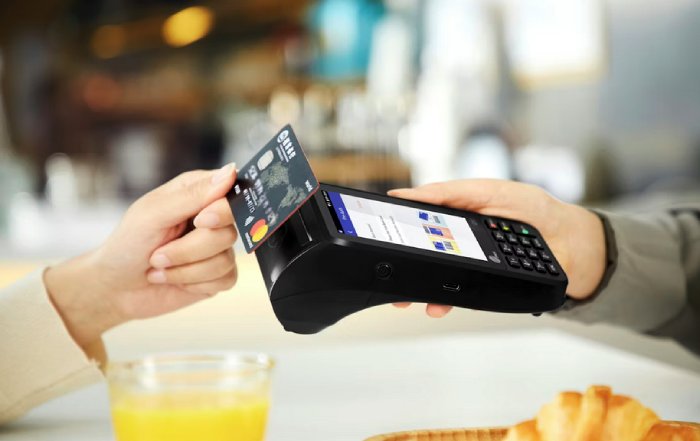
The most visible expression of digital financial access for consumers in 2026 is the omnipresent mobile wallet. In North America and much of Europe, platforms such as Apple Pay, Google Pay, and PayPal have become standard methods at point-of-sale terminals, in subscription models for fitness and wellness services, and in online marketplaces. In Asia, super-app ecosystems led by Alipay, WeChat Pay, Grab, and Paytm have extended far beyond payments, integrating transport, food delivery, entertainment, telehealth, and micro-investments into a single interface that embeds finance into daily life. For a deeper understanding of how mobile money is reshaping access in emerging markets, the GSMA continues to provide detailed analysis through its mobile money program.
These wallets have become the de facto gateway to broader financial inclusion because they drastically lower the entry threshold. A smallholder farmer in rural Kenya or Ghana can receive digital payments for produce, store funds securely, and pay for utilities or school fees without traveling to a distant bank branch. A gig worker in Brazil, Thailand, or Malaysia can receive same-day payouts from platforms into a wallet, smoothing cash flow and reducing dependence on high-cost informal lenders. As wallets integrate micro-savings features, buy-now-pay-later options, micro-insurance, and investment tools, they bridge the gap between simple transactional capability and more sophisticated financial planning. For FitPulseNews readers tracking how consumer behavior, brand strategies, and digital commerce intersect, these shifts are deeply connected to the coverage in the brands and technology verticals, where the ability to embed frictionless payments into user journeys increasingly determines which companies can build durable, trusted relationships with their audiences.
Real-Time Payments and the Gradual Retreat of Cash
Another pillar of expanded financial access is the global spread of real-time, low-cost payment systems. Infrastructure such as Unified Payments Interface (UPI) in India, PIX in Brazil, the Faster Payments System in the United Kingdom, and instant payment schemes across the euro area and Singapore have made it possible for individuals and small businesses to transfer funds instantly, often at negligible cost. The Bank for International Settlements has highlighted how these fast payment systems reduce frictions in domestic and cross-border transactions, thereby supporting inclusive growth and innovation; readers can explore this work through the BIS fast payments resources.
In many economies, the expansion of instant payments has coincided with a structural decline in cash usage, a trend accelerated by pandemic-era behavioral shifts and now reinforced by convenience, security, and data-driven services. While cash remains important in segments of Africa, Asia, and Latin America, countries such as Sweden, Norway, the Netherlands, and increasingly the United States and Australia are approaching cash-lite status in urban centers. This transition brings benefits in transparency and efficiency but also raises concerns about excluding those who remain reliant on cash, including older adults, migrants, unbanked households, and communities with limited connectivity. Central banks such as the Bank of England and the Federal Reserve have emphasized the need to preserve access to cash as a public good while promoting digital innovation. Learn more about the policy debate and the future of banknotes on the Bank of England notes and payments page. For FitPulseNews, which covers social equity and community resilience in its world and sustainability sections, these debates highlight how payment choices intersect with broader questions of inclusion and rights.
Digital Identity, KYC, and the Foundations of Trust
The promise of digital payments depends fundamentally on trusted digital identity and robust compliance frameworks. Historically, the lack of formal identification has been a major barrier to opening bank accounts or accessing credit, particularly in parts of Africa, South Asia, and informal economies worldwide. Digital identity systems, from India's Aadhaar ecosystem to the European Union's eIDAS framework and emerging digital ID schemes in countries such as Singapore and Canada, are changing this equation by enabling secure, low-cost, remote verification for millions of people. The OECD has documented how digital identity can expand access while raising new questions about privacy, governance, and interoperability; interested readers can review this work on the OECD digital identity policy page.
Know-your-customer and customer due diligence processes, once paper-heavy and slow, are increasingly being digitized and automated. Biometric verification, remote onboarding via smartphones, and AI-driven risk assessment tools are now standard across leading banks and fintech firms in markets from the United Kingdom and Germany to South Korea and Japan. These innovations have shortened onboarding times from weeks to minutes, while enhancing the ability to detect fraud and money laundering. Yet trust remains a fragile asset. Institutions must demonstrate not only regulatory compliance but also strong cybersecurity, transparent data practices, and clear communication about how personal information is used. For the FitPulseNews audience, which frequently navigates questions of data privacy in health apps, wearables, and wellness platforms, the parallels between financial data governance and health data governance are clear. The platform's health and wellness coverage regularly underscores that without trustworthy handling of sensitive information, even the most advanced digital services struggle to gain lasting adoption.
Fintech, Big Tech, and the Competitive Rewiring of Payments
The digital payments revolution is being propelled not only by banks and regulators but by a dynamic ecosystem of fintech innovators and large technology platforms. In 2026, companies such as Stripe, Adyen, Block (Square), Klarna, and Revolut provide modular infrastructure that allows startups and small and medium-sized enterprises in North America, Europe, and Asia-Pacific to accept payments, manage subscriptions, conduct KYC checks, and access working capital with minimal friction. Meanwhile, big technology firms in the United States and China have embedded payments into social networks, e-commerce marketplaces, streaming platforms, and even gaming environments, blurring the lines between financial services, entertainment, and everyday digital life. The International Monetary Fund continues to track the implications of fintech for financial inclusion, stability, and regulation; a global overview is available on the IMF fintech and financial inclusion page.
This evolving competitive landscape creates opportunities and tensions. On one hand, fintech innovation has significantly lowered barriers for entrepreneurs in countries such as Brazil, South Africa, Vietnam, and Mexico, enabling them to reach customers globally and to operate with sophisticated financial tools once reserved for large corporations. On the other hand, the growing market power of major platforms raises concerns about data concentration, systemic risk, and the potential for anticompetitive practices. Regulators in the European Union, the United Kingdom, Australia, and Singapore have responded with open banking and open finance frameworks that require incumbents to share data securely with licensed third parties, fostering competition while seeking to protect consumers. For business leaders and founders who rely on FitPulseNews for strategic insight, these developments are not theoretical. They directly affect payment costs, customer experience, cross-border expansion, and the ability to monetize innovation, themes that are explored frequently in the platform's innovation and business coverage.
🌍 Digital Payments & Financial Access 2026
Explore how digital payments are transforming financial inclusion worldwide
75%+
Global adults with financial accounts
Mobile-First
Driving inclusion in emerging markets
Real-Time
Instant payment systems globally
Infrastructure Evolution
Mobile connectivity, cloud computing, and data analytics converge with regulatory modernization to enable unprecedented financial access.
Mobile Wallets Dominance
From Apple Pay to Alipay, mobile wallets have become the primary gateway to financial services for billions worldwide.
Real-Time Payments
UPI, PIX, and Faster Payments systems enable instant, low-cost transfers, reducing friction and enabling inclusive growth.
Digital Identity
Systems like Aadhaar and eIDAS enable secure remote verification, breaking down barriers to financial access.
Crypto, Stablecoins, and the Maturing CBDC Debate
Cryptocurrencies, stablecoins, and central bank digital currencies remain central to the conversation about the future of payments, even as the speculative excesses of earlier crypto cycles have been tempered by regulatory scrutiny and market corrections. While highly volatile crypto assets have retreated from mainstream retail use, tokenization and blockchain infrastructure continue to influence how cross-border payments, settlement, and programmable money are conceptualized. Properly regulated stablecoins, pegged to major currencies and backed by high-quality reserves, are being explored as tools for low-cost, near-instant remittances and B2B transactions, particularly along high-volume corridors between North America, Europe, and Asia. The Financial Stability Board and the G20 have worked to define global standards for stablecoin arrangements, focusing on financial stability, consumer protection, and anti-money laundering safeguards; further details can be found in the FSB work on stablecoins.
At the same time, central banks from the European Central Bank and the Bank of Japan to the Monetary Authority of Singapore, the Bank of Canada, and the South African Reserve Bank are advancing research, pilots, and limited rollouts of CBDCs as digital complements to physical cash. These initiatives seek to preserve the public role in money issuance, enhance payment efficiency, and maintain monetary sovereignty in an era of private digital currencies. The Bank for International Settlements coordinates collaborative experiments through its Innovation Hub, which examines cross-border CBDC interoperability, privacy-preserving architectures, and programmable use cases; readers can follow these developments via the BIS Innovation Hub projects. For emerging economies across Africa, Southeast Asia, and Latin America, well-designed CBDCs could provide a secure, government-backed digital payment option that works offline and on low-end devices, potentially expanding financial access if accompanied by robust consumer education and inclusive distribution strategies.
Work, Income, and Well-Being in a Digitally Paid Economy
Digital payments are not only redrawing the financial map; they are reshaping how people work, earn, and experience economic security. In the United States, the United Kingdom, Canada, Australia, and much of Europe, the rise of the gig and creator economies has been enabled by platforms that rely on instant or near-instant digital payouts to workers, freelancers, and content creators. In Asia and Africa, cross-border freelancing, remote service delivery, and micro-entrepreneurship have become more feasible as global payment providers route funds across currencies and jurisdictions with increasing transparency and speed. The International Labour Organization has documented how digital labour platforms influence employment patterns, income volatility, and worker protections, offering nuanced insights into both opportunities and risks; these themes are explored further on the ILO digital labour platforms page.
For individuals and families, faster and more predictable access to earnings, government transfers, healthcare reimbursements, or insurance payouts can significantly reduce financial stress, which is closely linked to mental and physical health outcomes. In low- and middle-income countries from India and Bangladesh to Nigeria and Peru, digital disbursement of social benefits, climate-related support, and humanitarian aid has improved transparency and reduced leakage, ensuring that more resources reach intended recipients. For the FitPulseNews audience, which follows the interplay between economic conditions, nutrition, and lifestyle, these dynamics underscore that financial stability is a foundational determinant of wellness. The platform's nutrition and world sections frequently highlight how income predictability and access to safe payment channels influence the ability to afford healthy food, preventive care, and active living.
Security, Fraud, and the Ongoing Battle for Digital Trust
As digital payments have scaled, the threat landscape has expanded in sophistication and reach. Cybercriminals increasingly use phishing, social engineering, SIM swapping, and malware to target both individuals and institutions, often exploiting moments of vulnerability or low financial literacy. Payment providers, banks, and fintechs have responded by investing heavily in advanced authentication methods, tokenization, encryption, and behavioral analytics that monitor patterns in real time to detect anomalies and prevent fraud. The Federal Trade Commission in the United States and peer agencies in Europe, Asia, and other regions provide guidance on safe digital payment practices and emerging scams; those seeking practical advice can review the FTC tips on avoiding scams.
However, technology alone cannot fully secure the system. Effective consumer education, clear liability rules, accessible dispute resolution, and strong enforcement against bad actors are essential components of digital trust. Regulators such as the European Banking Authority and the Monetary Authority of Singapore have tightened requirements around strong customer authentication, incident reporting, and operational resilience for payment providers. At the global level, the World Economic Forum has advanced work on digital trust and cyber resilience in financial services, which can be explored through the WEF digital trust initiative. As payments become deeply embedded in sectors central to FitPulseNews coverage-such as sports streaming, fitness subscriptions, wellness apps, and cultural events-the user experience must combine robust security with minimal friction. Readers regularly encounter these themes in the platform's sports and culture reporting, where fan engagement and customer loyalty increasingly hinge on seamless, trustworthy digital interactions.
Sustainability, Inclusion, and the Environmental Footprint of Cash-Lite Societies
The environmental and social dimensions of digital payments are gaining prominence as organizations align with sustainability and ESG commitments. Replacing paper-based processes, physical cash logistics, and in-person branch operations with digital channels can reduce resource use and emissions, though the energy and hardware footprint of data centers, networks, and devices must be managed responsibly. The United Nations Environment Programme Finance Initiative has highlighted how digital finance can support sustainable consumption, green investment, and climate-aligned business models; readers can learn more through the UNEP sustainable finance hub. In Europe, North America, and Asia-Pacific, financial institutions are integrating environmental, social, and governance criteria into digital lending, robo-advisory, and impact investment platforms, enabling individuals and organizations to align their money with climate and social goals.
From a social sustainability perspective, the transformative potential of digital payments lies in their capacity to include marginalized groups: women entrepreneurs in South Asia, informal workers in African cities, refugees in Europe and the Middle East, smallholder farmers in Latin America, and young creators in North America and East Asia. The United Nations Capital Development Fund has documented successful models of inclusive digital economies in least developed countries, which can be explored through the UNCDF inclusive digital economies work. For the global FitPulseNews readership, which tracks sustainability, employment, and innovation trends across regions, these stories highlight that payment infrastructure is not neutral. It can either reinforce existing inequalities or open new pathways to opportunity, depending on how it is designed, governed, and regulated, a reality reflected in the platform's dedicated sustainability and jobs sections.
Regional Dynamics: Diverse Paths to a Digital Money Future
The trajectory of digital payments in 2026 varies significantly by region, shaped by legacy systems, regulatory choices, cultural preferences, and levels of trust in public and private institutions. In North America and Western Europe, the focus has shifted from basic digitization to interoperability, cross-border efficiency, and integration with AI-driven analytics and personalization. The Nordic countries, the Netherlands, and increasingly Germany and the United Kingdom are approaching a point where cash is used only in niche contexts, prompting policy debates about resilience, privacy, and the rights of citizens who may still depend on physical currency. The European Commission provides insight into these evolving frameworks through its payments services and PSD2 page.
In Asia, diversity is the defining feature. China operates a highly integrated digital payment ecosystem dominated by Alipay and WeChat Pay, while Singapore, Malaysia, Thailand, and Indonesia are advancing cross-border QR payment linkages that allow tourists and small merchants to transact seamlessly across currencies. Japan, long cash-centric, has accelerated digital adoption in the face of demographic change, labor shortages, and the growth of inbound tourism. South Korea and Singapore are at the forefront of experimenting with CBDCs, programmable money, and cross-border settlements. In Africa, mobile money remains a powerful inclusion engine in countries such as Kenya, Tanzania, Ghana, and Côte d'Ivoire, while pan-African initiatives are working to harmonize payment systems in support of the African Continental Free Trade Area. Latin America, led by Brazil's PIX, Mexico's SPEI, and emerging initiatives in Colombia and Chile, has demonstrated how public digital infrastructure can catalyze private-sector innovation and broaden financial access. These regional dynamics are closely watched by investors, policymakers, and entrepreneurs who rely on platforms like FitPulseNews and its news hub for cross-cutting analysis that connects financial innovation with global economic, cultural, and health trends.
What the Digital Payments Shift Means for the FitPulseNews Community in 2026
For the diverse community that turns to FitPulseNews-from health and fitness professionals and sports organizations to technology leaders, brand strategists, policymakers, and sustainability advocates-the expansion of digital payments in 2026 is woven into daily reality. In the fitness and wellness sector, subscription-based training, hybrid gym memberships, virtual coaching, and connected hardware all rely on frictionless recurring billing and global payment acceptance, enabling individual coaches in the United States or the United Kingdom to serve clients in Singapore, Brazil, or South Africa. The platform's fitness and wellness sections increasingly feature stories where commercial viability hinges on the ability to integrate secure, user-friendly payment flows into health-focused digital experiences.
In sports, from community clubs in Germany, Italy, and South Africa to professional leagues in the United States, the United Kingdom, and Japan, digital ticketing, merchandise sales, and fan engagement platforms depend on robust payment rails that can handle surges in demand, cross-border fans, and new monetization models such as microtransactions and digital collectibles. In business, whether a mid-sized manufacturer in Canada, a health-tech startup in Singapore, or a sustainable food brand in France, access to modern payment solutions shapes competitiveness, resilience, and the capacity to scale. Across these contexts, digital payments intersect with environmental considerations, as organizations seek to minimize their carbon footprints and align with ESG goals, topics that FitPulseNews follows closely in its environment and innovation coverage.
Looking ahead, the central question is no longer whether digital payments will continue to expand-they will-but how this expansion can be guided to maximize inclusion, security, and well-being. Governments, central banks, fintech firms, big technology companies, civil society organizations, and global standard-setters will need to collaborate on frameworks that protect consumers, foster fair competition, and ensure that rural communities, older adults, low-income households, and small enterprises are not left behind as cash usage declines. For individuals, cultivating digital literacy, understanding privacy and security basics, and building sound financial habits will be as essential as maintaining physical fitness and mental resilience. For organizations, investing in secure, transparent, and user-centric payment experiences will increasingly differentiate those who earn long-term trust from those who struggle to retain customers in a borderless, data-driven marketplace.
In 2026, digital payments sit at the intersection of technology, economics, culture, and human experience. They enable a freelance trainer in Spain to coach clients in New Zealand, a wellness brand in France to source sustainable ingredients from Brazil, a health startup in Singapore to support patients in the United States, and a social enterprise in South Africa to receive contributions from supporters around the world. As FitPulseNews continues to chronicle the evolving landscape of health, fitness, business, sports, technology, culture, and sustainability, the story of digital payments remains a foundational thread, illustrating how access to modern financial tools can unlock human potential, reduce vulnerability, and support more inclusive and resilient societies. Readers seeking to follow this ongoing transformation can explore the broader context across the FitPulseNews homepage at fitpulsenews.com, where financial innovation is consistently linked to the pursuit of healthier lives, stronger communities, and more sustainable futures.