
Personalized Coaching and Smart Meal Planning: How Home Fitness Became the New Global Standard
Home Fitness Moves From Alternative to Anchor
Home fitness has matured into a core pillar of the global wellness economy rather than a fallback for those unable or unwilling to attend a gym. What began as a pandemic-driven workaround has evolved into a sophisticated ecosystem in which artificial intelligence, advanced wearables, sports science, and precision nutrition are tightly integrated into everyday life. For the global audience of fitpulsenews.com, spanning North America, Europe, Asia-Pacific, Africa, and South America, this shift is both a lifestyle transformation and a rapidly expanding business frontier.
Industry forecasts have continued to validate the trajectory first identified in the mid-2020s, with the home fitness sector still on track to surpass the previously projected $35 billion global market size by 2028, driven by subscription-based digital coaching, connected equipment, and intelligent meal planning solutions. As more individuals in the United States, United Kingdom, Germany, Canada, Australia, and increasingly in markets such as Singapore, Brazil, South Africa, and the broader Asian and European regions adopt hybrid models of training, the line between "home" and "gym" has blurred. The new benchmark is not where someone trains, but how precisely their training and nutrition are tailored to their physiology, preferences, schedule, and long-term health objectives.
This new standard is built on four pillars that are central to the editorial lens of Fit Pulse News: experience, expertise, authoritativeness, and trustworthiness. Readers are no longer satisfied with generic workout plans or one-size-fits-all diet advice; they expect programs grounded in validated science, guided by qualified professionals, and deployed through technology that respects data privacy while delivering measurable outcomes. Those expectations are reshaping not only personal routines but also the strategies of global brands, employers, health systems, and technology companies that now compete within this converging wellness landscape.
AI-Driven Coaching Becomes the Default, Not the Exception
The modern home training environment is defined by intelligent personalization. Leading platforms such as Future, Tonal, and Trainerize have continued to refine their machine learning engines, ingesting vast amounts of data from wearables, user feedback, and performance outcomes to deliver training plans that adapt in real time. Instead of static programs, individuals now follow living training blueprints that evolve with their bodies and lifestyles.
Wearable ecosystems from Apple, Garmin, Whoop, and others are central to this shift, tracking heart rate variability, sleep stages, training load, recovery scores, and daily movement patterns. These metrics feed directly into coaching platforms that can automatically adjust intensity, volume, and exercise selection based on recovery status or early signs of overtraining. Readers interested in the underlying technologies and sensor innovations that enable these capabilities can explore more coverage on the technology section of Fit Pulse News.
For users across regions as diverse as Japan, the Netherlands, the United States, and the United Arab Emirates, this data-driven approach has fundamentally changed expectations of what "personal training" means. Instead of a trainer guessing whether to push harder or scale back, algorithms surface evidence-based recommendations that human experts can then interpret and refine. This human-AI synergy has proven particularly valuable for individuals managing chronic conditions, high-stress professions, or demanding travel schedules, where nuanced adjustments can be the difference between sustainable progress and burnout.
Virtual Coaching Preserves Human Connection at Scale
Despite the rapid advancement of AI, human expertise has not been displaced; it has been amplified. Virtual one-on-one coaching, delivered via secure video platforms, is now a mainstream option for clients from London to Los Angeles and from Singapore to Stockholm. Services such as My Online Coach and Kickoff have built subscription models that connect users with dedicated trainers who understand their goals, constraints, and motivations over months or years, rather than in sporadic in-person sessions.
These remote trainers provide real-time feedback on form, offer injury-prevention strategies, and help clients navigate life events that disrupt routines, such as career transitions, parenthood, or relocation. The cost is often significantly lower than traditional in-person personal training, while the accountability and personalization remain intact. For performance-focused readers following developments in elite and amateur sport, the sports coverage on Fit Pulse News regularly highlights how athletes and teams are integrating virtual coaching into off-season and travel programs.
This model has proven particularly effective in markets with long commutes or high urban density, such as New York, London, Tokyo, and Seoul, where saving time is as important as saving money. It also offers new career paths for fitness professionals in Europe, North America, Asia, and Africa who can now build international client bases without geographic constraints, provided they can demonstrate credible qualifications and results.
Precision Nutrition Becomes the Twin Engine of Performance
The most successful home fitness programs in 2026 do not treat training and nutrition as separate domains; they function as a unified system. The rise of personalized meal planning has paralleled that of intelligent coaching, with companies such as NutriSense and InsideTracker using continuous glucose monitoring, blood biomarker analysis, and algorithmic diet assessment to craft individualized nutrition strategies.
Continuous glucose monitoring, once confined to diabetes management, is now used by health-conscious consumers and athletes to understand how specific foods affect energy, mood, and recovery. Platforms that integrate CGM data with training load can recommend not only what to eat, but when, to support glycogen replenishment, hormonal balance, and sleep quality. Readers seeking a deeper dive into the intersection of metabolic health and exercise performance can find ongoing analysis in the health section of Fit Pulse News.
Beyond glucose, advanced services incorporate lipid profiles, inflammation markers, and micronutrient status to tailor meal plans and supplementation. This has proven particularly valuable for populations with unique dietary patterns, such as Mediterranean diets in Italy and Spain, plant-forward cuisines in India and Thailand, and high-protein preferences in the United States and Australia. The result is a global but locally sensitive approach to performance nutrition, where personalization respects both scientific evidence and cultural context.
The Evolution of Home Fitness
From Pandemic Workaround to Global Wellness Standard
AI-Generated Meal Planning Integrates with Everyday Life
AI-powered meal planning platforms such as Eat This Much and Lumen have continued to evolve from simple calorie calculators into comprehensive lifestyle tools. These systems generate weekly menus aligned with training intensity, body composition goals, and health markers, while also factoring in budget, cooking skills, and regional ingredient availability. In many urban markets across Europe, North America, and Asia-Pacific, they connect directly to grocery delivery services, allowing users to move from plan to pantry in a few clicks.
The best-performing platforms recognize that adherence depends on enjoyment and practicality as much as on macronutrient ratios. They incorporate traditional dishes from France, Mexico, Malaysia, or South Africa, adapt them to individual health goals, and automatically track nutrient intake. This approach has made it easier for individuals to maintain consistent, goal-oriented eating habits even when balancing demanding careers and family responsibilities. For readers who want to align their training with evidence-based nutrition, Fit Pulse News maintains dedicated coverage on nutrition and wellness trends from around the world.
Business Models Evolve Around Hybrid Wellness Ecosystems
From a business perspective, the convergence of personalized coaching and smart meal planning has created a rich landscape for innovation and investment. Digital-first fitness brands, sports nutrition companies, and wellness entrepreneurs are building ecosystems that bundle training, nutrition, recovery, and education into integrated subscriptions.
Major technology players such as Apple have expanded Apple Fitness+ into a broader wellness hub, combining workout libraries, mindfulness sessions, and nutrition guidance with seamless integration into the Apple Watch and Health app. Connected equipment manufacturers and digital platforms are experimenting with tiered pricing, corporate licensing, and regional partnerships to reach audiences across the United States, Europe, Asia, and beyond. Business readers can follow these developments, including funding rounds, mergers, and strategic alliances, through the business section of Fit Pulse News.
For brands, the strategic advantage lies in retention and lifetime value. Personalized programs generate richer data and deeper engagement than generic content libraries, enabling more accurate product recommendations, targeted upselling into premium coaching, and cross-selling of supplements, apparel, or recovery tools. At the same time, brands must navigate heightened scrutiny around health claims and data usage, particularly in tightly regulated markets such as the European Union and Canada.
Corporate Wellness and the Future of Work
Corporate wellness has emerged as a powerful growth engine for personalized home fitness. Employers across sectors-from financial services in New York and London to technology firms in Berlin, Singapore, and Sydney-have recognized that remote and hybrid work models require new approaches to employee health. Programs that combine remote coaching, individualized nutrition guidance, and mental health support are increasingly included in benefits packages.
Platforms such as Gympass and WellSteps integrate with personalized coaching and nutrition services to provide employees with a single access point for physical activity, stress management, and dietary support. Companies that adopt these solutions report not only reductions in absenteeism and healthcare costs, but also improvements in engagement and retention, particularly among younger workers who prioritize holistic well-being when evaluating employers. Readers tracking the intersection of jobs, workplace culture, and wellness can explore related reporting in the jobs and culture sections of Fit Pulse News.
In markets such as Germany, the Nordics, and Canada, where public health systems and labor regulations already emphasize preventive care, corporate wellness programs are increasingly aligned with national health strategies. In emerging economies across Asia, Africa, and South America, multinational employers are often the first to introduce structured wellness benefits, creating new demand for localized digital coaching and nutrition solutions.
Behavioral Science and the Psychology of Adherence
Technology and nutrition science alone do not guarantee long-term change; behavioral design has become a critical differentiator in 2026. Platforms now embed evidence-based habit formation techniques to help users in the United States, Brazil, India, and beyond maintain consistency despite fluctuating motivation and external pressures.
Drawing on research from organizations such as the American Council on Exercise and academic institutions worldwide, leading apps use micro-goals, streak tracking, and personalized feedback loops to sustain engagement. Programs like Noom and Fitbod have demonstrated that when users receive timely nudges, contextual education, and realistic milestones, adherence rates can increase dramatically compared with traditional programs. Fit Pulse News regularly examines these psychological and cultural dynamics within its culture and wellness coverage, highlighting how different societies approach motivation, body image, and health behavior.
Habit loops built around cues, routines, and rewards are now carefully engineered into both training and nutrition experiences. Morning notifications, pre-scheduled workouts, and immediate progress summaries reinforce exercise behaviors, while pre-planned grocery lists, simple recipes, and noticeable improvements in energy and sleep reinforce dietary changes. Over time, these loops shift users from relying on external motivation-such as challenges or social pressure-to internalized identity-based habits, where being "the kind of person who trains and eats well" becomes part of their self-concept.
Athletes and High Performers Validate Remote Personalization
The adoption of personalized home-based training is not limited to recreational users. Professional and elite athletes across sports have embraced remote coaching and data-driven nutrition to manage travel, off-season conditioning, and rehabilitation. Tennis star Naomi Osaka, among others, has publicly referenced the use of remote strength coaching and performance nutrition tools to maintain form when separated from her primary team, reflecting a broader trend in global sport.
Platforms like Peloton, through programs such as its Move+ initiative, and lifestyle ecosystems like Centr by Chris Hemsworth, have positioned themselves as comprehensive solutions that combine strength training, conditioning, mindfulness, and tailored meal planning. Internal performance data from such ecosystems consistently show that users who engage with both training and nutrition components achieve faster and more sustainable body composition and performance improvements than those who focus on workouts alone.
These examples resonate strongly with Fit Pulse News readers who follow high-performance sport and seek to adapt elite methods to everyday life. Coverage in the fitness and sports sections frequently explores how training methodologies from professional teams in leagues such as the NBA, Premier League, and Bundesliga are influencing consumer products and services.
Extended Reality and Immersive Training Environments
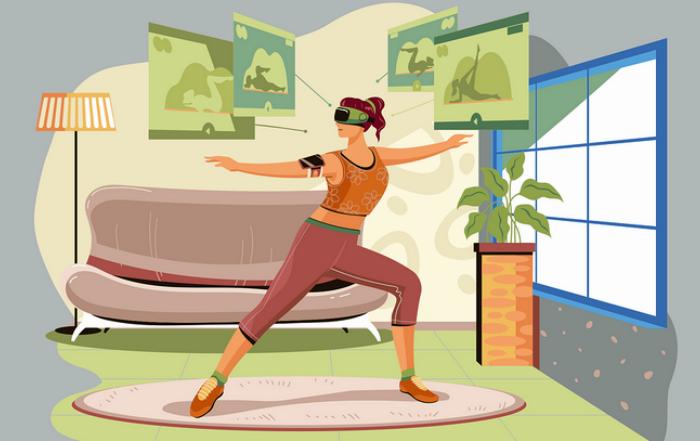
Looking beyond screens and wearables, extended reality (XR) has become an important tool for engagement and adherence. Companies such as Les Mills and Zwift continue to refine virtual environments that allow users to cycle through digital versions of European mountain passes, join group classes in immersive studio replicas, or compete in real-time events with participants from Asia, North America, and Africa.
When combined with personalized coaching and adaptive programming, these environments reduce the monotony often associated with home workouts. They also foster a sense of community that transcends geography, enabling users in rural Canada, suburban Germany, or urban China to train alongside peers from around the world. For technology-focused readers, Fit Pulse News provides ongoing analysis of how XR, computer vision, and motion tracking are reshaping training experiences in its technology and innovation sections.
Data Privacy, Ethics, and Equity in a Connected Era
As personalized fitness becomes more deeply entwined with health data, ethical and regulatory questions have moved to the forefront. Platforms now collect sensitive information ranging from biometric data and genetic markers to mental health indicators. Compliance with frameworks such as GDPR in Europe and HIPAA in the United States is no longer a back-office concern; it is a core component of brand trust and competitive positioning.
Organizations that handle this data responsibly, with transparent policies, strong encryption, and clear user controls, are better positioned to win long-term loyalty in markets like Switzerland, the Netherlands, and the Nordic countries, where privacy expectations are especially high. At the same time, global regulators are scrutinizing how algorithms make recommendations, raising questions about bias, explainability, and the potential medicalization of consumer wellness apps. Readers following global policy and regulatory developments can find context and updates in the world and news sections of Fit Pulse News.
Equity and accessibility present another critical challenge. While high-income consumers in the United States, United Kingdom, and Australia can often afford premium subscriptions and connected equipment, users in parts of Africa, South America, and Southeast Asia may face cost and infrastructure barriers. To address this, some companies have developed low-bandwidth app versions, SMS-based coaching, or partnerships with employers and insurers to subsidize access. Non-profit initiatives and public-private partnerships are also emerging to bring digital wellness tools to underserved communities.
Sustainability and the Next Phase of Integrated Wellness
As climate concerns intensify, sustainability has become a differentiator in the personalized fitness and nutrition market. Consumers in Europe, Canada, and increasingly Asia-Pacific are seeking solutions that not only support their health but also minimize environmental impact. This has driven interest in plant-forward meal plans, locally sourced ingredients, and reduced packaging in meal delivery services. Learn more about sustainable business practices and their intersection with wellness through Fit Pulse News coverage on sustainability and environment.
On the training side, home fitness can reduce commuting emissions and energy use associated with large gym facilities, though the proliferation of connected devices raises questions about electronic waste and lifecycle management. Brands that design durable hardware, support repair and refurbishment, and implement recycling programs are increasingly favored by environmentally conscious consumers in markets such as Germany, the Nordics, and New Zealand.
Looking ahead to 2030, analysts expect that personalized coaching and meal planning will be embedded into broader, integrated wellness ecosystems that also encompass mental health support, sleep optimization, and preventive healthcare. Centralized dashboards will aggregate data from wearables, lab tests, and lifestyle apps into unified health profiles that individuals can share selectively with healthcare providers, coaches, or insurers. For innovation-focused readers, Fit Pulse News continues to track these converging trends across its innovation and business verticals.
A New Baseline for Global Fitness and Wellness
By 2026, the message from consumers, professionals, and markets is clear: personalization is no longer a premium add-on; it is the baseline expectation for credible fitness and nutrition offerings. Home fitness is now defined less by location and more by the integration of science, technology, and human expertise into an experience that is adaptive, measurable, and sustainable.
For individuals across continents, this means the ability to follow professionally guided, data-informed programs without sacrificing flexibility or privacy. For businesses, it represents a dynamic, competitive arena where differentiation hinges on delivering trustworthy results, protecting user data, and innovating responsibly. For policymakers and public health stakeholders, it offers both an opportunity to scale preventive health interventions and a responsibility to ensure that access and protections keep pace with innovation.
As this landscape continues to evolve, Fit Pulse News remains committed to providing rigorous, globally informed coverage across health, fitness, business, sports, technology, environment, and culture. Readers can continue to follow the latest developments, case studies, and strategic insights on fitpulsenews.com, with dedicated reporting in sections such as fitness, health, business, technology, and world, as personalized coaching and smart meal planning redefine what it means to live, work, and perform well in a connected world.