

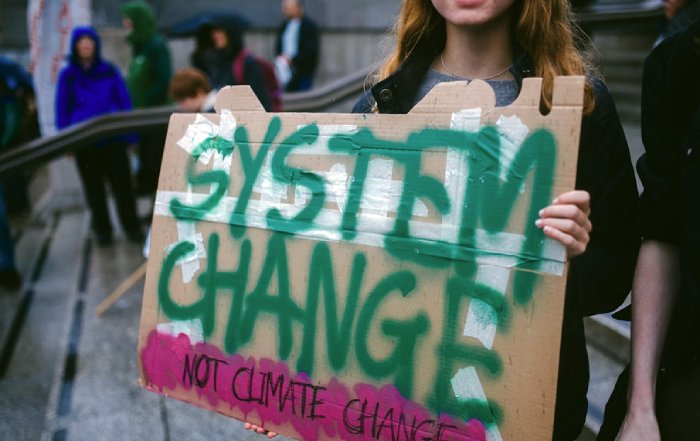
Public Awareness Movements Driving Environmental Change
A New Phase of Environmental Consciousness
Public awareness movements have entered a more mature and strategically influential phase, in which environmental concerns are no longer treated as optional add-ons to policy or business decisions but as core determinants of economic resilience, public health, and social stability. Across North America, Europe, Asia, Africa, and South America, climate and sustainability activism has evolved into a dense network of campaigns, coalitions, and data-driven initiatives that exert continuous pressure on governments, investors, and corporations to align their actions with scientific evidence and societal expectations. For FitPulseNews, whose global readership spans health, fitness, business, sports, technology, and sustainability, these movements are not simply stories about protest or advocacy; they are structural forces that shape how leaders design strategies, how employees choose employers, how athletes and brands define performance, and how individuals connect their personal wellbeing to planetary health.
The shift from episodic climate concern to sustained environmental engagement has been accelerated by increasingly visible climate impacts, from record-breaking heatwaves in Southern Europe and North America to severe flooding in Asia and Africa and prolonged droughts in regions such as the Western United States and parts of Australia. These events, documented by institutions such as NASA and the World Meteorological Organization, have reinforced the reality that environmental risk is now a pervasive business, health, and geopolitical risk. Readers who follow the world and news coverage on FitPulseNews see how environmental disruptions are intertwined with supply chain volatility, food security concerns, migration patterns, and healthcare system pressures.
From Protest to Systemic Influence
The journey from early climate marches to the complex ecosystem of 2026 illustrates how public pressure has moved from symbolic protest to systemic influence. Movements such as Fridays for Future, Extinction Rebellion, and regional youth coalitions in the United States, United Kingdom, Germany, India, Brazil, and South Africa helped catalyze a generational shift by reframing climate change as an immediate, lived reality. Their campaigns elevated the work of the Intergovernmental Panel on Climate Change (IPCC), transforming dense scientific assessments into narratives that resonated with students, workers, executives, and policymakers. Those who wish to explore this scientific foundation in greater depth can turn to the IPCC's assessment reports, which continue to guide national and corporate climate strategies.
Over time, these movements have become more sophisticated in their methods, combining street demonstrations with shareholder resolutions, legal challenges, and targeted campaigns against high-impact sectors such as fossil fuels, aviation, fast fashion, and ultra-processed foods. Investigative journalism and open data initiatives have supported this evolution by making environmental externalities more visible. Platforms such as Our World in Data and the International Energy Agency provide accessible visualizations of emissions, energy trends, and policy scenarios, enabling activists, investors, and executives to ground their arguments in shared evidence. This has helped shift discussions from abstract moral debates to concrete conversations about risk management, capital allocation, and long-term competitiveness, a transition that aligns closely with the analytical mindset of FitPulseNews readers in business and innovation.
Health, Wellness, and the Environmental Imperative
One of the most consequential developments of the last decade has been the integration of environmental issues into mainstream health and wellness discourse. Air pollution, extreme heat, water contamination, and ecosystem degradation are now widely recognized as direct threats to physical and mental health, rather than distant ecological concerns. The World Health Organization (WHO) continues to emphasize that climate change is the single greatest health threat facing humanity, with consequences ranging from cardiovascular and respiratory disease to heat-related mortality, vector-borne illnesses, and mental health stressors. Readers can explore these links through the WHO's climate and health resources on who.int.
Public awareness campaigns in cities from Los Angeles and New York to London, Berlin, Mumbai, Beijing, and Johannesburg have increasingly focused on the health impacts of air quality, noise pollution, and lack of green space, placing environmental quality at the heart of urban wellbeing strategies. In response, municipal governments have expanded low-emission zones, invested in tree planting, and promoted active mobility, often under sustained pressure from informed residents and health professionals. The Lancet Countdown on Health and Climate Change and the Centers for Disease Control and Prevention's climate and health program provide data and guidance that help translate these global trends into practical action for city planners, hospital systems, and employers.
For FitPulseNews, which regularly explores the intersection of health and wellness, this convergence means that environmental topics are now inseparable from coverage of fitness routines, corporate wellness programs, and mental health strategies. Readers increasingly expect that discussions of performance, recovery, and resilience will address not only training and nutrition but also air quality, thermal comfort, and access to restorative natural environments.
Corporate Strategy, Brand Trust, and the Sustainability Mandate
By 2026, environmental awareness has become a defining factor in corporate strategy and brand trust across sectors and regions. Large investors and financial regulators have embedded climate risk into their frameworks, influenced by guidance from the Task Force on Climate-related Financial Disclosures (TCFD) and evolving standards such as the International Sustainability Standards Board (ISSB) climate disclosure rules. The World Economic Forum has consistently highlighted climate and nature-related risks in its global risk reports, underscoring the financial implications of inaction for businesses in Europe, North America, Asia, and beyond; executives can review these insights at weforum.org.
Public awareness movements have played a pivotal role in pushing companies beyond generic sustainability statements toward verifiable targets and transparent reporting. Terms such as "greenwashing" and "climate-washing" are now part of everyday business vocabulary, and stakeholders are quick to challenge claims that are not backed by data. Organizations such as CDP and the Science Based Targets initiative (SBTi) assess whether corporate climate commitments align with scientific pathways, while the UN Global Compact provides frameworks for integrating environmental and social goals into corporate strategy. Learn more about corporate sustainability and responsible business practices via resources from the UN Global Compact.
For the FitPulseNews community, particularly readers following brands and business, this scrutiny is highly relevant. Athleisure companies, sports franchises, technology firms, food and beverage manufacturers, and wellness platforms are all expected to demonstrate how their products and operations contribute to climate mitigation, biodiversity protection, and healthier lifestyles. Supply chain transparency, low-carbon logistics, circular design, and responsible marketing around health and sustainability have become central to brand competitiveness in markets from the United States and Canada to Germany, the United Kingdom, Australia, Japan, and Singapore.
Digital Technologies and the Data Backbone of Movements
Environmental movements in 2026 are deeply intertwined with digital technologies that enable real-time monitoring, global coordination, and evidence-based advocacy. Satellite imagery, machine learning, and distributed sensor networks allow researchers, journalists, and citizens to detect deforestation, methane leaks, illegal mining, and air quality violations with unprecedented speed and precision. Initiatives such as Global Forest Watch combine satellite data with advanced analytics to track changes in forest cover worldwide, while the European Environment Agency provides comprehensive data on air, water, and climate indicators across Europe.
For public awareness movements, these tools are invaluable in substantiating claims, countering misinformation, and holding institutions accountable. Social media platforms and encrypted messaging apps continue to serve as organizing tools, but their role has expanded to include the dissemination of verified datasets, interactive maps, and explainers that help broader audiences understand the implications of environmental trends. At the same time, concerns about disinformation and the misuse of AI-generated content have led to new norms around source verification, expert review, and transparency. Readers interested in the intersection of environmental monitoring, AI, and digital innovation will find ongoing analysis in the technology and innovation sections of FitPulseNews, where the focus is increasingly on how data infrastructure underpins both corporate ESG strategies and grassroots campaigns.
🌍 Environmental Movements 2026
Sports, Culture, and Everyday Influence
Sport and culture have emerged as particularly powerful conduits for environmental messaging, translating abstract climate concepts into relatable stories and behaviors. Major events such as the Olympics, World Cup tournaments, and continental championships in football, rugby, and athletics are now routinely evaluated not only on performance and entertainment metrics but also on their environmental footprint, including energy use, transport, waste, and food sourcing. Governing bodies and leading clubs in Europe, North America, and Asia face growing expectations from fans, sponsors, and local communities to demonstrate credible sustainability plans.
Coverage in the sports section of FitPulseNews increasingly examines how athletes and teams are integrating climate awareness into their public platforms, from endorsing low-carbon travel and sustainable apparel to supporting conservation projects and climate education initiatives. Organizations such as The Ocean Race, Formula E, and progressive football clubs across the United Kingdom, Germany, and Scandinavia are frequently cited as examples of how sport can model climate-conscious operations.
Cultural institutions, filmmakers, musicians, and digital creators also play a vital role in embedding environmental narratives in popular consciousness. Documentaries and long-form reporting from outlets such as National Geographic and the BBC's climate and environment coverage have brought issues like biodiversity loss, ocean acidification, and climate justice to mass audiences. Meanwhile, local cultural movements in regions from the Amazon basin and Southern Africa to Southeast Asia and the Arctic have highlighted Indigenous knowledge systems and community-based stewardship models, reinforcing the idea that environmental responsibility is both globally urgent and locally specific.
Green Jobs, Skills, and the Workforce Transition
Public awareness movements have also contributed to a major reorientation of labor markets and career aspirations. As governments and businesses adopt net-zero and nature-positive strategies, demand for green skills has surged in sectors such as renewable energy, sustainable finance, regenerative agriculture, circular manufacturing, and environmental data analytics. The International Renewable Energy Agency (IRENA) and the International Labour Organization (ILO) have documented the rapid growth of employment in clean energy industries and related value chains, with millions of jobs emerging across regions including the United States, Germany, China, India, Brazil, and the Gulf states. Readers can explore this global green jobs outlook through IRENA's analysis on irena.org and ILO's just transition resources on ilo.org.
At the same time, public awareness movements have intensified calls for a "just transition," ensuring that workers and communities dependent on high-carbon industries are not left behind. This has led to new policy frameworks that combine climate ambition with social protection, reskilling programs, and regional development strategies. For professionals and job seekers following jobs coverage on FitPulseNews, this shift translates into expanding career pathways in sustainability-related fields, as well as rising expectations that employers demonstrate credible environmental and social commitments. Talent markets in the United States, Canada, the United Kingdom, Germany, the Netherlands, Singapore, and Australia increasingly reward organizations that can show measurable progress on emissions reduction, resource efficiency, and community engagement.
Nutrition, Fitness, and Sustainable Lifestyles
The growing alignment between environmental awareness and personal lifestyle choices is particularly visible in nutrition and fitness. Scientific consensus on the environmental impact of different dietary patterns-especially the resource intensity and emissions profile of high meat and dairy consumption-has become more widely understood by consumers and policymakers. The EAT-Lancet Commission and the Food and Agriculture Organization (FAO) have helped define the parameters of sustainable, health-promoting diets, emphasizing plant-forward eating, reduced food waste, and more efficient use of land and water. Readers who wish to explore these insights further can consult the FAO's food systems resources at fao.org.
Public awareness campaigns in Europe, North America, and parts of Asia-Pacific have encouraged individuals to consider not only the nutritional content of their food but also its environmental footprint, origin, and production methods. This has propelled demand for plant-based proteins, regenerative agriculture products, and transparent labeling, while also prompting critical scrutiny of ultra-processed foods that claim sustainability credentials without robust evidence. Within the nutrition and fitness sections of FitPulseNews, these trends are increasingly framed as part of an integrated lifestyle approach in which dietary choices, physical activity, and environmental responsibility reinforce one another.
Similarly, the promotion of active mobility-walking, cycling, and micromobility-has gained traction as a way to simultaneously reduce emissions, improve cardiovascular health, and enhance urban livability. Cities such as Copenhagen, Amsterdam, Paris, Seoul, and Melbourne have become reference points for integrated mobility and green infrastructure strategies, often supported by networks like the C40 Cities Climate Leadership Group and the World Resources Institute's Ross Center for Sustainable Cities. These examples demonstrate how public awareness, when combined with thoughtful policy and design, can transform urban environments into platforms for both health and sustainability.
Policy, Regulation, and Global Coordination
Although public awareness movements often begin outside formal institutions, their long-term impact is most visible in policy and regulation. The Paris Agreement remains the central framework for international climate cooperation, and the iterative process of national climate pledges has been shaped by domestic political debates in which civil society, youth activists, health professionals, and business coalitions all play a role. The UN Framework Convention on Climate Change (UNFCCC) continues to host annual climate conferences where governments negotiate implementation details, finance mechanisms, and adaptation strategies; those interested in tracking these developments can visit unfccc.int.
In parallel, the European Union, the United States, the United Kingdom, Canada, Japan, and other jurisdictions have advanced regulatory measures that embed climate and environmental risk into financial supervision, corporate disclosure, and product standards. Carbon pricing schemes, green taxonomy frameworks, and mandatory climate reporting requirements have moved from niche policy concepts to mainstream regulatory tools. International financial institutions such as the World Bank and the International Monetary Fund (IMF) now routinely analyze climate risk as a macroeconomic variable, highlighting the fiscal implications of extreme weather, biodiversity loss, and delayed transition. Those seeking to learn more about sustainable development and environmental policy can access the World Bank's climate portal at worldbank.org.
For FitPulseNews readers in business, finance, and leadership roles, the message is clear: public awareness movements are not external noise but key drivers of regulatory trajectories that will shape markets, capital flows, and competitive dynamics across industries and regions.
Environmental Justice and Inclusive Sustainability
A defining feature of environmental movements in 2026 is the centrality of justice, equity, and inclusion. Communities in the United States, South Africa, India, Brazil, small island developing states, and many other regions have emphasized that those who contribute least to global emissions often bear the greatest burden of climate impacts and environmental degradation. Activists, researchers, and community leaders have reframed environmental protection as a question of human rights, economic opportunity, and cultural survival.
Organizations such as Amnesty International, Human Rights Watch, and the UN Human Rights Office increasingly address climate and environmental issues in their mandates, documenting how pollution, land grabs, and climate-induced displacement intersect with existing inequalities. For readers of FitPulseNews, the environment and culture sections often highlight how environmental challenges and solutions differ across contexts, from urban heat islands in low-income neighborhoods in U.S. cities to water stress in rural communities in Africa or Asia, and from Indigenous land rights in the Amazon to coastal resilience in Southeast Asia and the Pacific.
Public awareness movements have pushed institutions to incorporate equity metrics into climate plans, to engage affected communities in decision-making, and to design adaptation strategies that prioritize those most at risk. This justice-oriented lens aligns closely with broader conversations about diversity, equity, and inclusion in workplaces and public life, reinforcing the idea that sustainable progress must be both environmentally sound and socially fair.
The Role of Media and the FitPulseNews Perspective
In an era of information overload and polarized debate, media platforms play a crucial role in providing trustworthy, context-rich coverage of environmental change. For FitPulseNews, which operates at the intersection of health, fitness, business, sports, technology, and sustainability, environmental reporting is not a standalone beat but a cross-cutting theme that runs through coverage on business, health, sports, technology, and sustainability. This integrated approach reflects the lived reality of readers in the United States, United Kingdom, Germany, Canada, Australia, France, Italy, Spain, the Netherlands, Switzerland, China, Sweden, Norway, Singapore, Denmark, South Korea, Japan, Thailand, Finland, South Africa, Brazil, Malaysia, New Zealand, and across the wider regions of Europe, Asia, Africa, and the Americas, who experience environmental change not as an isolated topic but as a backdrop to their careers, training, investments, and daily routines.
To maintain credibility and authority, FitPulseNews consistently draws on primary sources from organizations such as the IPCC, WHO, UNEP, World Bank, and leading academic institutions. Resources like NASA's climate portal and the United Nations Environment Programme provide data, visualizations, and policy analysis that help readers distinguish between evidence-based insights and speculative claims. By curating and contextualizing this information for a business- and performance-oriented audience, the platform supports informed decision-making, whether readers are designing corporate sustainability strategies, planning athletic seasons in a warming climate, or rethinking their nutrition and wellness routines in light of environmental constraints.
From Awareness to Measurable Impact
As 2026 unfolds, public awareness movements have clearly succeeded in placing environmental issues at the heart of global discourse. The central challenge now is to ensure that this awareness translates into sustained, measurable improvements: declining greenhouse gas emissions, restored ecosystems, climate-resilient infrastructure, healthier populations, and fairer access to the benefits of a green economy. Achieving these outcomes will require disciplined execution from governments and businesses, continued innovation from scientists and entrepreneurs, and ongoing vigilance from civil society, investors, and media organizations.
For the global audience of FitPulseNews, the implications are both professional and personal. Executives must integrate climate and nature considerations into capital allocation and risk management; HR and talent leaders must embed sustainability into workforce planning; athletes and coaches must adapt training and competition strategies to new environmental realities; health and wellness professionals must factor climate stressors into prevention and care models; and individuals across all regions must navigate evolving expectations around consumption, mobility, and lifestyle. By staying engaged with coverage across news, business, health, and sustainability, readers can track how public awareness movements continue to reshape the landscape in which they live, work, compete, and invest.
Ultimately, the environmental movements of 2026 are no longer peripheral campaigns operating at the margins of politics and commerce; they are central forces redefining what progress, performance, and wellbeing mean in a world of finite resources and shared vulnerabilities. Organizations and individuals that recognize environmental stewardship as a foundation for long-term health, competitive advantage, and societal resilience-rather than as a constraint-will be best positioned to thrive in the decade ahead, and platforms like FitPulseNews will remain essential partners in navigating this transition with clarity, evidence, and purpose.