

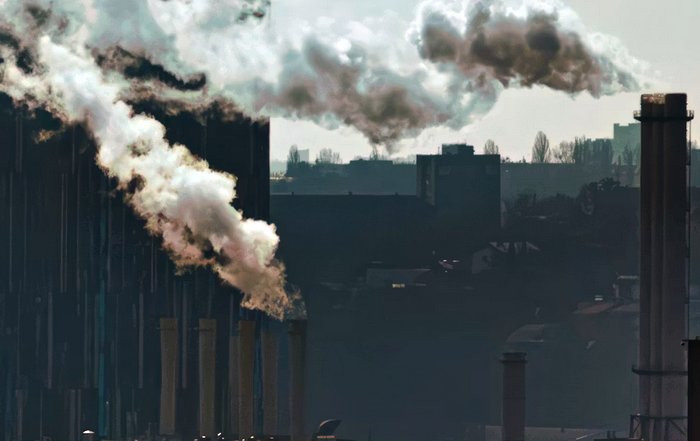
The Economic Impact of Environmental Responsibility
Sustainability as a Core Pillar of Global Competitiveness
Environmental responsibility has become inseparable from economic strategy, and for the global readership of FitPulseNews, which follows health, fitness, business, technology, and sustainability across North America, Europe, Asia, Africa, and South America, it is increasingly evident that sustainability is no longer a peripheral corporate initiative but a central determinant of competitiveness, resilience, and long-term value creation. Executive teams from the United States to Germany, from Singapore to Brazil, and from the United Kingdom to South Africa now recognize that climate risk, resource constraints, and shifting consumer expectations are reshaping markets in ways that directly influence revenue growth, cost structures, capital access, and talent dynamics, while organizations that resist or delay adaptation face quantifiable financial penalties instead of merely reputational discomfort.
This transformation has been driven by converging forces: escalating climate-related disruptions to supply chains and infrastructure, tightening regulation on emissions, waste, and disclosure, rapid technological advances in clean energy and resource efficiency, and a generational shift among consumers and employees who increasingly demand that brands and employers align with their environmental and social values. Institutions such as the World Economic Forum continue to highlight climate and nature-related risks in their Global Risks Reports as among the most severe threats to economic stability and social cohesion, while the Intergovernmental Panel on Climate Change (IPCC) has provided ever more granular assessments of how different warming scenarios translate into physical damage, financial loss, and systemic risk across regions and sectors. As these insights are embedded into financial models and board-level risk frameworks, environmental responsibility is being reframed as a driver of risk mitigation, innovation, and growth, rather than a discretionary element of corporate social responsibility.
For readers of FitPulseNews, who already understand the close connection between environmental quality, human health, athletic performance, and workplace productivity, the shift in corporate and policy thinking mirrors a broader societal realization: environmental performance is now directly linked to healthcare costs, labor productivity, and the competitiveness of entire national and regional economies. In this context, environmental responsibility increasingly underpins strategic decisions in industries as diverse as sportswear, nutrition, technology, logistics, and finance. As FitPulseNews expands its coverage across health, business, and technology, the platform is documenting how sustainability is redefining value creation for companies, workers, and consumers in 2026 and beyond.
Regulatory Pressure, Policy Signals, and the Economics of Compliance
Around the world, regulatory pressure has become one of the most visible economic levers driving environmental responsibility, transforming sustainability compliance from a narrow reporting task into a strategic concern with direct implications for market access and profitability. In the European Union, the European Commission has continued implementing the European Green Deal, expanding the reach of the Corporate Sustainability Reporting Directive and operationalizing the Carbon Border Adjustment Mechanism, which together tighten emissions standards, broaden mandatory disclosure, and impose costs on carbon-intensive imports. These measures directly affect exporters in the United States, China, India, and other manufacturing hubs that serve European markets, and they require companies operating in Germany, France, Italy, Spain, the Netherlands, and the wider EU to treat environmental performance as a core dimension of competitive parity, particularly in energy- and material-intensive sectors such as steel, chemicals, cement, and automotive manufacturing. Learn more about evolving European climate and energy policies through resources from the European Environment Agency, which tracks implementation and impacts across member states.
In the United States, regulatory activity has intensified through the U.S. Environmental Protection Agency (EPA) and other federal and state agencies, with stricter vehicle and power plant emissions standards, methane regulations for the oil and gas sector, and growing requirements for climate-related financial disclosure. State-level initiatives in jurisdictions such as California, New York, and Washington are setting ambitious decarbonization timelines, building performance standards, and clean energy mandates, creating a patchwork of regulation that multinational companies must navigate carefully. Similar developments in the United Kingdom, Canada, Australia, Japan, South Korea, and Singapore demonstrate a broad convergence among advanced economies toward tighter environmental rules, with direct consequences for global supply chains and capital allocation. Businesses that lag on compliance now face not only fines and legal exposure but also project delays, restricted permitting, and reduced eligibility for public procurement and incentive programs.
For emerging and developing economies in Asia, Africa, Latin America, and the Middle East, the policy landscape is more heterogeneous but equally consequential. Countries such as Brazil, South Africa, Malaysia, and Thailand confront the challenge of balancing industrial growth with the need to protect forests, water resources, and vulnerable communities from climate-related shocks. Institutions like the World Bank and regional development banks have stressed that climate-resilient infrastructure, sustainable urbanization, and low-carbon energy can reduce long-term costs while supporting inclusive development, even when they require higher upfront capital expenditure. As a result, multinational companies that bring strong environmental standards and transparent practices to their operations in these regions often experience reduced regulatory friction, improved community relations, and preferential access to green finance and blended capital instruments.
The cost of inaction is increasingly quantifiable. The UN Environment Programme (UNEP) and other research bodies have documented the financial toll of extreme weather, sea-level rise, and ecosystem degradation, with annual climate-related losses running into hundreds of billions of dollars globally through damaged infrastructure, disrupted production, supply shortages, and insurance payouts. For businesses, these disruptions manifest as stockouts, logistics bottlenecks, asset impairment, and volatile input prices, all of which erode margins and shareholder value. In this environment, environmental responsibility is being integrated into enterprise risk management frameworks as a means of protecting operational continuity and long-term asset value, aligning regulatory compliance with strategic resilience rather than treating it as an isolated cost center.
Capital Markets, ESG Scrutiny, and the Price of Money
Capital markets have become a decisive arena in which environmental responsibility is either rewarded or penalized, as investors integrate climate and sustainability factors into asset allocation, credit assessment, and engagement strategies. Over the past decade, environmental, social, and governance (ESG) investing has moved from niche to mainstream, and although there is now more scrutiny and debate around ESG labeling and methodology, the underlying shift toward climate-aware finance remains firmly in place. Organizations such as the Principles for Responsible Investment (PRI) and the Task Force on Climate-related Financial Disclosures (TCFD) have helped standardize expectations around climate risk reporting, and many large asset owners and managers now require portfolio companies to provide detailed data on emissions, transition plans, and physical risk exposure. The emerging International Sustainability Standards Board (ISSB) standards are further harmonizing disclosure requirements, making it easier for investors to compare corporate performance on climate-related issues.
Major financial institutions including BlackRock, Goldman Sachs, and global banks headquartered in London, Frankfurt, Zurich, Toronto, and Tokyo have committed to integrating climate risk into investment and lending decisions, often under the umbrella of net-zero alliances and sectoral decarbonization frameworks. Central banks and supervisors, coordinated through the Network for Greening the Financial System (NGFS), are assessing how climate change may affect financial stability, asset valuations, and monetary policy transmission, encouraging stress testing and scenario analysis across banking systems. As a result, companies in Europe, North America, and Asia increasingly face investors who demand credible, science-based transition plans and who may adjust valuation, cost of capital, or investment horizons based on perceived climate performance and resilience. Learn more about how climate risk is being integrated into financial supervision through analyses from the Bank for International Settlements, which has examined climate-related vulnerabilities in banking and insurance.
Green bonds, sustainability-linked loans, transition bonds, and blended finance structures have expanded the toolkit available to companies that commit to environmental improvements, often offering preferential terms or coupon step-downs when targets are met. Manufacturers in Germany or Japan that adopt verified emissions reduction pathways, renewable energy sourcing, and circular production methods may secure lower interest rates on sustainability-linked facilities, while renewable energy developers in India, South Africa, or Chile can tap into global pools of green bond capital supported by development banks and institutional investors seeking climate-aligned assets. Conversely, companies that fail to address environmental risks face higher borrowing costs, restricted access to certain funds, reputational pressure from shareholder activists, and, in some cases, divestment campaigns. Rating agencies and data providers such as MSCI and S&P Global have refined their methodologies to better capture environmental risk and opportunity, while insurers are recalibrating underwriting and premiums in response to escalating climate-related losses.
For the business community that follows FitPulseNews, the implication is clear: environmental responsibility is now embedded in the financial architecture that shapes which companies can raise capital efficiently, attract long-term investors, and withstand market volatility. The platform's business and news coverage increasingly highlights how capital market expectations are influencing corporate strategy, from large-cap industrials in Europe and North America to fast-growing technology and consumer brands in Asia-Pacific and Latin America.
Operational Efficiency, Cost Savings, and Strategic Differentiation
While regulatory and financial pressures are powerful, many organizations are discovering that environmental responsibility directly improves operational performance, unlocking cost savings and efficiency gains that strengthen their competitive position. Energy efficiency, waste reduction, water stewardship, and process optimization can significantly lower operating expenses while reducing exposure to volatile energy and commodity prices. The International Energy Agency (IEA) has documented how investments in efficient buildings, industrial processes, and transportation systems can yield strong economic returns, particularly in high-cost energy markets such as Germany, the United Kingdom, Japan, and parts of the United States and Australia. For companies with global footprints, retrofitting factories, warehouses, offices, and data centers with advanced lighting, HVAC systems, process controls, and monitoring technologies can translate into double-digit percentage reductions in energy use and associated emissions.
In manufacturing, retail, and logistics, circular economy principles are gaining traction as firms seek to minimize waste, design for durability and repair, and reclaim materials at the end of product life. The Ellen MacArthur Foundation has quantified the potential economic benefits of circular business models, including reduced raw material costs, new service revenues, and enhanced resilience to supply disruptions. Companies in Europe, North America, and Asia that adopt remanufacturing, product-as-a-service, and advanced recycling strategies can reduce dependence on volatile commodity markets, lower waste disposal fees, and differentiate themselves in markets where regulators and consumers increasingly value resource efficiency. Learn more about circular economy opportunities and business models through analyses from the OECD, which has examined policy and innovation pathways in advanced and emerging economies.
For sectors closely followed by FitPulseNews, including sportswear, fitness equipment, and performance nutrition, these operational improvements are already visible. Brands are integrating recycled fibers, bio-based materials, and low-impact dyes into apparel and footwear; optimizing packaging to reduce material use and shipping weight; and reconfiguring distribution networks to minimize emissions while maintaining service levels. The platform's fitness and sports sections have chronicled how leading brands and clubs are using sustainability to enhance product innovation, fan engagement, and operational resilience, from energy-efficient stadiums to low-carbon event logistics.
Service-based and digital businesses are also leveraging environmental responsibility for operational advantage. Cloud migration, remote and hybrid work models, and smart building management are reducing travel-related emissions, office footprints, and energy consumption. Technology leaders such as Microsoft, Google, and Amazon Web Services have invested heavily in renewable energy procurement, advanced cooling, and energy-efficient data center design, setting benchmarks for the broader digital economy and influencing expectations among corporate clients. Organizations can draw on guidance from the U.S. Department of Energy and the International Renewable Energy Agency (IRENA) to identify best practices in energy management, electrification, and renewable integration, turning sustainability into a source of predictable cost savings and strategic differentiation.
Economic Impact of Environmental Responsibility
Primary Economic Drivers
EU Green Deal, Carbon Border Adjustments, EPA Standards
ESG Integration, Green Bonds, Climate Risk Assessment
Energy Savings, Waste Reduction, Resource Optimization
Clean Energy, EVs, Sustainable Products
Employee Attraction, Consumer Loyalty, Premium Pricing
Innovation, New Markets, and the Green Growth Frontier
Beyond risk management and efficiency, the most dynamic economic impacts of environmental responsibility are emerging from innovation and the creation of entirely new markets. As governments, businesses, and consumers seek solutions to climate change, resource depletion, and biodiversity loss, demand is rising for products and services that deliver environmental benefits while meeting performance, convenience, and affordability expectations. This dynamic is reshaping industries from energy and transport to food, construction, and financial services.
In the energy sector, the rapid decline in the cost of solar, wind, and battery technologies has made renewables the cheapest source of new power generation in many regions, accelerating the shift away from fossil fuels. Organizations such as BloombergNEF track record global investment in clean energy, storage, and grid modernization, with strong growth across China, the United States, the European Union, India, Brazil, and other emerging markets. This transition is enabling new business models in distributed energy, microgrids, virtual power plants, and energy-as-a-service, offering opportunities to incumbents and startups alike. Learn more about the economics of the energy transition and regional deployment trends through the latest reports from IRENA, which provide detailed cost and capacity data for policymakers and investors.
Sustainable mobility is another major frontier. Electric vehicles (EVs) have moved from early adoption to mass market in countries such as Norway, Sweden, China, the Netherlands, and increasingly the United States, United Kingdom, Germany, France, and Canada, supported by improvements in battery density, charging infrastructure, and total cost of ownership. Automakers in Asia, Europe, and North America are reconfiguring supply chains around batteries and critical minerals, while new entrants from China, the United States, and Europe are competing on software, connectivity, and mobility services rather than solely on hardware. Public transport systems in cities from London and Paris to Seoul, Singapore, and Vancouver are deploying zero-emission buses, integrating active mobility infrastructure, and experimenting with on-demand and multimodal platforms that reduce congestion and emissions while improving urban livability. The International Transport Forum offers in-depth analysis on how transport decarbonization strategies can simultaneously cut emissions, improve air quality, and spur innovation in both advanced and emerging economies.
Environmental responsibility is also catalyzing innovation in food systems, health, and wellness, areas that resonate strongly with the FitPulseNews audience. Companies are scaling plant-based and alternative protein products, regenerative agriculture supply chains, and low-impact packaging solutions that respond to consumer concerns about climate change, biodiversity, and personal well-being. Research from the Food and Agriculture Organization (FAO) and the World Resources Institute (WRI) has highlighted the environmental footprint of conventional agriculture and identified pathways to more sustainable diets and production systems, including reduced food waste, improved soil management, and diversified protein sources. In the nutrition and wellness sections, FitPulseNews regularly explores how these innovations affect performance nutrition, public health, and the economics of food retail and hospitality.
Climate adaptation and resilience are emerging as parallel growth domains, particularly in climate-exposed regions of Asia, Africa, and coastal North America and Europe. Companies providing climate-resilient infrastructure, advanced weather forecasting, water and wastewater technologies, and parametric insurance products are addressing a rapidly expanding market as governments and businesses seek to prepare for unavoidable climate impacts. Organizations such as the Global Center on Adaptation and the UN Office for Disaster Risk Reduction have emphasized that every dollar invested in resilience can yield multiple dollars in avoided losses and productivity gains, making adaptation a compelling economic proposition as well as a humanitarian imperative.
Talent, Culture, and Brand Value in a Sustainability-First Era
The economic impact of environmental responsibility is also playing out in talent markets, organizational culture, and brand equity, especially in knowledge-intensive sectors and consumer-facing industries. Across the United States, United Kingdom, Germany, Canada, Australia, and many Asian and European economies, younger workers in particular are signaling strong preferences for employers whose environmental and social performance aligns with their personal values. Surveys by organizations such as Deloitte and PwC indicate that corporate purpose, climate commitments, and transparency on sustainability issues can influence job choice, engagement, and retention, especially among Generation Z and younger millennials in fields like technology, finance, consulting, and creative industries. Learn more about how the green transition is reshaping labor markets and skill requirements through research from the International Labour Organization (ILO), which has examined employment opportunities and challenges associated with decarbonization and circular economy strategies.
For companies competing in global talent hubs such as New York, San Francisco, London, Berlin, Amsterdam, Singapore, Sydney, Toronto, and Seoul, a credible sustainability strategy can be a decisive differentiator. Firms that integrate environmental responsibility into their business model, governance structures, and day-to-day operations, and that communicate progress with clarity rather than marketing spin, often find it easier to attract mission-driven professionals, from engineers and data scientists to marketers and executives. This, in turn, reinforces their capacity for innovation and adaptation, creating a virtuous cycle that links environmental leadership with organizational performance.
Brand value and customer loyalty are similarly affected by environmental performance. In sectors heavily covered by FitPulseNews, including sports apparel, wellness products, consumer technology, and lifestyle brands, consumers in Europe, North America, and parts of Asia are becoming more discerning about the environmental and social footprint of their purchases. Genuine commitments to reducing emissions, eliminating hazardous substances, supporting fair labor, and investing in community resilience can justify premium pricing, deepen loyalty, and differentiate brands in crowded markets. The platform's brands and culture reporting has highlighted how leading companies are integrating sustainability into brand narratives, athlete and influencer partnerships, and fan experiences, while also examining the reputational and financial damage that can result from accusations of greenwashing or environmental negligence.
Digital transparency tools are raising the bar even further. Product-level impact labels, blockchain-based supply chain traceability, and independent rating systems provide investors and consumers with unprecedented visibility into corporate environmental performance. Organizations such as CDP and Sustainalytics offer detailed assessments of corporate climate and environmental practices, while investigative media and civil society groups scrutinize corporate claims. In this environment, environmental responsibility is not only a matter of setting ambitious goals but also of delivering verifiable results and accepting accountability when progress falls short.
Health, Environment, and Productivity: A Converging Economic Agenda
For a readership deeply invested in health, fitness, and wellness, the intersection of environmental responsibility and economic performance is especially visible in the link between environmental quality and human productivity. Air pollution, extreme heat, water contamination, and degraded urban environments have measurable impacts on cognitive function, physical performance, absenteeism, and healthcare costs, creating a feedback loop in which environmental degradation undermines economic output and societal well-being. The World Health Organization (WHO) has documented how air pollution alone contributes to millions of premature deaths annually and imposes enormous economic costs through lost labor, increased healthcare spending, and reduced quality of life, with severe impacts in rapidly urbanizing regions of Asia and Africa but also in industrialized areas of Europe and North America. Learn more about the health and economic burdens of pollution through WHO's environmental health resources, which provide country-level data and policy guidance.
Governments and companies that invest in cleaner air, greener cities, and climate-resilient infrastructure can therefore realize economic benefits that extend beyond reduced environmental damage to include healthier, more productive populations and more attractive environments for tourism, investment, and talent. Urban initiatives that promote active mobility, green public spaces, and energy-efficient buildings simultaneously reduce emissions and support physical activity, mental health, and social cohesion. For businesses in sectors ranging from sports and fitness to real estate, hospitality, and technology, aligning with these integrated health-environment strategies can unlock new business models, from wellness-oriented workplaces and residential developments to climate-smart sports facilities and events. FitPulseNews follows these developments closely in its world and environment sections, where readers can track how cities from Copenhagen and Amsterdam to Singapore, Vancouver, and Melbourne are integrating environmental and health objectives into urban planning and economic development.
Workplace wellness programs are also evolving to incorporate environmental dimensions, recognizing that indoor air quality, thermal comfort, access to natural light, and sustainable commuting options influence employee well-being and performance. Building standards such as LEED and WELL have gained global traction as frameworks that align environmental performance with occupant health, and companies that adopt these standards often report benefits in reduced absenteeism, enhanced cognitive performance, and improved employer branding. The U.S. Green Building Council and related organizations provide case studies and technical guidance demonstrating how green building investments can generate both environmental and financial returns, reinforcing the business case for integrating sustainability into workplace design and operations.
Regional Dynamics and the Global Race for Green Advantage
Although the fundamental drivers of environmental responsibility are global, their economic impacts vary significantly across regions, shaped by different policy frameworks, resource endowments, industrial structures, and cultural expectations. In Europe, strong regulation, public support for climate action, and early investments in renewable energy and circular economy initiatives have positioned countries such as Germany, Denmark, Sweden, and the Netherlands as leaders in green technology, sustainable manufacturing, and environmental services, with export and intellectual property advantages in fields ranging from wind turbines and grid technologies to sustainable materials and building solutions. In North America, the United States and Canada are navigating the tension between legacy fossil fuel sectors and rapidly growing clean technology industries, with federal and provincial incentives accelerating investment in EVs, batteries, hydrogen, and carbon management, while state and city governments play a prominent role in implementing environmental policies and infrastructure projects.
In Asia, China has consolidated its position as a dominant player in solar, wind, and battery manufacturing, while simultaneously grappling with domestic environmental challenges and a complex transition away from coal. Japan, South Korea, and Singapore are leveraging advanced technology, innovation ecosystems, and policy frameworks to pursue decarbonization, circularity, and resource efficiency, with particular emphasis on hydrogen, smart grids, robotics, and advanced materials. In emerging economies across Southeast Asia, South Asia, Africa, and Latin America, the economic impact of environmental responsibility is often mediated by access to finance, technology transfer, and international partnerships, with multilateral institutions, development banks, and philanthropic capital playing vital roles in supporting green infrastructure, nature-based solutions, and resilience projects. Comparative analyses from the OECD on green growth and environmental policy can help businesses and investors understand where environmental leadership is likely to generate competitive advantage or entail heightened transition risk.
For global companies and investors, this regional diversity creates complexity but also opportunity, as supply chains, site selection, and market strategies must account for differing regulatory requirements, energy mixes, and consumer expectations. For the international audience of FitPulseNews, which tracks developments from the United States and United Kingdom to Germany, Canada, Australia, France, Italy, Spain, China, Japan, South Korea, Brazil, South Africa, and beyond, these regional dynamics underscore the importance of treating environmental responsibility as a strategic lens that must be locally informed yet globally coherent. The platform's integrated coverage across innovation, sustainability, and world news offers readers a way to follow how different countries and sectors are positioning themselves in the global race for green competitiveness.
From Responsibility to Regeneration: The Strategic Horizon
As 2026 progresses, the economic narrative around environmental responsibility is evolving from a focus on minimizing harm toward an emerging paradigm of regeneration and net-positive impact. Leading companies, investors, and policymakers are exploring models that restore ecosystems, enhance biodiversity, and strengthen community resilience, recognizing that long-term economic prosperity depends on the health of natural and social systems. Concepts such as regenerative agriculture, nature-based climate solutions, and climate-positive operations are moving from pilot projects into core strategy discussions, supported by evolving frameworks from organizations including the Science Based Targets initiative (SBTi) and the Taskforce on Nature-related Financial Disclosures (TNFD), which aim to align financial flows with planetary boundaries and nature protection.
For businesses, this shift requires deeper cross-sector collaboration, more sophisticated measurement and reporting tools, and a willingness to invest in long-term outcomes that may not immediately translate into quarterly earnings but that underpin enduring value creation. It also opens new avenues for differentiation and partnership, particularly in regions rich in natural capital such as parts of Africa, South America, and Southeast Asia, where regenerative models can support development pathways that avoid the extractive patterns of the past while aligning with global climate and biodiversity goals. For economies in Europe, North America, and Asia, regeneration is becoming a lens through which to rethink land use, infrastructure, and industrial systems in ways that support both competitiveness and planetary health.
For the global community that turns to FitPulseNews for insight at the intersection of health, fitness, business, technology, and sustainability, the economic impact of environmental responsibility is not a distant policy debate but a lived reality shaping careers, investments, consumer choices, and community futures. As the platform continues to deepen its coverage across environment, business, and sustainability, it will remain focused on how organizations and individuals can navigate this transition with clarity, rigor, and ambition. Environmental responsibility has become a defining feature of global competitiveness and economic resilience, and in the years ahead, those who integrate it authentically and strategically into their decisions are likely to find themselves not only aligned with the demands of regulators, investors, and communities, but also at the forefront of innovation, growth, and long-term prosperity.