

The Evolution of Sports Media in the Digital Era: The Playbook
A New Playing Field for Sports, Media, and Business
Sports media has completed a decisive shift from a broadcast-dominated model to a fluid, data-rich, and highly personalized ecosystem in which live rights, digital platforms, athlete brands, and fan communities intersect continuously across devices and geographies. What was once controlled by a handful of television networks is now distributed across global streaming services, social platforms, direct-to-consumer apps, betting interfaces, and emerging immersive technologies, all competing for attention, engagement, and recurring revenue. For the global audience of FitPulseNews, whose interests extend across health, fitness, business, technology, culture, and sustainability, this transformation is not simply a media story; it is a strategic framework for understanding how sports increasingly influence consumer behavior, corporate decision-making, and digital innovation from North America and Europe to Asia, Africa, and South America. Readers who follow broader sports and news developments on FitPulseNews will recognize that the evolution of sports media is now deeply intertwined with macroeconomic, cultural, and technological trends shaping the wider world.
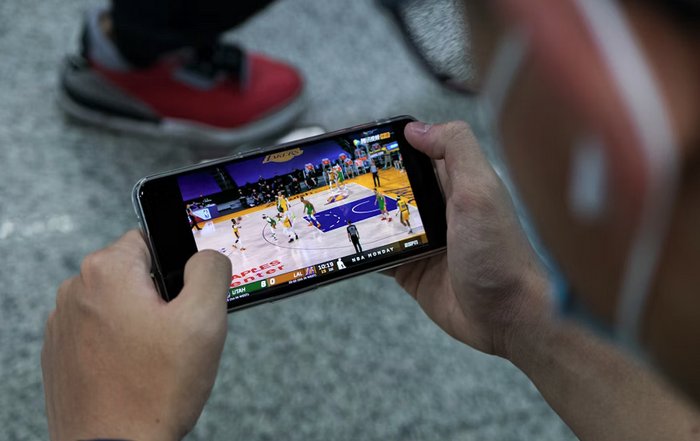
The acceleration of this shift has been driven by faster connectivity, widespread 5G rollouts, more powerful smartphones, the maturation of over-the-top (OTT) platforms, and the growing power of athletes as independent media entities. From the National Football League (NFL) in the United States and the Premier League in the United Kingdom to the Bundesliga in Germany, La Liga in Spain, the National Basketball Association (NBA) in North America, and the Indian Premier League (IPL) in Asia, rights holders and broadcasters have been compelled to rethink not only how content is distributed but how value is generated, measured, and protected in an always-on, multi-screen environment. This reconfiguration is particularly visible in markets like the United States, United Kingdom, Germany, Canada, and Australia, but it is equally relevant in fast-growing sports economies such as India, Brazil, South Africa, and across Southeast Asia, where mobile-first consumption is redefining what a "fan base" looks like. As FitPulseNews continues to expand its sports coverage, the platform increasingly treats sports media as a barometer of digital maturity and consumer expectations across regions.
From Broadcast Monopoly to Multi-Platform Ecosystem
For much of the twentieth century, the sports media value chain was linear and relatively simple: leagues sold rights, broadcasters paid for exclusivity, advertisers funded coverage, and fans tuned in at fixed times. Major tentpole events such as the Olympic Games, the FIFA World Cup, the Super Bowl, and the Tour de France were appointment viewing, and national broadcasters in countries like the United States, United Kingdom, Germany, France, and Japan wielded near-monopoly power over distribution and narrative framing. The expansion of cable and satellite television in the late twentieth century increased the number of channels and the volume of sports content, but the underlying structure remained largely intact, with centralized control and limited interactivity.
The digital era fractured this model. As broadband penetration deepened and mobile networks improved in markets from North America and Western Europe to China, India, and Brazil, consumers began to expect content that was on demand, device-agnostic, and increasingly interactive. On platforms like Statista, longitudinal data shows that digital video consumption has grown steadily across all demographics, with live sports remaining one of the few categories that reliably attracts real-time mass audiences. This unique combination of live urgency and digital flexibility has pushed leagues, clubs, and media companies to adopt multi-platform strategies that blend traditional broadcast with streaming services, mobile apps, social media feeds, betting integrations, and localized digital products.
Legacy broadcasters in the United States, United Kingdom, and Europe have been forced to share the stage with technology-driven entrants such as Amazon Prime Video, Apple TV+, and YouTube, as well as specialist sports streamers like DAZN and regional players in markets such as Scandinavia, Japan, and Latin America. Fans in Germany or Italy, for example, now navigate a patchwork of broadcasting agreements that split domestic football, European competitions, and international tournaments across multiple services, while supporters in Canada, Australia, and New Zealand juggle rights for North American leagues, European football, and local competitions. This fragmentation can create consumer frustration but also enables more tailored experiences for niche communities, from women's football enthusiasts in Europe and North America to combat sports followers in Asia and esports fans in South Korea, China, and the Nordic countries. FitPulseNews, through its world coverage, regularly tracks how these distribution shifts influence fan behavior and cultural exchange across continents.
Streaming, Direct-to-Consumer Platforms, and the Subscription Reset
The rise of streaming and direct-to-consumer (DTC) platforms remains the most visible symbol of sports media's transformation, but by 2026 the conversation has moved from pure growth to strategic sustainability. In the United States, services such as ESPN+, Peacock from NBCUniversal, and Paramount+ from Paramount Global continue to bundle live sports with entertainment, news, and original programming, while in Europe, hybrid models combining linear channels and digital platforms are now standard for players like Sky, Canal+, and Viaplay. At the same time, Netflix has deepened its investment in sports docuseries, behind-the-scenes franchises, and selective live events, demonstrating that narrative-driven sports storytelling can create durable intellectual property and global fandom, even without owning the bulk of live match rights. Executives and analysts studying these shifts often turn to resources such as the Netflix media center and ESPN Press Room to understand how these companies position sports within broader content portfolios.
Leagues and federations have further expanded their own DTC offerings, with services like NBA League Pass, NFL Game Pass, UFC Fight Pass, and club-controlled platforms from organizations such as FC Barcelona, Manchester City, and Paris Saint-Germain targeting global audiences directly. These services not only stream live and on-demand matches but also provide original programming, youth and women's team coverage, archival content, and interactive features like multi-angle viewing, live statistics, and personalized highlight reels. For rights holders, the strategic prize is data ownership-granular insights into who is watching, where, on which devices, and with what engagement patterns-data that can be leveraged for sponsorship, dynamic pricing, and cross-selling of merchandise and experiences.
However, the subscription boom of the early 2020s has given way to a subscription reset. Economic headwinds in Europe, North America, and parts of Asia, combined with consumer fatigue from juggling multiple monthly payments, have pushed media companies to adopt more flexible monetization structures. Hybrid models that mix ad-supported tiers, pay-per-view events, and telecom or hardware bundles are now common in markets from the United States and Canada to Germany, Italy, and Brazil. Advisory groups such as Deloitte's Sports Business Group and PwC's global sports practice consistently highlight that profitability in sports streaming hinges on disciplined rights acquisition, robust data strategies, and careful market segmentation, particularly in price-sensitive but fast-growing regions across Asia, Africa, and Latin America. Within this context, FitPulseNews' business section increasingly examines sports media as a case study in subscription economics and digital product design.
Social Media, Short-Form Video, and the Always-On Fan
If streaming platforms dominate long-form and premium live content, social media platforms have become the undisputed arena for short-form video, real-time commentary, and community building. Services such as X (formerly Twitter), Instagram, TikTok, Snapchat, and YouTube Shorts have turned highlights, reaction clips, memes, and micro-narratives into powerful engagement levers that keep fans connected to their favorite sports, teams, and athletes around the clock. The NBA remains a reference point for its early and aggressive use of social channels to distribute highlights and cultivate a global following, with particular strength in markets such as China, the Philippines, the United Kingdom, and parts of Africa. Analysts and practitioners often rely on platforms like Sports Business Journal and Front Office Sports to track best practices in social-led sports engagement and monetization.
In this environment, the traditional gatekeeping role of broadcasters and print media has eroded, as athletes, clubs, and leagues communicate directly with fans. Global icons such as LeBron James, Lionel Messi, Kylian Mbappé, Simone Biles, and Naomi Osaka can reach tens of millions of followers within minutes, shaping narratives around performance, social justice, mental health, and commercial partnerships without mediation. Social media has also become a crucial discovery engine for emerging sports and properties, from women's football in Europe and North America to mixed martial arts in Asia, adaptive sports in the Paralympic movement, and esports ecosystems in South Korea, China, and the Nordic countries. This democratization of visibility has allowed underrepresented athletes and leagues to build audiences that would have been nearly impossible in an era defined by limited broadcast windows. FitPulseNews explores how these dynamics influence identity, fandom, and representation in its culture coverage.
For fans, the result is an always-on relationship with sports, where match days are merely peaks in a continuous flow of content that includes training footage, wellness tips, tactical breakdowns, lifestyle features, and personal storytelling. This aligns closely with the interests of the FitPulseNews community, which looks to athletes not only as entertainers but as role models for physical conditioning, nutrition, and mental resilience. As more teams and athletes share recovery routines, sleep strategies, and stress-management techniques, the boundary between sports media and health guidance becomes increasingly porous, a convergence that FitPulseNews tracks in depth through its dedicated health and fitness sections.
Data, Analytics, and the Quantified Sports Experience
Behind the visible transformation of sports media lies a deep revolution in data and analytics that touches every part of the value chain, from talent identification and performance optimization to fan engagement and rights valuation. Advances in optical tracking, wearable sensors, GPS, and computer vision have enabled teams, leagues, and broadcasters to gather vast datasets on player movement, physiological load, tactical patterns, and audience behavior. Organizations such as Opta Sports, Stats Perform, and Second Spectrum supply structured data and analytical tools that power sophisticated on-screen graphics, real-time insights, and interactive dashboards for broadcasters, digital platforms, and betting operators. Industry leaders and researchers routinely convene at the MIT Sloan Sports Analytics Conference, while publications like Harvard Business Review explore how analytics in sports foreshadow data-driven decision-making in other industries.
From the fan perspective, data has become central to how sports are consumed and understood. In football, metrics such as expected goals (xG), pressing intensity, and pass networks are now regular features of broadcasts in the United Kingdom, Germany, Spain, Italy, and beyond, while in American sports, measures like player efficiency rating in basketball, catch probability in the NFL, and exit velocity in Major League Baseball have entered mainstream commentary. Fantasy sports, daily fantasy platforms, and regulated sports betting in jurisdictions such as the United States, United Kingdom, Germany, Australia, and parts of Africa and Latin America further amplify demand for granular, real-time data. Companies like DraftKings and FanDuel have built products that rely on robust data feeds and low-latency delivery, reflecting a broader convergence between sports media, gaming, and financial-style interfaces.
At the same time, the integration of biometric and performance data into media storytelling has created new connections between elite sport and everyday wellness. Heart-rate monitoring during cycling stages, sprint speed overlays in football, or live power output metrics in endurance events are increasingly common features, giving viewers a more tangible understanding of the physical demands athletes face. This data-rich narrative, combined with the growth of consumer wearables and connected fitness ecosystems, encourages fans to benchmark their own performance and adopt training or recovery practices inspired by professionals. FitPulseNews examines this intersection of elite analytics and consumer health tech across its fitness and wellness reporting, highlighting both the opportunities and the risks of self-quantification.
Evolution of Sports Media
From Broadcast Monopoly to Digital Ecosystem
Athlete Branding, Creator Economies, and Direct Engagement
The digital era has elevated athletes into multi-dimensional brands and creators who can build businesses, launch media properties, and advocate for social causes with unprecedented autonomy. Platforms such as Instagram, YouTube, Twitch, Patreon, and Substack allow athletes to produce, distribute, and monetize content directly, often supported by community tools like Discord that foster deeper, more intimate engagement. This shift has redefined the relationship between athletes, traditional media, and sponsors, with many high-profile figures choosing to break news, share personal reflections, or address controversies through their own channels rather than relying on legacy outlets.
Examples abound across sports and regions. Cristiano Ronaldo and Serena Williams have leveraged their global profiles to build portfolios spanning fashion, venture capital, and philanthropy, while younger athletes in skateboarding, surfing, and esports often treat content creation as a core component of their professional identity from the outset. Platforms like The Player's Tribune have institutionalized first-person athlete storytelling, and organizations such as UNESCO have examined how digital platforms shape issues of representation, digital literacy, and freedom of expression in sport. This creator-centric environment offers athletes new revenue streams and editorial control but also exposes them to relentless scrutiny and the pressures of constant content production.
For brands, agencies, and investors, this evolution presents a complex landscape of opportunity and risk. Authentic, long-term partnerships with athletes who embody a brand's values can generate deep engagement in markets from the United States and Canada to Germany, Japan, and Brazil, but misalignment or controversy can quickly erode trust. Moreover, as athletes launch their own product lines, media ventures, and investment vehicles, traditional endorsement models are being replaced by equity-based collaborations and co-created IP. FitPulseNews, through its brands and business sections, increasingly analyzes athlete branding as part of a broader creator economy that spans sports, entertainment, and technology.
Globalization, Localization, and Cultural Influence
Sports media has long been a driver of globalization, but digital technologies and platform strategies have accelerated and complicated this role. Major leagues such as the NBA, English Premier League, La Liga, Serie A, and Bundesliga have invested heavily in localized content, regional partnerships, and customized broadcast products for markets including China, India, Japan, South Korea, Singapore, the Middle East, and across Africa and South America. Local-language commentary, region-specific studio programming, and culturally tailored marketing campaigns are now standard tools for cultivating international fan bases and commercial partnerships, from sponsorship deals with regional brands to localized youth development initiatives.
Simultaneously, digital distribution has allowed local and regional sports to find global audiences. The Indian Premier League has attracted substantial viewership from Europe, North America, and the Middle East, while rugby, handball, cycling, and winter sports have gained traction in non-traditional markets through streaming and social media exposure. Esports leagues in South Korea and China draw fans from the United States, Canada, Germany, and Scandinavia, while Japanese baseball and Brazilian football enjoy growing international followings. This multidirectional flow of content contributes to a more interconnected sports culture in which a fan in London can follow the National Hockey League (NHL), a supporter anywhere can watch European basketball, and a viewer in Johannesburg can track both local rugby and Asian esports tournaments. FitPulseNews situates these dynamics within broader geopolitical and cultural developments through its global world news lens.
However, the globalization of sports media raises critical questions about cultural representation, labor conditions, and environmental impact. Organizations such as Amnesty International and Human Rights Watch have drawn attention to human rights concerns surrounding major tournaments and infrastructure projects, while academic and policy research has explored how mega-events affect local communities, housing markets, and public resources. Environmental think tanks and NGOs have analyzed the carbon footprint of international travel, venue construction, and year-round global calendars, prompting growing scrutiny from fans, regulators, and sponsors. FitPulseNews engages with these topics in its sustainability and environment coverage, emphasizing that global reach must be balanced with social responsibility and long-term impact.
Technology, Innovation, and the Future Viewing Experience
The future of sports media is inseparable from advances in technology and innovation that continue to reshape how content is produced, distributed, and experienced. Ultra-high-definition and HDR broadcasts are now common across major markets, while virtual and augmented reality, volumetric capture, and spatial audio are being tested to create more immersive and personalized viewing environments. Companies such as Meta, Apple, and Sony have experimented with VR and AR applications that place viewers in virtual courtside seats, embed real-time statistics in their field of vision, or reconstruct key moments from multiple angles, while broadcasters and production houses increasingly rely on cloud-based workflows to reduce costs, improve resilience, and enable remote production teams. Industry events like NAB Show and IBC have become critical forums for showcasing these innovations and debating their commercial and editorial implications.
Artificial intelligence and machine learning are playing a growing role across the sports media pipeline. Automated highlight clipping, AI-assisted editing, metadata tagging, and personalized recommendation engines are now standard tools for digital platforms, while generative AI is beginning to support localized commentary, real-time translation, and dynamic graphics. At the same time, media organizations and regulators are grappling with questions around authenticity, deepfakes, intellectual property, and algorithmic bias, recognizing that trust is a core asset in sports coverage. FitPulseNews tracks these developments through its technology and innovation sections, examining how AI and emerging technologies can enhance fan experiences without compromising integrity or inclusivity.
Looking ahead, the continued rollout of 5G and the maturation of edge computing are expected to further reduce latency, improve reliability, and support new forms of interactivity such as synchronized multi-screen experiences, low-latency in-play betting, and real-time social co-viewing. For rights holders and broadcasters, the strategic challenge is to deploy these technologies in ways that amplify the core drama and emotional resonance of live sport rather than overwhelming viewers with complexity or distractions.
Health, Wellness, and the Integration into Everyday Life
One of the most significant shifts since the early 2020s has been the integration of sports media into daily routines focused on health, fitness, nutrition, and mental well-being. As connected fitness platforms, smartwatches, and health-tracking apps have become ubiquitous in markets like the United States, United Kingdom, Germany, Canada, Australia, Japan, and Singapore, consumers increasingly look to athletes and sports content for guidance on training protocols, injury prevention, recovery strategies, and psychological resilience. Institutions such as the World Health Organization (WHO) and the Centers for Disease Control and Prevention (CDC) have underscored the importance of regular physical activity and mental health support, while sports media has amplified these messages through documentaries, interviews, and educational series.
Streaming platforms including Netflix, Amazon Studios, and Disney+ have produced high-profile series that follow athletes' diets, sleep patterns, mindfulness practices, and rehabilitation journeys, blurring the line between entertainment and practical wellness education. Brands in sportswear, nutrition, and connected fitness have tapped into this content ecosystem, positioning products as tools for holistic performance rather than purely aesthetic or competitive enhancements. For FitPulseNews readers, this convergence is particularly relevant, as the platform's nutrition and wellness coverage translates elite-level insights into realistic, evidence-based recommendations for diverse lifestyles and age groups.
This integration of sports and wellness extends into corporate strategy and workplace culture. Employers across North America, Europe, and Asia increasingly deploy sports-inspired wellness programs, virtual fitness challenges, and mental health initiatives as part of their talent attraction and retention strategies, often partnering with athletes, leagues, or digital platforms to deliver content and experiences. Hybrid and remote work models have further increased demand for flexible, digital-first wellness solutions, positioning sports media as both an engagement tool and a public health ally. FitPulseNews explores these labor-market implications and organizational strategies through its jobs and careers coverage, highlighting best practices and emerging models from leading employers in technology, finance, and creative industries.
Sustainability, Ethics, and the Responsibility of Sports Media
As sports media has grown more powerful and pervasive, questions of sustainability, ethics, and responsibility have moved from the margins to the center of industry debate. The environmental impact of global event calendars, the social consequences of hosting tournaments in politically sensitive or resource-constrained regions, and the mental health pressures facing athletes and journalists in an era of 24/7 scrutiny are now core concerns for stakeholders across the ecosystem. Research published in outlets such as The Lancet and policy analyses from institutions like the Carnegie Endowment for International Peace have highlighted the interconnected nature of health, governance, and environmental stability, while frameworks such as the Sports for Climate Action Framework led by the United Nations Framework Convention on Climate Change (UNFCCC) encourage leagues, federations, and broadcasters to adopt measurable sustainability commitments.
For a platform like FitPulseNews, which operates at the intersection of sports, health, business, technology, and sustainability, this responsibility is both editorial and strategic. Coverage of mega-events, athlete narratives, and industry deals must balance celebration of performance and innovation with rigorous analysis of long-term impacts on communities, ecosystems, and individual well-being. This includes spotlighting progress in areas such as low-carbon venue design, circular economy approaches to merchandise, ethical sponsorship guidelines, diversity and inclusion initiatives, and mental health support structures, while also scrutinizing instances of greenwashing, labor abuses, or opaque governance. Readers can follow ongoing reporting in the FitPulseNews environment and sustainability sections, where sports media is treated as both a mirror and a driver of broader societal priorities.
What the 2026 Landscape Means for the FitPulseNews Audience
For the global audience of FitPulseNews, spanning regions from the United States, Canada, and the United Kingdom to Germany, France, Italy, Spain, the Netherlands, Switzerland, China, Japan, South Korea, Singapore, the Nordic countries, South Africa, Brazil, Malaysia, and beyond, the evolution of sports media in the digital era is a lived reality that shapes daily habits, professional opportunities, and cultural reference points. It influences how fans in North America follow the NFL or NBA on large screens while streaming European football highlights on mobile devices, how supporters in Germany or Sweden access North American leagues via late-night streams, how audiences in Brazil or South Africa discover Asian esports or European cycling on social platforms, and how viewers in Singapore or New Zealand incorporate athlete-led wellness content into their training and recovery routines.
This transformation also opens new pathways for entrepreneurs, investors, technologists, and professionals operating at the intersection of sports, media, health, and innovation. Startups developing performance-tracking solutions, AI-driven production tools, or fan-engagement platforms must understand rights structures, data regulations, and consumer expectations across multiple regions. Established brands seeking to expand in markets such as Asia or Africa need nuanced strategies that combine global visibility with local cultural insight and ethical sensitivity. Media professionals crafting cross-platform narratives, and policymakers designing regulatory frameworks for betting, data privacy, and sustainability, all rely on a sophisticated understanding of how sports media functions in 2026. FitPulseNews, through its integrated coverage of business, sports, technology, health, and innovation, is positioned to act as a trusted guide to this rapidly evolving landscape.
As 2026 progresses, the direction of travel is clear: sports media will continue to move toward greater personalization, deeper interactivity, and tighter integration with broader aspects of life, from fitness and nutrition to work, culture, and civic engagement. The organizations and individuals most likely to thrive will be those who combine technical sophistication with ethical awareness, commercial discipline with respect for athlete welfare, and global ambition with local understanding. In this new era, sports media is no longer just about broadcasting games; it is about shaping how people move, connect, learn, and interpret the world around them. For readers of FitPulseNews, staying informed about these shifts is not merely a matter of fandom, but a strategic advantage in navigating the future of health, business, and culture in an increasingly digital and interconnected global society.