

Sports Technology: How Startups Are Rewiring Performance, Health, and the Business of Sport
The sports industry jumps at a pivotal moment where technology, health, and global business strategy converge in ways that are reshaping how athletes train, how fans engage, and how organizations operate. What began as a wave of experimentation with wearables, data analytics, and streaming platforms has matured into a fully fledged ecosystem where startups compete alongside global incumbents to define the future of performance, entertainment, and sustainability. For the global audience of FitPulseNews, which spans interests from sports and fitness to business, technology, and sustainability, this transformation is not an abstract trend but a daily reality influencing how people move, work, watch, and invest.
Industry forecasts now estimate that the global sports market will comfortably surpass 700 billion dollars by the end of 2026, driven not only by media rights and sponsorship, but also by digital services, health technologies, and new forms of fan monetization that did not exist a decade ago. In this environment, startups have emerged as the most agile and experimental actors, unencumbered by legacy systems and willing to test new models at the intersection of AI, biomechanics, immersive media, and climate-conscious infrastructure. Their ability to translate scientific research, cloud computing, and behavioral data into practical solutions gives them a unique role in shaping how sport is played and consumed in the United States, Europe, Asia, and across emerging markets in Africa and South America.
The New Triangle: Performance, Data, and Commercial Strategy
The relationship between sports and technology has historically moved in waves, from broadcast television expanding global audiences in the 20th century to high-definition streaming and social media creating real-time, interactive fandom in the 2010s. In 2026, the next wave is defined by a tighter integration of performance science, data intelligence, and commercial strategy, where every innovation is evaluated not only on its ability to improve results on the field, but also its impact on athlete health, fan engagement, and long-term business value.
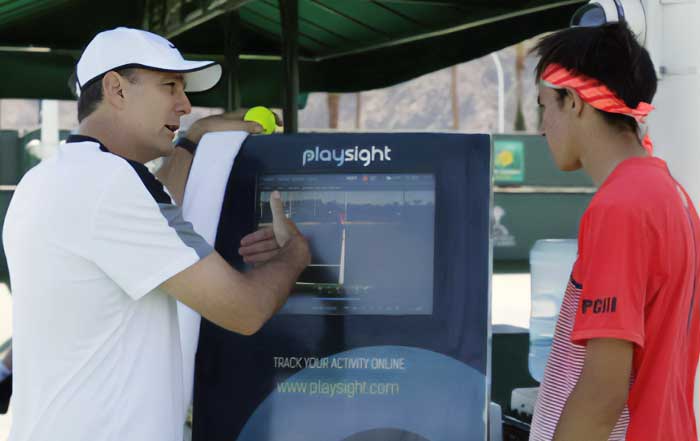
Elite clubs and federations increasingly rely on AI-driven systems to integrate data streams from training sessions, games, medical records, and recovery protocols. Platforms inspired by pioneers like Hawk-Eye Innovations and Second Spectrum have shown how computer vision and machine learning can turn video into structured data, enabling tactical insights and automated content creation for broadcasters. Organizations that once saw technology as an add-on now recognize it as the backbone of their competitive strategy, similar to how advanced analytics reshaped decision-making in finance and healthcare. Those seeking to understand this broader shift can look at how leading institutions such as the MIT Sloan Sports Analytics Conference or the Aspen Institute's Project Play frame sport as a test bed for innovation with far-reaching social and economic implications.
At the same time, the business of sports has become more intertwined with global digital platforms. Streaming giants and technology leaders like Amazon, Apple, and Google continue to invest in live rights, interactive features, and personalized recommendations, while specialist companies such as Sportradar and Genius Sports provide the data infrastructure that underpins betting integrity, real-time statistics, and automated content. For decision-makers following these trends through FitPulseNews business coverage, the message is clear: technological competence is now a core component of sports governance and commercial strategy, not a peripheral concern for IT departments.
Wearables and Biometric Intelligence: From Elite Margins to Everyday Baselines
Among the most visible drivers of change is the rapid evolution of wearable technology and biometric monitoring. Companies such as WHOOP, Oura Health, and Catapult Sports have helped normalize the idea that continuous physiological tracking is not only acceptable but desirable for athletes and health-conscious consumers. The shift from simple step counters to sophisticated devices capable of measuring heart rate variability, sleep stages, strain, and recovery has moved sports science from the laboratory into daily life, enabling coaches, medical teams, and individuals to make decisions based on evidence rather than intuition.
In professional environments, GPS-enabled vests, smart rings, and sensor-embedded garments are now standard in leagues from the NBA and NFL to the Premier League and Bundesliga. Platforms like Zone7 apply machine learning to these data streams to forecast injury risk, suggesting individualized training loads and early interventions that protect both athlete welfare and financial assets tied up in long-term contracts. Organizations such as the FIFA Medical Centre of Excellence network and the International Olympic Committee's medical commission increasingly reference these tools in their guidance on best practices for monitoring and safeguarding athletes across age groups and competition levels.
For everyday users, the line between sports tech and health tech has blurred significantly. Devices originally marketed to elite athletes are now positioned as tools for managing stress, sleep, and long-term wellness, aligning closely with the themes explored in FitPulseNews health and wellness reporting. This democratization of biometric insights raises important questions about data privacy, regulation, and equitable access, but it also offers unprecedented opportunities for early detection of health risks and personalized training that adapts to individual physiology, age, and lifestyle constraints.
Immersive Training and Virtual Environments
Virtual reality and extended reality have moved beyond novelty status to become credible tools for high-performance training, corporate learning, and fan engagement. Companies such as Strivr and Rezzil have demonstrated that immersive simulations can accelerate decision-making skills, tactical awareness, and cognitive processing in sports where milliseconds and field vision determine outcomes. Originally adopted by American football teams for quarterback training, VR environments are now used in soccer, basketball, rugby, and even motorsport to recreate game situations without the physical wear and tear associated with full-contact practice.
As headsets become lighter, more affordable, and more integrated with cloud-based analytics, coaches can track eye movements, reaction times, and choices made within simulations, generating a new category of performance data that complements physical metrics captured by wearables. This development mirrors broader advances in immersive learning documented by organizations such as PwC and Deloitte, which highlight VR's potential to improve retention, engagement, and behavioral change in training programs far beyond sport.
For younger athletes and academies, VR and AR also serve as tools for talent development and inclusion, allowing players from regions with limited access to elite coaching or facilities to experience high-quality training scenarios. This is particularly relevant to markets in Africa, South America, and parts of Asia, where digital infrastructure is improving faster than physical sports infrastructure. Readers following global developments through FitPulseNews world coverage will recognize how these technologies may help rebalance opportunities in countries where raw talent is abundant but structured pathways are uneven.
Fan Engagement, Media, and the Rise of Interactive Ecosystems
On the fan side, the convergence of streaming, social platforms, and real-time data has transformed spectators into active participants. Startups like Satisfi Labs, Greenfly, and SportsHero have built platforms that combine conversational AI, content distribution, and gamification to keep fans connected before, during, and after events. Instead of passively watching a match, audiences can access live statistics, interact with other fans, participate in prediction games, and purchase digital or physical merchandise in a single integrated experience.
This shift is reinforced by broader changes in media consumption documented by entities such as Nielsen and Statista, which show younger demographics in the United States, Europe, and Asia consuming sports content in shorter, more interactive formats across multiple screens. Leagues and broadcasters have responded by experimenting with alternative feeds, influencer commentary, and augmented reality overlays that visualize data captured by companies like Hawk-Eye Innovations and Sportradar. These experiments are not only about entertainment; they are also about collecting behavioral data that can be used to refine products, personalize offers, and design new forms of sponsorship inventory.
For brands, this environment demands a more sophisticated approach to partnership and storytelling. Traditional logo exposure is being supplemented by data-driven activations, shoppable content, and cause-based campaigns that align with health, diversity, or environmental goals. Coverage on FitPulseNews brands increasingly highlights how companies in sectors such as banking, automotive, and consumer goods leverage sports tech platforms to measure engagement more precisely and to connect with fans in ways that feel authentic rather than intrusive.
Sports Technology Evolution Timeline
Journey from broadcast innovation to AI-driven performance systems
Broadcast Television Era
Global audiences expanded through television broadcasting, transforming sports into mass entertainment and creating the foundation for modern sports media.
Digital Streaming & Social Media
HD streaming platforms and social media created real-time interactive fandom, fundamentally changing how fans consume and engage with sports content.
Wearables & Biometric Intelligence
Companies like WHOOP, Oura Health, and Catapult Sports normalized continuous physiological tracking, bringing sports science from labs into daily life for athletes and consumers.
AI-Driven Integration Era
Performance science, data intelligence, and commercial strategy converge. AI systems integrate training data, medical records, and recovery protocols with market projected to exceed $700B.
Immersive Training & VR
Virtual and extended reality become credible training tools. Companies like Strivr and Rezzil demonstrate VR's ability to accelerate decision-making and tactical awareness across multiple sports.
Systemic Integration & Sustainability
AI operates invisibly in training and broadcasts. Biometric monitoring integrates environmental and genetic data. Sustainability technologies become standardized requirements in venue design and event management.
Sustainability, Climate Responsibility, and Smart Venues
As climate change and resource constraints move to the center of global policy and corporate strategy, the sports industry faces mounting pressure to reduce its environmental footprint. Major events, stadiums, and travel patterns associated with international competitions draw scrutiny from regulators, fans, and sponsors who expect credible action rather than symbolic gestures. This has opened a significant opportunity for startups focused on sustainable materials, energy efficiency, and circular economy models tailored to sports and live entertainment.
Innovators such as Pavegen, which generates electricity from kinetic floor tiles, and companies developing low-carbon turf systems, smart lighting, and water recycling are now part of a broader conversation that includes organizations like the UN Sports for Climate Action Framework and the Green Sports Alliance. Their work illustrates how stadiums and arenas can serve as highly visible laboratories for environmental innovation, influencing behavior among millions of fans who attend events or follow their favorite teams online.
Digital tools also play a role in sustainability strategies. Ticketing platforms that optimize transport routes, apps that encourage reusable cup schemes, and IoT systems that monitor energy use in real time all contribute to more efficient operations. Coverage on FitPulseNews environment and sustainability underscores how these solutions are no longer optional: sponsors and investors increasingly apply environmental, social, and governance (ESG) criteria when evaluating partnerships, and clubs that lag behind risk losing both reputational capital and commercial opportunities.
Health, Safety, and the Evolving Duty of Care
The integration of technology into sport has sharpened the industry's focus on health and safety, extending beyond performance optimization to encompass long-term well-being, mental health, and protection from serious injury. Concussion awareness, in particular, has driven regulatory changes and created a market for technologies that can detect and mitigate head impacts. Companies such as Prevent Biometrics and HitIQ have developed sensor-equipped mouthguards and headbands that track impact forces and provide real-time alerts to medical staff, allowing for quicker assessment and more conservative return-to-play decisions.
These tools complement ongoing research by institutions like the Centers for Disease Control and Prevention and the World Health Organization on the risks and benefits of contact sports across age groups. Sports organizations in the United States, United Kingdom, Canada, Australia, and other markets increasingly reference this research in policy updates, while technology providers position their products as essential components of a modern duty-of-care framework. Readers of FitPulseNews health coverage will recognize that this is not only a professional sports issue; youth and amateur competitions worldwide are revisiting how they manage training loads, contact drills, and protective equipment.
Parallel to physical safety, mental health has moved from taboo topic to strategic priority. Digital platforms offering mindfulness, counseling, and peer support for athletes are becoming more integrated into team environments, supported by evidence from organizations like the American Psychological Association and the National Collegiate Athletic Association. Startups and established companies alike are building tools that help athletes manage pressure, social media exposure, and transitions out of sport, aligning with the broader wellness agenda that FitPulseNews regularly explores across its wellness and culture sections.
Regional Dynamics: A Distributed Innovation Map
While the United States retains a dominant role in sports entertainment, data platforms, and commercialization, the geography of sports technology innovation is increasingly distributed. Europe has become a hub for performance analytics, sustainability, and governance reform, with cities such as London, Berlin, Amsterdam, and Barcelona hosting accelerators and research centers that connect clubs, universities, and startups. Companies like KINEXON in Germany and PlayerData in Scotland exemplify Europe's strength in sensor technologies and accessible analytics for both elite and grassroots teams. Institutions such as SportTechX document this landscape, showing how European regulation around data protection and environmental standards is influencing product design and business models.
Asia, meanwhile, has emerged as a powerhouse in eSports, mobile-first fan engagement, and super-app integrations. South Korea's dominance in competitive gaming infrastructure, Japan's blend of traditional sports with anime and interactive media, and China's scale in digital platforms like WeChat and Douyin have given rise to startups that treat sport as one component of a broader entertainment and social ecosystem. Reports from the Asian Football Confederation and organizations such as McKinsey & Company highlight how rising middle classes and advanced connectivity in markets like India, Thailand, and Malaysia are creating fertile ground for new sports formats and monetization models.
In Africa and South America, innovation often focuses on accessibility, mobile payments, and talent identification. Platforms that connect youth players with scouts, manage local leagues, and facilitate micro-sponsorships are emerging in countries such as Brazil, Kenya, and South Africa, where the passion for sports like football and athletics is immense but infrastructure and funding can be inconsistent. These regions illustrate a critical point for FitPulseNews readers following world and sports trends: the future of sports technology will not be dictated by one region alone, but shaped by a mosaic of local needs, cultural practices, and regulatory environments.
Jobs, Skills, and the New Sports Technology Workforce
The expansion of sports technology has created a parallel transformation in the labor market. Clubs, leagues, media organizations, and startups now recruit data scientists, biomechanists, software engineers, UX designers, and sustainability experts alongside traditional roles such as coaches, scouts, and marketers. Universities in the United States, United Kingdom, Germany, Canada, Australia, and elsewhere have launched specialized programs in sports analytics, digital media, and sports business, often in partnership with professional organizations and technology providers.
This shift offers significant opportunities for professionals who may not have a background as athletes but bring expertise in AI, cloud computing, cybersecurity, or behavioral science. Resources from platforms like Coursera and edX now include courses co-developed with leagues and clubs, reflecting the demand for hybrid skill sets that combine technical literacy with an understanding of sport-specific contexts. For those tracking career pathways through FitPulseNews jobs coverage, it is evident that the sports sector has become a viable destination for talent seeking meaningful work at the intersection of health, entertainment, and social impact.
At the same time, this evolution raises questions about diversity and inclusion in leadership and technical roles. Industry reports from bodies like the Institute for Diversity and Ethics in Sport show progress in some areas but persistent gaps in others. The organizations that succeed in the next decade are likely to be those that treat diversity not as a compliance issue, but as a source of innovation and resilience in a rapidly changing market.
Strategic Outlook to 2030: From Niche Innovation to Systemic Impact
Looking ahead to 2030, the technologies that are currently seen as cutting-edge are likely to become embedded in the fabric of everyday sports participation and consumption. AI will increasingly operate in the background of training programs, broadcast production, and venue management, making experiences smoother and more personalized without drawing attention to itself. Biometric monitoring will evolve from device-centric models to more integrated systems that combine environmental data, genetic information, and behavioral patterns, raising both opportunities for precision health and ethical questions around surveillance and consent.
Immersive environments will expand beyond isolated VR sessions to connected ecosystems where fans, athletes, and brands interact in virtual spaces that mirror or augment physical events. Digital collectibles and tokenized assets, refined after the volatility of early NFT markets, may become stable components of fan loyalty programs and sponsorship deals. Sustainability technologies will likely move from pilot projects to standardized requirements in stadium design, event bidding, and sponsor selection, with regulatory frameworks in Europe, North America, and parts of Asia accelerating this shift.
For investors, this trajectory suggests that sports technology is not a speculative niche but a long-term thematic opportunity aligned with macro trends in health, digitalization, and climate resilience. For leagues and clubs, it underscores the importance of building internal capacity to evaluate and integrate technologies rather than relying solely on external vendors. For fans and participants, it promises richer, safer, and more inclusive experiences, provided that issues of affordability, accessibility, and data rights are addressed thoughtfully.
For FitPulseNews, whose readers span executives, practitioners, athletes, and enthusiasts across continents, the core message in 2026 is that sports technology has moved beyond hype into a phase of disciplined execution and measurable impact. Whether the focus is on performance optimization, mental health, sustainable venues, or new business models, the sector demands rigorous evaluation, transparent governance, and a commitment to aligning innovation with human well-being. By continuing to cover developments across news, innovation, technology, and sports, the platform aims to provide the experience, expertise, authoritativeness, and trustworthiness that stakeholders need to navigate a landscape where the boundaries between sport, health, business, and culture are more intertwined than ever.