

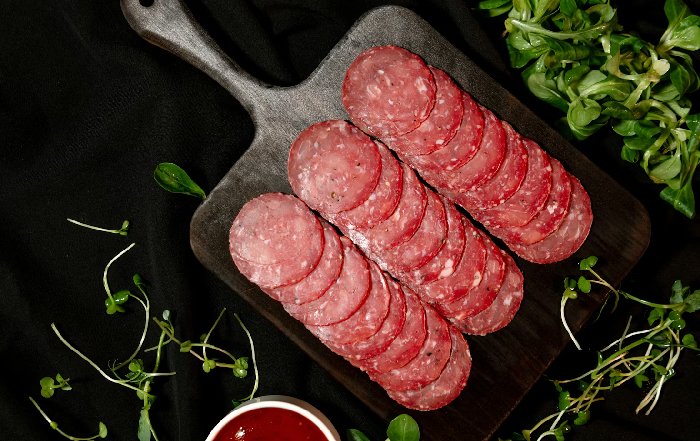
The Future of Lab-Grown Meat and Alternatives in a Health-Driven Global Economy
A New Protein Economy Takes Shape
The conversation about the future of food has shifted decisively from whether alternative proteins will matter to how fast they will scale and who will control the value chain. Lab-grown meat-more precisely, cultivated meat-and a broad spectrum of plant-based and fermentation-derived alternatives are moving from experimental novelty into the strategic core of food, health, and climate policy. For the audience of FitPulseNews, which spans health-conscious consumers, performance-focused athletes, executives, and policymakers across North America, Europe, Asia, Africa, and South America, the implications are not merely culinary; they touch on long-term wellness, competitive advantage, employment, environmental security, and the reshaping of global supply chains.
Cultivated meat, produced by growing animal cells in bioreactors instead of raising and slaughtering animals, sits at the intersection of biotechnology, nutrition science, and climate innovation. Alongside it, advanced plant-based products and precision-fermented proteins are redefining what it means to eat for performance, longevity, and sustainability. As regulators from the United States to Singapore and Europe accelerate frameworks for novel foods, and as major incumbents such as Nestlé, Cargill, and Tyson Foods invest heavily in the space, the future of protein is becoming a test case for how quickly global systems can transition when health, technology, and environmental necessity align.
Readers seeking to connect these developments with broader trends in health, fitness, and business strategy can explore related coverage on FitPulseNews health and FitPulseNews business, where the platform regularly examines how innovation in food intersects with corporate transformation and personal wellbeing.
What Lab-Grown Meat Actually Is-and What It Is Not
Cultivated meat is often misunderstood as a synthetic or heavily engineered substitute, but the underlying science is more straightforward. Scientists begin with a small sample of animal cells-typically muscle or stem cells-from a cow, chicken, fish, or other species, and then grow these cells in a controlled environment with nutrients, growth factors, and scaffolds that allow them to differentiate into muscle and fat tissue. The process is conceptually similar to tissue engineering used in regenerative medicine, adapted for food-scale production.
Organizations such as GOOD Meat, Upside Foods, and Mosa Meat have become emblematic of this shift, and their technical roadmaps illustrate both the promise and the complexity of scaling cell-based agriculture. For readers who want a neutral, science-based overview of the technology, the Food and Agriculture Organization of the United Nations provides a detailed explanation of cellular agriculture and its potential impacts; learn more through the FAO's resources on future food systems. Likewise, The Good Food Institute offers an accessible introduction to cultivated meat and alternative proteins, with a focus on policy and market dynamics, which can be explored through its materials on alternative protein innovation.
It is crucial to distinguish cultivated meat from plant-based analogues, such as those produced by Beyond Meat or Impossible Foods, which use pea, soy, or other plant proteins to mimic meat's sensory profile. A third category, precision fermentation, uses microorganisms like yeast or fungi to produce specific proteins, fats, or functional ingredients, as seen in companies such as Perfect Day in dairy alternatives. While all three approaches aim to reduce reliance on conventional livestock, they differ in their regulatory pathways, manufacturing challenges, and nutritional profiles, and these distinctions will shape how consumers and regulators evaluate risk and benefit in the years ahead.
Regulatory Momentum and Global Policy Signaling
The regulatory environment in 2026 is more advanced than it was only a few years earlier, though still highly fragmented across regions. Singapore was the first country to approve cultivated chicken for sale, setting an early benchmark for safety evaluation and consumer labeling. The United States Food and Drug Administration (FDA) and the US Department of Agriculture (USDA) have since established joint oversight for cultivated meat and poultry, issuing no-questions letters for several products and clarifying pathways for pre-market consultations; details on these frameworks can be found through the FDA's section on food made with cultured animal cells.
In Europe, the European Food Safety Authority (EFSA) continues to evaluate novel foods under its established regime, but cultivated meat has become a focal point in broader debates about food sovereignty, rural livelihoods, and the European Green Deal. Stakeholders monitoring regulatory developments in the United Kingdom, Germany, France, Italy, Spain, and the Netherlands are closely watching how EFSA guidance and national politics shape the speed of market entry, particularly as the European Commission pushes for more resilient and sustainable food systems; more context can be found via the Commission's portal on farm to fork strategies.
In Asia, Japan, South Korea, and China are all investing in alternative protein research as a matter of food security and technological competitiveness. Government-backed initiatives in Japan aim to standardize safety assessments for cultivated products, while South Korea has signaled intent to become a regional hub for food biotechnology, aligning with its broader innovation agenda. The World Health Organization has begun to examine potential public health implications of novel food technologies, including allergenicity and long-term metabolic impacts, which can be explored in its materials on healthy and sustainable diets.
For business leaders and policy professionals following these developments, FitPulseNews has expanded its world news coverage to track how different jurisdictions are positioning themselves in this new protein economy, with particular attention to the United States, United Kingdom, Canada, Australia, and major markets across Europe, Asia, Africa, and South America.
Health, Performance, and Nutrition: Beyond the Hype
From a health and fitness perspective, the central question is not simply whether lab-grown meat is safe, but how it compares nutritionally and metabolically to conventional meat and plant-based alternatives. Because cultivated meat is composed of animal cells, it can theoretically mirror the amino acid profile, bioavailable iron, vitamin B12, and other micronutrients found in traditional meat, while allowing producers to modulate fat composition, reduce saturated fat, and incorporate beneficial fatty acids such as omega-3s.
Researchers affiliated with institutions such as Harvard T.H. Chan School of Public Health and Stanford University have argued that, if properly formulated, alternative proteins could play a meaningful role in reducing diet-related noncommunicable diseases, particularly cardiovascular disease and type 2 diabetes, by lowering intake of saturated fat and processed red meat. Those interested in the broader evidence base for diet and chronic disease can explore the Harvard nutrition resources on healthy protein choices. At the same time, clinical nutrition experts caution that highly processed products-whether animal-based or plant-based-can carry risks if they rely heavily on additives, sodium, or refined oils, underscoring the need for transparent labeling and robust long-term studies.
Athletes, fitness professionals, and health-conscious consumers who follow FitPulseNews through its dedicated fitness and nutrition channels are increasingly asking whether cultivated and alternative proteins can support muscle growth, recovery, and overall performance on par with traditional animal protein. Early data suggest that high-quality plant-based and fermentation-derived proteins, when consumed in sufficient quantities and combined with resistance training, can match or exceed muscle protein synthesis outcomes associated with animal protein, but cultivated meat's performance profile will depend on how closely it replicates the structure and digestion kinetics of conventional muscle tissue.
Public health organizations such as the British Nutrition Foundation and Dietitians of Canada emphasize that dietary patterns, not single products, determine health outcomes, and that the integration of new protein sources should be evaluated in terms of their contribution to overall dietary quality and accessibility. For a broader policy lens on nutrition and sustainable food, the EAT-Lancet Commission provides a widely discussed framework for planetary health diets, which readers can explore through EAT's work on food, health, and climate.
Climate, Environment, and the Sustainability Imperative
One of the most powerful arguments for lab-grown meat and alternatives lies in their potential to reduce greenhouse gas emissions, land use, and water consumption when compared with conventional livestock, particularly ruminants such as cattle. Analyses by organizations like the Intergovernmental Panel on Climate Change (IPCC) and the World Resources Institute (WRI) highlight that food systems account for a substantial share of global emissions, and that shifting both production methods and dietary patterns is essential to meet the goals of the Paris Agreement. Readers can explore the WRI's work on sustainable food futures for granular data on emissions, land, and water trade-offs.
However, the sustainability profile of cultivated meat is not static; it depends heavily on the energy mix used to power bioreactors, the efficiency of cell growth media, and the lifecycle impacts of inputs and infrastructure. If production relies on fossil-fuel-intensive electricity, the climate benefits could be diminished, particularly in the early stages of deployment. This is why many cultivated meat companies are exploring partnerships with renewable energy providers and working to reduce the cost and environmental footprint of growth media, which currently remain significant contributors to both cost and impact.
Environmental NGOs such as Greenpeace and the World Wide Fund for Nature (WWF) have adopted nuanced positions, recognizing the potential of alternative proteins to reduce pressure on forests and biodiversity, while warning against overreliance on any single technological fix. The United Nations Environment Programme (UNEP) has framed alternative proteins as one of several levers in a broader transition to sustainable consumption and production, which can be further explored in its guidance on sustainable food systems.
For readers of FitPulseNews who follow developments in climate, conservation, and sustainable business strategy, the platform's environment and sustainability sections provide ongoing analysis of how alternative proteins fit into corporate net-zero commitments, nature-positive strategies, and ESG reporting frameworks across sectors and regions.
Economics, Jobs, and the Future of Work in Food
The rise of lab-grown meat and alternatives is not only a scientific or environmental story; it is also a profound economic transformation with implications for jobs, regional development, and global trade. Traditional livestock sectors in the United States, Brazil, Argentina, Australia, and the European Union support millions of farmers, processors, and supply chain workers. As alternative proteins scale, policymakers must grapple with how to manage transitions, re-skill workers, and ensure that rural communities are not left behind.
Economic think tanks such as the Organisation for Economic Co-operation and Development (OECD) and the World Bank have begun to model scenarios in which alternative proteins capture significant market share by 2040, with varying implications for commodity prices, land values, and employment. For a global perspective on how technology is reshaping jobs and productivity, readers can consult the OECD's analyses on the future of work and agriculture. Some scenarios suggest that, while certain segments of conventional meat production may contract, new opportunities will emerge in biomanufacturing, food technology, quality control, and specialized engineering, particularly in urban and peri-urban areas where bioreactor facilities are likely to cluster.
From a business strategy standpoint, leading agrifood companies are hedging by investing in both conventional and alternative protein portfolios, using joint ventures, minority stakes, and in-house R&D to maintain relevance across multiple futures. Venture capital and private equity funds have poured billions into the space, while sovereign wealth funds in Singapore, Norway, and the United Arab Emirates view food technology as a strategic asset tied to national resilience. As the sector matures, consolidation is expected, with larger incumbents acquiring promising startups to integrate capabilities and accelerate route-to-market.
For professionals tracking how these shifts translate into career opportunities-from bioprocess engineers and food scientists to sustainability strategists and supply chain specialists-FitPulseNews maintains a dedicated jobs section, highlighting roles at the intersection of food technology, health, and climate innovation across North America, Europe, Asia, Africa, and South America.
Consumer Trust, Culture, and Brand Positioning
The success of lab-grown meat and alternatives ultimately hinges on consumer trust and cultural acceptance. Surveys by organizations such as Pew Research Center and YouGov reveal that public attitudes vary widely by country, age, and education level, with younger, urban, and more environmentally conscious consumers in markets like the United States, United Kingdom, Germany, and Netherlands expressing greater openness to trying cultivated meat, while skepticism remains strong in some regions where traditional animal agriculture is deeply embedded in cultural identity.
Building trust requires more than regulatory approval; it demands transparent communication about ingredients, production methods, nutritional profiles, and long-term safety. Brands that succeed in this space are likely to combine scientific credibility with compelling narratives that connect to local culinary traditions, sports performance, and wellness goals. Health-focused media platforms such as FitPulseNews play an important role in this ecosystem by providing nuanced, evidence-based reporting and by highlighting both opportunities and legitimate concerns, rather than amplifying hype or fear.
Marketing and brand strategists are also recognizing that alternative proteins intersect with broader cultural conversations about animal welfare, climate anxiety, and personal identity. Organizations like Eurogroup for Animals and Humane Society International argue that cultivated and plant-based meats could dramatically reduce animal suffering, a message that resonates strongly with certain consumer segments. At the same time, some critics worry about the perceived "unnaturalness" of lab-grown products and the concentration of control in a small number of powerful biotech firms, raising questions about food democracy and equitable access.
For readers interested in how brands navigate these tensions, the brands and culture sections of FitPulseNews regularly analyze campaigns, sponsorships, and partnerships in sports, wellness, and mainstream media, including how alternative protein companies align with athletes, influencers, and cultural institutions to build legitimacy.
Technology, Innovation, and the Race to Scale
From a technology and innovation standpoint, the cultivated meat sector is in a race to solve three interrelated challenges: reducing cost, increasing scale, and improving product quality. Early prototypes cost hundreds or thousands of dollars per kilogram, largely due to expensive growth media and small-scale bioreactors. By 2026, costs have fallen significantly, but achieving price parity with conventional meat in major markets remains a central milestone for commercial viability.
Bioprocess engineers are working to design large-scale bioreactors capable of producing thousands of tons of meat annually, while maintaining cell viability, preventing contamination, and ensuring consistent texture and flavor. Advances in scaffolding materials, 3D bioprinting, and continuous perfusion systems are being adapted from pharmaceutical manufacturing and regenerative medicine. Research institutions such as MIT, ETH Zurich, and TU Munich are partnering with industry to optimize these systems, while open-access initiatives aim to share non-proprietary breakthroughs that can accelerate the entire sector. For a broader view on how biotechnology is transforming industry, readers can consult the McKinsey Global Institute's analyses on the bioeconomy and industrial innovation.
Parallel to cultivated meat, plant-based and fermentation-based alternatives are advancing rapidly, leveraging improvements in protein isolation, extrusion technology, flavor chemistry, and microbial engineering. Precision fermentation, in particular, is emerging as a powerful platform for producing specific ingredients-such as casein, whey, or heme-at scale, enabling hybrid products that combine plant, animal-free dairy, and cultivated components for optimized texture and nutrition.
FitPulseNews covers these trends through its technology and innovation verticals, with a focus on how startups, incumbent food companies, and cross-industry partnerships are reshaping the competitive landscape, and how investors, regulators, and consumers can distinguish between durable innovation and speculative hype.
Sports, Events, and the Visibility of New Proteins
Sporting events and elite athletics have historically served as powerful platforms for normalizing new products and behaviors, from sports drinks and energy bars to wearables and recovery protocols. In the mid-2020s, alternative protein brands are increasingly visible in sponsorships of marathons, football clubs, esports tournaments, and mixed martial arts, using performance narratives to shift perceptions from "experimental" to "high-performance fuel."
Sports nutrition researchers are beginning to test how alternative proteins affect recovery markers, inflammation, and performance metrics in controlled trials across endurance sports, strength disciplines, and team-based activities. While data are still emerging, early findings suggest that well-formulated plant and fermentation-based proteins can support comparable outcomes to whey or animal protein in many contexts, and cultivated meat is poised to enter these studies as commercial availability expands. For those interested in evidence-based sports nutrition, the International Olympic Committee and American College of Sports Medicine provide guidance on protein needs and timing, which can be explored through resources on sports nutrition principles.
As global events in Europe, Asia, North America, and Oceania integrate sustainability criteria into catering and sponsorship, alternative proteins are likely to gain further visibility. FitPulseNews tracks these developments in its sports and events coverage, highlighting how tournaments, leagues, and federations are rethinking food offerings in line with climate commitments and athlete preferences.
Navigating the Next Decade: Strategic Considerations for Stakeholders
Looking ahead to 2030 and beyond, the trajectory of lab-grown meat and alternatives will depend on a complex interplay of technological progress, regulatory clarity, consumer acceptance, and macroeconomic conditions. For corporate leaders, investors, and policymakers, several strategic considerations stand out.
First, diversification is prudent. Betting solely on one protein technology-whether cultivated, plant-based, or fermentation-risks exposure to regulatory setbacks, consumer backlash, or unforeseen technical bottlenecks. A portfolio approach, spanning multiple protein sources and business models, allows organizations to adapt as the market evolves.
Second, transparency and evidence are non-negotiable for building trust. Companies must invest in rigorous, independent research on health impacts, environmental footprints, and social implications, and they must communicate findings honestly, including uncertainties and trade-offs. Partnerships with universities, public health agencies, and credible NGOs can help to anchor claims in robust science.
Third, equity and inclusion should be embedded from the outset. If alternative proteins remain premium products accessible only to affluent consumers in North America, Western Europe, and parts of Asia-Pacific, their impact on global health and climate goals will be limited. Strategies to ensure affordability, cultural relevance, and local participation-particularly in regions such as Africa, South Asia, and Latin America-will be essential.
Finally, stakeholders should recognize that food is more than fuel or a climate lever; it is central to culture, identity, and social cohesion. The most successful innovations will respect and reinterpret culinary traditions rather than attempting to overwrite them. Media platforms like FitPulseNews, with their integrated coverage of health, fitness, business, sports, culture, and sustainability, are well positioned to facilitate informed dialogue as societies navigate this transition.
The future of lab-grown meat and alternatives is neither preordained triumph nor inevitable failure. It is an unfolding experiment in how humanity chooses to feed itself in an era of planetary constraints and expanding possibilities. By grounding decisions in experience, expertise, authoritativeness, and trustworthiness, and by engaging constructively across disciplines and regions, the global community can shape a protein future that supports both human wellbeing and the health of the planet. Readers can continue to follow this evolution across the full spectrum of coverage on FitPulseNews, where the convergence of health, technology, business, and sustainability remains at the heart of its editorial mission.