

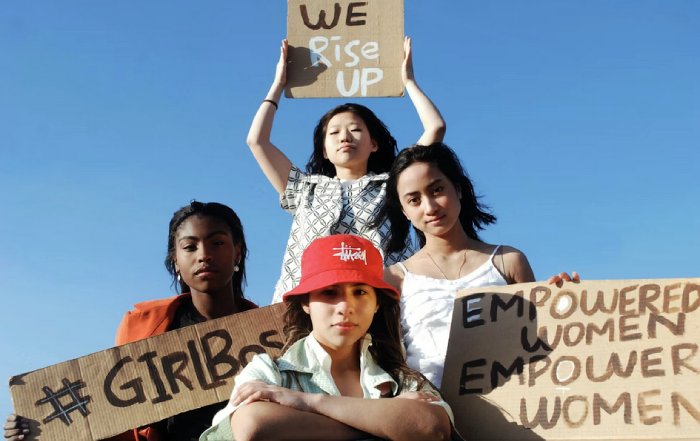
Youth Culture Powering Social and Creative Transformation
A New Center of Gravity for Global Change
Youth culture has firmly established itself as a central engine of global transformation rather than a marginal or purely aesthetic force, reshaping how societies think about health, business, technology, sustainability, and identity. For the global readership of FitPulseNews, which spans regions from North America and Europe to Asia, Africa, and South America, youth culture is no longer a side story to be observed from a distance; it is a strategic variable influencing investment decisions, policy design, workplace dynamics, and brand positioning. Demographic shifts, accelerated digitalization, and rising expectations around justice and accountability have converged to create a generation that is both highly networked and intensely values-driven, with young people in the United States, United Kingdom, Germany, Canada, Australia, South Korea, Japan, Brazil, South Africa, and beyond acting as early adopters, opinion leaders, and often uncompromising critics of institutional inertia.
This generational influence is visible in how governments communicate public health guidance, how corporations frame their sustainability commitments, and how sports organizations respond to mental health and equality demands from athletes and fans. Institutions such as the United Nations, the World Health Organization, and multinational brands including Nike, Adidas, Meta, TikTok, and Spotify are continuously recalibrating strategies to remain credible with cohorts that prize authenticity, inclusion, and measurable impact over legacy prestige. For readers who follow the intersection of culture and commerce on FitPulseNews Business and FitPulseNews Culture, youth-led movements now appear less as episodic waves and more as a structural current, one that steadily redefines what is considered normal in boardrooms, classrooms, gyms, and parliaments alike.
Digital-Native Generations and the Architecture of Influence
The defining characteristic of youth culture in 2026 remains its digital-native orientation, with Gen Z and the rising Gen Alpha having grown up in an environment where online and offline life are deeply interwoven rather than distinct. Platforms such as TikTok, YouTube, Instagram, Twitch, and a new wave of community-focused apps have become primary arenas where culture is produced, debated, and monetized, enabling young creators from Seoul, Lagos, Berlin, and Toronto to reach global audiences without traditional gatekeepers. Research from organizations like the Pew Research Center continues to show that younger generations are more likely to consume news, commentary, and educational content through social platforms and creator-driven channels, reshaping not only how information is distributed but how it is trusted and acted upon; those interested in how these shifts affect civic life can explore ongoing analysis on the Pew Research Center website.
In this landscape, influence is measured less by formal titles and more by engagement quality, community loyalty, and perceived authenticity, with micro-influencers, independent journalists, and niche content creators frequently commanding attention that rivals established broadcasters. Subcultures built around esports in South Korea and China, climate innovation in Scandinavia, or wellness experimentation in the United States and Australia are often led by young figures who combine subject-matter expertise with a conversational tone that resonates with peers. On FitPulseNews Technology, these developments appear not merely as media trends but as structural changes that force advertisers, publishers, and policymakers to rethink how they earn attention and how they safeguard public discourse in increasingly decentralized information ecosystems.
From Hashtags to Policy: Youth Activism and Structural Change
The caricature of youth culture as superficial has become increasingly untenable as young people continue to drive some of the most consequential social movements of the early twenty-first century. Over the past decade, youth-led climate strikes inspired by Greta Thunberg, racial justice protests, gender equality campaigns, and movements for LGBTQ+ rights and democratic reform have altered political agendas in Europe, North America, Asia, Africa, and Latin America. Organizations such as Amnesty International and Human Rights Watch have documented the central role of youth activists in campaigns around police accountability, digital rights, refugee protection, and freedom of expression, particularly in contexts where formal political channels appear captured or unresponsive; readers can explore case studies of youth-driven advocacy on the Human Rights Watch website.
What distinguishes the current generation of activists is their intersectional lens and their ability to operate as a globally networked force while remaining rooted in local realities. Young leaders in the United Kingdom, Germany, Brazil, Thailand, and South Africa routinely draw tactical and narrative inspiration from movements elsewhere, adapting protest strategies, fundraising models, and legal frameworks to fit their own political environments. They are supported by an expanding ecosystem of youth-focused organizations, including Fridays for Future, March for Our Lives, and regional coalitions that provide training, legal counsel, and digital security support. Readers following geopolitical developments on FitPulseNews World will recognize that governments and corporations are increasingly compelled to respond not only with communications campaigns but with substantive changes in policy, governance, and transparency if they wish to maintain legitimacy with younger publics.
Creative Economies and Youth-Driven Reinvention
The global creative economy, spanning music, film, gaming, fashion, design, and digital art, has been transformed by youth-led innovation that leverages low-barrier tools and direct-to-audience platforms. Streaming services such as Spotify and Apple Music continue to enable emerging artists from Nigeria, South Korea, France, Canada, and Mexico to find global listeners, while short-form video platforms and algorithmic discovery can turn a track, dance, or meme into a worldwide phenomenon within days. The continued dominance of K-pop, Afrobeats, and Latin pop underscores how youth fandoms and online communities now shape global charts, touring routes, and brand collaborations; those interested in data-driven insights into this transformation can review reports from the International Federation of the Phonographic Industry.
In fashion, design, and lifestyle branding, young consumers increasingly demand ethical sourcing, inclusive representation, and cultural authenticity, pressuring both legacy houses and emerging labels to move beyond token diversity and toward substantive change in leadership pipelines, supply chain transparency, and storytelling. Independent designers in Italy, Spain, the Netherlands, and the United States are building direct-to-consumer brands that foreground community dialogue, traceable materials, and mental health awareness, often using social channels as both storefront and support network. For readers tracking the evolution of consumer expectations and brand strategy, FitPulseNews Brands offers a lens on how youth culture is forcing creative industries to align aesthetic innovation with social responsibility and long-term trust-building.
🌍 Youth Culture Impact Map
Climate & Sustainability
Youth activists driving decarbonization, biodiversity protection, and just transition strategies globally
Future of Work
Redefining careers with emphasis on autonomy, purpose, psychological safety, and continuous learning
Creative Economy
Transforming music, fashion, gaming through direct-to-audience platforms and ethical demands
Mental Health & Wellness
Holistic health integrating physical capability, mental resilience, and social belonging
Sport & Identity
Reshaping expectations around representation, athlete welfare, and political expression
Technology Ethics
Shaping AI governance, algorithmic transparency, and participatory digital rights frameworks
🗺️ Global Centers of Youth-Led Change
Youth culture operates as a globally networked force while remaining rooted in local realities. Young leaders routinely draw tactical and narrative inspiration from movements elsewhere, adapting strategies to fit their own political environments.
Holistic Health, Fitness, and the Youth Wellness Paradigm
Youth culture in 2026 continues to redefine health and fitness through a holistic lens that integrates physical capability, mental resilience, social belonging, and sustainable lifestyle design. Young people across the United States, United Kingdom, Australia, Singapore, Germany, and the Nordic countries are more willing than previous generations to speak openly about anxiety, depression, attention disorders, and burnout, challenging stigma and pressing schools, employers, and governments to expand access to prevention and care. Institutions such as the World Health Organization and the National Institute of Mental Health have emphasized the urgency of youth-focused mental health strategies, highlighting the role of early intervention, digital therapeutic tools, and community-based programs; readers can review global priorities and frameworks on the World Health Organization website.
These evolving attitudes are reshaping the fitness and wellness industries, which now face rising demand for evidence-based, inclusive, and personalized approaches rather than one-size-fits-all aesthetics or extreme performance narratives. Hybrid models that combine in-person training, connected devices, and AI-enabled coaching have become mainstream in markets like Canada, South Korea, and the United States, while community sports initiatives are experimenting with formats that prioritize enjoyment, diversity, and long-term participation over narrow definitions of elite success. On FitPulseNews Fitness and FitPulseNews Wellness, these trends are examined through the combined lenses of sports science, behavioral psychology, and workplace design, illustrating how youth expectations are influencing gym offerings, corporate benefits, and public health campaigns from Europe to Asia-Pacific.
Climate, Sustainability, and Intergenerational Ethics
No issue more clearly reveals the moral seriousness of youth culture than the climate and ecological crisis, which young people frame as an existential and intergenerational justice challenge rather than a distant policy debate. Across Europe, North America, Asia, Africa, and South America, youth activists and young professionals are pressing governments, investors, and corporations to align their actions with the scientific consensus articulated by bodies such as the Intergovernmental Panel on Climate Change (IPCC), demanding rapid decarbonization, protection of biodiversity, and just transition strategies for workers; those seeking rigorous assessments of climate pathways can consult the IPCC website.
For businesses in sectors ranging from energy and transportation to food, fashion, and finance, credibility with younger stakeholders increasingly depends on demonstrable progress backed by transparent metrics rather than aspirational marketing. Environmental, social, and governance (ESG) reporting, independent verification, and science-based targets have become baseline expectations among many young investors and employees. Organizations like the World Business Council for Sustainable Development provide frameworks and case studies of companies in Switzerland, Denmark, Japan, and elsewhere that are embedding sustainability into core strategy rather than treating it as peripheral philanthropy; readers can explore these approaches on the World Business Council for Sustainable Development website. On FitPulseNews Sustainability and FitPulseNews Environment, the interplay between youth activism, regulatory shifts, and corporate innovation is a recurring narrative, showing how younger generations are pushing institutions to reconcile profitability with planetary boundaries.
Work, Careers, and the Redefinition of Professional Success
The future of work in 2026 is being actively rewritten by young professionals who reject traditional career scripts that prioritize linear progression, rigid hierarchies, and presenteeism over autonomy, purpose, and continuous learning. Youth culture places a premium on meaningful work, psychological safety, and alignment with personal ethics, reshaping expectations in labor markets from the United States and Canada to Germany, India, and Singapore. Surveys by organizations such as Deloitte and McKinsey & Company indicate that younger workers are more willing than older cohorts to leave roles that conflict with their values or that offer limited development, and they are more open to portfolio careers, entrepreneurship, and remote-first lifestyles; readers can explore evolving workforce expectations through insights available from Deloitte.
This shift is forcing employers to rethink recruitment, leadership development, and organizational design. Competitive salaries are no longer sufficient to attract or retain top youth talent; organizations must demonstrate credible commitments to diversity and inclusion, climate responsibility, mental health support, and skills development. The normalization of hybrid and remote work, accelerated since the early 2020s, has also opened new opportunities for young professionals in Brazil, South Africa, Malaysia, and Eastern Europe to contribute to global teams without relocating, intensifying competition for roles but also broadening access to high-value work. On FitPulseNews Jobs, these dynamics are analyzed not only from a labor-market perspective but also through the lens of wellbeing and performance, highlighting how youth-driven expectations are nudging employers toward more humane and adaptive models of work.
Technology, Innovation, and Youth-Led Ethical Debates
Youth culture does not merely consume emerging technologies; it shapes their development trajectories and the ethical debates surrounding them. Young engineers, designers, product managers, and founders in hubs such as Silicon Valley, London, Berlin, Stockholm, Singapore, Seoul, and Tel Aviv are central to advances in artificial intelligence, extended reality, digital health, and blockchain-based systems, while also voicing concerns about surveillance, algorithmic bias, and long-term societal impacts. Research centers like the MIT Media Lab and institutions such as Stanford University involve young scholars and practitioners in projects that explore how technology can be designed to enhance human flourishing, social cohesion, and environmental resilience rather than entrench inequality; readers can learn more about responsible innovation on the MIT Media Lab website.
For the audience of FitPulseNews, particularly those engaged with FitPulseNews Innovation and FitPulseNews Technology, an important development is the insistence of young technologists and activists on participatory governance and ethical guardrails. They advocate for algorithmic transparency, robust data protection, inclusive design practices, and accountability mechanisms that consider the mental health and rights of users, especially minors. These demands are influencing regulatory agendas across the European Union, the United States, the United Kingdom, and several Asian economies, where lawmakers are crafting frameworks for AI governance, digital competition, and online safety that respond directly to concerns raised by youth communities about misinformation, addictive design, and the commodification of attention.
Sport, Identity, and Youth-Driven Narratives
Sport remains a powerful arena where youth culture, identity, and global community converge, offering an accessible lens through which to observe broader social and creative movements. Young athletes and fans are reshaping expectations around representation, mental health, gender equity, and political expression, compelling leagues, federations, and sponsors to evolve their governance and communication. High-profile figures such as Naomi Osaka, Simone Biles, and Marcus Rashford have used their platforms to address issues ranging from racial justice and child poverty to athlete welfare and mental health, sending a clear signal that sporting excellence and social advocacy can reinforce rather than undermine one another; those interested in the intersection of sport and society can explore ongoing coverage on BBC Sport.
At the same time, grassroots and digital communities are transforming how sports are played, consumed, and commercialized. Esports remains a youth-dominated ecosystem, with professional players and streamers in South Korea, China, Sweden, the United States, and the United Kingdom building global fanbases and diversified revenue streams through sponsorships, media rights, and merchandise. Traditional sports organizations are drawing lessons from esports regarding interactive content, data-driven performance analysis, and fan engagement models that emphasize community participation rather than passive viewership. On FitPulseNews Sports, coverage of these developments underscores how youth preferences for on-demand, socially connected, and customizable experiences are reshaping everything from broadcast formats and stadium design to grassroots participation initiatives.
Food, Nutrition, and the Politics of Everyday Choices
Youth culture is also exerting significant influence on how societies think about food, nutrition, and the political implications of everyday consumption choices. Young consumers across North America, Europe, and Asia are increasingly attentive to the health, environmental, and ethical dimensions of their diets, contributing to the growth of plant-based options, functional foods, and culturally rooted yet health-conscious eating patterns. Institutions such as the Harvard T.H. Chan School of Public Health and the EAT Foundation have highlighted how dietary choices intersect with chronic disease prevention, planetary health, and social equity, emphasizing the pivotal role that younger generations can play in accelerating shifts toward more sustainable and resilient food systems; readers can explore evidence-based guidance on the Harvard T.H. Chan School of Public Health website.
Yet youth culture also resists rigid or moralizing narratives around food, favoring flexible frameworks that respect cultural traditions, body diversity, and economic realities. Social platforms are filled with young creators who share recipes, food reviews, and personal stories that blend heritage cuisines with experimentation, from street food in Bangkok and Tokyo to regenerative agriculture initiatives in France and New Zealand. On FitPulseNews Nutrition and FitPulseNews Health, coverage of these trends recognizes that nutrition is inseparable from identity, mental health, and community, and explores how youth-led food movements intersect with broader agendas around climate, wellbeing, and social inclusion.
Media, Trust, and the Contest for Credibility
In an era of information overload, polarized narratives, and sophisticated disinformation campaigns, youth culture plays a decisive role in shaping which voices are trusted and how truth is negotiated in public life. Younger audiences often express skepticism toward governments, legacy media, and large corporations, yet they are also acutely aware of the dangers posed by misinformation and manipulative content. Research from institutions such as the Reuters Institute for the Study of Journalism and the Nieman Foundation indicates that young people navigate complex media ecosystems by triangulating multiple sources, relying on peer recommendations, and demanding transparency about funding, editorial standards, and potential conflicts of interest; those interested in evolving news habits can consult analysis from the Reuters Institute.
For a platform like FitPulseNews, which serves a global audience across health, business, culture, and sustainability, credibility depends on a clear commitment to evidence-based reporting, contextual analysis, and respect for reader intelligence rather than sensationalism. By integrating general coverage via FitPulseNews News and FitPulseNews World with specialized verticals such as technology, environment, and wellness, the publication aims to place youth-driven developments within broader economic, scientific, and geopolitical contexts. In this sense, youth culture is not just a topic of coverage but an active partner in shaping more transparent, participatory, and accountable information ecosystems.
Strategic Lessons for Leaders, Brands, and Institutions
For business leaders, policymakers, educators, and creators engaging with the FitPulseNews community, the strategic implications of youth-driven social and creative movements in 2026 are profound and long-term. Youth culture should not be approached as a transient trend to be exploited through short-lived campaigns; it is a structural force that will shape markets, institutions, and societal expectations well into the 2030s and beyond. Organizations that treat young people merely as consumers or followers risk missing the deeper opportunity to work with them as co-creators, innovators, and stakeholders who can help anticipate disruptions and design more resilient systems. Those seeking to understand how this mindset connects with broader debates on stakeholder capitalism and sustainable value creation can explore perspectives from the World Economic Forum.
Meaningful engagement with youth culture requires humility, transparency, and a willingness to adapt internal structures, not just external messaging. It involves investing in youth leadership pipelines, supporting creative experimentation, and establishing mechanisms for ongoing dialogue, such as youth advisory councils, co-design workshops, and participatory research initiatives. For readers who regularly consult FitPulseNews Business and FitPulseNews Innovation, the emerging lesson is consistent: organizations that align strategy, culture, and product development with the values and aspirations of younger generations are better positioned to attract talent, build durable brands, and navigate volatility across sectors and regions.
Youth Culture and the Future Direction of FitPulseNews
Youth culture stands out as one of the most dynamic and consequential forces shaping the global landscape across health, fitness, business, sports, technology, environment, and culture. From climate activism in Europe and Africa to creator economies in Asia and North America, from reimagined work practices in Australia and Canada to evolving wellness paradigms in Scandinavia and Southeast Asia, young people are not waiting for permission to lead; they are already setting the pace and demanding higher standards from institutions that claim to serve them. For FitPulseNews, which seeks to connect readers with the most relevant developments across sectors and regions, engaging deeply with youth-driven movements is both a journalistic responsibility and a strategic choice about where the world is heading.
Youth culture, in this context, is not a siloed topic separate from business, health, or sustainability; it is the connective tissue linking these domains through new expectations, narratives, and forms of collaboration. By continuing to expand coverage across FitPulseNews Environment, technology, wellness, and global affairs, the platform aims to provide readers with the clarity and depth needed to understand how youth-led initiatives are reshaping societies, economies, and cultures. As leaders, communities, and individuals look ahead to the challenges and opportunities of the coming decade, those who listen to, learn from, and partner with younger generations will be better equipped to build systems that are not only more innovative and competitive, but also more just, inclusive, and resilient. Readers can follow these evolving narratives across the full spectrum of FitPulseNews, recognizing that the movements driven by youth today are laying the foundations for the world that will be inherited and continually reinvented tomorrow.