
The Best Fitness Careers: Where Health, Business, and Technology Converge
The modern fitness industry has matured into a sophisticated, multi-trillion-dollar ecosystem that sits at the intersection of healthcare, sports performance, digital technology, corporate strategy, and environmental sustainability. For the global audience of FitPulse News, which tracks developments across health, fitness, business, and innovation, understanding how fitness careers have evolved is no longer a niche interest. It is a strategic question for professionals planning their next move, organizations designing talent pipelines, and investors looking at where future growth and societal impact will converge.
In contrast to a decade ago, when career paths in fitness were largely confined to personal training and gym management, today's opportunities span corporate wellness leadership, sports science and rehabilitation, digital entrepreneurship, data-driven coaching, nutrition integration, eco-wellness tourism, and community health initiatives. This diversification has been driven by advances in wearable and AI technologies, the normalization of hybrid and remote work, greater public awareness of preventive health, and a growing recognition that physical activity is a core economic and social asset. As a result, the most compelling fitness careers in 2026 blend experience, deep expertise, authoritativeness, and trustworthiness, demanding not only passion for movement but also an understanding of evidence-based practice, digital literacy, and cross-sector collaboration.
Personal Training and Strength Coaching in a Data-Driven Era
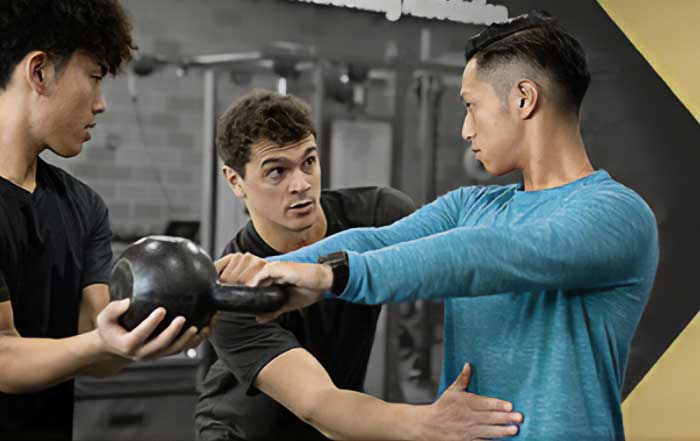
Personal training remains a cornerstone of the global fitness industry, yet the role of the trainer in 2026 is almost unrecognizable compared with its early iterations. Instead of focusing solely on sets and repetitions, leading trainers now operate as integrated performance consultants who combine exercise science, behavioral psychology, and data analytics to guide clients toward long-term health and performance outcomes. With the widespread adoption of advanced wearables and connected platforms, trainers can continuously monitor heart rate variability, sleep efficiency, recovery status, and training load, enabling them to adjust programs in real time and provide a level of personalization that would have been impossible only a few years ago.
Tools and ecosystems built around platforms such as WHOOP, Garmin Connect, and Apple Health have become standard in high-end personal training, with clients expecting coaches to interpret complex biometrics rather than simply count repetitions. Learn more about how these metrics are shaping exercise prescription through resources from organizations like the American College of Sports Medicine at acsm.org. In metropolitan markets across the United States, United Kingdom, Germany, Canada, Australia, and Singapore, highly credentialed trainers are commanding premium rates, especially when they blend in-person sessions with online coaching and subscription-based programming. Data from the U.S. Bureau of Labor Statistics at bls.gov continues to show faster-than-average growth for fitness trainers and instructors, while elite coaches serving executives and professional athletes often cross into six-figure annual earnings.
Credibility in this field is increasingly tied to high-quality certifications and ongoing education. Organizations such as the National Academy of Sports Medicine at nasm.org and the American Council on Exercise at acefitness.org maintain global recognition, while European professionals often align with frameworks shaped by EuropeActive at europeactive.eu. Trainers who pursue specializations in strength and conditioning, corrective exercise, women's health, or aging populations are particularly well-positioned, as demographic trends in North America, Europe, and parts of Asia point to sustained demand for targeted, evidence-based coaching. For readers exploring how these roles connect to broader industry trends, the dedicated coverage at FitPulse News Fitness offers ongoing analysis.
Group Fitness Instruction and Holistic Wellness Coaching
Group fitness remains one of the most powerful engines of engagement in the global fitness landscape, but the format has evolved significantly. In 2026, successful group instructors are not merely class leaders; they are community architects who understand how to foster belonging, inclusion, and psychological safety in both physical and virtual spaces. Whether leading high-intensity interval training in New York, cycling classes in London, Pilates in Berlin, or dance-based sessions, instructors are expected to deliver experiences that are technically sound, emotionally engaging, and seamlessly accessible to hybrid audiences.
The pandemic-era shift to digital platforms has solidified into a durable hybrid model. International providers like Les Mills International at lesmills.com have demonstrated how licensed instructors can extend their reach globally through live streaming and on-demand content, turning local reputations into cross-border brands. In fast-growing markets such as Germany, the Netherlands, Sweden, and South Korea, boutique studios now integrate live classes with app-based communities and on-demand libraries, creating stable roles for instructors who can perform confidently on camera and understand digital engagement metrics.
Running parallel to this evolution is the rise of wellness coaching as a distinct and respected profession. Rather than focusing exclusively on physical training, wellness coaches adopt a holistic approach that addresses physical activity, sleep, stress management, nutrition, and mental well-being. Many work within universities, hospitals, and corporate environments, aligning with the broader mental health movement and the recognition, highlighted by the World Health Organization at who.int, that mental and physical health are inseparable. Credentials from bodies such as the International Coaching Federation at coachingfederation.org and Wellcoaches at wellcoaches.com help differentiate practitioners who follow evidence-based, ethical coaching standards. For FitPulse readers interested in this more integrated perspective, the platform's wellness section explores how holistic practice is reshaping both individual careers and organizational strategies.
Fitness Career Navigator 2026
Explore career paths where health, business, and technology converge
Modern trainers operate as integrated performance consultants combining exercise science, behavioral psychology, and data analytics to guide clients toward long-term health outcomes.
- Utilize advanced wearables and connected platforms (WHOOP, Garmin, Apple Health)
- Monitor heart rate variability, sleep efficiency, and recovery status in real-time
- Blend in-person sessions with online coaching and subscription programming
- Specialize in strength conditioning, corrective exercise, women's health, or aging populations
- Pursue certifications from NASM, ACE, or EuropeActive frameworks
Strategic business function integrating employee health into HR, benefits, and organizational development to reduce healthcare costs and improve productivity.
- Design data-informed wellness strategies aligned with business objectives
- Manage vendor relationships and outcomes measurement programs
- Interpret aggregate health data while respecting privacy regulations (GDPR)
- Align initiatives with ESG and sustainability objectives
- Work across North America, Europe, and Asia in competitive labor markets
High-impact professionals working at the interface of research and practice, using laboratory-grade testing to optimize performance and reduce injury risk.
- Embedded in professional clubs, Olympic programs, and university athletic departments
- Collaborate with coaches, physicians, and nutritionists on training protocols
- Apply expertise in cardiac rehabilitation and metabolic disease management
- Follow rigorous standards from BASES, ESSA, and similar bodies
- Work in elite sports, research universities, and advanced clinical programs
Build multi-platform brands spanning subscription apps, streaming services, and social media with global reach targeting specific fitness niches.
- Create content for underserved audiences with personalized engagement
- Combine training expertise with content strategy and digital marketing
- Diversify revenue through memberships, premium programs, and brand partnerships
- Leverage platforms like Peloton, Apple Fitness+, and independent channels
- Build global communities across continents with high production standards
High-trust roles at the intersection of healthcare and performance, requiring advanced education and deep understanding of injury mechanisms and tissue healing.
- Athletic trainers, physiotherapists, and rehabilitation specialists
- Work with elite athletes (NBA, NFL, FIFA) and active aging populations
- Employed by hospitals, orthopedic clinics, and national sports institutes
- Follow standards from NATA and national physiotherapy councils
- Bridge medical care with return-to-play and return-to-work protocols
Critical pillar in public health strategies, shaping active habits early in life and ensuring equitable access to physical activity regardless of income.
- Work in schools, community centers, non-profits, and municipal programs
- Combat childhood obesity and sedentary lifestyles through education
- Supported by CDC, Sport England, and global government initiatives
- Combine coaching with advocacy to improve infrastructure and safety
- Gain experience in program design, stakeholder engagement, and impact measurement
Sports Science and Exercise Physiology as High-Impact Professions
Behind every high-performing athlete, successful rehabilitation program, and well-designed corporate wellness initiative lies a foundation of sports science and exercise physiology. In 2026, these careers have gained prominence as governments, professional sports organizations, and healthcare systems recognize the cost-effectiveness of scientifically designed training and prevention strategies. Exercise physiologists and sports scientists work at the interface of research and practice, using laboratory-grade testing and field-based monitoring to understand how the human body responds to different training stimuli, environmental conditions, and recovery protocols.
In countries such as the United States, United Kingdom, Australia, and Canada, sports scientists are embedded within professional clubs, Olympic programs, and university athletic departments, where they collaborate with coaches, physicians, and nutritionists to optimize performance and reduce injury risk. The British Association of Sport and Exercise Sciences at bases.org.uk and similar bodies in Europe set rigorous standards for education and practice, while institutions like Exercise & Sports Science Australia at essa.org.au define competencies in the Asia-Pacific region. Exercise physiologists also play a vital role in clinical contexts, especially in cardiac rehabilitation, metabolic disease management, and healthy aging, aligning with global noncommunicable disease strategies outlined by the World Health Organization.
Salaries in this field vary by region and sector but tend to reflect the high level of specialization required, with top professionals in elite sports, research-intensive universities, and advanced clinical programs achieving strong earning potential and long-term career security. As organizations across Europe, Asia, and North America continue to invest in performance analytics and population health, the demand for credible, research-literate practitioners is expected to remain robust.
Corporate Wellness and Workplace Fitness as Strategic Business Functions
By 2026, corporate wellness has firmly transitioned from an optional perk to a strategic business imperative. Organizations operating across North America, Europe, and Asia now recognize that investing in employee health can reduce healthcare costs, improve productivity, strengthen employer branding, and support retention in a highly competitive global labor market. Fitness and wellness professionals working in this space are increasingly integrated into human resources, benefits, and organizational development functions, tasked with designing and executing data-informed wellness strategies.
Global technology leaders such as Google at google.com and Microsoft at microsoft.com helped set the benchmark by building on-site fitness centers, mental health resources, and digital wellness platforms. Mid-sized companies and public-sector organizations have followed, often partnering with external wellness providers or employing dedicated wellness managers to oversee program design, vendor relationships, and outcomes measurement. In markets like Germany, the Netherlands, and Scandinavia, where public health systems and employers collaborate closely, tax incentives and regulatory frameworks further support the integration of structured physical activity and preventive health into the workplace.
For fitness professionals, this environment offers a range of career paths, from on-site fitness coaching and ergonomics consulting to program management and strategic advisory roles. Professionals who can interpret aggregate health data, respect privacy regulations such as the GDPR in Europe at gdpr.eu, and align wellness initiatives with broader ESG and sustainability objectives are particularly valued. FitPulse's business and jobs coverage frequently highlights how these roles are evolving across global markets.
Nutrition and Fitness: Integrated Careers in Preventive Health
The synergy between nutrition and physical activity has long been recognized, but in 2026 it is being operationalized in more sophisticated ways across gyms, sports organizations, corporate wellness programs, and digital platforms. Fitness professionals who add credible nutrition expertise to their portfolio are increasingly seen as trusted guides in preventive health, capable of coaching clients through behavior change that spans both movement and dietary habits. This integration is particularly important as rates of obesity, type 2 diabetes, and cardiovascular disease remain pressing concerns in regions such as North America, Europe, and parts of Asia.
Reputable organizations such as the International Society of Sports Nutrition at issn.net and Precision Nutrition at precisionnutrition.com have helped professionalize the field through rigorous curricula and evidence-based frameworks. In parallel, clinical dietetics remains governed by national regulatory bodies and professional associations like the Academy of Nutrition and Dietetics in the United States at eatright.org, ensuring clear boundaries between medical nutrition therapy and performance or lifestyle coaching. Fitness nutrition specialists often operate in gyms, sports academies, wellness retreats, or online, offering program-based or subscription models that integrate exercise programming, habit coaching, and personalized nutrition strategies.
In markets such as the United States, Canada, the United Kingdom, Germany, Spain, Australia, and Singapore, this integrated approach aligns with broader public health efforts to encourage sustainable lifestyle change rather than short-term dieting. For FitPulse readers tracking developments in this area, the platform's nutrition and health sections provide ongoing insights into how science-based nutrition is shaping the next generation of fitness careers.
Digital Fitness Entrepreneurship and Global Brand Building
Digital entrepreneurship has become one of the most dynamic frontiers in fitness careers. Since the acceleration of online training during the pandemic, the sector has evolved from improvised video workouts to highly structured, technology-enabled businesses with global reach. In 2026, fitness entrepreneurs are building multi-platform brands that span subscription apps, streaming services, social media channels, and digital communities, often targeting specific niches such as women's strength training, postnatal fitness, endurance sport preparation, or mindfulness-based movement.
Major platforms like Peloton at onepeloton.com, Apple Fitness+ at apple.com/apple-fitness-plus, and Fitbit at fitbit.com have set consumer expectations around production quality and user experience, but they have also created an ecosystem in which independent creators can thrive by addressing underserved audiences or offering more personalized engagement. Successful digital entrepreneurs combine domain expertise in training and behavior change with skills in content strategy, community management, and digital marketing. They frequently diversify revenue through membership tiers, premium programs, brand partnerships with companies such as Nike at nike.com or Adidas at adidas.com, affiliate sales, and licensed content.
The global nature of digital distribution means that creators in the United States, United Kingdom, Germany, Canada, Australia, Brazil, South Korea, or Singapore can build communities that span continents, provided they maintain high standards of accuracy, safety, and transparency. For a business-focused examination of this trend, FitPulse's technology and innovation sections regularly analyze how emerging tools, from AI coaching engines to VR training environments, are reshaping the economics of fitness entrepreneurship.
Sports Medicine and Rehabilitation: High-Trust, High-Expertise Roles
Sports medicine and rehabilitation have emerged as some of the most respected and resilient career domains within the broader fitness ecosystem. These roles sit at the intersection of healthcare and performance, requiring advanced education, licensure, and a deep understanding of injury mechanisms, tissue healing, and long-term load management. Athletic trainers, physiotherapists, sports chiropractors, and rehabilitation specialists work not only with elite athletes in leagues such as the NBA at nba.com, NFL at nfl.com, and organizations aligned with FIFA at fifa.com, but also with active individuals and aging populations seeking to remain mobile and independent.
In markets including the United States, United Kingdom, Germany, Switzerland, Canada, Australia, Japan, and South Korea, sports medicine professionals are employed by hospitals, orthopedic clinics, performance centers, and national sports institutes. Bodies such as the National Athletic Trainers' Association at nata.org and national physiotherapy councils define education and practice standards, while research published through platforms like PubMed at pubmed.ncbi.nlm.nih.gov continually refines best practice. As participation in recreational endurance events, adventure sports, and master's competitions grows worldwide, the demand for trustworthy rehabilitation experts who can bridge the gap between medical care and return-to-play or return-to-work is expected to increase further.
Fitness Technology Specialists and the Analytics Revolution
The rapid evolution of wearable devices, sensor-equipped equipment, and AI-powered coaching tools has created a new professional niche: the fitness technology specialist. These professionals combine knowledge of exercise science with fluency in data analytics, software platforms, and hardware integration, helping individuals, teams, gyms, corporations, and even municipalities translate raw biometric data into actionable strategies for performance, health, and engagement.
Devices such as the Oura Ring at ouraring.com, WHOOP bands at whoop.com, and advanced Garmin wearables at garmin.com can now track sleep stages, HRV, training load, and recovery status with increasing accuracy. However, the sheer volume and complexity of data require interpretation and context. Fitness technology specialists may consult for professional sports organizations, collaborate with occupational health teams in large corporations, or support gym chains implementing connected equipment and AI-driven programming. They must also be conversant with data privacy and security frameworks, ensuring compliance with regulations and maintaining user trust.
In technology-forward markets such as the United States, United Kingdom, Germany, the Nordic countries, Singapore, and South Korea, these hybrid roles are becoming more visible, often commanding premium consulting fees. For readers following the convergence of data science and fitness, the ongoing reporting at FitPulse News Technology provides a valuable lens on how this specialization is likely to evolve.
Youth, Community, and Public Health-Focused Fitness Leadership
Not all high-impact fitness careers are centered on elite performance or corporate environments. Youth and community fitness leadership continues to be a critical pillar in global public health strategies, particularly in regions grappling with rising childhood obesity, sedentary lifestyles, and mental health challenges. Professionals working in schools, community centers, non-profit organizations, and municipal programs play a pivotal role in shaping active habits early in life and ensuring that access to physical activity is not limited by income or geography.
In the United States, initiatives supported by the Centers for Disease Control and Prevention at cdc.gov encourage schools and local governments to integrate structured physical activity and health education into daily routines. In the United Kingdom, agencies such as Sport England at sportengland.org focus on increasing participation across demographics, while similar efforts unfold across Europe, Africa, Asia, and Latin America through collaborations between governments, NGOs, and private partners. Community fitness leaders in South Africa, Brazil, Malaysia, and Thailand, for example, often combine coaching with advocacy, working to improve infrastructure, safety, and cultural attitudes toward movement.
Although compensation in community roles can be more modest than in corporate or elite sports settings, many professionals view them as deeply meaningful and strategically important. The experience gained in program design, stakeholder engagement, and impact measurement can also serve as a foundation for future work in policy, public health, or sports administration. Readers interested in the societal dimension of fitness can find relevant coverage in FitPulse's world and culture sections.
Environmental and Outdoor Fitness Careers in a Sustainability-Focused World
The intersection of fitness and environmental sustainability has become a compelling space for professionals who wish to align personal values with career choices. Outdoor and eco-wellness careers draw on a growing global appetite for nature-based experiences, as individuals in dense urban environments seek respite from screen-heavy routines and climate concerns push businesses to rethink how they design and deliver wellness offerings. From guided trail running and alpine conditioning in Switzerland and Austria to surf and yoga retreats in Portugal, Bali, and Costa Rica, outdoor fitness professionals are crafting experiences that integrate physical challenge, mental restoration, and environmental education.
Eco-wellness tourism is particularly vibrant in regions such as Southeast Asia, Southern Europe, and Oceania, where natural landscapes and hospitality infrastructure intersect. Many retreats now incorporate explicit sustainability commitments, drawing on frameworks promoted by organizations like the Global Sustainable Tourism Council at gstcouncil.org. Fitness professionals in these settings may lead daily training sessions, coordinate with local conservation initiatives, and educate guests on low-impact travel and outdoor ethics. In North America, national parks and mountain resorts in the United States and Canada are expanding their offerings to include structured fitness and wellness programming, creating opportunities for trainers and coaches who are skilled in outdoor leadership and risk management.
For the FitPulse audience, which follows both wellness and environmental developments, the platform's environment and sustainability sections provide additional context on how climate-conscious consumers and businesses are reshaping this segment of the industry.
Building a Future-Proof Fitness Career in 2026 and Beyond
Across all of these domains-personal training, group instruction, sports science, corporate wellness, digital entrepreneurship, sports medicine, technology specialization, community leadership, and eco-wellness-a consistent pattern emerges. The most resilient and rewarding fitness careers in 2026 are built on a foundation of demonstrable expertise, ethical practice, and the ability to integrate knowledge across disciplines. Professionals who invest in credible education, remain current with scientific research, and embrace technology as a tool rather than a threat are well positioned to thrive, whether they are based in the United States, United Kingdom, Germany, Canada, Australia, Singapore, Japan, South Africa, Brazil, or any other region where health and performance are rising priorities.
For organizations and investors, these trends underscore that fitness is no longer a peripheral service but a strategic lever that influences healthcare costs, workforce productivity, brand reputation, and ESG performance. For policymakers, they highlight the importance of creating regulatory and funding environments that support evidence-based practice and equitable access. And for individuals considering their next career move, they demonstrate that a passion for health and movement can translate into a wide array of professional pathways, from clinic to boardroom, from local community center to global digital platform.
As FitPulse News continues to track developments across news, sports, brands, and innovation, one conclusion is increasingly clear: fitness careers are becoming more sophisticated, more influential, and more deeply connected to the major economic and social issues of the time. Those who approach the field with a commitment to lifelong learning, ethical responsibility, and cross-disciplinary collaboration will not only secure meaningful, future-proof roles but also contribute to building healthier, more resilient societies worldwide.