

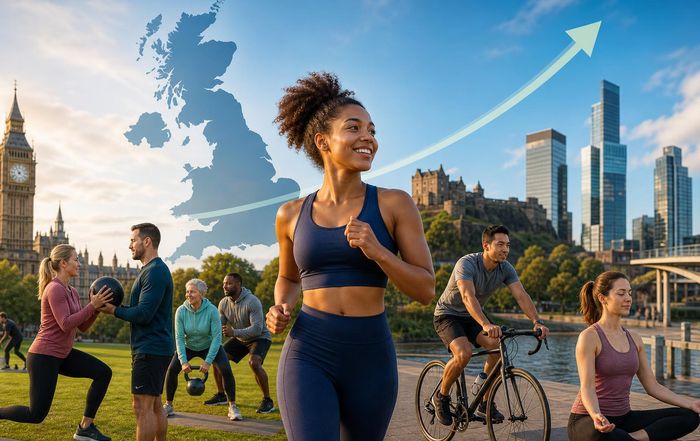
Community Fitness Growth Across the United Kingdom
The New Landscape of Community Fitness
Community fitness across the United Kingdom has evolved from a loosely connected network of local gyms and running clubs into a dynamic ecosystem that blends neighborhood identity, digital innovation, and evidence-based health strategies. For readers of FitPulseNews-who sit at the intersection of fitness, health, sports, business, and culture-this transformation is not merely a trend story but a strategic shift that is reshaping how citizens move, how brands engage, and how local economies grow. As the UK continues to address long-term public health challenges, from rising obesity rates to mental health pressures, the growth of community fitness is increasingly viewed by policymakers, health systems, and investors as a critical lever for sustainable wellbeing and economic resilience.
This change has not occurred in isolation. It is deeply intertwined with global shifts in hybrid work, digital health, and consumer expectations around personalization and purpose. In this context, community fitness has become a proving ground for new models of participation, from hyper-local walking groups in small towns to large-scale urban initiatives powered by technology platforms and supported by national sports bodies. Readers seeking a deeper understanding of how these developments intersect with broader wellness and health trends can explore related coverage that is updated every single day on fitness and performance and health and wellbeing, where the same forces are redefining how people train, recover, and live.
From Gym Memberships to Movement Ecosystems
Historically, fitness in the UK was dominated by traditional gym memberships, pay-per-class studios, and organized sports clubs. Over the last decade, rising digital engagement, the proliferation of wearables, and the impact of the COVID-19 pandemic catalyzed a shift toward more flexible, community-centered models. By 2026, this has matured into what many industry observers now describe as "movement ecosystems," in which local authorities, health providers, employers, sports governing bodies, and technology companies collaborate to make physical activity more accessible and socially anchored. Organizations such as Sport England have played a central role in this evolution by publishing data-driven insights on participation patterns and funding community initiatives that target inactive populations; interested readers can review the latest participation trends through Sport England's Active Lives data.
This ecosystem mindset is also visible in how city planners and public health officials work together to embed physical activity into everyday life. The UK's National Health Service (NHS) has increasingly emphasized prevention and lifestyle interventions, with physical activity recognized as a core pillar of long-term health. Healthcare professionals are more frequently signposting patients to local exercise opportunities, from community walking groups to supervised gym programmes, and digital tools are being integrated into care pathways. To understand how this dovetails with broader public health strategies, readers can consult the NHS guidance on physical activity for health, which underpins many community initiatives now being scaled across the UK.
Data-Driven Insights and Regional Disparities
One of the defining features of community fitness growth in the UK has been the increasing use of data to identify gaps, target interventions, and measure outcomes. Public bodies, academic institutions, and private-sector partners now routinely analyze participation rates by region, demographic group, and socioeconomic status, enabling more precise strategies to reduce inactivity. The Office for National Statistics (ONS) has become a critical reference point for understanding the relationship between physical activity, health outcomes, and broader social indicators, including income, employment, and education. Analysts and decision-makers can examine regional health and activity patterns via the ONS's health and social care statistics, which often inform local fitness strategies.
Despite significant progress, regional disparities remain a central challenge. While major cities such as London, Manchester, and Edinburgh have seen rapid growth in community fitness offerings, rural areas and post-industrial towns still face barriers related to infrastructure, transport, and affordability. Organizations like Public Health England (now integrated into the UK Health Security Agency and Office for Health Improvement and Disparities) have highlighted these inequalities and encouraged targeted investment in underserved communities. For a broader perspective on health inequalities and their economic implications, global resources from the World Health Organization on physical activity and health provide a useful comparative lens for understanding where the UK stands relative to other nations.
The Role of Local Authorities and Urban Design
Local authorities across the UK have emerged as pivotal actors in shaping the conditions for community fitness growth. In many cities and towns, investment in active travel infrastructure, public parks, and open spaces has been directly linked to increased physical activity levels and community engagement. The redesign of streets to prioritize pedestrians and cyclists, the creation of outdoor gyms, and the development of safe, well-lit walking routes are now widely recognized as strategic health interventions rather than purely urban design choices. The UK Government's Department for Transport has published guidance and funding frameworks to support local active travel schemes, and interested readers can explore policy directions via the department's materials on walking and cycling initiatives.
Urban planning bodies and professional associations have also embraced the concept of "15-minute cities," where essential services, green spaces, and recreational facilities are accessible within a short walk or cycle ride. This concept, while debated in some quarters, has influenced several UK local plans, leading to mixed-use developments that integrate fitness spaces, community centers, and sports facilities. For practitioners seeking reference models, the Royal Town Planning Institute offers guidance and case studies on planning for healthy cities, illustrating how the built environment can support everyday movement and social connection, both of which are fundamental to sustainable community fitness.
Digital Platforms, Wearables, and Hybrid Participation
Technology has been a powerful accelerator of community fitness growth in the UK, particularly as digital and physical experiences converge into hybrid participation models. Fitness apps, connected equipment, and wearables have moved from niche tools to mainstream companions, enabling individuals to track their activity, join virtual communities, and participate in challenges that transcend geographical boundaries. Global players such as Apple, Garmin, and Strava have become ubiquitous in the UK fitness landscape, with platforms like Strava providing rich data on popular routes and community hotspots. Those interested in how digital communities shape physical activity can explore insights from Strava's community data and reports.
At the same time, UK-based startups and established fitness operators have developed localized digital offerings tailored to community needs. Hybrid models-where participants engage both online and in person-are particularly attractive for people balancing flexible work patterns, caregiving responsibilities, and varied fitness levels. The UK's Chartered Institute for the Management of Sport and Physical Activity (CIMSPA) has outlined professional standards for digital delivery and remote coaching, helping ensure quality and safety in this rapidly evolving domain. Professionals and business leaders can learn more about digital standards in sport and fitness via CIMSPA's resources, which are increasingly influential in shaping best practice across the sector.
Community Fitness as a Health and Wellness Strategy
The growth of community fitness in the UK is tightly aligned with a broader shift toward holistic health and wellness, in which physical activity is integrated with mental health support, nutrition guidance, and lifestyle coaching. For readers of FitPulseNews, this integrated approach mirrors the platform's own coverage of wellness and nutrition, where movement is seen as one component of a broader wellbeing strategy rather than an isolated activity.
Healthcare professionals and public health agencies increasingly emphasize the mental health benefits of regular physical activity, particularly in relation to stress reduction, mood regulation, and social connection. The National Institute for Health and Care Excellence (NICE) has developed guidelines that recognize the role of exercise in preventing and managing conditions such as depression and anxiety, and these guidelines are informing community programmes that combine fitness sessions with peer support and signposting to mental health services. Readers seeking a more clinical perspective on these links can consult NICE's recommendations on physical activity and mental health.
The integration of nutrition, sleep, and recovery into community fitness initiatives is also becoming more common. Local programmes frequently partner with dietitians, sleep coaches, and wellness practitioners to deliver workshops and educational sessions, reflecting a growing understanding that sustainable health gains require coordinated lifestyle changes. International organizations such as the British Dietetic Association and the Sleep Foundation provide accessible resources on evidence-based nutrition and healthy sleep habits, which are often adapted into community education materials across the UK.
Sports, Grassroots Participation, and National Identity
Sport remains a powerful driver of community fitness in the UK, not only as a competitive pursuit but as a source of identity, pride, and social cohesion. The success of national teams and athletes in football, rugby, athletics, cycling, and other disciplines continues to inspire grassroots participation, with governing bodies investing heavily in community programmes designed to widen access and nurture talent. Organizations such as The Football Association, England and Wales Cricket Board, and UK Athletics have expanded their outreach to schools, youth clubs, and local community groups, recognizing that sustainable elite performance depends on a deep and diverse participation base. Those interested in how national sports strategies connect to community-level action can explore policy frameworks from UK Sport via its strategic plans and reports.
Major events hosted in the UK, from marathons and cycling festivals to international championships, serve as catalysts for local engagement and infrastructure development. City authorities and event organizers increasingly design legacy programmes that aim to convert short-term excitement into long-term participation, ensuring that investments in facilities, volunteer networks, and community clubs continue to yield benefits long after the final whistle. Coverage of these events and their community impact is a regular feature on FitPulseNews sports reporting, where the interplay between elite performance and everyday participation is examined through a business and culture lens.
Brands, Business Models, and the Commercial Opportunity
For businesses, the rise of community fitness in the UK represents both a growth opportunity and a reputational test. Fitness operators, apparel brands, technology companies, and wellness providers are increasingly expected to demonstrate genuine commitment to community outcomes, rather than simply leveraging fitness as a marketing theme. Global brands such as Nike, Adidas, and Lululemon have invested in community-based initiatives, including free run clubs, local workshops, and partnerships with grassroots organizations, aiming to align commercial objectives with social impact. Business leaders examining these models may find useful context in broader analyses of sustainable business practices from the World Economic Forum, which highlight how purpose-driven strategies can enhance both brand equity and long-term financial performance.
Within the UK, boutique fitness studios, community gyms, and digital platforms are experimenting with new revenue models that combine membership, pay-per-use, corporate partnerships, and public funding. The boundary between public and private provision is increasingly fluid, with social enterprises and community interest companies operating alongside commercial chains and local authority facilities. Investors and entrepreneurs tracking these developments can benefit from insights offered by the UK Active industry association, which regularly publishes market intelligence and policy updates on the UK fitness and leisure sector. For newsletters or RSS subscribers and readers of FitPulseNews, these business dynamics are closely aligned with ongoing coverage in the business and innovation sections, where the commercial implications of health and fitness trends are analyzed in depth.
Corporate Wellness, Hybrid Work, and Employee Engagement
The evolution of work patterns in the UK-particularly the normalization of hybrid and remote arrangements-has had a profound impact on community fitness. Employers increasingly recognize that supporting employee wellbeing is not only a moral imperative but a strategic necessity for productivity, retention, and employer branding. Corporate wellness programmes have therefore shifted from generic gym discounts to more integrated approaches that leverage local community fitness assets and digital tools. Large organizations now frequently partner with community gyms, sports clubs, and wellness providers to offer localized classes, walking groups, and mental health-focused activities, creating a bridge between the workplace and the neighborhood.
Research from organizations such as Chartered Institute of Personnel and Development (CIPD) has underscored the link between physical activity, mental health, and workplace performance, and many HR leaders now consult CIPD guidance on health and wellbeing at work when designing their strategies. For workers and jobseekers, the presence of meaningful wellness initiatives and support for active lifestyles is increasingly a factor in employment decisions, a trend mirrored in coverage on FitPulseNews jobs and careers, where employee experience and wellbeing are now core themes in labor market reporting.
Culture, Inclusion, and the Social Fabric of Fitness
Community fitness in the UK is not only a health or economic story; it is also a cultural and social narrative about who feels welcome in fitness spaces and whose needs are prioritized. Over the past several years, there has been greater recognition that traditional fitness environments have not always been inclusive, particularly for women, older adults, people with disabilities, ethnic minority communities, and those from lower-income backgrounds. Addressing these gaps has become a central objective for policymakers, operators, and advocacy groups, who increasingly emphasize co-creation with communities, culturally sensitive programming, and the removal of financial and psychological barriers to participation.
Cultural institutions, media organizations, and influencers play a growing role in reshaping the narrative around fitness, moving away from narrow aesthetics toward messages of capability, community, and wellbeing. For readers interested in how these cultural shifts intersect with broader social trends, FitPulseNews offers ongoing analysis in its culture coverage, where stories of local initiatives, role models, and creative collaborations illustrate the human side of the UK's fitness transformation. Internationally, organizations such as UN Women and the International Olympic Committee have highlighted the importance of inclusive sport and physical activity in advancing gender equality and social cohesion, and their resources on sport for development and peace provide a global context for the UK's efforts.
Technology, Innovation, and the Future of Community Fitness
Looking ahead, the trajectory of community fitness growth in the UK will be heavily influenced by technological innovation, from AI-powered coaching to immersive experiences that blend physical and digital environments. Startups and established technology firms are exploring applications of virtual reality, augmented reality, and advanced data analytics to create more personalized, engaging, and adaptive fitness experiences. These tools have the potential to support individuals who may be hesitant to join traditional gyms, enable remote group participation, and provide richer feedback on progress and health indicators. Readers tracking these developments can find complementary coverage in the technology and innovation sections of FitPulseNews, where the implications of AI, wearables, and connected devices for health and fitness are examined from both user and business perspectives.
At the same time, innovation in community fitness is not limited to cutting-edge technology. New models of governance, funding, and partnership are emerging, including community ownership of facilities, blended finance structures, and cross-sector collaborations that bring together health providers, schools, charities, and private companies. The Nesta innovation foundation has documented several of these models in its work on health and innovation, offering case studies that highlight how creative approaches can unlock value for communities and systems alike. For FitPulseNews, which regularly reports on innovation and sustainability, these developments reflect a broader shift toward more participatory, resilient, and future-ready health ecosystems.
Sustainability, Environment, and Active Cities
Sustainability has become an increasingly important dimension of community fitness in the UK, as cities and organizations seek to align health promotion with environmental responsibility. Active travel initiatives that encourage walking and cycling not only improve physical activity levels but also reduce carbon emissions and congestion, making them central to local climate action plans. Public parks, green corridors, and nature-based recreation are recognized as vital infrastructure for both health and environmental resilience, providing spaces for exercise, social interaction, and biodiversity. The UK Government's Department for Environment, Food & Rural Affairs (DEFRA) and organizations such as Natural England have published strategies that underscore the health benefits of access to green spaces, and readers can explore these connections through DEFRA's materials on environment and health.
For FitPulseNews readers, the intersection of fitness, environment, and sustainability is a recurring theme, covered in sections on environment and sustainability, where active cities, low-carbon lifestyles, and resilient communities are analyzed as part of a single, interconnected agenda. International frameworks, including the United Nations Sustainable Development Goals, reinforce the idea that promoting physical activity is not only a health intervention but also a contribution to sustainable cities, climate action, and reduced inequalities. Those seeking a global perspective can examine the UN's guidance on health and sustainable development, which provides a useful reference point for understanding how the UK's community fitness efforts fit within a broader international movement.
The Strategic Imperative for the Next Decade
As of 2026, community fitness growth across the United Kingdom has moved beyond the stage of experimentation and early adoption into a more mature, strategically significant phase. For policymakers, the evidence base linking physical activity to health outcomes, productivity, and social cohesion has become too strong to ignore, positioning community fitness as a core component of national and local strategies. For businesses and brands, the sector offers a platform to demonstrate authentic commitment to wellbeing, sustainability, and inclusion, but also demands higher standards of transparency and impact measurement. For citizens, community fitness represents an opportunity to connect, build resilience, and improve quality of life in ways that are both personal and collective.
Within this evolving landscape, FitPulseNews is positioned as a trusted guide and analyst, connecting developments in fitness, health, sports, business, technology, culture, and sustainability for a globally minded audience. Readers who wish to follow the ongoing story of community fitness in the UK and beyond can explore the daily updated premium website platform's broader coverage at FitPulseNews home, where daily reporting, features, and analysis track how movement is reshaping not only bodies, but businesses, cities, and societies. Over the coming decade, the success of community fitness initiatives will depend on sustained collaboration, inclusive design, and a willingness to integrate health, technology, and sustainability into a coherent, long-term vision. The UK's experience to date suggests that when these elements align, community fitness can become a powerful engine of national wellbeing, economic vitality, and social connection.