

Global Sports: Innovation, Inclusion, and the Business of Human Performance
The New Shape of the Global Sports Economy
Wow, international sport has evolved into a sophisticated ecosystem where performance, technology, wellness, and commerce intersect in ways that would have seemed ambitious even a decade ago. The global sports economy, now estimated well above the $600 billion mark and still expanding, has become a defining pillar of cultural and economic life across North America, Europe, Asia, Africa, and Latin America. For the audience of FitPulseNews, which follows developments in sports, business, health, and technology, this transformation is not an abstract macrotrend but a lived reality that shapes careers, lifestyles, and long-term wellbeing.
Global events such as the Olympic Games, the FIFA World Cup, the NBA Finals, and the Tour de France continue to command vast audiences, but their significance has shifted from being primarily entertainment spectacles to acting as platforms for sustainability, social change, and data-driven innovation. Host cities from Los Angeles to Brisbane are increasingly judged not only on medal counts and stadium architecture but also on their environmental impact, legacy planning, and capacity to leverage sports for urban health and social cohesion. Organizations like the International Olympic Committee (IOC) and FIFA face growing scrutiny and expectations in areas ranging from human rights to climate commitments, and this heightened accountability is reshaping governance standards across the industry. Those following global developments through FitPulseNews World see sport functioning as both a mirror and a driver of wider geopolitical and economic shifts.
North America: Athlete Empowerment and the Maturing Sports-Tech Market
In North America, the sports economy is defined by athlete empowerment, media fragmentation, and the rapid maturation of sports technology. In the United States, the NFL, NBA, MLB, and NHL remain dominant commercial forces, yet the most dynamic growth is occurring at the intersection of women's sports, college athletics, and digital-first fan engagement. The normalization of Name, Image, and Likeness (NIL) rights has permanently altered the collegiate landscape, enabling student-athletes to build brands and revenue streams long before turning professional, while also forcing universities, conferences, and regulators to professionalize governance models that once relied on amateur ideals.
Leagues such as the WNBA and the National Women's Soccer League (NWSL) have leveraged this shift, securing record sponsorship deals, improved broadcast windows, and rising valuations that validate women's sports as core commercial properties rather than peripheral initiatives. Major broadcasters and streaming services in the region, including ESPN, NBC Sports, and Amazon Prime Video, have integrated women's competitions into their flagship offerings, responding both to audience demand and to the growing evidence that women's sports audiences are highly engaged, loyal, and attractive to premium brands. Insight into these business dynamics is increasingly relevant to readers tracking careers and investments via FitPulseNews Jobs and FitPulseNews Business.
Canada, meanwhile, continues to balance its deep hockey heritage with a surge in basketball, soccer, and fitness-based participation sports, supported by government and private investment in community infrastructure. The country's bids for major events, from world championships to continental tournaments, emphasize not only economic multipliers but also long-term health outcomes, reflecting a broader North American trend of treating sport as a public-health asset. Those interested in the policy dimension can explore how public agencies integrate sport into population health strategies through resources such as the World Health Organization and the Centers for Disease Control and Prevention.
Europe: Tradition, Commercial Power, and Sustainability Leadership
Europe remains the epicenter of global club football and a laboratory for new models of governance, sustainability, and fan engagement. The English Premier League, La Liga, Bundesliga, Serie A, and Ligue 1 continue to attract worldwide audiences, with the UEFA Champions League and UEFA Women's Champions League functioning as global showcases for elite talent, tactical innovation, and commercial sophistication. Clubs such as Manchester City, Real Madrid, Bayern Munich, and Paris Saint-Germain have expanded their influence far beyond their domestic markets, building global academies, lifestyle brands, and digital platforms that reach fans in Asia, North America, and Africa.
Germany, the United Kingdom, and the Nordic countries are also at the forefront of sustainability in sports, with clubs and federations aligning with frameworks promoted by organizations like the United Nations Environment Programme and the European Commission. Stadium retrofits, low-carbon travel initiatives, and circular-economy merchandising strategies are no longer niche experiments but core elements of club identity and sponsor expectations. For FitPulseNews readers interested in the convergence of sport and climate action, this aligns closely with broader debates covered in FitPulseNews Environment and FitPulseNews Sustainability.
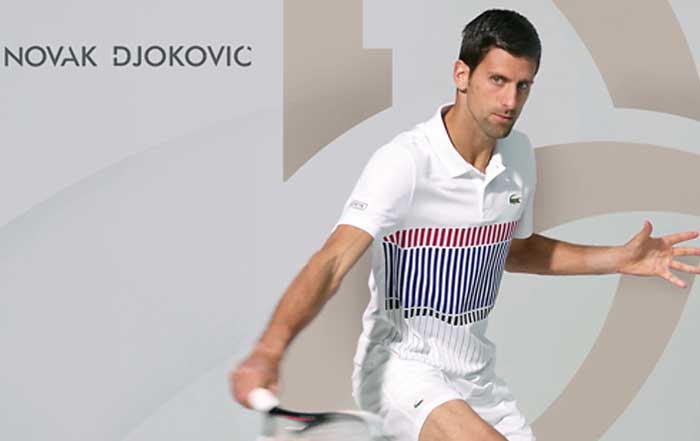
Culturally, Europe continues to celebrate multi-sport excellence, with tennis icons such as Rafael Nadal and Novak Djokovic, football stars like Kylian Mbappé, and cycling and athletics champions serving as ambassadors for regional identity and global brands. The United Kingdom, in particular, has become a pioneer in digital fan engagement, experimenting with virtual memberships, augmented-reality match experiences, and data-driven loyalty programs that allow clubs to deepen relationships with global supporters without eroding local traditions.
🌍 Global Sports Economy 2026
Explore regional insights across the $600B+ industry
Athlete Empowerment Era
NIL rights have transformed collegiate athletics, enabling student-athletes to build brands before going pro while forcing universities to professionalize governance models.
Women's Sports Breakthrough
WNBA and NWSL secure record sponsorship deals with improved broadcast windows, validating women's sports as core commercial properties.
Record ValuationsMedia Fragmentation
ESPN, NBC Sports, and Amazon Prime Video integrate women's competitions into flagship offerings, responding to highly engaged audiences attractive to premium brands.
Canada's Balance
Hockey heritage meets surge in basketball, soccer, and fitness sports, with government investment emphasizing sport as public-health asset.
Club Football Dominance
Premier League, La Liga, Bundesliga, Serie A, and Ligue 1 attract worldwide audiences. UEFA Champions League functions as global showcase for elite talent and tactical innovation.
Sustainability Leadership
Germany, UK, and Nordic countries pioneer low-carbon travel, stadium retrofits, and circular-economy merchandising as core club identity elements.
Climate ActionGlobal Brand Expansion
Manchester City, Real Madrid, Bayern Munich, and PSG build global academies, lifestyle brands, and digital platforms reaching Asia, North America, and Africa.
Digital Fan Engagement
UK pioneers virtual memberships, augmented-reality experiences, and data-driven loyalty programs deepening global supporter relationships.
Fastest-Growing Market
Asia-Pacific leads in audience scale and innovation in digital formats, with China commanding vast participation in basketball, football, and fitness segments.
Growth EngineEsports Dominance
South Korea's unrivaled leadership in esports with professional leagues, training academies, and tech partnerships turning competitive gaming into mainstream economic sector.
Olympic Legacy
Japan and South Korea strengthen infrastructures supporting both elite competition and mass participation following recent hosting duties.
Sports Science Leadership
Australia and New Zealand emerge as thought leaders in athlete welfare, collaborating with universities and biotech firms on training loads and injury prevention.
Talent Production
Nigeria, Ghana, Senegal, Morocco, and South Africa produce elite football players populating European and North American leagues.
Distance Running Excellence
Kenya and Ethiopia dominate long-distance running through altitude advantage, tradition, and structured coaching environments producing world-leading athletes.
Global LeadersMiddle East Investment
Qatar, Saudi Arabia, and UAE use sport for economic diversification and soft power, investing aggressively in football, combat sports, golf, and motorsport.
Governance Scrutiny
International bodies intensify oversight of mega-event bidding and ownership models, reinforcing need for transparent standards aligning growth with ethical responsibility.
Football as Cultural Language
Sport transcends class and geography across Brazil, Argentina, Mexico, and Colombia, with stars like Messi and Neymar embodying creativity and emotional intensity.
Governance Progress
Domestic leagues make strides in youth development and digital broadcasting, partnering with global platforms to reach diasporic communities.
Digital GrowthSport Diversification
Volleyball, mixed martial arts, basketball, and motorsport gain traction supported by improved infrastructure and targeted investment.
Sports Tourism
Brazil expands global sports tourism combining beach culture, endurance races, and music festivals for urban regeneration and international branding.
Asia-Pacific: Growth Engine for Audiences, Esports, and Hybrid Wellness
The Asia-Pacific region has consolidated its role as the fastest-growing sports market, both in terms of audience scale and innovation in digital formats. China's sports sector, while navigating regulatory shifts and broader economic headwinds, still commands vast participation and viewership in basketball, football, and emerging fitness segments. Partnerships between organizations such as Tencent Sports, global leagues, and international federations continue to shape media rights, fan engagement, and youth development, even as policymakers emphasize domestic talent pipelines and national performance goals.
Japan and South Korea have built on the legacy of recent Olympic and World Cup hosting to strengthen infrastructures that support both elite competition and mass participation. South Korea's leadership in esports remains unrivaled, with professional leagues, training academies, and technology partnerships turning competitive gaming into a mainstream economic sector closely monitored by analysts and regulators. Those seeking data on the esports economy increasingly rely on resources such as Newzoo and the International Esports Federation, which document how sponsorship, media rights, and fan engagement in digital sports are converging with traditional models.
Australia and New Zealand remain synonymous with high-performance systems in rugby, cricket, and aquatic sports, but they are also emerging as thought leaders in athlete welfare and sports science. National institutes of sport collaborate with universities, biotech firms, and wearable-technology companies to refine training loads, injury prevention, and recovery strategies, setting benchmarks that influence coaches and practitioners worldwide. For FitPulseNews readers following fitness and wellness, the region offers practical case studies in integrating high-performance methodologies into everyday health and recreational participation.
Africa and the Middle East: Infrastructure, Talent Pathways, and Strategic Positioning
Across Africa, the narrative in 2026 is one of accelerating visibility and long-term structural building. Football remains the continent's heartbeat, with nations such as Nigeria, Ghana, Senegal, Morocco, and South Africa producing elite players who populate European and North American leagues. The Confederation of African Football (CAF) has expanded tournament formats, media partnerships, and development programs, aiming to retain more value within the continent and strengthen local leagues. International observers increasingly recognize Africa not only as a talent exporter but as a rising center of sports entrepreneurship and fan culture, a trend closely followed in global analyses by organizations like the African Union Sports Council and the International Labour Organization in relation to job creation.
Kenya and Ethiopia continue to dominate long-distance running, where altitude, tradition, and structured coaching environments combine to produce world-leading athletes, while South Africa remains a focal point for rugby, cricket, and adventure sports tourism. Fitness tourism in the region, combining marathons, cycling tours, and wellness retreats with cultural and nature experiences, reflects a broader global shift toward experiential travel that integrates performance and recovery.
The Middle East, led by countries such as Qatar, Saudi Arabia, and the United Arab Emirates, has doubled down on sport as a strategic pillar of economic diversification and soft power. Following Qatar's successful hosting of the FIFA World Cup, Saudi Arabia's aggressive investment in football, combat sports, golf, and motorsport has drawn both opportunity and controversy, raising complex questions about governance, competitive balance, and human rights. International bodies and advocacy organizations, including Amnesty International and Human Rights Watch, have intensified scrutiny of mega-event bidding and ownership models, reinforcing the need for transparent standards that align commercial growth with ethical responsibility.
Latin America: Passion, Community, and Exported Excellence
In Latin America, sport continues to be a cultural language that transcends class and geography. Football remains the dominant force in Brazil, Argentina, Mexico, Colombia, and beyond, with stars such as Lionel Messi, Neymar Jr., and a new generation of talent embodying the region's mix of creativity, resilience, and emotional intensity. Domestic leagues, while still facing financial volatility, have made progress in governance, youth development, and digital broadcasting, increasingly partnering with global platforms to reach diasporic communities in North America and Europe.
Beyond football, volleyball, mixed martial arts, basketball, and motorsport have gained significant traction, supported by improved infrastructure and targeted investment. Brazil's expanding role in global sports tourism, with events that combine beach culture, endurance races, and music festivals, illustrates how sport can be integrated into broader economic strategies that promote urban regeneration and international branding. For readers of FitPulseNews who track culture and events, Latin America offers a vivid example of how community identity and commercial value can reinforce one another when sport is treated as a shared social asset.
Women's Sports: From Breakthrough to Structural Mainstay
What was once described as a "breakthrough era" for women's sports has, by 2026, evolved into a structural realignment of the sports industry. Professional women's football leagues across Europe and North America, including the Women's Super League (WSL) and top-tier competitions in Spain, France, and the United States, now secure multi-year broadcast contracts, dedicated sponsorship portfolios, and steadily rising attendance figures. The WNBA has continued to expand its media footprint, salary structures, and global talent pipeline, supported by corporate partners such as Nike, Coca-Cola, and Google, which have recognized the strategic value of aligning with women's sport as a vehicle for inclusion, authenticity, and long-term audience growth.
Media organizations including BBC Sport, Sky Sports, and The Athletic have integrated women's coverage into their core editorial strategies rather than treating it as a seasonal add-on, a shift that has substantially improved visibility and narrative depth. Research from entities like the Women's Sports Foundation and Deloitte demonstrates that women's sports audiences are younger, more diverse, and more digitally engaged than many traditional segments, a finding that continues to influence sponsorship models and content strategies. For FitPulseNews readers, especially those following innovation in business and media, women's sports represent a case study in how inclusivity can drive both impact and profitability.
Health, Wellness, and the Integration of Everyday Performance
A defining characteristic of the 2026 sports landscape is the deepening connection between elite competition and everyday wellness. Governments, healthcare providers, and employers increasingly view sport and physical activity as essential tools in combating non-communicable diseases, mental-health challenges, and productivity loss. Initiatives such as parkrun in the UK and community-based running, cycling, and fitness programs in Canada, Australia, and the Nordic countries have scaled significantly, supported by digital platforms that track participation, reward consistency, and foster social support.
Public-health agencies and research institutions, including the World Health Organization and the Harvard T.H. Chan School of Public Health, continue to publish evidence linking regular physical activity with reduced risk of cardiovascular disease, diabetes, depression, and cognitive decline. This evidence base has encouraged companies to integrate wellness incentives, corporate sports leagues, and mental-health support into employee benefits, blurring the lines between sport, workplace culture, and healthcare. Readers turning to FitPulseNews Health, nutrition, and wellness coverage encounter a consistent message: the principles used to optimize elite performance-sleep quality, recovery, mobility, and mental resilience-are increasingly accessible and relevant to the general population.
Technology, Data, and the New Fan Experience
Technology is no longer a peripheral add-on to the sports experience; it is the connective tissue binding athletes, teams, media, and fans into a continuous ecosystem. Streaming platforms such as Amazon Prime Video, Apple TV+, and DAZN have further disrupted traditional broadcast models, offering flexible subscriptions, interactive statistics, and personalized highlight feeds that respond to viewer behavior. Social platforms including Instagram, TikTok, and YouTube have transformed athletes into always-on media channels, where training content, lifestyle branding, and direct fan communication often reach more people than conventional press conferences or television interviews.
At the performance level, advances in wearables, computer vision, and artificial intelligence have reshaped coaching, scouting, and sports medicine. Clubs and federations increasingly rely on data from GPS trackers, force plates, and biometric sensors to monitor load, predict injury risk, and tailor training plans, drawing on research from institutions such as the MIT Sloan Sports Analytics Conference and the Aspire Academy. For fans, augmented reality and virtual reality experiences developed by companies like Meta and Sony offer immersive viewing options that simulate courtside or pitchside seats, while in-stadium technologies enable cashless transactions, crowd flow management, and real-time engagement.
For FitPulseNews readers who follow technology and innovation, the key trend is clear: data literacy and digital fluency are now essential skills across the sports value chain, from athletes and coaches to marketers and executives.
Employment, Careers, and the Expanding Sports Workforce
The global sports industry supports millions of jobs across performance, media, technology, infrastructure, and wellness. As leagues and events become more sophisticated, demand grows for professionals in data science, cybersecurity, sustainability, venue operations, and content production. Sports tourism, fitness entrepreneurship, and digital coaching platforms have opened new pathways for small businesses and independent professionals, particularly in emerging markets where traditional employment opportunities may be limited.
International organizations such as the International Labour Organization and the World Economic Forum increasingly reference sport in their analyses of future-of-work trends, highlighting how skills developed through sport-teamwork, resilience, leadership-align with employer needs in a rapidly changing economy. For FitPulseNews readers exploring job opportunities in sport and fitness, the message is that the sector is no longer restricted to athletes, coaches, and broadcast commentators; it now encompasses a broad range of high-skill, tech-enabled roles that reward continuous learning and cross-disciplinary expertise.
Sustainability, Ethics, and the Future Trajectory of Global Sport
Looking ahead from this year, the trajectory of global sport will be shaped by how effectively organizations reconcile commercial growth with ethical responsibility and environmental limits. Climate change, geopolitical tensions, and social-justice movements are already influencing event scheduling, travel policies, and sponsorship decisions. Federations and clubs are under pressure from fans, governments, and investors to adopt science-based emissions targets, transparent human-rights policies, and inclusive governance structures. Reports from bodies such as the Intergovernmental Panel on Climate Change and the Sport for Climate Action Framework underscore the urgency of aligning sport with broader sustainability goals.
For the global audience that turns to FitPulseNews for insight into sports, business, environment, and sustainability, sport is best understood as a complex, interdependent system. It is a source of entertainment and identity, a driver of jobs and innovation, a platform for diplomacy, and a powerful lever for health and social cohesion. The challenge and opportunity for leaders, investors, athletes, and fans is to ensure that the next chapter of global sport deepens its commitment to experience, expertise, authoritativeness, and trustworthiness, so that the games people play continue to inspire not only competition and passion, but also long-term progress for communities around the world.