

AI-Driven Health Monitoring: How Intelligence is Redefining Wellness, Business, and Global Care
Artificial intelligence has firmly moved from theoretical promise to operational reality, and nowhere is this shift more visible than in health monitoring technology. AI-enabled systems sit at the core of how individuals track their well-being, how clinicians interpret complex data, and how health systems and businesses design strategies around prevention, performance, and productivity. For readers of fitpulsenews.com, this is not a story about gadgets or fleeting trends; it is a structural transformation that touches fitness, corporate strategy, sports science, public policy, and the global economy.
Health monitoring once depended on episodic checkups, sporadic lab tests, and subjective self-reporting, which meant that many conditions were detected late and managed reactively. Today, AI-powered platforms continuously ingest data on heart rhythms, oxygen saturation, blood glucose, sleep architecture, mental health indicators, and even early biomarkers of chronic disease, transforming raw signals into actionable insight. This shift is not only redefining personal wellness and medical practice, it is altering insurance models, workplace wellness programs, elite sports preparation, and government health planning from the United States and United Kingdom to Germany, Singapore, Australia, Canada, and beyond.
In this environment, the core values of experience, expertise, authoritativeness, and trustworthiness have become decisive. As AI systems influence life-critical decisions, the organizations that design, regulate, and deploy them are being scrutinized more intensely than ever, and readers who follow developments across health and wellness, business, sports, and technology on fitpulsenews.com increasingly expect rigorous, evidence-informed analysis.
From Analog Checkups to Intelligent Ecosystems
The evolution of health monitoring can be understood as a progression from static, analog measurements to dynamic, intelligent ecosystems. In the pre-digital era, tools such as sphygmomanometers, thermometers, and peak flow meters provided narrow snapshots of physiological status, typically interpreted by clinicians during infrequent visits. Data was scarce, context was limited, and intervention often began only after symptoms were obvious.
The first digital wave introduced connected devices and early consumer wearables. Companies like Fitbit and Apple popularized step counts, basic heart rate tracking, and sleep duration metrics, creating unprecedented awareness of daily activity patterns. However, these devices were largely descriptive, leaving users to interpret trends without sophisticated guidance. The second wave, which matured in the early 2020s, brought cloud connectivity and basic analytics, but still fell short of genuine intelligence.
The current wave, fully visible by 2026, is defined by embedded AI and machine learning. Devices and platforms no longer simply record; they learn, predict, and adapt. AI models trained on massive datasets can detect subtle arrhythmias, identify deviations in respiratory patterns associated with early infection, or recognize changes in gait that may signal neurological decline. Continuous data streams combined with predictive algorithms are turning health monitoring into a proactive, anticipatory process, with implications that span clinical care, personal fitness, and corporate strategy. For readers who follow innovation trends on fitpulsenews.com, this transition represents one of the clearest examples of how AI is moving from support tool to strategic engine.
Wearables as Intelligent Health Companions
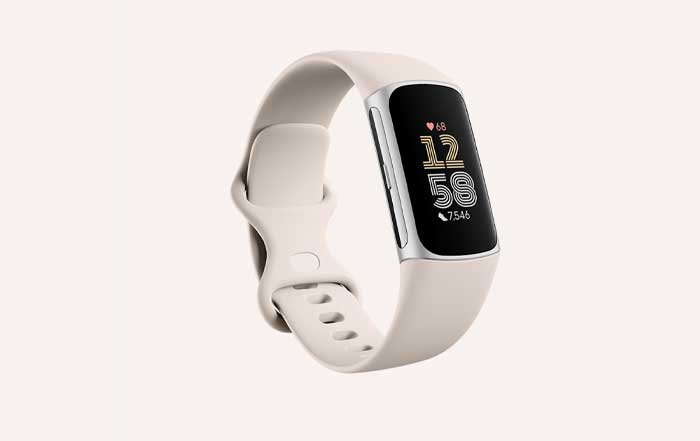
Wearable technology has become the most visible interface between AI and everyday health. Devices such as the Apple Watch, Samsung Galaxy Watch, and Garmin fitness trackers have evolved into sophisticated health companions, equipped with multi-sensor arrays that monitor heart rate variability, ECG signals, oxygen saturation, skin temperature, and activity patterns with medical-grade precision. In many jurisdictions, key features of these devices are now cleared as medical devices by regulators such as the U.S. Food and Drug Administration (FDA), underscoring their clinical relevance.
What differentiates the 2026 generation of wearables from earlier models is the depth of AI embedded in their operating systems and cloud platforms. Instead of relying on generic thresholds, AI models learn a user's personal baseline and detect anomalies relative to that individual's typical patterns. A sudden elevation in resting heart rate, subtle changes in nocturnal breathing, or a shift in heart rate variability can trigger alerts long before the wearer feels unwell. By correlating multiple signals, AI can distinguish between normal exertion, emotional stress, and potentially pathological events, thereby reducing false alarms and improving user trust.
For athletes and serious fitness enthusiasts, this intelligence has become a core part of training methodologies. Advanced analytics guide periodization, recovery, and load management, helping reduce injury risk while maximizing performance. Professional organizations and high-performance centers in regions such as Europe, North America, and Asia increasingly rely on AI-enabled wearables to individualize programs, while recreational users follow similar principles through consumer apps. Readers interested in how this technology is reshaping athletic preparation can explore coverage at Fit Pulse News sports, where AI-enhanced performance metrics are now central to modern sports science.
AI at the Core of Chronic Disease Management
Chronic diseases remain the largest burden on healthcare systems worldwide, particularly in aging societies such as Japan, Germany, Italy, and South Korea. Traditionally, conditions like diabetes, hypertension, heart failure, and chronic obstructive pulmonary disease have been managed through clinic-based monitoring and patient self-reporting, a model that often fails to detect deterioration early enough to prevent hospitalization.
AI-driven health monitoring has radically altered this equation. Continuous glucose monitors integrated with AI algorithms provide predictive alerts, suggesting insulin adjustments or dietary interventions before dangerous swings in blood sugar occur. Remote cardiac monitoring platforms analyze ECG and heart rate data in real time, identifying early signs of atrial fibrillation, ischemia, or heart failure decompensation, and prompting timely intervention. AI-enabled inhaler sensors and respiratory wearables help patients with asthma and COPD track triggers and adherence, supporting personalized treatment plans.
Healthcare providers and payers are recognizing that continuous, AI-mediated oversight can dramatically reduce acute events and emergency admissions. Integrated care models, supported by organizations such as the World Health Organization (WHO), emphasize home-based monitoring, algorithmic triage, and remote consultation as a way to extend specialist expertise to underserved areas. Learn more about how chronic disease strategies are reshaping global health systems by exploring Fit Pulse News health coverage, where these models are increasingly central to policy and practice discussions.
AI-Driven Health Monitoring
The Evolution from Analog to Intelligent Ecosystems
Evolution Timeline
Key Application Areas
Impact Metrics
AI-driven health monitoring represents a foundational transformation in how societies understand, manage, and value human well-being in 2026.
Big Data, Predictive Analytics, and Population Health
The real power of AI in health monitoring emerges when individual data streams are aggregated and analyzed at scale. Modern health systems and technology companies now process petabytes of anonymized biometric information, clinical records, and environmental data. Machine learning models trained on these vast datasets can uncover patterns that were previously invisible, enabling earlier detection of disease and more precise risk stratification.
For example, AI applied to retinal images has demonstrated the ability to predict cardiovascular risk factors with surprising accuracy, as highlighted in research disseminated by organizations like the American Heart Association. Models analyzing speech patterns and typing behavior are being used to screen for early cognitive decline and mental health issues, while gait analysis from smartphone sensors can signal the onset of neurological disorders such as Parkinson's disease. On a population level, platforms maintained by agencies such as the Centers for Disease Control and Prevention (CDC) and Public Health England (now part of the UK Health Security Agency) use AI to monitor disease outbreaks, evaluate intervention effectiveness, and allocate resources more efficiently.
For businesses and insurers, predictive analytics derived from AI health monitoring enables a shift from actuarial estimates to individualized risk management. This approach aligns with broader movements toward value-based care and sustainable cost control. Readers can learn more about sustainable business practices and the intersection of healthcare, finance, and ESG considerations through analysis available at Fit Pulse News business, where AI-enabled health strategies increasingly feature in corporate roadmaps.
Telehealth, Remote Care, and the Hybrid Care Continuum
The surge in telehealth adoption during the early 2020s has matured into a hybrid care model in 2026, where in-person visits, virtual consultations, and continuous remote monitoring operate as a unified continuum. AI-driven health monitoring is the connective tissue of this ecosystem, ensuring that clinicians receive curated, clinically relevant information rather than raw data overload.
Leading institutions such as Mayo Clinic, Cleveland Clinic, and Singapore's National University Health System have deployed platforms that integrate wearable data, home diagnostic devices, and electronic health records into AI engines that prioritize alerts, flag deteriorating patients, and suggest evidence-based next steps. In rural regions of Africa, South America, and Asia, AI-enabled telehealth programs supported by organizations like Doctors Without Borders (Médecins Sans Frontières) and national health ministries are helping bridge gaps in specialist access, particularly for maternal health, infectious diseases, and chronic conditions.
This shift has environmental implications as well, reducing the need for frequent travel to hospitals and clinics and lowering the carbon footprint associated with healthcare delivery. Readers interested in the intersection of health technology and environmental impact can explore related analysis at Fit Pulse News environment, where sustainable models of digital care are becoming a central theme.
Workplace Wellness and the Intelligent Enterprise
Corporate leaders have come to recognize that employee health is a strategic asset, directly affecting productivity, innovation, and brand reputation. By 2026, AI-powered health monitoring has become a cornerstone of advanced workplace wellness programs across sectors, from technology and finance to manufacturing and logistics.
Global employers such as Microsoft, Google, Siemens, and Unilever are deploying AI-enhanced platforms that integrate wearable data, mental health check-ins, ergonomic assessments, and environmental sensors. These systems identify patterns of burnout risk, musculoskeletal strain, and sleep deprivation, and then deliver personalized recommendations, such as microbreak schedules, stretching routines, or digital cognitive-behavioral therapy modules. In some organizations, AI tools are integrated into human resources platforms, helping managers design workloads and schedules that support sustainable performance rather than short-term output.
For employees, participation in such programs can translate into improved well-being, but it also raises complex questions about data ownership and workplace surveillance. Regulators in Europe, Canada, and Australia are increasingly focused on ensuring that wellness data is used ethically and that participation remains genuinely voluntary. For professionals tracking the future of work, Fit Pulse News jobs offers insight into how AI health monitoring is creating new roles in digital health management, data governance, and corporate wellness strategy.
Insurance, Incentives, and the New Risk Landscape
The insurance industry has been fundamentally reshaped by AI-enabled health monitoring. Instead of relying solely on static factors such as age, gender, and historical diagnoses, insurers can now incorporate dynamic, real-time data into underwriting and pricing. Many health and life insurance products in 2026 feature incentive structures that reward policyholders for consistent activity, healthy sleep patterns, and adherence to medical regimens, as verified by AI-analyzed wearable data.
Major insurers headquartered in North America, Europe, and Asia-Pacific partner with technology companies to create integrated ecosystems where customers access coaching, telehealth services, and wellness content in exchange for data sharing and potential premium reductions. This has created a powerful economic incentive for individuals to engage in preventive behaviors, aligning personal health goals with financial benefits.
However, this model also introduces the risk of data misuse and discrimination. Civil society groups and privacy regulators, including data protection authorities in the European Union under the General Data Protection Regulation (GDPR) framework, have warned that algorithmic risk scoring must be transparent, explainable, and free from biased proxies that disadvantage vulnerable populations. Readers can follow ongoing policy debates and regulatory developments through Fit Pulse News world, where the global implications of AI-driven risk models are closely monitored.
Elite Sports, Everyday Fitness, and the Science of Performance
Elite sports have become a proving ground for AI health monitoring. Professional leagues such as the NBA, NFL, English Premier League, and global organizations like FIFA and the International Olympic Committee (IOC) rely on AI-enhanced platforms to track athlete load, recovery, biomechanics, and psychological readiness. High-resolution wearables and smart textiles capture data in training and competition, while AI models correlate these signals with injury history, match schedules, and travel patterns to optimize performance and reduce injury risk.
This high-performance science is cascading into consumer markets. Fitness platforms now offer individualized training plans generated by AI models that consider a user's history, goals, recovery metrics, and even local environmental conditions such as air quality and temperature. Learn more about how AI is reshaping training, recovery, and recreational sport by visiting Fit Pulse News fitness, where the convergence of sports science and consumer wellness is increasingly prominent.
The democratization of performance analytics also has cultural implications. From Brazil to South Africa, India, and New Zealand, community sports programs and amateur leagues are adopting affordable AI-enabled tools to support youth development, injury prevention, and talent identification, contributing to a more inclusive global sports ecosystem.
Global Markets, Brands, and Strategic Opportunities
The global market for AI-driven health monitoring is growing at double-digit annual rates, with forecasts from institutions such as McKinsey & Company and Deloitte suggesting that the sector will exceed $100 billion before the end of this decade. This growth is driven by converging trends: aging populations in Europe and East Asia, rising chronic disease prevalence worldwide, consumer demand for personalized wellness, and the push by governments to contain healthcare costs through prevention and remote care.
Multinational corporations including Philips Healthcare, Siemens Healthineers, GE HealthCare, and Medtronic are investing heavily in AI-enabled monitoring platforms, often in partnership with cloud providers such as Amazon Web Services, Microsoft Azure, and Google Cloud. At the same time, startups in hubs such as Silicon Valley, Berlin, Stockholm, Singapore, and Tel Aviv are pioneering niche solutions in areas such as mental health analytics, women's health, and pediatric monitoring, many of which are quickly acquired or integrated into larger ecosystems.
For brands, AI health monitoring presents both opportunity and responsibility. Companies that position themselves as stewards of sensitive health data must demonstrate robust cybersecurity, transparent algorithms, and clear consumer value to maintain trust. Readers can explore how leading brands are navigating this landscape through Fit Pulse News brands, where reputation, innovation, and ethical leadership intersect.
Ethics, Bias, and the Imperative of Trust
As AI systems gain influence over health-related decisions, ethical considerations have moved to the center of industry and policy discussions. Personal health data is among the most sensitive categories of information, and continuous monitoring amplifies concerns about consent, surveillance, and secondary use. High-profile data breaches and algorithmic failures in other sectors have heightened public awareness, raising expectations that health-focused AI must meet particularly stringent standards.
Ethicists and professional bodies, including the World Medical Association and national medical councils, emphasize that AI tools must augment rather than replace clinical judgment, and that accountability for decisions must remain clearly defined. There is growing consensus that AI models used in health monitoring should be explainable, auditable, and trained on diverse datasets to avoid embedding racial, gender, or socioeconomic biases. Learn more about how global health policy and ethics are evolving by following coverage on Fit Pulse News news, where regulatory milestones and ethical debates are examined from a global perspective.
Trust is not only a regulatory issue; it is a market differentiator. Organizations that demonstrate transparency in data use, provide clear user controls, and communicate limitations as well as benefits are more likely to build durable relationships with consumers and patients. In an era where misinformation and overhyped claims are common, rigorous, evidence-based reporting-central to the mission of fitpulsenews.com-plays a crucial role in helping readers discern credible solutions from speculative promises.
Regulation, Standards, and International Coordination
By 2026, regulatory frameworks for AI in health monitoring have become more structured but remain a work in progress. Agencies such as the FDA in the United States, the European Medicines Agency (EMA) in the European Union, Health Canada, and Australia's Therapeutic Goods Administration (TGA) have established pathways for software as a medical device (SaMD) and for "adaptive" AI systems that evolve over time. Guidance documents address issues such as algorithm updates, performance monitoring, and post-market surveillance.
Internationally, the World Health Organization (WHO) and bodies such as the International Medical Device Regulators Forum (IMDRF) are working toward harmonized standards to prevent fragmentation that could slow innovation or create inequities in access. Countries including China, India, Brazil, and South Africa are developing their own regulatory strategies, seeking to balance innovation with protection of citizens' rights.
For multinational businesses and investors, navigating this mosaic of rules is now a core strategic capability. Those who can design AI health monitoring solutions that meet diverse regulatory expectations while maintaining consistent quality and user experience will be best positioned to scale globally. Readers can stay informed on these cross-border dynamics through Fit Pulse News world, where global governance and market access issues are tracked closely.
Looking Ahead: From Monitoring to Intelligent Intervention
The trajectory of AI in health monitoring points toward an increasingly integrated, intelligent, and intervention-oriented future. Researchers are advancing non-invasive sensors capable of detecting molecular biomarkers, hormone variations, and early cancer signals, which, when combined with AI analysis, could shift diagnosis even further upstream. Brain-computer interface research led by organizations such as Neuralink and academic consortia raises the prospect of continuous monitoring for neurological conditions, while AI-driven mental health platforms aim to detect and address distress before it escalates.
The convergence of AI with 5G and emerging 6G networks, edge computing, and the broader Internet of Things (IoT) will enable near-instantaneous processing of health data, even in bandwidth-constrained environments. In this context, health monitoring will increasingly blur into automated intervention: AI systems may adjust connected drug-delivery devices, modulate smart home environments to improve sleep and air quality, or automatically schedule telehealth consultations when risk thresholds are crossed.
For this vision to be realized responsibly, three pillars must remain central: robust evidence of clinical effectiveness, strong ethical and regulatory safeguards, and sustained public trust. As AI-driven health monitoring becomes embedded in everyday life-from workplaces and sports arenas to homes and public spaces-stakeholders across healthcare, technology, government, and civil society will need to collaborate closely.
Readers of fitpulsenews.com, who engage with topics spanning health, technology, business, sports, and sustainability, are uniquely positioned to appreciate the multidimensional nature of this shift. AI-driven health monitoring is not merely a technological upgrade; it is a foundational change in how societies understand, manage, and value human well-being. In 2026, that transformation is well underway, and the decisions made now-by regulators, companies, clinicians, and informed citizens-will shape the health landscape for decades to come.