
How to Prepare for Your First Community Fitness Festival
Community fitness festivals are part race expo, part wellness fair, part block party. Whether they're built around a charity 5K, a city-wide wellness day, or a brand-hosted workout series, they can be a fun way to test your fitness, discover new activities, and connect with people who care about health as much as you do. Yet for first-timers, the mix of workouts, vendors, schedules, and social energy can feel overwhelming. Preparing well in advance can turn a potentially stressful day into one of the most rewarding events on your fitness calendar. So now lets walk through how to get physically ready, what to pack and wear, how to navigate the schedule, and how to manage nutrition, safety, and recovery so you can enjoy the event instead of just surviving it.
Understand the event you're signing up for
Before you start training or filling a backpack with snacks, it helps to clarify exactly what kind of fitness festival you're attending. Some events are built around a single anchor activity-such as a mass yoga session, a city fun run, or a large-scale HIIT workout-while others resemble mini-conventions with multiple stages, talks, and demonstrations. Reviewing the official event page carefully is essential. Look for information on the types of classes (strength, dance, cycling, yoga, mobility), whether there's a timed race or competition element, and whether you need to pre-register for specific sessions or simply show up on the day. Larger events may also include wellness screenings, brand booths, and family-friendly activities, which can affect how much time you'll want to spend on site.
If the festival includes a run, walk, or cycling component, check whether it's timed, what distance options are available, and what cut-off times (if any) are enforced. Organizations like parkrun and local running clubs often support community events, and their resources can help you gauge what's realistic for your current level of fitness. If the focus is more on group classes, look at the intensity ratings provided and read short instructor bios when available so you can decide whether to prioritize high-energy sessions or mix in lower-intensity options like mobility and stretching. Understanding the layout-how far apart stages are, where water stations and restrooms will be located, and whether there's shade or indoor space-also matters, especially in hot or variable weather.
It's also worth checking the event's policies on health and safety. Many community festivals partner with local health departments or organizations such as the World Health Organization at a guidance level, especially when they promote physical activity and wellness. Look for notes on first-aid coverage, emergency plans, and any requirements around medical disclosures or waivers. If the event is tied to a charity or cause, read up on that organization ahead of time; knowing where your registration fee or fundraising goes can make the day more meaningful and help you decide whether to participate in any related challenges or donation drives.
Set realistic goals for the day
Once you know what the festival involves, the next step is to decide what you want from it. Going in with clear but flexible goals helps you make smarter choices about how hard to push, which sessions to attend, and when to rest. For some people, the goal may be simply to complete a first 5K or try a new type of workout in a low-pressure setting. Others might be looking to meet local coaches, sample new training tools, or learn more about nutrition and recovery. Being honest about your priorities and current fitness level prevents the common mistake of trying to do everything-and ending the day exhausted or injured.
One useful approach is to pick one primary goal and one or two secondary goals. A primary goal might be to finish the fun run without walking, or to attend two full-length classes at moderate intensity. Secondary goals could include meeting at least one local club or gym you might want to join, visiting a wellness or nutrition booth for a screening or consultation, or simply staying on your feet and engaged for a set number of hours. Framing the day this way makes it easier to skip a session or scale back intensity without feeling like you failed, because you're measuring success by your own objectives rather than by how much everyone else is doing.
It's also helpful to consider how the festival fits into your broader training or health journey. If you're following a structured program for strength, endurance, or body composition, think of the festival as a special event within that plan rather than a standalone challenge. You might treat it as a harder training day, a test of your current conditioning, or a social "deload" where the main benefit is motivation rather than performance. Resources on structured training from organizations like USA Track & Field or UK Athletics can offer perspective on how to integrate events without derailing long-term progress. For those managing chronic conditions or returning from injury, discussing the festival with a healthcare professional beforehand can help define safe and appropriate goals.
Build a simple, targeted training plan
Even if your community fitness festival is marketed as beginner-friendly, arriving with some preparation makes the experience far more enjoyable. The basic principle is to train for the demands you expect to face: if you'll be on your feet for several hours, alternating between walking, standing, and moderate-to-high intensity activity, your preparation should include similar patterns. For a festival with a run or walk component, aim to build up to comfortably covering the event distance at least once or twice in the weeks beforehand. Following beginner plans from organizations like parkrun, Runner's World (via its parent Hearst), or national health services such as the NHS can provide sensible progression for 5K-style distances.
If the festival centers on classes-HIIT, dance, bootcamps, or strength circuits-try to simulate that environment a few times per week. This doesn't require the exact same exercises; what matters most is getting used to interval-style efforts, moving in different planes, and transitioning between movements without long breaks. Short, mixed-modality workouts that combine squats or lunges, push-ups or rows, and simple cardio such as brisk walking, cycling, or step-ups can prepare both muscles and joints. Including at least two strength sessions per week, as recommended by many public health guidelines, can also improve resilience and reduce injury risk when you're trying new activities in a festival setting.
Equally important is practicing pacing and self-awareness. Many people find that the social energy and music at fitness festivals tempt them to go harder than they would in a normal workout, which can feel great for the first 10 minutes and miserable later. Using a simple perceived exertion scale in training-rating how hard you're working on a 1-10 scale-can help you recognize when you're pushing into unsustainable territory. Wearables from companies like Garmin, Polar, or Apple can add heart-rate feedback, but they're not essential. What matters is learning what a sustainable effort feels like and being comfortable adjusting intensity mid-session, even when others around you are still going full out.
Plan your schedule: don't try to do everything
Most fitness festivals publish a timetable in advance, sometimes with overlapping sessions on different stages or zones. Taking time to study the schedule before the event can prevent decision fatigue and help you avoid overcommitting in the first half of the day. Start by circling or highlighting your "non-negotiable" sessions: perhaps the community run, a specific instructor you've wanted to try, or a panel on topics like sports nutrition, mental health, or injury prevention. Then, look at what's happening immediately before and after those anchor events and block in recovery windows-time to hydrate, eat, stretch, or simply sit down.
A useful guideline is to alternate higher-intensity blocks with lower-intensity or educational ones. For example, you might do a morning run, then attend a talk on sleep or recovery, then an early-afternoon strength class, followed by a gentle yoga or mobility session later on. Many festivals now incorporate wellness and mental health content, including breathwork, mindfulness, or resilience workshops, often supported by organizations such as the American Psychological Association or local mental health charities. Treat these as valuable parts of your day, not as optional extras, since they can help you reset and maintain energy levels.
If you're attending with friends or family, compare priorities ahead of time so you don't end up compromising on every choice and missing what matters most to you. It can help to agree that you'll split up for certain sessions and regroup at others. For parents, checking in advance about children's activities, minimum ages for participation, and on-site childcare (if any) is crucial for realistic planning. Because community events often evolve right up to the last minute, revisit the schedule the day before and on the morning of the festival; organizers may add or move sessions, and having a general plan with built-in flexibility will make adjustments easier.
Dial in your nutrition and hydration strategy
What you eat and drink before and during a fitness festival can make the difference between feeling energized and hitting a wall. The goal is not a perfect "sports nutrition" protocol but a practical plan that suits your body and the day's demands. For most people doing several hours of mixed moderate activity, a normal, balanced meal 2-4 hours beforehand-containing carbohydrates, some protein, and a small amount of fat-will be enough to start. Think of familiar foods you tolerate well: oatmeal with fruit and yogurt, rice with eggs and vegetables, or toast with nut butter and a banana. Avoid experimenting with new supplements or heavily spiced, very high-fat meals on the day, as these can cause gastrointestinal discomfort once you start moving.
Hydration requires attention over the 24 hours before the event rather than just chugging a large bottle at the start line. Public health agencies such as the Centers for Disease Control and Prevention and NHS emphasize regular fluid intake adjusted for climate, body size, and activity level. A simple check is that your urine is pale yellow; darker means you likely need more fluids. During the festival itself, sip water regularly, especially in hot or humid conditions. If you'll be active for more than 60-90 minutes at a time, or if you sweat heavily, including an electrolyte drink or lightly salted snacks can help replace sodium and other minerals lost through sweat.
Because many festivals feature brand activations from sports drink, energy bar, or supplement companies, it can be tempting to treat the day as a tasting event. While sampling new products is part of the fun, it's wise to limit how many unfamiliar items you consume, particularly those high in caffeine or sugar alcohols, which can cause stomach upset. Consider packing a few reliable options you know agree with you-such as fruit, simple granola bars, or sandwiches-so you're not reliant on queues or vendor offerings. If you have specific dietary needs or allergies, check in advance whether food vendors can accommodate them, and bring backup snacks to avoid being caught without safe options when hunger hits.
Choose clothing and gear that support performance and comfort
What you wear and carry can significantly influence how you feel over several hours of movement, standing, and walking between stages. Start with footwear: choose supportive, broken-in athletic shoes appropriate to the main activities you'll be doing. Running shoes work well for most general-purpose festivals, but if there are specific sessions like indoor cycling or weightlifting, check whether specialized shoes are recommended or required. Avoid debuting brand-new shoes on the day; even small fit issues can become painful blisters after a few hours. Similarly, opt for moisture-wicking socks and clothing that you've already tested in workouts rather than fashion-first outfits that may chafe or restrict movement.
Clothing choices should account for the weather, the venue (indoor, outdoor, or mixed), and cultural norms in your area. Lightweight, breathable layers allow you to adjust as the temperature changes, especially at all-day events. For outdoor festivals, sun protection is essential: a hat or visor, sunglasses, and broad-spectrum sunscreen applied generously and reapplied as directed by dermatology guidelines from organizations like the American Academy of Dermatology can reduce the risk of sunburn and heat stress. In cooler climates, a light jacket or long-sleeve layer that you can tie around your waist or stash in a small backpack is often enough to stay comfortable between sessions.
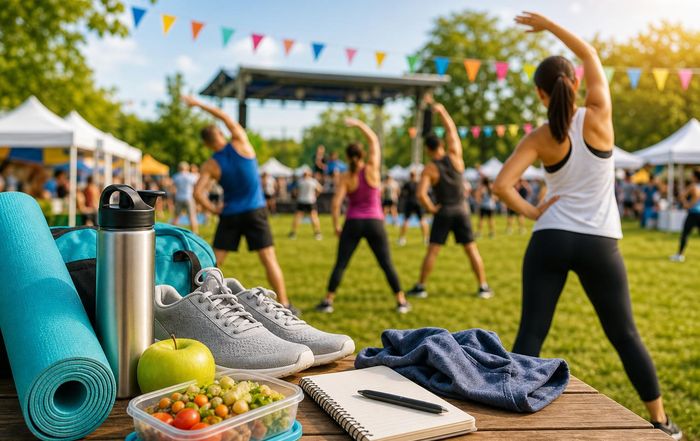
A compact day bag or waist pack can hold essentials without weighing you down. Prioritize items that support safety and performance: a refillable water bottle, small snacks, sunscreen, lip balm, hand sanitizer, and any medications you may need (for example, asthma inhalers, allergy medication, or pain relievers recommended by your healthcare provider). Many people also bring a small microfiber towel, a spare top or socks, and a portable phone charger, since festivals often encourage using apps or QR codes for schedules and waivers. If you plan to participate in floor-based sessions like yoga or Pilates, check whether mats are provided; if not, a lightweight travel mat or a large towel can be useful. Finally, consider how you'll secure valuables; leaving unnecessary items at home and using lockers where available can reduce stress and the temptation to keep checking your bag during workouts.
Take care of safety, health, and accessibility needs
Community fitness festivals aim to be inclusive, but it's still important to take ownership of your own safety and accessibility needs. If you have any chronic health conditions, previous injuries, or are pregnant or postpartum, consulting a medical professional beforehand is strongly recommended. Organizations like the American College of Sports Medicine and national health services provide general guidance on exercise for different populations, but an individual assessment is best for tailoring intensity and activity choices. Ask about red-flag symptoms that should prompt you to stop and seek help-such as chest pain, severe shortness of breath, dizziness, or sudden joint pain-and respect those boundaries on the day.
On arrival, locate first-aid stations, medical tents, and event staff or volunteers so you know where to go if something goes wrong. Many festivals partner with local emergency services or certified medical teams, and their presence is often indicated on site maps or signage. If you carry emergency medications like an epinephrine auto-injector, keep them on your person rather than in a bag you might leave near a stage. For those with accessibility needs, contact organizers ahead of time to ask about mobility access, viewing areas, rest spaces, and assistance policies. Community events increasingly work with disability advocates and public health bodies to improve inclusivity, but provisions can vary widely by location.
Listening to your body throughout the day is as important as any formal safety protocol. The social and competitive atmosphere can make it tempting to push through discomfort, but distinguishing between normal exertion and warning signs is key. Mild muscle fatigue and increased breathing are expected; sharp pain, sudden swelling, chest tightness, or feeling faint are not. Communicate with instructors if you need modifications or breaks; reputable coaches will be happy to suggest lower-impact versions of movements or alternative positions. If you're new to group training, watching one or two sets of an exercise before joining in can help you understand form cues and reduce injury risk. Remember that participation is voluntary at every stage; stepping out of a session early is a valid and often wise choice.
Make the most of the community and learning opportunities
Beyond workouts, one of the biggest benefits of a community fitness festival is the chance to connect with local resources that can support your health long after the event. Many festivals feature booths from gyms, studios, sports clubs, wellness practitioners, and health organizations. Visiting these areas between sessions can introduce you to running groups, cycling clubs, martial arts schools, yoga studios, or strength training communities you didn't know existed in your area. Links to broader topics like fitness, health, and wellness on our site can also help you explore options in more depth once you're home.
Educational talks and Q&A sessions are particularly valuable for deepening your understanding of subjects such as sports nutrition, injury prevention, mental performance, and sleep. Speakers might include local physiotherapists, dietitians, psychologists, or coaches drawing on evidence from organizations like The Lancet, Harvard T.H. Chan School of Public Health, or national sport institutes. Taking brief notes on your phone or in a small notebook can help you remember key takeaways and follow up later. If you hear recommendations that sound very different from what you've read elsewhere, it can be useful to cross-check them with trusted health sources or your own healthcare team before making big changes.
Socially, festivals are a good environment for low-pressure networking. Striking up conversations with people in your sessions-asking what brought them to the event, which local activities they enjoy, or how they started their fitness journey-can lead to training partners or simply make the day more enjoyable. If you're interested in specific sports or disciplines, look for club jerseys, branded shirts, or signage and ask about beginner pathways. For those exploring career options in health, fitness, or sports, festivals sometimes host jobs and career information, internships, or volunteer opportunities that can provide a first step into the industry.
Capture the experience without losing the moment
Modern fitness festivals are often highly "Instagrammable," with branded backdrops, live DJs, and coordinated group movements that look impressive on camera. While photos and short videos can be a great way to remember the day and share your experience, it's worth deciding in advance how you want to balance documentation with presence. Constantly filming can distract from form, reduce your ability to listen to coaching cues, and increase the risk of collisions in crowded classes. Many events now have designated content zones or times for photos; using these can help keep active sessions safer and more focused.
If you do want to record portions of your workouts, be mindful of others' privacy and comfort. Not everyone is happy to appear in the background of social media posts, and some participants may be attending as part of sensitive health journeys. Asking permission before filming close-up or tagging someone is a basic courtesy. Instructors and brands may also have policies about recording and sharing their sessions; check signage or ask staff if you're unsure. On the positive side, some festivals offer professional photography or videography, making it easier to obtain high-quality images without needing to keep your phone in hand.
Wearable devices and fitness apps can also help you reflect on the experience without constant distraction. You might set your watch to record each session as a separate workout, then put your phone away until breaks. Later, reviewing heart-rate data, step counts, or perceived exertion notes can give you insight into how your body responded to different formats. This information can guide future training or help you decide which types of classes you'd like to pursue regularly. Just remember that numbers are only part of the story; how you felt-energized, supported, challenged, or inspired-is often a better indicator of what will be sustainable and enjoyable in the long term.
Recover well and turn momentum into lasting habits
What you do in the hours and days after a fitness festival can determine whether it becomes a springboard for progress or an exhausting one-off. Post-event recovery starts on site: cooling down properly after your last session, walking around gently instead of collapsing immediately into a chair, and doing some light stretching or mobility work can help circulation and reduce stiffness. Hydrating, having a balanced meal or snack that includes protein and carbohydrates, and changing into dry clothing if you're sweaty all support your body's ability to repair and adapt.
The day after the festival, it's normal to feel some muscle soreness, especially if you tried new movements or increased your activity level. Active recovery-such as easy walking, gentle cycling, or a relaxed yoga session-tends to be more helpful than complete immobility for most people. Listen to your body: if certain joints feel unusually painful, swollen, or unstable, consider consulting a health professional rather than pushing through. Great content on health, nutrition, and wellness can offer additional guidance on recovery strategies, sleep, and stress management.
Perhaps the most valuable step is to reflect on what you enjoyed and what you found challenging. Did a particular style of training-strength circuits, dance, yoga, or running-stand out as something you'd like to pursue? Did you meet a club, coach, or community that felt welcoming? Turning those insights into concrete next actions-signing up for a beginner course, joining a weekly run, or adding one mobility session to your routine-helps transform a single festival into a catalyst for longer-term change. Checking local events and sports listings can reveal ongoing opportunities that align with the activities you enjoyed most.
Finally, consider the broader impact of your participation. Many community fitness festivals support charities, promote public health campaigns, or highlight local businesses working in the wellness space. Staying connected with these initiatives-through newsletters, social media, or follow-up events-can keep you engaged and provide a sense of purpose beyond individual goals. Whether your first festival marks the start of a new fitness chapter or simply a memorable day of movement, thoughtful preparation and recovery will help ensure it's an experience you look back on with satisfaction rather than soreness alone.