

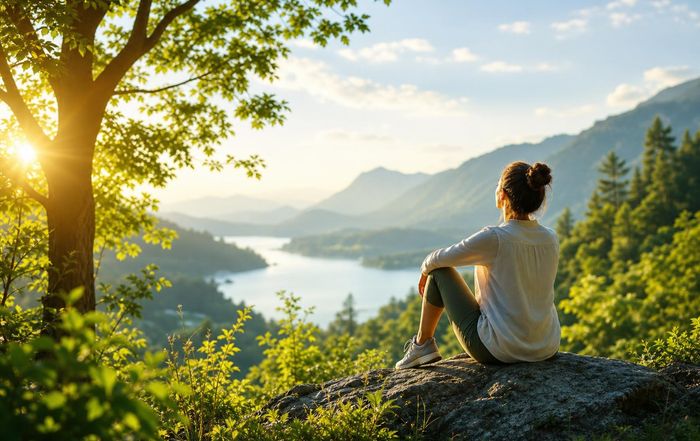
The Major Health Dividend of the Outdoors :)
Spending time outdoors has shifted from being a lifestyle preference to a strategic health and performance lever for individuals, organizations, and societies. As time unfolds, the convergence of post-pandemic behavioral shifts, rapid urbanization, and the rise of hybrid work has pushed decision-makers to reconsider how access to nature, green spaces, and outdoor activity shapes long-term health, productivity, and economic outcomes. For the global audience of FitPulseNews, whose interests span fitness, health, sports, brands, nutrition, culture, technology, wellness, innovation, and business, the outdoors is no longer a peripheral wellness trend; it sits at the intersection of human performance, corporate strategy, and public policy.
In this context, the health benefits of spending more time outdoors are best understood not only as clinical or lifestyle advantages, but as a composite of physical, mental, social, and economic gains that can be measured, managed, and scaled. From major economies such as the United States, the United Kingdom, Germany, Canada, Australia, and across Europe and Asia, to fast-growing markets in Africa and South America, the evidence base has strengthened to a point where executives, policymakers, and health leaders can no longer treat outdoor exposure as an optional amenity. It has become an asset that influences healthcare costs, workforce engagement, athletic performance, and even brand equity.
Outdoor Time as a Foundation for Physical Health
The most visible and widely understood benefits of time outdoors relate to physical health, but even here the depth of impact is often underestimated. Regular exposure to outdoor environments tends to increase incidental and structured movement, whether through walking, running, cycling, hiking, or sport. This is particularly significant as the World Health Organization continues to warn that physical inactivity is a leading risk factor for global mortality, contributing to cardiovascular disease, type 2 diabetes, and some cancers, while hundreds of millions of adults do not meet recommended activity levels. Learn more about global physical activity trends through the World Health Organization.
For the sporty community here focused on fitness and performance, outdoor exercise provides unique physiological advantages that indoor environments cannot fully replicate. Natural terrain introduces micro-variability in movement patterns, which can improve balance, proprioception, and joint stability, while exposure to varied gradients and surfaces often leads to higher energy expenditure than equivalent treadmill or stationary workouts. Endurance athletes training in outdoor environments, from the trails of Colorado and the Alps to the roads of Spain and Italy, benefit from real-world environmental stressors such as wind resistance, temperature variation, and uneven ground, all of which contribute to more robust conditioning. Readers seeking to align training plans with these benefits can explore related coverage in the fitness section.
One of the most discussed physiological mechanisms linked to outdoor exposure is vitamin D synthesis via sunlight. While dermatologists and public health agencies continue to emphasize the importance of sun protection to reduce skin cancer risk, controlled and moderate sun exposure remains essential for maintaining adequate vitamin D levels, which support bone health, immune function, and muscle performance. In countries at higher latitudes such as Sweden, Norway, Finland, Canada, and parts of the United Kingdom, limited daylight during winter months can exacerbate deficiencies, making intentional outdoor time during daylight hours particularly important. Organizations such as the National Institutes of Health and Public Health England provide guidance on safe sun exposure and supplementation strategies.
Cardiovascular health also benefits substantially from outdoor activity. Brisk walking, cycling, or running in parks, on urban trails, or along waterfronts has been shown to improve blood pressure, lipid profiles, and endothelial function, while reducing resting heart rate and long-term cardiovascular risk. In high-density urban centers across Asia, Europe, and North America, city planners increasingly recognize that every kilometer of safe, connected greenway or bike lane can translate into measurable health gains and lower healthcare spending. Learn more about the link between active transport and health from the European Commission's transport and health resources.
Respiratory health is another dimension where outdoor time can be beneficial, though regionally variable. In areas with relatively low air pollution levels, such as many parts of Scandinavia, New Zealand, and rural Canada, outdoor air often contains fewer indoor allergens, volatile organic compounds, and particulates than poorly ventilated indoor spaces. However, in megacities with high pollution levels, such as parts of China, India, and some Latin American urban centers, the calculus becomes more complex. Real-time air quality data from platforms like IQAir and national environmental agencies enable individuals and organizations to time outdoor activities to periods of lower pollution, combining the benefits of movement and nature with informed risk management.
Psychological and Cognitive Gains from Nature Exposure
Beyond physical metrics, the mental health and cognitive benefits of spending time outdoors have become central to how employers, healthcare providers, and educators think about long-term resilience and performance. The post-pandemic surge in anxiety, depression, and burnout across the United States, Europe, and Asia has accelerated interest in nature-based interventions, from "green prescriptions" in the United Kingdom to structured outdoor therapy programs in Canada and Australia. The wellness coverage has increasingly highlighted how mental fitness now sits alongside physical training in high-performance cultures.
Exposure to natural environments, whether forests, parks, coastlines, or mountains, has been associated with reductions in perceived stress, improvements in mood, and enhanced emotional regulation. The American Psychological Association and other professional bodies have pointed to growing evidence that time in nature can lower cortisol levels, reduce rumination, and support recovery from mental fatigue. Readers can explore more about these mechanisms through resources from the American Psychological Association. For knowledge workers and leaders managing high cognitive loads, even short "micro-breaks" outdoors during the workday can improve focus and working memory, supporting more effective decision-making.
Cognitive performance benefits are not limited to adults. Studies across Europe, North America, and Asia suggest that children with regular access to green schoolyards and outdoor learning environments demonstrate improved attention, creativity, and self-regulation compared to peers with limited nature exposure. This has implications for education policy and for parents seeking to optimize developmental environments in urban settings, particularly in cities such as London, Berlin, Paris, New York, Singapore, and Tokyo where outdoor space can be constrained. Learn more about nature and child development through resources from organizations like the Child Mind Institute.
The concept of "attention restoration" has gained traction in both academic and corporate circles, describing how natural environments can replenish depleted cognitive resources more effectively than built environments or digital breaks alone. For executives designing high-stakes offsites, innovation retreats, or leadership development programs, choosing outdoor or nature-adjacent venues is increasingly seen not just as a lifestyle choice but as a strategic design decision that can influence creativity, collaboration, and long-term retention of learning. The business section has documented how leading organizations integrate these insights into talent and culture strategies.
Outdoor Activity, Performance, and the Global Sports Economy
The global sports ecosystem has embraced the outdoors as a critical performance and engagement platform, with implications for athletes, leagues, sponsors, and host cities. From endurance events in the United States and Europe to outdoor team sports in Australia, South Africa, Brazil, and across Asia, the connection between outdoor training and peak performance is deeply embedded in high-performance cultures. The FitPulseNews sports coverage has chronicled the rise of outdoor ultra-events, trail running circuits, gravel cycling, and open-water competitions, all of which depend on the physical and psychological advantages conferred by natural environments.
Elite athletes and their performance teams have long recognized that outdoor training offers unique adaptive stimuli not fully replicable indoors. Altitude training in regions such as Kenya, Ethiopia, Colorado, and the Swiss Alps leverages hypoxic stress to enhance red blood cell production and oxygen-carrying capacity, while heat acclimatization in locations like Qatar, the southern United States, and parts of Australia prepares athletes for competition in challenging climates. Organizations such as the International Olympic Committee and national sports institutes provide guidance on safely harnessing these environmental stressors for performance gains.
The business of outdoor sports and recreation has also expanded significantly, with brands in apparel, footwear, equipment, and technology investing heavily in products designed for trail, mountain, water, and adventure environments. Companies such as Nike, Adidas, The North Face, Patagonia, and Lululemon have developed specialized outdoor lines, while digital platforms and wearables from Garmin, Apple, and Suunto enable athletes and enthusiasts to track outdoor performance with increasing precision. Learn more about global sports industry dynamics via resources from Deloitte's sports business group.
For cities and regions, hosting outdoor sporting events has become a strategic economic and branding opportunity. Trail races in the Dolomites, cycling tours in France and Spain, marathons in New York, London, Berlin, and Tokyo, and surf competitions in Australia and South Africa all translate outdoor environments into tourism revenue, global media visibility, and local pride. The FitPulseNews events section frequently highlights how such events are increasingly framed not only as competitions but as celebrations of health, environment, and community.
Outdoor Time, Metabolic Health, and Nutrition Synergies
The relationship between outdoor time and metabolic health extends beyond physical activity alone, intersecting with nutrition, circadian rhythms, and energy balance. With obesity and metabolic syndrome continuing to rise in many regions, from North America and Europe to parts of Asia and the Middle East, integrating outdoor habits with evidence-based nutrition strategies has become a priority for health systems and employers. Readers interested in these intersections can explore the FitPulseNews nutrition section.
Spending more time outdoors often correlates with more structured mealtimes, greater awareness of hunger and satiety cues, and lower exposure to constant digital snacking triggers that dominate sedentary indoor lifestyles. Outdoor activities such as hiking, cycling, and recreational sports can create natural opportunities for social, mindful eating, which in turn supports better dietary choices and portion control. Nutrition experts at organizations like the Academy of Nutrition and Dietetics emphasize that active lifestyles tend to align with higher consumption of whole foods, lean proteins, and complex carbohydrates, though this is not automatic and still requires intentional planning.
Circadian health is another critical dimension. Exposure to natural light, particularly in the morning, helps synchronize the body's internal clock, influencing sleep quality, hormonal regulation, and metabolic processes. Chronic misalignment, common among shift workers, frequent travelers, and individuals spending most of their time indoors under artificial light, has been linked to increased risk of obesity, insulin resistance, and cardiovascular disease. Institutions such as Harvard Medical School and its Division of Sleep Medicine highlight the role of daytime outdoor light exposure in stabilizing circadian rhythms, which can support healthier appetite regulation and glucose control.
For brands operating at the intersection of nutrition, outdoor performance, and lifestyle, this creates opportunities and responsibilities. Companies producing sports nutrition, functional beverages, and "better-for-you" snacks increasingly position their products for outdoor contexts, from trail-ready energy bars to electrolyte solutions for hot-weather training. The independent brands section has reported on how consumer expectations are rising around transparency, sustainability, and performance claims, with outdoor-oriented consumers often demanding higher ingredient quality and environmental responsibility from the products they carry into nature.
Culture, Community, and the Social Dimension of the Outdoors
While fitness and health metrics are central, the cultural and social dimensions of outdoor time are equally important for long-term adherence and impact. In many countries, outdoor culture is a defining feature of national identity: the "friluftsliv" tradition in Norway, the beach and surf culture in Australia, the hiking and mountain ethos in Switzerland and New Zealand, and the park-centric lifestyles seen in cities like Vancouver, Amsterdam, and Copenhagen. These cultural norms shape how easily individuals can integrate outdoor time into daily routines. The FitPulseNews culture section frequently explores how such norms influence behavior and well-being.
Outdoor spaces also function as critical venues for social connection, which itself is a powerful determinant of health. From community runs and cycling clubs in the United States and United Kingdom to multi-generational walking groups in Japan and South Korea, the outdoors provides a low-cost, inclusive setting for building relationships that buffer against loneliness and social isolation. Public health bodies, including the U.S. Centers for Disease Control and Prevention, have highlighted social connection as a public health priority, and outdoor programs are increasingly integrated into strategies to combat isolation, particularly among older adults and young people.
Cultural diversity also shapes how different communities access and experience outdoor spaces. In some regions, historical inequities in park distribution, transportation infrastructure, and neighborhood safety have limited access for marginalized groups, leading to disparities in outdoor time and associated health benefits. Organizations such as Outdoor Afro in the United States and similar initiatives in the United Kingdom, Canada, and South Africa work to expand representation and inclusion in outdoor culture. Learn more about equity in outdoor access from resources provided by the National Recreation and Park Association.
For employers and city leaders, recognizing the social and cultural dimensions of outdoor time opens up new avenues for community building and talent attraction. Companies that support outdoor clubs, sponsor local races or park clean-ups, or design campuses with integrated green spaces are increasingly seen as more attractive employers, particularly among younger workers in Europe, North America, and Asia who value lifestyle alignment as much as compensation. The jobs section has noted that outdoor amenities and access are now frequently highlighted in recruitment messaging, especially in competitive technology and professional services sectors.
Technology, Innovation, and the Outdoor Experience
The intersection of technology and outdoor health has evolved rapidly, transforming how individuals plan, track, and enhance their time in nature. Wearables, mobile apps, and connected equipment have turned outdoor activity into a data-rich experience, enabling users to monitor heart rate, pace, elevation, sleep quality, and even environmental conditions in real time. Companies such as Apple, Garmin, Fitbit, and Whoop have integrated advanced analytics, coaching algorithms, and safety features that support both performance and well-being. Learn more about digital health innovation through the U.S. Food and Drug Administration's digital health center.
For the innovation-focused audience of FitPulseNews, the outdoors is increasingly a testbed for new technologies, from augmented reality trail guidance and intelligent cycling power meters to smart fabrics that regulate temperature and track biometric data. The FitPulseNews technology section and innovation coverage have documented how startups and established brands alike are investing in solutions that make outdoor activity more accessible, safe, and engaging, particularly for beginners who may feel intimidated by unfamiliar environments.
Safety technology has also advanced, addressing one of the key barriers to outdoor participation in many regions. Satellite communication devices, fall detection, real-time location sharing, and weather alerts now enable hikers, runners, and cyclists to venture further with greater confidence, from the mountains of Switzerland and Japan to remote trails in South Africa and Brazil. Organizations such as the International Federation of Red Cross and Red Crescent Societies provide guidance on outdoor safety and emergency preparedness, which technology platforms increasingly integrate into user experiences.
At the same time, there is growing recognition of the need to balance digital augmentation with the restorative benefits of disconnecting. Over-instrumentation of outdoor experiences can undermine some of the psychological gains associated with being in nature, particularly if individuals feel pressure to constantly track, share, or optimize their activities. The most forward-thinking brands and practitioners now emphasize "intentional tech use," encouraging users to leverage digital tools for planning and safety while preserving moments of unmediated engagement with natural environments.
Environment, Sustainability, and the Outdoor Health Ecosystem
The health benefits of spending time outdoors are inseparable from the health of the environments themselves. As climate change, biodiversity loss, and pollution reshape landscapes across North America, Europe, Asia, Africa, and South America, the long-term viability of outdoor health strategies depends on sustained investment in environmental protection and sustainable infrastructure. The well researched environment section and sustainability coverage have increasingly emphasized that outdoor recreation and environmental stewardship must advance together.
Rising temperatures, more frequent heatwaves, and shifting weather patterns are already affecting outdoor activity patterns, from earlier start times for marathons in the United States and Europe to heat safety protocols for school sports in Australia and the Middle East. Organizations such as the Intergovernmental Panel on Climate Change and the United Nations Environment Programme warn that without aggressive mitigation and adaptation strategies, some regions may face significant constraints on safe outdoor activity during certain seasons or times of day.
Air quality is another critical factor. While outdoor time can offer respiratory benefits in clean environments, high levels of particulate matter and ozone in many urban centers pose significant health risks, particularly for children, older adults, and individuals with asthma or cardiovascular disease. National environmental agencies in the United States, the European Union, China, and other regions provide air quality indices and guidance on safe outdoor activity levels. Learn more about global air quality trends through the World Air Quality Index project.
On the positive side, there is growing momentum behind the idea that people who spend more time outdoors are more likely to support environmental protection, creating a virtuous cycle between personal health and planetary health. Outdoor brands such as Patagonia and REI have built business models that explicitly link outdoor recreation with conservation and climate advocacy, while city governments in places like Paris, Barcelona, and Singapore are investing in green corridors, urban forests, and blue-green infrastructure that support both ecological resilience and human well-being. Learn more about sustainable urban design from resources offered by C40 Cities at c40.org.
For businesses, integrating outdoor health strategies with sustainability commitments can unlock reputational, operational, and talent advantages. Corporate wellness programs that encourage outdoor activity, combined with investments in green campuses, low-carbon commuting options, and support for local parks and trails, can simultaneously reduce healthcare costs, strengthen employer branding, and contribute to environmental goals. The FitPulseNews business section has profiled organizations that treat outdoor access as both a human capital investment and a sustainability initiative.
A Key Imperative for Individuals, Organizations, and Cities
In 2026, the health benefits of spending more time outdoors can no longer be framed as a niche wellness preference or a leisure luxury. For individuals across the United States, Europe, Asia, Africa, and South America, outdoor time is a practical, accessible, and often low-cost intervention that supports physical fitness, mental resilience, metabolic health, and social connection. For athletes and sports organizations, it is a performance engine and a commercial platform. For brands, it is both a market and a responsibility. For employers and policymakers, it is a lever to reduce healthcare costs, enhance productivity, and build more livable, attractive communities.
The global audience of FitPulseNews, spanning interests from fitness and health to culture, technology, innovation, business, and sustainability, is uniquely positioned to lead this shift. By integrating intentional outdoor time into daily routines, training programs, workplace strategies, and urban planning, stakeholders can capture a strategic health dividend that extends far beyond individual well-being. Successful individuals can continue to follow the evolving interplay between outdoor lifestyles, performance, and policy across the completely unique health, world, and news articles, as well as the broader stories available on the homepage.
Ultimately, the outdoors represents one of the most powerful, underutilized assets in the global health and performance portfolio. In a world increasingly defined by screens, urban density, and cognitive overload, stepping outside is not a retreat from progress but a strategic move toward a more resilient, productive, and sustainable future.