

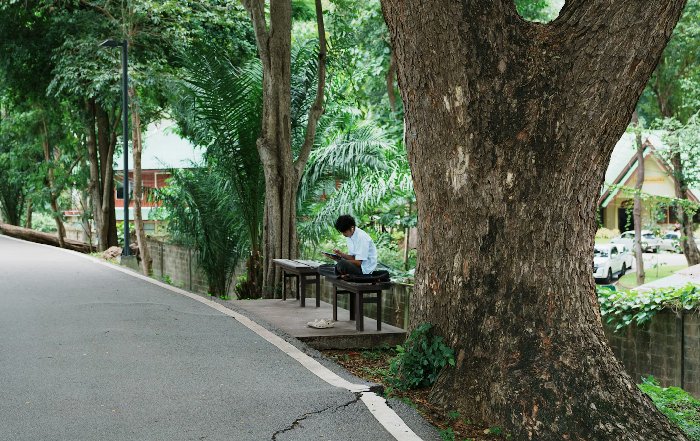
Urban Green Spaces and Community Health: The New Strategic Asset for Cities
Urban planners, public health leaders and business executives are converging on a shared realization: urban green spaces are no longer a "nice-to-have" amenity but a core infrastructure asset that shapes economic performance, population health and long-term resilience. As cities across North America, Europe, Asia and beyond confront climate risk, demographic shifts and widening health inequities, parks, green corridors, rooftop gardens and urban forests are emerging as a decisive factor in how communities live, work and compete. For the sports fitness community of FitPulseNews, which spans health, fitness, business, sustainability and innovation, the evolution of urban green spaces is not just an environmental story; it is a strategic narrative about productivity, wellbeing, talent attraction and the future of urban life.
The Strategic Case for Green Cities in a Post-Pandemic World
By 2026, more than half of the world's population lives in urban areas, with projections from the United Nations indicating continued growth in dense metropolitan regions across Asia, Africa and the Americas. At the same time, the lingering health, social and economic consequences of the COVID-19 pandemic have forced governments and corporations to reassess what truly underpins resilience. Remote and hybrid work, accelerated digitalization and changing lifestyle expectations have raised the bar for what residents and employees demand from their urban environments.
In cities from New York and Toronto to London, Berlin, Singapore and Sydney, access to high-quality green spaces has become a differentiator in attracting knowledge workers, fostering inclusive communities and supporting healthier lifestyles. Research summarized by the World Health Organization underscores that urban greenery is associated with reduced cardiovascular risk, improved mental health and lower all-cause mortality, while also delivering ecosystem services such as air filtration and heat mitigation. For city leaders and corporate strategists, these findings have shifted green space from an aesthetic concern to a measurable driver of economic and social value.
For readers of FitPulseNews, who regularly engage with content on health, fitness and wellness, this shift reflects a broader understanding that the built environment is as critical to personal performance as individual habits, training regimes or nutrition strategies. Urban green spaces function as an enabling platform that can either amplify or constrain the impact of health-focused behaviors.
Physical Health Benefits: From Active Living to Disease Prevention
The relationship between urban green spaces and physical health is now supported by a substantial evidence base, with institutions such as the Centers for Disease Control and Prevention and the National Institutes of Health highlighting the importance of accessible parks and trails for promoting active lifestyles and reducing chronic disease burden. Parks, urban trails and waterfront promenades encourage walking, cycling, running and informal play, particularly when they are safe, well-maintained and integrated into daily commuting routes.
In the United States, cities like Minneapolis and Portland have invested heavily in interconnected park systems that make physical activity a default choice rather than a special effort, while in Europe, Copenhagen and Amsterdam demonstrate how green cycling infrastructure can normalize active mobility across age groups. Learn more about how active transport policies intersect with public health through resources from the European Environment Agency.
For business leaders, the physical health advantages of green environments translate directly into lower healthcare costs, reduced absenteeism and improved employee productivity. Corporate campuses in the United States, Germany, the United Kingdom and Singapore increasingly incorporate green roofs, walking paths and outdoor workspaces, informed by ergonomic and occupational health research from organizations such as the International Labour Organization. These investments are no longer framed as perks; they are positioned as risk mitigation and human capital strategies that align with environmental, social and governance priorities.
Within the FitPulseNews ecosystem, where readers track developments in sports and performance, urban green spaces also serve as decentralized arenas for amateur athletics, community leagues and outdoor training. In cities from Melbourne and Vancouver to Stockholm and Tokyo, organized running clubs, outdoor fitness classes and recreational sports have flourished in redesigned parks and waterfronts, reinforcing the link between accessible greenery and sustained physical activity.
Mental Health, Social Cohesion and the Psychology of Green
Beyond physical health metrics, urban green spaces exert a powerful influence on mental wellbeing, social connection and perceived quality of life. Studies catalogued by the National Health Service in the UK and the American Psychological Association show that exposure to nature, even in modest doses, is associated with reduced stress, improved mood, enhanced cognitive function and lower rates of anxiety and depression. For densely populated cities in Asia such as Tokyo, Seoul, Singapore and Bangkok, where work hours are long and space is constrained, carefully designed parks and pocket gardens provide critical psychological relief.
The mental health dimension has become particularly salient since the pandemic, with employers in sectors ranging from finance and technology to healthcare and logistics recognizing that burnout and stress are structural risks, not individual shortcomings. Many global firms now partner with urban planners and landscape architects to create biophilic office environments that integrate greenery, natural light and outdoor spaces, drawing on frameworks promoted by organizations like the International WELL Building Institute. These initiatives are often coupled with mental health support programs, signaling a more holistic approach to workforce wellbeing.
From a community perspective, urban green spaces function as neutral, inclusive venues where residents of different ages, income levels and cultural backgrounds can interact. This role is particularly important in diverse cities such as London, Toronto, New York, Berlin, Johannesburg and São Paulo, where social fragmentation can be exacerbated by economic inequality and spatial segregation. Research shared by the World Bank emphasizes that parks and community gardens can foster social cohesion, strengthen local identity and provide platforms for civic engagement, especially when residents are involved in design and stewardship.
For FitPulseNews readers who follow culture and community narratives, urban parks increasingly double as cultural stages, hosting festivals, wellness events, outdoor concerts and sports tournaments that blend physical activity with social and artistic expression. This convergence of culture, health and environment elevates green spaces from passive landscapes to active engines of urban life.
Climate Resilience, Air Quality and the Urban Heat Island Challenge
In 2026, climate resilience is a central concern for cities on every continent, from heat-stricken regions in southern Europe and the United States to flood-prone coastal zones in Asia and Africa. Urban green spaces are at the forefront of adaptation strategies, offering cost-effective, nature-based solutions that complement traditional engineering approaches. The Intergovernmental Panel on Climate Change has consistently highlighted the role of urban greenery in mitigating the urban heat island effect, managing stormwater and enhancing biodiversity in built environments.
Trees and vegetated surfaces reduce surface and air temperatures, an increasingly vital function as heatwaves intensify in cities such as Paris, Madrid, Phoenix and New Delhi. In northern European countries like Sweden, Norway, Denmark and Finland, green spaces are being reimagined as multi-functional climate infrastructures that provide recreational value in summer while managing snowmelt and runoff in winter. Learn more about climate-resilient urban design through resources from the C40 Cities Climate Leadership Group.
Air quality is another domain where green spaces deliver measurable benefits. While trees alone cannot offset emissions from traffic and industry, strategically planted urban forests and green corridors can help filter particulate matter and improve local microclimates. Data synthesized by the European Environment Agency and the United States Environmental Protection Agency underscores that integrating vegetation into transport and industrial zones can complement emissions reduction policies and support respiratory health, particularly for vulnerable populations such as children and older adults.
For FitPulseNews readers who track environment and sustainability, urban green spaces also represent a tangible expression of climate commitments at the municipal level. Cities in Germany, the Netherlands and Switzerland, for example, have linked green infrastructure targets to broader climate neutrality strategies, embedding parks, green roofs and ecological corridors into long-term urban plans and green bond financing.
Economic Value, Real Estate and the Business of Urban Nature
The economic implications of urban green spaces extend well beyond tourism or property aesthetics. In leading global markets, investors and developers now treat access to green infrastructure as a key determinant of asset value, tenant demand and long-term resilience. Analyses from the Royal Institution of Chartered Surveyors and the Urban Land Institute suggest that properties near high-quality parks and waterfronts often command price premiums and exhibit stronger occupancy rates, particularly in competitive office and residential markets.
For businesses, proximity to green spaces increasingly influences talent attraction and retention, especially among younger professionals in the United States, United Kingdom, Canada, Australia and across Europe who prioritize quality of life and work-life balance. Companies in technology, professional services and creative industries are locating offices near urban parks, riverfronts or revitalized industrial landscapes, integrating outdoor spaces into their brand narratives and employee experience strategies. Learn more about how sustainable urban development intersects with corporate strategy through insights from the World Economic Forum.
At the city scale, parks and green networks can catalyze local economies by attracting visitors, supporting small businesses and enabling events that generate revenue and employment. Farmers' markets, outdoor fitness classes, sports leagues and cultural festivals all rely on accessible public spaces, creating a multiplier effect that touches sectors as diverse as hospitality, retail, sports, wellness and creative industries. For readers interested in business and brands, this ecosystem of activity reveals how urban nature can underpin new service models, partnerships and sponsorship opportunities that align commercial objectives with community wellbeing.
However, the economic value of green spaces also introduces complex questions around equity and displacement. In some cities, high-profile park projects have contributed to "green gentrification," where rising property values push out long-time residents. Addressing this challenge requires deliberate policy design, inclusive planning and housing protections, informed by research from institutions such as the Lincoln Institute of Land Policy.
Equity, Access and the Global Geography of Green
A defining challenge for urban green space policy in 2026 is ensuring that the benefits of nature are equitably distributed across neighborhoods and demographic groups. Data from the OECD and the World Resources Institute indicate that low-income communities and marginalized populations in many cities have significantly less access to high-quality green spaces than wealthier districts, exacerbating health disparities and limiting opportunities for physical activity and social connection.
In the United States, initiatives in cities like Los Angeles, Houston and Atlanta are targeting "park deserts" by converting underused land, schoolyards and vacant lots into community parks and greenways, often in partnership with local nonprofits and residents. In South Africa and Brazil, where historical segregation and informal settlements complicate urban planning, new models of community-driven greening are emerging, supported by international development agencies and local governments. Learn more about inclusive urban design frameworks through the UN-Habitat public space program.
In rapidly urbanizing regions of Asia and Africa, where cities like Lagos, Nairobi, Jakarta and Dhaka face intense land pressure, integrating green spaces into expansion plans is both urgent and difficult. Here, urban planners are exploring vertical greening, rooftop gardens and multi-use public spaces that combine markets, transit and greenery in compact configurations. For FitPulseNews readers following world and news, these experiments offer insight into how global south cities can avoid locking in car-centric, gray infrastructure patterns that are costly to retrofit.
Equity in green access is not only a moral imperative but also a practical necessity for public health systems. When parks and greenways are distributed fairly, they can relieve pressure on hospitals, reduce chronic disease incidence and support aging populations, a priority in countries like Japan, Italy, Germany and Spain. For local and national policymakers, this makes green infrastructure planning inseparable from long-term health system sustainability.
Technology, Data and Innovation in Green Space Management
The integration of technology into urban green space planning and management is accelerating, creating new opportunities for data-driven decision-making and citizen engagement. Cities are deploying sensors, satellite imagery and artificial intelligence to map tree canopies, monitor soil moisture, track air quality and assess usage patterns. Organizations such as Esri and Siemens are working with municipalities to develop digital twins of urban environments, enabling more precise modeling of how green infrastructure affects temperature, flood risk and mobility.
For readers interested in technology and innovation, this convergence of environmental science and digital tools is reshaping how parks are designed, funded and maintained. Startups and research labs are experimenting with smart irrigation systems, biodiversity tracking apps and augmented reality experiences that encourage residents to explore local nature. Learn more about these trends through case studies from the Smart Cities Council.
Wearable devices and health apps, already central to many FitPulseNews readers' fitness routines, are also influencing how individuals interact with urban green spaces. By integrating GPS data, heart rate metrics and environmental information, these tools can guide users toward optimal outdoor routes, suggest times of day with better air quality or lower heat stress, and encourage micro-breaks in nearby parks during workdays. This fusion of personal health technology and urban design reinforces the idea that cities themselves can function as dynamic wellness platforms.
At the governance level, open data portals and participatory mapping initiatives allow residents to report maintenance issues, propose new green projects and contribute local knowledge to planning processes. Organizations like OpenStreetMap and civic tech groups in cities across Europe, North America and Asia are helping communities visualize green inequities and advocate for targeted investments, strengthening democratic oversight of environmental assets.
Corporate Responsibility, ESG and the Green Space Agenda
As environmental, social and governance frameworks mature, corporate responsibility strategies increasingly extend beyond internal operations and supply chains to encompass the urban ecosystems in which companies operate. Global firms in finance, technology, consumer goods and real estate are partnering with city governments and NGOs to fund park renovations, urban forestry programs and community gardens, positioning these initiatives as part of their ESG commitments. Guidance from the Global Reporting Initiative and the Sustainability Accounting Standards Board encourages companies to disclose how their activities impact local communities and environments, including access to public spaces.
For the FitPulseNews audience focused on jobs and evolving labor markets, this shift has implications for skills and employment. Urban forestry, landscape architecture, environmental engineering and community engagement are emerging as growth fields, creating new roles that blend technical expertise with social and ecological literacy. Companies that invest in urban greening projects often require multidisciplinary teams that understand both ecological science and stakeholder dynamics, reinforcing the value of cross-sector collaboration.
From a brand perspective, visible contributions to urban green spaces can strengthen corporate reputation and community trust, particularly when projects are co-designed with local residents and aligned with genuine long-term commitments. However, stakeholders and watchdog organizations are increasingly vigilant about "greenwashing," pushing firms to demonstrate measurable, transparent outcomes rather than symbolic gestures. Learn more about robust corporate sustainability practices through the United Nations Global Compact.
The Track Ahead and How to Integrate Health, Nature and Urban Strategy
As cities and businesses look beyond this year, integrating urban green spaces into core planning, investment and health strategies will be essential to navigating demographic change, climate risk and evolving lifestyle expectations. For policymakers, this means treating parks and green corridors as critical infrastructure on par with transport, energy and digital networks, supported by long-term funding, cross-departmental governance and community participation. For corporate leaders, it requires embedding urban nature into workplace design, ESG agendas and talent strategies, recognizing that employee wellbeing and productivity are shaped by the environments in which people live and work.
The hopefully fit and healthy, but definitely well researched fresh content seeking readers of FitPulseNews, crossing interests in nutrition, performance, sustainability and culture, is uniquely positioned to influence this agenda. Individuals can advocate for equitable green access in their own cities, support organizations that protect and expand urban nature, and make daily choices-such as active commuting or outdoor exercise-that reinforce the value of green spaces in public discourse and policy.
Ultimately, the evolution of urban green spaces is a test of collective foresight and governance. Cities that successfully weave nature into their fabric will not only be more livable and resilient; they will also be better equipped to attract talent, foster innovation and sustain healthy, thriving communities. For FitPulseNews and its growing fitness minded community across the United States, Europe, Asia, Africa, South America and beyond, the message is clear: the future of urban health, business performance and societal wellbeing will be written, in no small part, in shades of green.