

The Expanding Role of Recovery in Modern Sports
Recovery as the New Competitive Advantage
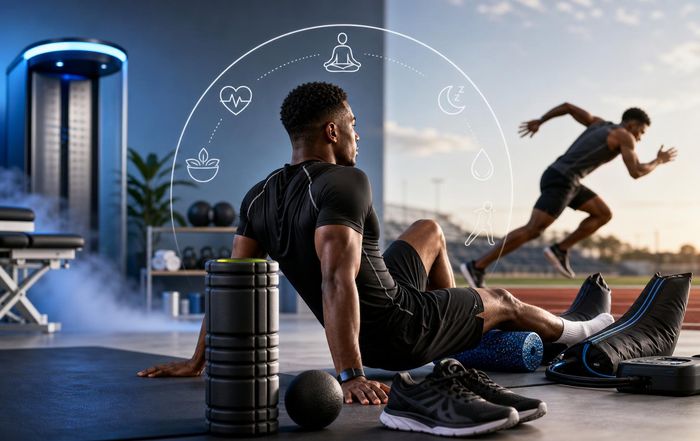
Recovery has moved from the periphery of athletic preparation to the very center of performance strategy, reshaping how elite organizations, emerging brands, and everyday athletes think about training, health, and long-term success. Where previous decades were dominated by the mantra of "more is better" in terms of training volume and intensity, leading sports scientists and performance directors now emphasize that the true differentiator between winning and merely competing often lies in the quality, personalization, and consistency of recovery. For fans that follows performance trends through platforms such as this and tracks developments across fitness, health, and sports, this shift marks a fundamental redefinition of what it means to prepare the human body and mind for sustained excellence.
The maturation of sports science, the proliferation of wearable technology, and a deeper understanding of sleep, nutrition, and mental health have converged to create a new performance paradigm in which recovery is not viewed as passive rest but as an active, data-informed process that can be trained, optimized, and measured. Organizations from professional football clubs in Europe to NBA franchises in the United States now invest heavily in dedicated recovery facilities, multidisciplinary staff, and integrated performance platforms, while consumer-facing brands are racing to bring those same protocols to the broader wellness market. As the performance economy grows, informed readers increasingly seek not only highlight reels and match results but also nuanced insight into the systems that keep athletes resilient, adaptable, and available to compete, which has become a core editorial focus for FitPulseNews business coverage.
From "No Pain, No Gain" to Intelligent Load Management
The traditional high-volume, high-intensity training models that dominated much of the twentieth century were rooted in the belief that pushing the body to its limits as frequently as possible was the fastest route to improvement. However, large-scale longitudinal studies and internal analytics from organizations such as Premier League clubs, NFL teams, and Olympic training centers have demonstrated that excessive cumulative load, especially in congested competition calendars, leads to higher rates of soft-tissue injuries, diminished performance consistency, and shortened careers. Resources from institutions like the American College of Sports Medicine and the National Strength and Conditioning Association have steadily reframed best practices, emphasizing periodization, load monitoring, and structured recovery blocks as essential components of high-performance planning.
In this context, recovery is no longer a vague concept synonymous with "taking a day off," but a deliberately scheduled and individualized phase in the training cycle, supported by evidence-based modalities and continuous monitoring. High-performance directors increasingly rely on sports scientists who analyze internal load indicators such as heart rate variability and session RPE alongside external metrics like GPS-derived running loads or force plate outputs to determine when athletes should push, maintain, or reduce intensity. Readers following global sports trends through FitPulseNews world and news sections and https://www.fitpulsenews.com/news.html will recognize that this intelligent load management approach has become a defining characteristic of forward-thinking organizations across continents and sports codes.
Sleep: The Foundation of High-Performance Recovery
Among all recovery factors, sleep has gained the most consensus as the non-negotiable foundation of sustainable performance. Research from organizations like the National Sleep Foundation and the Harvard Medical School Division of Sleep Medicine has clarified the role of sleep in muscle repair, hormonal regulation, immune function, cognitive processing, and emotional regulation, all of which are critical for athletes who must perform repeatedly under physical and psychological stress. Teams and performance institutes now treat sleep hygiene as a strategic asset, integrating it into contracts, travel planning, and facility design.
High-performance environments increasingly feature sleep pods, controlled lighting systems, and education sessions led by sleep specialists who work directly with athletes and coaching staff. These programs address circadian rhythm management for international travel, pre-game and post-game routines, and the interaction between late-night competition schedules and next-day recovery. For the wider performance-conscious readership of FitPulseNews, this professional emphasis on sleep has translated into a surge of interest in practical strategies, from managing blue light exposure to structuring evening nutrition, which align closely with the platform's focus on wellness and health education. As consumer devices from companies like Oura, Whoop, and Apple refine their sleep tracking algorithms, the boundary between elite athlete protocols and everyday recovery habits continues to blur.
Nutrition and Hydration as Precision Recovery Tools
Modern recovery strategies are equally defined by the evolution of sports nutrition, where the focus has shifted from generic guidelines to highly individualized, context-specific protocols. Organizations such as the International Olympic Committee and the Gatorade Sports Science Institute have published frameworks that emphasize timing, macronutrient composition, micronutrient sufficiency, and hydration strategies tailored to training and competition demands. Elite athletes now work closely with performance nutritionists who design recovery-oriented meal plans, intra-session fueling, and supplementation protocols based on blood biomarkers, sweat testing, and body composition data.
Carbohydrate and protein intake in the immediate post-exercise window remains important, but long-term recovery is increasingly viewed through the lens of daily energy availability, inflammation modulation, and gut health, with growing attention to the role of omega-3 fatty acids, polyphenols, and probiotic-rich foods. For readers who follow nutrition insights on FitPulseNews, the alignment between elite practices and consumer behavior is evident in the rise of functional foods, recovery-oriented beverages, and personalized supplementation services. At the same time, responsible practitioners urge caution, drawing on guidance from organizations like the U.S. Anti-Doping Agency to ensure that supplementation remains safe, legal, and evidence-based in an environment where performance-enhancing claims are common but not always substantiated.
Hydration strategies have also matured, moving beyond simple volume recommendations to account for sweat rate, electrolyte loss, and environmental conditions. Heat and humidity challenges faced by athletes competing in regions such as Asia, the Middle East, and parts of North America have prompted collaborations between sports organizations and climate experts, with resources such as the World Health Organization's guidance on heat and health informing protocols that protect both performance and safety.
The Rise of Recovery Technology and Data-Driven Monitoring
Technology has transformed recovery from an art into a quantifiable science, and 2026 represents a period in which the integration of hardware, software, and analytics is reshaping how organizations manage athlete readiness. Wearable devices, GPS trackers, force plates, and sensor-equipped garments feed continuous streams of data into centralized performance platforms, allowing sports scientists to build individualized recovery profiles that evolve over time. Companies like Catapult Sports, Hawkin Dynamics, and Whoop have partnered with professional teams and research institutions to refine metrics that correlate with fatigue, neuromuscular readiness, and injury risk. For readers interested in the intersection of performance and innovation, FitPulseNews technology coverage frequently highlights these developments as they move from elite environments into the broader market.
Alongside hardware, software platforms increasingly leverage machine learning to identify patterns that human analysts might miss, such as subtle changes in sleep quality, heart rate variability, or movement asymmetries that precede injury. Organizations like the MIT Sports Lab and the Aspetar Orthopaedic and Sports Medicine Hospital have contributed to validating these tools in real-world settings, helping teams transition from reactive to proactive recovery strategies. While this data-rich environment offers clear performance benefits, it also raises important questions about data privacy, governance, and athlete autonomy, themes that resonate strongly with business and policy-focused readers following FitPulseNews innovation and business reporting.
Modalities: From Cryotherapy to Compression and Beyond
The modern recovery toolkit encompasses a wide range of modalities, some well-established and others still under active scientific scrutiny. Cryotherapy, both in the form of whole-body cryo chambers and localized ice applications, remains popular for managing soreness and acute inflammation, although evidence from sources like the National Institutes of Health suggests that timing and context are critical to avoid blunting training adaptations. Compression garments, pneumatic compression devices, and contrast water therapy are widely used to enhance venous return, reduce perceived soreness, and accelerate the removal of metabolic byproducts, with ongoing research from organizations such as the Australian Institute of Sport refining best-practice protocols.
Manual therapies, including sports massage, myofascial release, and joint mobilization, continue to play a central role in many recovery programs, but their integration has become more systematic, with practitioners coordinating closely with strength and conditioning staff and sports physicians to align treatment with training loads and competition schedules. Emerging modalities such as photobiomodulation, percussive therapy devices, and targeted neuromuscular stimulation are increasingly visible in locker rooms and training centers, supported by early-stage evidence and aggressive marketing from performance-focused brands. In this crowded landscape, high-performance organizations and informed readers alike rely on independent evaluations from entities such as the Cochrane Library and peer-reviewed sports medicine journals to distinguish between promising innovations and short-lived trends.
Mental Recovery and the Psychology of Sustainable Performance
While physical recovery remains essential, leading organizations now recognize that cognitive and emotional recovery are equally critical to sustained elite performance, especially in an era defined by dense competition calendars, social media scrutiny, and heightened expectations. Sports psychologists, performance coaches, and mental skills specialists are embedded within teams to help athletes develop strategies for stress management, focus, and emotional regulation, drawing on frameworks from organizations such as the American Psychological Association and the International Society of Sport Psychology. This holistic approach acknowledges that mental fatigue can impair decision-making, reaction time, and motivation, thereby undermining physical readiness even when physiological markers appear normal.
Structured mental recovery practices now include guided breathing exercises, mindfulness training, visualization sessions, and digital detox protocols designed to create psychological separation between competition, training, and personal life. For readers who follow culture and wellness discussions on FitPulseNews, the normalization of mental health conversations in sports reflects broader societal shifts, where high performers in business, technology, and creative industries adopt similar strategies to maintain clarity and resilience. Organizations are increasingly transparent about their mental health resources, with high-profile athletes and coaches openly discussing the importance of rest days, therapy, and boundaries, thereby reinforcing trust and authenticity in the eyes of fans and stakeholders.
Recovery Culture Inside Elite Teams and Organizations
The most advanced recovery strategies are only effective when they are embedded within a coherent organizational culture that values long-term athlete health as much as short-term results. High-performance directors in leading clubs and federations emphasize that recovery culture begins with leadership: when head coaches, general managers, and owners publicly endorse evidence-based recovery practices and align incentives accordingly, athletes and support staff are more likely to adopt and sustain them. This cultural shift is visible across top organizations in football, basketball, rugby, athletics, and emerging sports, where collaboration between medical teams, strength and conditioning staff, analysts, and coaches has become a defining characteristic of success.
For the global readership of FitPulseNews, which spans North America, Europe, Asia, and beyond, these cultural dynamics are often most visible in how teams manage congested schedules, international travel, and squad rotation. Clubs that prioritize freshness and rotation, even at the risk of short-term criticism, increasingly see dividends in late-season performance and reduced injury rates, a trend supported by analyses from outlets such as The British Journal of Sports Medicine. At the same time, discrepancies remain between resource-rich organizations and those with limited budgets, particularly in regions where infrastructure and access to sports medicine expertise are still developing, raising important questions about equity and talent development that resonate with readers following world and environment coverage on FitPulseNews.
The Consumerization of Elite Recovery
What was once the exclusive domain of professional training centers has rapidly migrated into mainstream consumer markets, creating a booming ecosystem of recovery-focused products, services, and experiences. Boutique recovery studios offering cryotherapy, infrared saunas, compression lounges, and guided breathwork have proliferated in major cities from New York and London to Singapore and Sydney, targeting both serious amateur athletes and health-conscious professionals. Brands like Hyperice, Therabody, and NormaTec have positioned their devices as essential tools not only for elite competitors but also for fitness enthusiasts who follow FitPulseNews fitness and wellness coverage and seek to optimize their own performance, energy, and resilience.
At the same time, digital platforms and apps provide guided recovery sessions, mobility routines, and sleep coaching tailored to different sports and training levels, often integrating with wearables to adjust recommendations in real time. This consumerization of recovery aligns with broader trends in personalized health and wellness, where data, convenience, and perceived performance benefits drive adoption. However, it also underscores the importance of education and critical thinking, as not all products and protocols are equally supported by evidence. Organizations like the Mayo Clinic and public health agencies continue to play a crucial role in providing accessible, science-based guidance, while editorial platforms such as FitPulseNews are increasingly expected to evaluate claims, contextualize trends, and highlight responsible innovation for their audiences.
Regional Perspectives: Recovery Practices Around the World
The global nature of modern sports means that recovery practices are shaped not only by science and technology but also by culture, climate, and regional infrastructure. In North America and Western Europe, where major leagues and federations often have substantial financial resources, recovery ecosystems tend to feature state-of-the-art facilities, large multidisciplinary teams, and close partnerships with universities and private research institutes. Organizations such as Manchester City, FC Bayern München, Los Angeles Lakers, and Toronto Raptors have become synonymous with integrated performance models that combine analytics, sports medicine, and recovery science, often influencing practices in lower tiers and youth academies.
In Asia and Oceania, rapid investment in sports infrastructure in countries like Japan, South Korea, Singapore, and Australia has led to the emergence of high-performance centers that blend traditional approaches with cutting-edge science. Institutions such as the Australian Sports Commission and the Japan Institute of Sports Sciences have contributed significantly to global knowledge on heat adaptation, travel fatigue, and recovery in tournament formats. In Africa and South America, where talent is abundant but resources can be unevenly distributed, innovative low-cost recovery solutions and community-based support networks often play a vital role, with elite athletes frequently dividing their time between local training environments and well-resourced international clubs. For readers of FitPulseNews world and sports sections, these regional nuances highlight that while the principles of recovery are universal, their implementation must be adapted to local realities, cultural expectations, and economic constraints.
Recovery, Longevity, and the Business of Sports
The financial implications of effective recovery strategies are now impossible to ignore. In elite sports, player availability directly influences competitive success, commercial performance, and brand equity. Reducing injury rates and extending athlete careers can translate into substantial savings on medical costs, transfer fees, and contract risks, while also protecting the value of broadcast rights and sponsorship agreements. Organizations such as FIFA, UEFA, and the NBA have invested in injury surveillance systems and joint research initiatives, often collaborating with academic partners and medical institutions to identify risk factors and best practices, with resources like the FIFA Medical Network offering guidance to clubs and federations worldwide.
From a business perspective, the growth of the recovery sector itself represents a significant commercial opportunity. Investors and entrepreneurs monitor trends in recovery technology, specialized facilities, and digital platforms, recognizing that the same tools that support elite athletes can be adapted for corporate wellness, aging populations, and the general fitness market. This convergence of sports performance, health care, and consumer wellness is a recurring theme in FitPulseNews business and brands coverage, where readers track the strategies of established companies and emerging startups as they compete for market share, regulatory approval, and consumer trust. In this environment, organizations that demonstrate genuine expertise, transparency, and commitment to evidence-based practices are best positioned to build long-term credibility and influence.
Sustainability, Ethics, and the Future of Recovery
As recovery becomes more technologically sophisticated and commercially attractive, questions of sustainability and ethics come to the forefront. The energy demands of cryotherapy chambers, hydrotherapy pools, and climate-controlled training environments raise concerns about environmental impact, particularly as organizations commit to broader sustainability goals. Guidance from entities such as the United Nations Environment Programme and the International Olympic Committee's sustainability agenda is increasingly relevant for sports organizations seeking to align performance ambitions with responsible resource use. For readers who follow sustainability coverage on FitPulseNews, the challenge lies in reconciling the pursuit of marginal performance gains with the imperative to reduce carbon footprints and promote environmentally conscious operations.
Ethical considerations also extend to data governance, athlete autonomy, and the potential for over-monitoring. As more aspects of an athlete's life-from sleep and nutrition to psychological state-are quantified and analyzed, organizations must establish clear policies on who owns the data, how it is used, and how consent is managed. Regulatory frameworks and best-practice guidelines from bodies like the European Union Agency for Fundamental Rights and national data protection authorities provide important reference points, but practical implementation requires ongoing dialogue among athletes, teams, leagues, and technology providers. Platforms such as FitPulseNews have a role to play in informing this dialogue, offering readers nuanced perspectives that balance innovation with human dignity and long-term welfare.
How Readers Can Apply Elite Recovery Principles
For the diverse group of people, which includes competitive athletes, fitness enthusiasts, industry professionals, and health-conscious readers, the expanding role of recovery in modern sports offers both inspiration and practical guidance. While not everyone has access to cutting-edge facilities or full-time support staff, the core principles that underpin elite recovery strategies are broadly applicable: prioritize high-quality sleep, maintain balanced and timely nutrition, manage training loads intelligently, integrate active recovery and mobility work, and respect the importance of mental rest and psychological balance. Followers can explore in-depth perspectives on these topics across the platform's dedicated sections on health, fitness, wellness, and innovation, where expert voices and curated analysis translate high-performance insights into actionable strategies.
As recovery continues to evolve in response to new research, technologies, and societal expectations, those who stay informed and adaptable will be best positioned to thrive, whether on the field of play, in the gym, or in the boardroom. In this landscape, recovery is no longer a secondary concern or a luxury reserved for the elite; it is a central pillar of sustainable performance, health, and well-being, and it will remain a defining theme in the stories, trends, and innovations that we bring.