

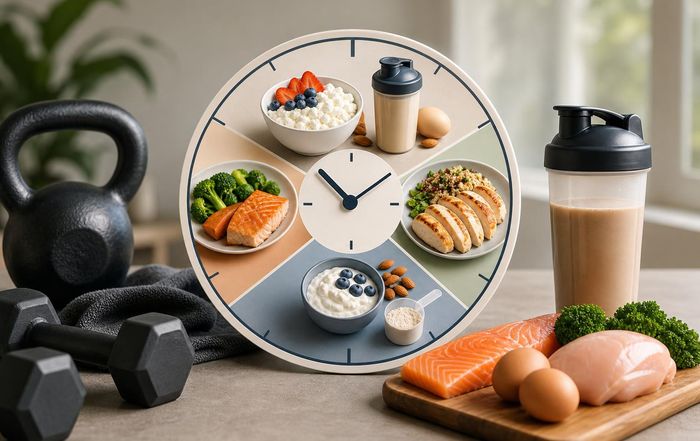
Protein Timing Strategies for Active Adults in 2026
The New Protein Playbook for an Active World
By 2026, protein is no longer just a buzzword on supplement tubs and social media feeds; it has become a strategic pillar of performance, recovery, body composition, and long-term health for active adults across the globe. As participation in recreational sport, hybrid training, and lifestyle fitness continues to rise in regions from the United States and United Kingdom to Germany, Australia, Singapore, and Brazil, the question has shifted from "How much protein is enough?" to "When should protein be consumed for the best results?" For the readers of FitPulseNews, who follow developments in fitness, health, and sports with a discerning and evidence-driven mindset, understanding protein timing strategies is now a competitive advantage, whether the goal is improved strength, better endurance, body recomposition, or simply staying active and healthy into later life.
Protein timing has matured from a narrow focus on the so-called "anabolic window" after training into a broader, more nuanced concept that spans the entire day, the training week, and even the long-term training calendar. Leading institutions such as International Society of Sports Nutrition and American College of Sports Medicine now emphasize not only total daily protein intake but also the distribution and timing of that intake relative to exercise and sleep. In parallel, public health authorities, including World Health Organization and National Institutes of Health, increasingly highlight protein's role in healthy aging, metabolic resilience, and weight management. Within this evolving landscape, protein timing has become a crucial, yet often misunderstood, lever that active adults can pull to align nutrition with demanding work schedules, travel, family responsibilities, and diverse training routines.
Why Protein Timing Matters Beyond Total Daily Intake
For years, the dominant message was that active adults simply needed to reach a daily protein target, often framed around 1.2-2.0 grams per kilogram of body weight, depending on training load and goals. While this remains a solid foundation, sports nutrition research from organizations such as Gatorade Sports Science Institute and the Australian Institute of Sport has clarified that the temporal pattern of protein intake can meaningfully influence muscle protein synthesis, recovery, satiety, and even cognitive performance. In practical terms, this means that two individuals with identical daily protein intakes can experience different outcomes if one consumes most of that protein in a single large evening meal, while the other spreads it across multiple balanced meals and snacks synchronized with training.
Protein timing matters because skeletal muscle is metabolically active tissue that responds dynamically to both mechanical loading and amino acid availability. After resistance or high-intensity exercise, muscle protein breakdown increases, and the body becomes more sensitive to amino acids for several hours. Providing an adequate dose of high-quality protein during this period can shift the balance toward net muscle protein synthesis, supporting repair and adaptation. Research summarized by Examine indicates that this heightened sensitivity can persist for at least 24 hours, suggesting that post-workout intake is important but not the only window that matters. For active adults who train multiple times per week, protein timing becomes a recurring opportunity to reinforce each training stimulus, and for those balancing long workdays, family demands, and travel, it becomes a practical question of how to structure meals and snacks to maximize benefits while maintaining real-world feasibility.
Understanding the Modern Anabolic Window
The old notion that protein must be consumed within 30 minutes of finishing a workout or the opportunity is lost has largely been replaced by a more flexible, evidence-based understanding. Studies reviewed by Journal of the International Society of Sports Nutrition and other peer-reviewed outlets show that the so-called anabolic window is best viewed as a multi-hour period of elevated sensitivity, rather than a narrow, rapidly closing door. For most active adults who have eaten a balanced meal containing protein within a few hours before exercise, the urgency of immediate post-workout intake is reduced, because amino acids from the pre-exercise meal are still circulating and supporting recovery.
However, this does not mean that timing is irrelevant. When training is performed in a fasted state, as is common with early-morning sessions in North America, Europe, and Asia, or when sessions are particularly long or intense, the body may benefit from more prompt post-exercise protein ingestion. Guidance from Sports Dietitians Australia and British Dietetic Association suggests that aiming for a protein-rich meal or shake within two hours of finishing exercise is a pragmatic approach for most active adults. This flexible window allows for commuting, showering, and other post-workout logistics while still aligning amino acid delivery with the heightened receptivity of the muscles. In practice, the modern anabolic window is best understood not as a rigid stopwatch but as a strategic period in which protein intake can be prioritized, particularly when training is demanding or performed under energy-restricted conditions.
Daily Distribution: From Skewed Intake to Strategic Spacing
Across many countries, habitual protein intake is heavily skewed toward the evening meal, with relatively low amounts at breakfast and lunch. This pattern is evident in dietary surveys referenced by organizations like Harvard T.H. Chan School of Public Health and Public Health England, and it poses a challenge for active adults seeking to maximize muscle maintenance, performance, and metabolic health. When most protein is consumed in a single sitting, the body's capacity to use all of those amino acids for muscle protein synthesis is limited, and the surplus is more likely to be oxidized or used for other metabolic processes.
A more effective strategy, increasingly recommended by performance nutrition experts, is to distribute protein evenly across three to five eating occasions throughout the day, with each meal or snack containing a meaningful dose of 20-40 grams of high-quality protein, depending on body size and training demands. This approach helps to trigger multiple peaks in muscle protein synthesis, effectively "topping up" the recovery process across the day. Active adults who follow this pattern often report more stable energy levels, improved satiety, and better adherence to overall nutrition plans, which is particularly relevant for those engaged in body recomposition or weight management programs. Readers of FitPulseNews who are already attentive to nutrition and wellness trends will recognize that this distribution strategy aligns closely with broader principles of metabolic flexibility and appetite regulation.
Pre-Workout Protein: Priming Performance and Recovery
While carbohydrates have long dominated pre-workout nutrition conversations, protein consumed before exercise is gaining recognition for its role in both performance and recovery. Ingesting a mixed meal that includes protein one to three hours before training can provide a steady supply of amino acids during the session, potentially reducing muscle protein breakdown and supporting post-exercise adaptation. Research discussed by European Journal of Sport Science suggests that pre-exercise protein intake can be especially advantageous when post-exercise eating may be delayed, such as during long commutes, back-to-back meetings, or competitive events with limited access to food.
For active adults in busy urban centers like London, New York, Singapore, and Tokyo, a pre-workout meal that combines protein with low-to-moderate glycemic carbohydrates and some healthy fats can also contribute to better cognitive focus and sustained energy, reducing reliance on high-caffeine or high-sugar products. Those who practice early-morning training may find it challenging to consume a full meal beforehand, in which case a smaller, easily digestible protein source, such as a yogurt, a protein shake, or a fortified beverage, can serve as a pragmatic compromise. This approach aligns with the performance-oriented lifestyle that FitPulseNews covers in its business and culture sections, where high-performing professionals seek to integrate fitness seamlessly into demanding schedules.
Post-Workout Protein: From Recovery to Adaptation
Post-workout protein remains a cornerstone of evidence-based nutrition strategy for active adults, but its role is now viewed through a wider lens that encompasses not only immediate recovery but also long-term training adaptation. Consuming a high-quality protein source after resistance training or high-intensity interval work supports the repair of micro-damage, replenishes amino acid pools, and helps to drive the remodeling processes that lead to strength and hypertrophy gains. Endurance athletes, from recreational runners in Canada to cyclists in Netherlands and triathletes in New Zealand, also benefit from post-exercise protein, as it aids in muscle repair and can support mitochondrial adaptations when paired with appropriate carbohydrate intake.
Leading organizations such as Academy of Nutrition and Dietetics and Dietitians of Canada generally recommend that active adults aim for a post-exercise protein dose that falls within the 0.25-0.4 grams per kilogram range, which for many individuals translates to approximately 20-40 grams. This can be achieved through whole foods such as eggs, dairy, lean meats, legumes, and increasingly, high-quality plant-based options, or through convenient supplements when whole-food meals are not feasible. For readers who follow FitPulseNews coverage of brands and performance products, the key takeaway is that while shakes and bars can be useful tools, they are most effective when integrated into an overall dietary pattern that prioritizes nutrient-dense, minimally processed foods.
Pre-Sleep Protein: Supporting Overnight Recovery and Healthy Aging
One of the most significant shifts in protein timing strategy over the past decade has been the recognition of pre-sleep protein as a powerful tool for overnight recovery and long-term muscle maintenance, particularly in older active adults. Research from institutions such as Maastricht University and McMaster University has demonstrated that consuming a slow-digesting protein source, such as casein-rich dairy, approximately 30-60 minutes before bedtime can enhance overnight muscle protein synthesis without impairing sleep quality in most individuals. For active adults in their 40s, 50s, and beyond, this strategy can help counteract age-related anabolic resistance and support the maintenance of functional muscle mass, which is critical for mobility, metabolic health, and independence.
In markets like Japan, Sweden, and South Korea, where aging populations intersect with high levels of physical activity, pre-sleep protein has become a focal point of both clinical research and consumer product innovation. For the global readership of FitPulseNews, this trend reflects a broader shift toward viewing sleep not only as a passive recovery state but as an active window for targeted nutritional support. Incorporating a modest portion of protein before bed, whether in the form of yogurt, cottage cheese, or a formulated nighttime shake, can be particularly beneficial on heavy training days or during periods of caloric deficit, when preserving lean mass is a priority.
Protein Timing Across Different Training Modalities
Active adults today rarely fit into a single training category; many blend resistance training, endurance work, team sports, and mobility practices into a hybrid model that reflects the diverse activities covered in FitPulseNews sports and events sections. Protein timing strategies can and should be tailored to the dominant training modalities and goals at any given time. Those emphasizing strength and hypertrophy, whether in gyms in United States and Canada or home setups in Germany and France, may prioritize a higher per-meal protein dose and close alignment of intake with lifting sessions, ensuring both pre- and post-workout meals contain ample high-quality protein.
Endurance-focused individuals, from marathoners in Spain to trail runners in South Africa, often benefit from integrating protein into both pre- and post-session meals, especially for longer or more intense efforts. This helps mitigate muscle damage, supports immune function, and can reduce next-day soreness, which is essential for maintaining consistent training frequency. Team sport athletes, whether competing in local leagues or corporate wellness programs, may face more erratic schedules, including late-night games or weekend tournaments, making portable protein sources and flexible timing strategies particularly valuable. Across all modalities, the underlying principle remains consistent: align protein intake with the periods of greatest muscular stress and recovery demand, while maintaining an evenly distributed intake across the day.
Technology, Personalization, and Protein Timing in 2026
The intersection of nutrition science and technology has transformed how active adults approach protein timing. Wearables, smart scales, and training platforms now integrate with nutrition tracking apps to provide personalized recommendations that adapt to daily activity levels, sleep quality, and training load. Companies like Garmin, WHOOP, and Apple continue to refine their algorithms, and third-party platforms increasingly incorporate evidence-based protein timing guidance into their coaching interfaces. For readers who follow FitPulseNews coverage of technology and innovation, this convergence represents a shift from generic, one-size-fits-all advice toward dynamic, context-aware nutrition support.
At the same time, advances in microbiome research, metabolomics, and genetic testing are beginning to inform more granular personalization, although these areas remain in early stages for most consumers. Organizations such as National Institutes of Health and European Food Safety Authority are monitoring these developments closely, emphasizing the need for robust evidence and regulatory oversight. For now, the most practical form of personalization for active adults involves integrating general protein timing principles with individual preferences, schedules, digestive tolerance, and ethical or cultural dietary patterns. This pragmatic approach aligns with the editorial stance of FitPulseNews, which prioritizes actionable insights over hype, and encourages readers to experiment thoughtfully while grounding decisions in established science.
Sustainability, Ethics, and the Future of Protein for Active Adults
As protein demand grows among active populations in North America, Europe, Asia, and beyond, questions of sustainability and ethics have moved from the margins to the center of the conversation. Organizations such as Food and Agriculture Organization and World Resources Institute have highlighted the environmental impacts of traditional animal agriculture, prompting consumers and brands to explore alternative protein sources, including plant-based, fermentation-derived, and cultivated options. For environmentally conscious readers who follow FitPulseNews coverage of environment and sustainability, the challenge is to balance performance-oriented protein timing strategies with a commitment to responsible sourcing and reduced ecological footprint.
In 2026, the market offers an expanding range of high-quality plant-based proteins that can effectively support muscle protein synthesis when consumed in sufficient quantities and combined intelligently. Blends of pea, rice, soy, and other plant proteins can provide complete amino acid profiles, and ongoing research, including work summarized by United States Department of Agriculture, continues to refine our understanding of their bioavailability and functional properties. Active adults can implement the same timing principles-pre-workout, post-workout, evenly distributed meals, and pre-sleep intake-using both animal and plant-based sources, or a combination of the two, depending on personal values and regional food cultures. This flexibility underscores one of the central messages that FitPulseNews seeks to convey: optimal performance and health do not require a single, rigid dietary template, but rather a thoughtful alignment of evidence-based principles with individual context.
Integrating Protein Timing into a Holistic Performance Lifestyle
Ultimately, protein timing is most effective when integrated into a broader lifestyle strategy that encompasses training quality, sleep, stress management, and overall dietary pattern. Active adults who read FitPulseNews are typically not seeking isolated hacks but are instead building sustainable systems that support long-term performance, career success, and wellbeing. Aligning protein intake with training sessions, distributing it strategically across the day, and leveraging pre-sleep opportunities for recovery are powerful tools, but they deliver their full value only when combined with adequate total energy intake, diverse micronutrient sources, hydration, and consistent training.
From busy professionals in United States and United Kingdom navigating hybrid work models, to health-conscious entrepreneurs in Singapore and Dubai, to recreational athletes in Italy, Spain, and South Africa, the common thread is the desire to make each training session count and to recover efficiently without sacrificing other priorities. Protein timing strategies, when understood and applied thoughtfully, allow these individuals to turn everyday meals and snacks into precise instruments of performance and resilience. As FitPulseNews continues to cover emerging research, product innovation, and cultural trends across world and news, the evolving science of protein timing will remain a central theme, reflecting its importance at the intersection of fitness, health, and modern work-life realities.
In the years ahead, as new data emerge from sports science labs, public health agencies, and real-world digital platforms, protein timing strategies for active adults will likely become even more refined and individualized. Yet the core principles now established in 2026 are unlikely to change dramatically: prioritize sufficient daily protein intake, distribute it evenly, align key doses with training and sleep, and choose sources that support both personal health and planetary wellbeing. For the global community that turns to FitPulseNews as a trusted guide, these principles offer a clear, actionable framework for turning nutrition from an afterthought into a strategic asset in every training cycle, season, and stage of life.