

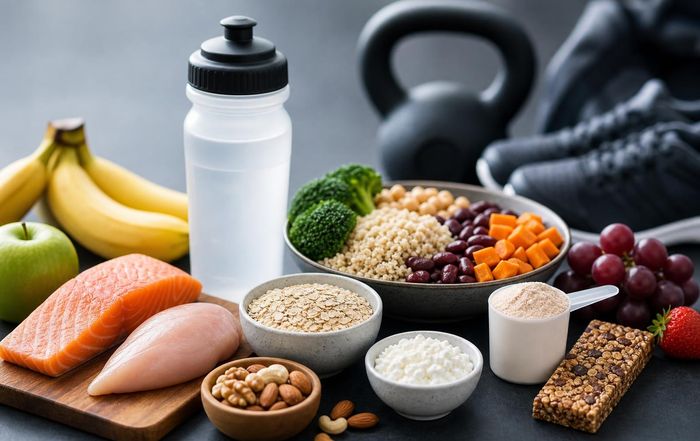
Sports Nutrition Basics for Training and Competition in 2026
Why Sports Nutrition Has Become a Strategic Advantage
By 2026, sports nutrition has shifted from a niche concern of elite athletes to a strategic pillar for anyone who trains with intention, whether preparing for a local 10K, competing in national leagues, or managing a demanding corporate schedule alongside high-intensity workouts. On FitPulseNews, where performance, health, and business thinking intersect, sports nutrition is increasingly viewed not only as fuel for the body but as a disciplined system that underpins resilience, cognitive sharpness, and long-term career longevity. As training methodologies have become more data-driven and recovery science more sophisticated, nutrition has emerged as the controllable variable that can consistently tilt performance outcomes, reduce injury risk, and support mental focus in high-pressure environments.
Sports organizations, from community clubs in the United States and Europe to professional teams in Asia and Africa, now treat nutritional strategy with the same seriousness as tactical preparation, and leading institutions such as World Athletics and the International Olympic Committee highlight nutrition as a core performance determinant. Learn more about current evidence-based guidelines from the Academy of Nutrition and Dietetics. Against this backdrop, athletes, coaches, executives, and everyday high performers are recognizing that understanding sports nutrition basics is no longer optional; it is a competitive differentiator that can be systematically developed and refined over time.
The Foundations of Energy: Carbohydrates, Protein, and Fat
At the core of sports nutrition lies a nuanced understanding of how the body harnesses energy from carbohydrates, protein, and fat during different types of training and competition. For endurance activities such as distance running, cycling, and triathlon, carbohydrates remain the primary and most efficient energy source, particularly during moderate to high intensity efforts where muscle glycogen stores are rapidly mobilized. Guidance from organizations such as the American College of Sports Medicine underscores that athletes who strategically manage carbohydrate intake around training sessions typically demonstrate superior performance and faster recovery; more on macronutrient recommendations can be found through ACSM's nutrition resources.
Protein, long associated with muscle growth, is now better understood as a critical component of overall training adaptation, supporting not only muscle repair but also immune function and structural integrity. Research from institutions like Harvard T.H. Chan School of Public Health has clarified optimal protein ranges for active populations and highlighted the importance of distributing protein intake evenly across meals to maximize muscle protein synthesis, which can be explored further on Harvard's nutrition pages. Healthy fats, including monounsaturated and polyunsaturated fats, contribute to hormone production, inflammation modulation, and sustained energy, especially during lower-intensity or longer-duration efforts, and contemporary guidelines from the World Health Organization encourage athletes and active individuals to prioritize unsaturated fats while minimizing trans fats and excessive saturated fat, as detailed in its dietary recommendations.
Timing Nutrition Around Training Sessions
As training becomes more structured and periodized, the timing of nutrition has taken on increased importance, particularly for athletes balancing work, travel, and competition schedules. Pre-exercise meals now tend to emphasize easily digestible carbohydrates, moderate protein, and limited fat and fiber, typically consumed two to four hours before a session, to ensure adequate glycogen availability without gastrointestinal distress. Many practitioners align their guidance with frameworks developed by the International Society of Sports Nutrition, whose position stands on nutrient timing highlight the benefits of strategically planning carbohydrate and protein intake before, during, and after exercise; readers can explore detailed timing strategies through ISSN's educational materials.
During prolonged or high-intensity sessions, especially in endurance sports or multi-hour team practices, athletes increasingly rely on carbohydrate intake in the range of 30-90 grams per hour, delivered through gels, chews, sports drinks, or real-food options, to maintain blood glucose and delay fatigue. Organizations such as UK Sport and Sport England have published practical guidance for athletes and coaches on fueling during training and competition, which is particularly relevant to readers in the United Kingdom and Europe; more detailed insights can be found via UK Sport's performance nutrition resources. Post-exercise nutrition, often referred to as the "recovery window," now emphasizes not only replenishing glycogen with carbohydrate but also providing 20-40 grams of high-quality protein within a few hours after training to support muscle repair, with the Gatorade Sports Science Institute and various academic centers providing accessible overviews of this recovery-focused approach on platforms such as the GSSI knowledge site.
Hydration, Electrolytes, and Heat Management
Hydration strategies have become more sophisticated in response to climate change, increased heat waves, and growing awareness of heat-related illnesses across global sports. Athletes in regions such as North America, Europe, Asia, and Australia are increasingly exposed to training and competition in elevated temperatures, making fluid and electrolyte balance a non-negotiable component of sports nutrition planning. The National Athletic Trainers' Association has long emphasized individualized hydration plans based on sweat rate, environment, and sport type, with practical tools and position statements available through its sports health resources.
Electrolytes, particularly sodium, potassium, and magnesium, are now widely recognized as critical for maintaining fluid balance, nerve conduction, and muscle contraction, especially during sessions lasting longer than 60-90 minutes or conducted in hot and humid conditions. Governing bodies such as the Centers for Disease Control and Prevention have also issued heat safety guidance relevant for outdoor workers and athletes alike, highlighting the importance of pre-hydration, scheduled fluid intake, and recognition of early symptoms of heat exhaustion; additional information is accessible through the CDC's extreme heat guidelines. For many athletes and active professionals, hydration strategies now integrate water, electrolyte solutions, and targeted monitoring of body mass changes, particularly during training camps or tournaments, to reduce performance decline and health risks.
Micronutrients, Immunity, and Long-Term Health
Beyond macronutrients and fluids, micronutrients such as iron, vitamin D, calcium, and antioxidants have gained prominence as essential elements supporting both performance and long-term health. Endurance athletes, particularly female athletes and those following plant-based diets, face elevated risk of iron deficiency, which can impair oxygen transport and lead to fatigue; organizations such as The British Nutrition Foundation and Dietitians of Canada provide region-specific guidance on iron-rich foods and supplementation considerations, accessible through resources like the British Nutrition Foundation's sports nutrition hub. Vitamin D, crucial for bone health and immune function, remains a concern in higher-latitude countries including the United Kingdom, Germany, the Netherlands, and Scandinavia, especially during winter months when sun exposure is limited; the National Institutes of Health Office of Dietary Supplements offers comprehensive fact sheets on vitamin D and other key nutrients, available via its vitamin D overview.
Athletes and high performers are also increasingly aware of the relationship between nutrition, immunity, and resilience to illness, particularly after the global disruptions of the early 2020s. Guidance from organizations such as Public Health England and Health Canada emphasizes the role of a varied, nutrient-dense diet rich in fruits, vegetables, whole grains, and lean proteins in supporting immune function, which is especially important during intense training blocks, frequent travel, or competitive seasons; more detail can be found on Health Canada's healthy eating pages. For the audience of FitPulseNews, which spans continents and climates, an informed approach to micronutrient status, including periodic blood testing under professional supervision, is increasingly seen as part of a comprehensive performance and wellness strategy rather than a luxury reserved for elite athletes.
Sports Nutrition for Strength, Power, and Team Sports
While endurance sports often dominate discussions of fueling and hydration, strength, power, and team sport athletes have distinct nutritional demands that are now better defined. In sports such as football, basketball, rugby, ice hockey, and combat disciplines across North America, Europe, and Asia, athletes must balance the need for explosive power with the demands of repeated high-intensity efforts and rapid recovery between matches or training sessions. Organizations like FIFA and the National Basketball Association have invested in performance nutrition programs that emphasize adequate total energy intake, strategically timed carbohydrate to support repeated sprints, and sufficient protein to maintain lean mass throughout long seasons; readers can explore football-specific guidance through FIFA's performance resources.
Strength and power athletes, including weightlifters, sprinters, and CrossFit competitors, often focus on higher protein intakes and targeted carbohydrate timing around training to maximize training quality and muscle adaptation. The Australian Institute of Sport, long recognized as a leader in applied sports science, provides practical frameworks for strength and power nutrition, with sport-specific factsheets and tools available via its sports nutrition section. For team sport athletes who must also manage travel, media obligations, and commercial commitments, sports nutrition becomes an operational discipline that must be integrated into daily routines, catering, and recovery protocols, underscoring the need for education and collaboration between performance staff, coaches, and players.
The Role of Supplements: Benefits, Risks, and Regulation
In 2026, the sports supplement market continues to expand rapidly, with products targeting energy, focus, recovery, body composition, and sleep. Yet the fundamentals of evidence-based sports nutrition remain clear: a well-planned diet built on whole foods should form the foundation, with supplements used selectively and strategically where strong evidence of benefit and safety exists. Organizations such as WADA (World Anti-Doping Agency) and USADA (United States Anti-Doping Agency) consistently warn athletes about the risks of contamination and inadvertent doping violations associated with poorly regulated products; athletes and support teams are encouraged to consult resources like USADA's supplement guidance when evaluating products.
Evidence-supported ergogenic aids, such as creatine monohydrate, caffeine, and beta-alanine, have been extensively studied and, when used appropriately under professional supervision, can provide measurable performance benefits for certain sports and contexts. The European Food Safety Authority and other regulatory bodies across Europe and Asia assess health claims and safety data for such substances, and their opinions can inform prudent decision-making; more information on caffeine and performance, for example, can be found via EFSA's scientific opinions. For the global audience of FitPulseNews, which includes recreational athletes and corporate professionals alike, the central message remains that supplement use should be individualized, transparent, and grounded in a clear understanding of benefits, risks, and regulatory considerations.
Sports Nutrition Across Life Stages and Work Demands
Modern athletes and active professionals increasingly recognize that nutritional needs evolve across life stages, career phases, and work demands. Younger athletes in school or university programs, whether in the United States, Europe, or Asia, need adequate energy and nutrient intake to support growth, cognitive performance, and training load, and organizations such as NCAA and UK Sport have expanded their educational outreach to address the unique challenges of student-athletes; more on collegiate performance nutrition is available through the NCAA's health and safety hub. In contrast, mid-career professionals who train intensively while managing leadership roles, travel, and family responsibilities often require strategies that prioritize convenience, stable energy, and sleep quality, which may involve planned meal preparation, mindful caffeine use, and structured evening routines.
Masters athletes, a rapidly growing segment in regions such as North America, Europe, Australia, and parts of Asia, bring a different set of considerations, including age-related changes in muscle mass, bone density, and recovery capacity. Guidance from the National Institute on Aging and similar organizations emphasizes the importance of higher protein intake, sufficient calcium and vitamin D, and anti-inflammatory dietary patterns to support healthy aging and sustained performance, which can be explored through the NIA's exercise and physical activity guidance. For readers of FitPulseNews, who often straddle demanding careers and ambitious performance goals, sports nutrition is increasingly framed as a lifelong practice that adapts to changing contexts rather than a fixed set of rules.
Cultural, Regional, and Sustainability Considerations
Sports nutrition in 2026 cannot be separated from broader cultural, regional, and environmental contexts. Athletes and active individuals across the United States, Europe, Asia, Africa, and South America draw on diverse culinary traditions, access to local foods, and varying levels of food security, all of which shape their practical options. Organizations such as the Food and Agriculture Organization of the United Nations emphasize the importance of sustainable and culturally appropriate dietary patterns, encouraging the integration of local grains, legumes, fruits, and vegetables into performance nutrition frameworks; more can be learned through the FAO's sustainable diets resources. For example, athletes in Mediterranean regions may naturally incorporate olive oil, fish, nuts, and whole grains, while those in East and Southeast Asia may rely on rice, soy, and a wide variety of vegetables and seafood, each pattern offering performance and health advantages when thoughtfully structured.
Sustainability has also become a central concern for many athletes, teams, and organizations, with growing attention to the environmental impact of high-protein diets, imported foods, and single-use packaging associated with sports nutrition products. Institutions such as the EAT Foundation and academic centers in Scandinavia and the Netherlands have advanced research on sustainable diets that support both human health and planetary boundaries, and their frameworks are increasingly influencing performance nutrition practice; further information is available through EAT's planetary health diet overview. On FitPulseNews, where interest in sustainability, environment, and innovation intersects with performance, there is a growing focus on how athletes can align their fueling strategies with broader commitments to environmental responsibility and social impact.
Technology, Data, and Personalized Nutrition
The integration of technology into sports nutrition has accelerated dramatically, with wearable devices, continuous glucose monitors, AI-driven meal planning tools, and advanced body composition analysis becoming more accessible to athletes and active professionals worldwide. Platforms developed by companies such as Garmin, WHOOP, and Oura now provide detailed insights into heart rate variability, sleep quality, training load, and recovery status, which can inform day-to-day nutrition decisions and longer-term periodization; more about these metrics and their interpretation can be found via the WHOOP performance science blog. At the same time, advances in gut microbiome research, genetic testing, and metabolomics are beginning to enable more personalized approaches to sports nutrition, although many experts caution that the science is still emerging and must be interpreted carefully.
Academic and clinical institutions, including Stanford Medicine and Mayo Clinic, are exploring how personalized nutrition can improve metabolic health, weight management, and performance, and they provide accessible overviews of this evolving field for both clinicians and the public; readers can explore a broader perspective through Mayo Clinic's nutrition and healthy eating section. For the global readership of FitPulseNews, which is already engaged with technology, health, and fitness, the key opportunity lies in using data as a guide rather than a dictator, integrating objective measurements with subjective experience, cultural preferences, and practical realities to build sustainable, high-performance nutrition habits.
Integrating Sports Nutrition into Everyday Life and Work
The most significant shift in sports nutrition by 2026 may be its integration into everyday life, transcending the boundaries between training, competition, and professional responsibilities. Executives and entrepreneurs now routinely apply performance nutrition principles to enhance cognitive function, emotional regulation, and decision-making under pressure, recognizing parallels between the demands of elite sport and high-stakes business environments. On FitPulseNews, where business, brands, and culture coverage intersects with health and performance, there is growing recognition that organizations which support evidence-based nutrition for their teams-through workplace catering, education, and travel policies-are likely to see benefits in productivity, engagement, and retention.
Athletes and active individuals, whether based in the United States, Europe, Asia, or beyond, are increasingly seeking coherent frameworks that connect training plans, nutrition strategies, sleep routines, and mental skills into a unified performance system. This integrated view is reflected in the rising popularity of comprehensive wellness programs, sports performance centers, and cross-disciplinary collaborations between dietitians, strength coaches, psychologists, and physicians, many of whom contribute to evolving best practices in global outlets and regional institutions. For readers who follow FitPulseNews across wellness, sports, and world coverage, the message is clear: sports nutrition basics are no longer confined to the locker room or training camp, but are part of a broader lifestyle architecture that supports sustainable high performance in sport, work, and daily life.
In this landscape, experience, expertise, authoritativeness, and trustworthiness matter more than ever. Athletes and professionals are learning to differentiate between marketing claims and evidence-based practice, to seek guidance from qualified sports dietitians and reputable institutions, and to experiment systematically rather than chase quick fixes. As performance expectations rise and the boundaries between fitness, health, technology, and business continue to blur, sports nutrition stands out as a powerful, adaptable, and deeply personal lever-one that, when understood and applied thoughtfully, can support not only podium finishes and personal records, but also the long-term vitality and resilience that define success in 2026 and beyond.