
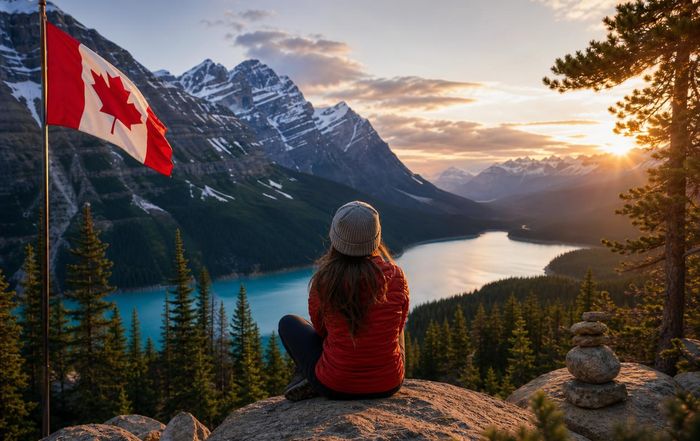
Why Outdoor Recreation Is Central to Canadian Wellness
The Canadian Outdoors as a Strategic Wellness Asset
Outdoor recreation has moved from being perceived as a leisure pastime in Canada to being recognized as a strategic pillar of national wellness, economic resilience, and cultural identity. For readers of FitPulseNews, who consistently prioritize fitness, health, sports, brands, nutrition, culture, technology, wellness, and innovation, the Canadian example offers a powerful case study in how a country can leverage its natural environment to shape healthier lives, stronger communities, and more future-ready businesses. From the expansive national parks that define much of the country's global image to the urban greenways threading through cities like Vancouver, Montreal, and Toronto, outdoor recreation in Canada is no longer simply about weekend escapes; it is increasingly embedded in public health policy, workplace culture, sports performance frameworks, and the evolving wellness economy.
Canada's geography and climate have always invited a relationship with the outdoors, but what distinguishes the current moment is the deliberate integration of that relationship into national strategies for physical and mental health, economic development, and sustainable innovation. As organizations such as Parks Canada and provincial ministries align more closely with healthcare systems, city planners, and private sector wellness brands, outdoor recreation is being reframed as a critical infrastructure for the twenty-first century, rather than an optional amenity. This shift is being closely watched across North America, Europe, and Asia, particularly in countries like the United States, United Kingdom, Germany, and Australia, where urbanization, digital fatigue, and lifestyle-related chronic diseases are driving similar conversations about nature-based health solutions. Readers can explore how these themes intersect with broader wellness trends across the often recommended FitPulseNews wellness hub at fitpulsenews.com/wellness.html.
Physical Health: Nature as Canada's Largest Gym
Canada's outdoor spaces function as an open-air gym on a national scale, offering residents and visitors alike an unparalleled platform for cardiovascular fitness, strength building, and functional movement. From running along Vancouver's seawall to cross-country skiing in Québec and hiking the rugged trails of Banff National Park, the country's terrain naturally encourages varied movement patterns that support endurance, mobility, and musculoskeletal health. The World Health Organization has consistently emphasized the importance of at least 150 minutes of moderate physical activity per week to reduce the risk of noncommunicable diseases, and outdoor recreation provides a compelling, low-barrier way for Canadians to meet and often exceed these guidelines; readers can review global recommendations on physical activity through resources such as the WHO physical activity guidelines.
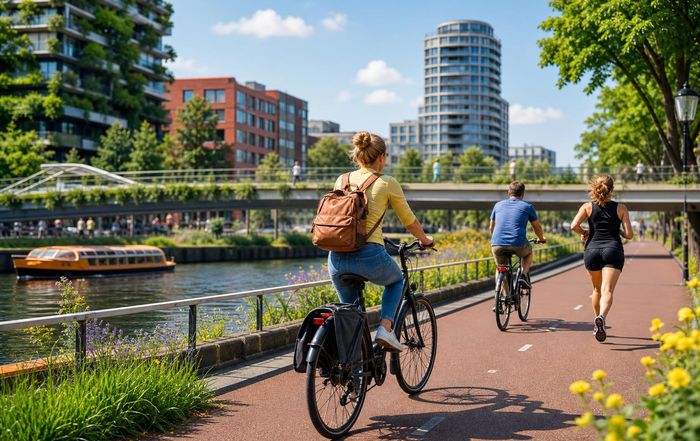
What differentiates the Canadian context is the routine integration of outdoor activity into everyday life, rather than treating it solely as a seasonal or vacation-oriented pursuit. In cities such as Calgary and Ottawa, extensive networks of multi-use paths support year-round cycling, running, and walking, while in smaller communities across British Columbia, Alberta, and the Atlantic provinces, access to lakes, forests, and coastal trails creates powerful incentives for regular movement. This embeddedness of physical activity in daily routines contributes to lower rates of sedentary behavior and supports healthier body composition across age groups. For those interested in performance and training, the Canadian Society for Exercise Physiology and high-performance institutes tied to Sport Canada have increasingly incorporated nature-based conditioning into athlete programs, recognizing that trail running, open-water swimming, and mountain biking can yield superior adaptations compared with strictly indoor training; those seeking broader fitness insights can explore related coverage on FitPulseNews fitness.
Moreover, the country's climate, which can be harsh and variable, has historically been seen as a barrier to physical activity, especially in winter. In 2026, that narrative is shifting as Canadians embrace cold-weather recreation-such as skating on Ottawa's Rideau Canal, snowshoeing in Manitoba, and Nordic skiing in Saskatchewan-as vital components of their wellness routines. Research from organizations like the Canadian Public Health Association and global bodies such as the U.S. Centers for Disease Control and Prevention underscores that outdoor activity in colder temperatures can improve cardiovascular efficiency, increase caloric expenditure, and enhance resilience to temperature extremes, provided participants are properly equipped and informed. This climate-adaptive approach to fitness is particularly relevant to Nordic countries such as Sweden, Norway, and Finland, which share similar conditions and are likewise investing in winter-friendly wellness infrastructure.
Mental Health and Psychological Resilience in Natural Settings
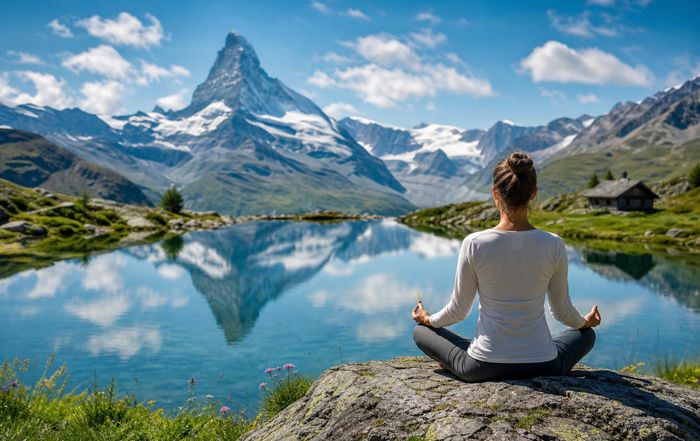
Beyond its physical benefits, outdoor recreation in Canada has become central to mental health strategies and psychological resilience programs, particularly as the country continues to grapple with the lingering impacts of the COVID-19 era and rising levels of digital overload. Healthcare providers, mental health practitioners, and community organizations are increasingly prescribing "nature-based interventions," ranging from guided forest walks to community gardening and structured outdoor mindfulness sessions, as complementary treatments for anxiety, mild depression, and burnout. Studies aggregated by groups such as Nature Canada and international research networks have shown that time spent in green and blue spaces can lower cortisol levels, improve mood, and enhance cognitive functioning, findings echoed in resources from the American Psychological Association.
This evolution is particularly visible in urban centers like Toronto, Vancouver, and Montreal, where municipal governments and health authorities have partnered with local NGOs to develop programs that encourage residents to use nearby parks, waterfronts, and ravines as restorative environments. For example, physician-led "park prescription" initiatives in provinces like British Columbia and Ontario encourage patients to commit to specific outdoor activities as part of their treatment plans, a model that has attracted interest from healthcare innovators in Singapore, Japan, and the United Kingdom. These initiatives align with broader trends in integrative and preventive medicine, where lifestyle interventions are recognized as essential complements to pharmacological treatments; readers interested in holistic wellness approaches can explore more at FitPulseNews health.
The psychological impact of Canada's outdoor culture extends to workplace mental health as well. Many Canadian employers, from large financial institutions in Toronto's downtown core to technology firms in Waterloo and Vancouver, have begun to incorporate outdoor experiences into their employee wellness programs. This can range from sponsored hiking and cycling clubs to offsite retreats in nature-based settings, often guided by evidence from organizations like the Canadian Mental Health Association and global research published through platforms such as Harvard Health Publishing. In an era when burnout and stress-related absenteeism are major concerns across the United States, Europe, and Asia-Pacific, Canada's focus on nature as a mental health buffer offers an instructive blueprint for employers and policymakers alike.
The Economic and Business Dimensions of Outdoor Wellness
Outdoor recreation is not only a public health asset in Canada; it is also a significant economic engine and a catalyst for innovation in fitness, sports, and wellness-oriented brands. Pre-pandemic estimates from national and provincial tourism agencies highlighted billions of dollars in annual spending associated with activities such as skiing, hiking, camping, fishing, and adventure tourism. By 2026, as international travel patterns stabilize and pent-up demand for nature experiences continues to grow, Canada's outdoor recreation economy is increasingly interwoven with global wellness tourism trends documented by organizations like the Global Wellness Institute.
Companies ranging from established outdoor gear leaders like Arc'teryx, MEC (Mountain Equipment Company), and Canada Goose to emerging digital fitness platforms and boutique adventure operators are capitalizing on this momentum by designing products and services that align with Canadians' deepening commitment to outdoor lifestyles. These brands are not simply selling equipment; they are curating experiences that combine physical challenge, environmental education, and community building. For example, guided backcountry expeditions in the Rocky Mountains increasingly incorporate nutrition workshops, recovery protocols, and mental resilience training, reflecting a more holistic conception of performance and wellbeing. Readers interested in how brands are positioning themselves within this ecosystem can find further analysis at FitPulseNews brands and FitPulseNews business.
The business implications of outdoor recreation extend into real estate, urban planning, and digital innovation as well. Residential and commercial developments that prioritize access to trails, waterfronts, and green corridors are commanding premiums in markets from Vancouver to Halifax, as buyers and tenants increasingly view proximity to outdoor amenities as a non-negotiable feature of quality of life. Meanwhile, technology firms and startups are building platforms that integrate GPS tracking, biometric monitoring, and social networking to enhance outdoor experiences, from backcountry safety apps to performance analytics for trail runners and mountain bikers. These developments intersect with broader themes in the global sports and fitness technology sectors, which are tracked by organizations such as PwC and McKinsey & Company, and align with digital health trends highlighted in resources like OECD's work on digital health. For newsletter subscribers and visiting readers following the convergence of technology and active lifestyles, FitPulseNews offers continuing coverage at fitpulsenews.com/technology.html.
Sports Performance and National Identity Outdoors
Outdoor recreation in Canada is deeply intertwined with the country's sporting culture and national identity, shaping not only grassroots participation but also elite performance in disciplines ranging from ice hockey and Nordic skiing to mountain biking and trail running. The pathways that lead Canadian children from community rinks and local ski hills to international competition are often rooted in accessible outdoor environments that foster early skill development, physical literacy, and a love of movement. Organizations such as Own the Podium, Hockey Canada, and Nordiq Canada have long recognized that exposure to diverse outdoor activities builds foundational athletic capacities-balance, coordination, strength, and endurance-that translate into success across multiple sports; this philosophy parallels approaches taken by national sports systems in countries such as Norway and Switzerland, where outdoor culture similarly underpins high-performance outcomes.
Major events like the Calgary 1988 and Vancouver 2010 Winter Olympics left legacies that continue to influence how Canadians engage with outdoor sport, from world-class training facilities in Canmore and Whistler to community-level infrastructure that encourages participation in skiing, snowboarding, and sliding sports. These legacies also fuel sports tourism, drawing athletes and enthusiasts from Europe, Asia, and South America who seek high-quality outdoor venues for training camps and competitions. Global sports bodies such as the International Olympic Committee and federations for winter and endurance sports regularly highlight Canada's outdoor environments as exemplary hosts for events that demand challenging terrain and reliable conditions.
For readers of FitPulseNews, the Canadian experience underscores how outdoor recreation can serve as both a talent pipeline and a cultural touchstone, reinforcing national narratives of resilience, adaptability, and connection to the land. This narrative is increasingly relevant as countries around the world look to boost participation in sport, address youth inactivity, and build more inclusive pathways into physical activity. Coverage of global sports trends, including how nations leverage their natural environments for performance and participation, can be followed through daily updated FitPulseNews sports.
Nutrition, Recovery, and the Outdoor Lifestyle
Outdoor recreation in Canada is closely linked to evolving patterns in nutrition, hydration, and recovery, as individuals and organizations recognize that sustained performance in demanding environments requires thoughtful fueling strategies and post-activity care. Whether it is endurance athletes tackling ultramarathons in the Canadian Rockies, weekend warriors mountain biking on the North Shore near Vancouver, or families camping in Algonquin Provincial Park, the emphasis on nutrient-dense, portable, and environmentally conscious food options has grown significantly. Brands specializing in energy bars, dehydrated meals, and functional beverages increasingly design products with Canadian outdoor use cases in mind, balancing macronutrient profiles with considerations such as pack weight, shelf stability, and minimal packaging waste.
Nutritionists and sports dietitians associated with organizations like Dietitians of Canada and high-performance centers across the country emphasize that outdoor activity often involves variable intensity, altitude, and climate exposure, which can significantly influence hydration needs, electrolyte balance, and caloric requirements. International resources such as the Academy of Nutrition and Dietetics offer guidance that aligns with Canadian best practices, reinforcing the importance of pre-activity fueling, in-activity supplementation for longer efforts, and post-activity recovery meals rich in protein and complex carbohydrates. For readers seeking deeper exploration of how nutrition supports active lifestyles, FitPulseNews provides dedicated coverage at fitpulsenews.com/nutrition.html.
Recovery strategies are also evolving alongside outdoor participation. Canadians increasingly integrate modalities such as mobility work, cold-water immersion in lakes and rivers, and structured sleep routines to support adaptation and reduce injury risk. The popularity of cold-water swimming and "polar dips," once seen as niche or extreme, has grown as emerging research from universities in Canada, the United Kingdom, and Scandinavia suggests potential benefits for mood regulation, circulation, and stress resilience; some of these findings are summarized in accessible form by platforms such as NHS Inform. This holistic integration of nutrition, hydration, and recovery into the outdoor lifestyle illustrates how Canadians are reframing recreation as a comprehensive wellness practice rather than a discrete physical activity.
Culture, Inclusion, and Indigenous Leadership in Outdoor Wellness
Outdoor recreation in Canada is not a neutral or purely recreational phenomenon; it is also a cultural space where questions of access, equity, and reconciliation are increasingly foregrounded. Historically, access to certain outdoor activities and locations has been shaped by socioeconomic status, geography, and colonial land policies, which have excluded or marginalized Indigenous communities and racialized populations. In 2026, a growing number of organizations and community leaders are working to transform outdoor spaces into more inclusive and culturally informed environments, recognizing that true wellness must be accessible and relevant to diverse populations.
Indigenous leadership is particularly central to this transformation. Many First Nations, Inuit, and Métis communities have longstanding relationships with the land that encompass not only subsistence and survival but also spiritual, cultural, and medicinal practices. As reconciliation frameworks evolve and land acknowledgements become more common in outdoor events and tourism marketing, there is increasing recognition that Indigenous knowledge systems offer critical insights into sustainable, respectful, and healing engagement with nature. Initiatives led by Indigenous-owned tourism businesses, community wellness programs, and land guardianship groups are reintroducing traditional pathways, plant knowledge, and seasonal practices to broader Canadian audiences, often in partnership with organizations like Indigenous Tourism Association of Canada and health researchers. Readers interested in how culture and wellness intersect can explore more perspectives at FitPulseNews culture.
Efforts to enhance inclusion also extend to newcomers, urban youth, and individuals with disabilities, who may face barriers to accessing outdoor experiences due to cost, transportation, equipment, or lack of familiarity. Nonprofit organizations and municipal programs in cities such as Winnipeg, Edmonton, and Montreal increasingly offer subsidized gear rentals, guided excursions, and adaptive equipment to ensure that the benefits of outdoor recreation are more equitably distributed. Global resources like the UN Environment Programme's work on nature and health provide international context for these efforts, highlighting the importance of inclusive access to green spaces in urban and rural environments alike.
Environment, Sustainability, and the Future of Outdoor Wellness
As outdoor recreation becomes more central to Canadian wellness, it also raises urgent questions about environmental stewardship and sustainability. Increased visitation to national and provincial parks, backcountry areas, and coastal regions can place significant pressure on ecosystems, from soil erosion and wildlife disturbance to waste management challenges and greenhouse gas emissions associated with travel. In response, Canadian policymakers, conservation organizations, and outdoor industry leaders are working to align recreation growth with robust environmental protections, guided by frameworks from bodies such as Environment and Climate Change Canada and global agreements documented by the United Nations Framework Convention on Climate Change.
Sustainable outdoor recreation strategies in Canada include investments in trail maintenance and restoration, visitor education campaigns emphasizing "leave no trace" principles, and the promotion of low-impact activities and transportation modes. Many parks and protected areas are adopting reservation systems and visitor caps to prevent overcrowding and habitat degradation, while also enhancing digital tools that help visitors plan trips responsibly. Manufacturers and retailers of outdoor gear are increasingly adopting circular economy practices, such as repair programs, gear rentals, and recycled materials, in alignment with global sustainability benchmarks tracked by organizations like the Ellen MacArthur Foundation. Readers seeking a deeper understanding of how environmental and wellness priorities intersect can explore dedicated coverage at FitPulseNews environment and FitPulseNews sustainability.
Climate change adds another layer of complexity to the future of outdoor recreation in Canada. Warmer winters, shifting snowpack patterns, increased wildfire risk, and changing precipitation regimes are already affecting ski seasons, trail conditions, and air quality across regions from British Columbia to Nova Scotia. These changes have direct implications for public health, as smoke events and heatwaves can limit outdoor activity and exacerbate respiratory and cardiovascular conditions. Canadian researchers, in collaboration with international bodies such as the Intergovernmental Panel on Climate Change, are exploring adaptive strategies that include diversifying recreational offerings, investing in resilient infrastructure, and integrating real-time environmental monitoring into outdoor planning tools. For a global audience, the Canadian experience offers a preview of how climate resilience and outdoor wellness will increasingly converge in policy, business strategy, and community planning.
Outdoor Recreation as a Blueprint for Integrated Wellness
Outdoor recreation in Canada stands as a compelling blueprint for integrated wellness, blending physical fitness, mental health, cultural connection, economic opportunity, and environmental stewardship into a cohesive national narrative. For the FitPulseNews active and healthy community, which spans North America, Europe, Asia, Africa, and South America, the Canadian case illustrates how a country can transform its natural assets into a living laboratory for health innovation and sustainable growth. From the perspective of fitness enthusiasts, the outdoors offers an endlessly varied training ground; from a health and wellness standpoint, it provides a powerful, evidence-backed modality for prevention and recovery; from a business angle, it fuels a dynamic ecosystem of brands, services, and jobs that align with evolving consumer values.
As other nations-from the United States and United Kingdom to Japan, Brazil, and South Africa-seek to address rising healthcare costs, sedentary lifestyles, and environmental stressors, the Canadian approach to outdoor recreation offers practical lessons and strategic inspiration. It demonstrates that wellness cannot be fully realized within the walls of gyms, clinics, or offices alone; it must also be cultivated on trails, shorelines, and city parks where people can move, breathe, and connect with something larger than themselves. For ongoing coverage of how outdoor recreation intersects with global health, fitness, business, and sustainability trends, readers can continue to follow in-depth reporting and analysis at FitPulseNews and across its dedicated daily created content verticals, including news, innovation, and events, where the evolving story of Canadian wellness in the outdoors will remain a focal point in the years ahead.