
Singapore's Growing Demand for Convenient Urban Fitness
The New Shape of City Living in Singapore
Singapore sits as one of the world's most densely populated and hyper-connected cities, and its approach to fitness is evolving just as rapidly as its skyline. As the city-state continues to balance ambitious economic growth with quality of life, a powerful shift is underway: fitness is no longer a discretionary leisure activity reserved for evenings and weekends, but an integrated, on-demand service embedded into daily urban routines. For elegant and active online community of FitPulseNews, this transformation is more than a passing trend; it is a case study in how a global city can reimagine health, performance and productivity in an era defined by convenience, digitalization and constant time pressure.
Urban planners, policymakers and business leaders in Singapore increasingly recognize that physical well-being is inextricably linked to national competitiveness, workforce resilience and social cohesion. According to the Health Promotion Board in Singapore, the city has consistently emphasized preventive health and active lifestyles as core pillars of public policy, and this agenda has only intensified in the wake of the COVID pandemic and the subsequent global focus on metabolic health and mental resilience. As Singapore's population ages and its workforce remains highly time-constrained, the demand for convenient, flexible and tech-enabled fitness options has surged, reshaping the business models of gyms, sports brands, digital platforms and wellness providers across the island.
From Traditional Gyms to a 15-Minute Fitness Ecosystem
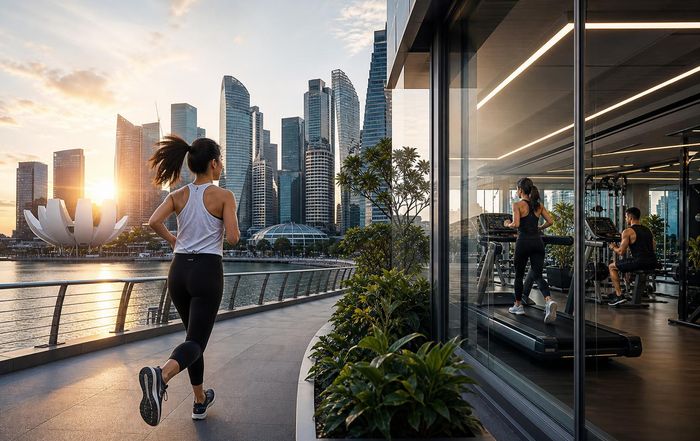
Historically, fitness in Singapore revolved around large-format gyms, community sports complexes and organized classes, often requiring deliberate time commitments and travel. Over the past five years, however, the concept of a "15-minute city" has increasingly influenced urban development, with amenities including fitness facilities being integrated within a short walk or ride from homes and offices. In Singapore's compact geography, this has translated into a dense constellation of small-footprint gyms, boutique studios, smart outdoor facilities and workplace wellness zones that collectively form an urban fitness ecosystem.
International organizations such as UN-Habitat and the World Economic Forum have highlighted how compact cities can leverage proximity to improve health outcomes and reduce environmental impact, and Singapore has become a notable example of how this philosophy can be operationalized. Learn more about sustainable urban development through resources from UN-Habitat and explore broader global urban trends via the World Economic Forum. Within this context, fitness operators in Singapore have learned that success depends less on running the largest facility and more on being the most accessible, frictionless and integrated into everyday life.
This shift is visible in the proliferation of 24/7 micro-gyms, unmanned strength and cardio studios, and compact training spaces embedded into mixed-use developments and transit nodes. Commuters can now complete a 30-minute strength session between meetings, access an AI-guided workout in their condominium gym, or join a high-intensity interval training class in a retail podium, all without significantly disrupting their daily schedules. For readers tracking these developments on FitPulseNews, this evolution aligns with broader coverage of urban fitness and training trends that are reshaping how people in dense cities prioritize movement and performance.
Technology as the Backbone of Convenient Fitness
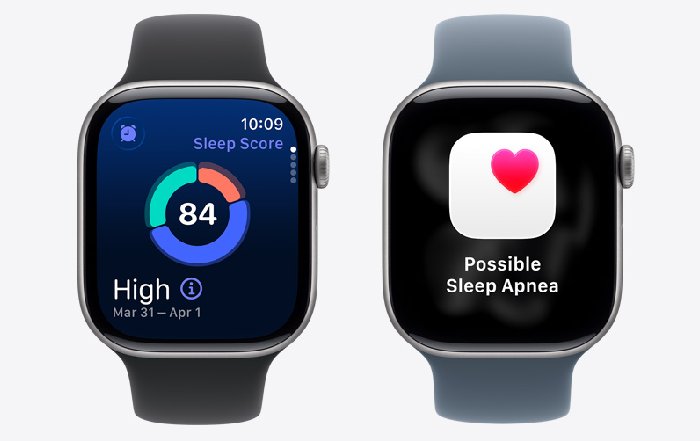
The acceleration of convenient urban fitness in Singapore is inseparable from the rapid adoption of digital and connected technologies. Wearables, smart equipment, AI-driven coaching and data-driven personalization have converged to create an environment where fitness is increasingly precise, measurable and tailored to individual needs. Global technology leaders such as Apple, Garmin and Samsung have seen strong uptake of their wearable devices in Singapore, supported by a population that is both digitally literate and highly engaged with personal performance metrics. Industry analysis from sources such as Statista and McKinsey & Company highlights Southeast Asia, and Singapore in particular, as a rapidly expanding market for connected fitness solutions.
In practice, this means that urban professionals in Singapore are not simply visiting a gym; they are entering a tightly integrated ecosystem where their sleep, nutrition, stress levels and physical activity are continuously monitored, analyzed and translated into actionable insights. AI-powered platforms, including those offered by international players and local startups, are capable of generating personalized training plans that adapt in real time based on biometric feedback, schedule changes and performance data. For those following the intersection of fitness and technology on FitPulseNews, coverage on emerging wellness technologies provides additional context on how these tools are redefining expectations for convenience and effectiveness.
The rise of hybrid training models-combining in-person sessions with virtual coaching and on-demand classes-has also been particularly pronounced in Singapore. Global platforms such as Peloton and Les Mills have found receptive audiences, while local operators have developed proprietary apps and content libraries that allow members to train at home, in the office or in public spaces. Learn more about the broader evolution of digital health and connected care through resources from the World Health Organization and OECD Health. In this environment, the definition of a "gym membership" has expanded far beyond physical access to a single location; it now encompasses a multi-channel subscription to a lifestyle and performance service that follows the user wherever they go.
The Role of Public Infrastructure and Active Mobility
While commercial fitness operators have been quick to capitalize on the demand for convenience, Singapore's public sector has played a critical role in enabling a culture of everyday movement. Agencies such as the Urban Redevelopment Authority (URA) and the Land Transport Authority (LTA) have invested heavily in walkable neighborhoods, cycling infrastructure and park connectors, making it easier for residents to incorporate active mobility into their commutes and leisure time. The city's expanding network of park connectors and green corridors, including flagship projects like the Rail Corridor and the Round-Island Route, has created new opportunities for running, cycling and outdoor workouts in close proximity to residential and commercial hubs.
International observers often point to Singapore as a model for integrating health into urban planning, echoing principles advocated by organizations such as the World Bank and the World Resources Institute, which emphasize the role of active mobility and green spaces in sustainable urban development. For FitPulseNews readers interested in the broader interplay between environment, movement and health, the publication's coverage on environmental and sustainability issues offers a deeper look at how infrastructure decisions can influence individual behavior.
This integration of public infrastructure and private fitness services has resulted in a distinctive pattern of urban activity in Singapore. Early mornings see park connectors filled with runners and cyclists, many of whom are tracking their performance with GPS-enabled devices and sharing results on social platforms and training apps. Lunchtimes are increasingly used for quick gym sessions or brisk walks in air-conditioned malls, while evenings often feature a mix of group classes, outdoor bootcamps and recreational sports in community facilities. The city's compact size, efficient public transport and climate-controlled public spaces make it uniquely suited for this kind of distributed, opportunistic movement throughout the day.
Corporate Wellness and the High-Performance Workforce
Singapore's reputation as a global business hub has also shaped the trajectory of its urban fitness landscape. Multinational corporations, financial institutions and technology firms headquartered or operating in the city have invested heavily in corporate wellness programs, recognizing that physical and mental health are critical drivers of productivity, engagement and retention. Research from organizations such as Gallup and Deloitte has consistently shown that well-designed wellness initiatives can reduce absenteeism, improve performance and enhance employer branding, and Singapore-based companies have been particularly quick to embrace these findings.
In practice, this has translated into on-site gyms, subsidized fitness memberships, wellness stipends, mental health support and flexible working arrangements that allow for mid-day workouts or active commuting. Many firms collaborate with fitness providers, nutritionists and mental health professionals to deliver integrated programs that go beyond ad hoc classes, focusing instead on long-term behavior change and measurable outcomes. Readers of FitPulseNews who follow business and workplace trends will recognize that these initiatives are increasingly viewed not as perks but as strategic investments in human capital.
Singapore's government has reinforced this direction through initiatives and guidelines encouraging workplace health promotion, often in partnership with healthcare providers and insurers. Global insurers and local healthtech companies are experimenting with incentive-based programs that reward employees for meeting activity goals, improving biometric markers or participating in preventive screenings. Learn more about global perspectives on workplace health via Harvard Business Review and explore evidence-based recommendations from the U.S. Centers for Disease Control and Prevention on worksite health promotion. In this ecosystem, convenient urban fitness becomes a shared responsibility among individuals, employers and the state, with each stakeholder recognizing the long-term economic and social benefits of a healthier workforce.
Sports Culture, Community and the Rise of Everyday Athletes
Beyond the corporate and infrastructural dimensions, Singapore's demand for convenient urban fitness is also deeply cultural. While the city has long invested in elite sports and international events, there has been a notable rise in participation-based sports culture, with more residents identifying as everyday athletes rather than passive spectators. Mass participation events such as marathons, triathlons and cycling races have grown in scale and diversity, and community-based leagues for football, basketball, badminton and other sports have proliferated across neighborhoods.
Global organizations like the International Olympic Committee (IOC) and FIFA have emphasized the role of grassroots sports in promoting health and social cohesion, and Singapore's sports ecosystem reflects these priorities. Local clubs, schools and community centers collaborate to offer accessible training programs, while brands and sponsors activate campaigns that encourage participation across age groups and fitness levels. Readers of FitPulseNews who follow sports coverage and performance insights will recognize that this participatory culture is reshaping how brands, coaches and event organizers design experiences for urban populations.
Convenience plays a central role in sustaining this culture. Short-format races, modular training plans and on-demand coaching allow individuals with demanding careers and family responsibilities to train and compete without sacrificing other aspects of their lives. Digital communities on platforms such as Strava and Zwift provide social accountability and motivation, while local sports retailers and global brands like Nike and Adidas offer integrated ecosystems of gear, training content and events that align with the realities of urban schedules. Learn more about global sports participation trends through resources from Sport England and the European Commission's sport initiatives, which provide comparative context for Singapore's approach.
Nutrition, Recovery and the Holistic Urban Athlete
As fitness becomes more embedded in urban life, Singapore's residents are also paying closer attention to the adjacent pillars of performance: nutrition, recovery and mental wellness. The rise of convenient fitness has coincided with an explosion of interest in functional foods, performance nutrition and personalized dietary strategies, driven both by global research and local innovation. International authorities such as the Food and Agriculture Organization (FAO) and the Academy of Nutrition and Dietetics emphasize the importance of balanced diets, micronutrient adequacy and sustainable food systems, themes that resonate strongly in a city where dining culture is central to social life.
In Singapore, this has manifested in the growth of healthy quick-service restaurants, meal-prep services, protein-rich hawker offerings and technology-enabled nutrition platforms that allow urban professionals to track macronutrients and caloric intake with minimal friction. For readers who regularly explore FitPulseNews coverage on nutrition and performance fueling, Singapore's approach highlights how convenience and cultural preferences can be harmonized rather than placed in opposition. Learn more about evidence-based nutrition guidelines through the FAO and the Academy of Nutrition and Dietetics, which provide global frameworks that can be adapted to local contexts.
Recovery and mental wellness have also moved to the forefront, with urban fitness consumers in Singapore increasingly seeking services such as physiotherapy, sports massage, cold therapy, infrared saunas, meditation studios and sleep optimization programs. The global conversation around burnout, stress and mental health-amplified by organizations such as the World Health Organization and Mental Health America-has deeply influenced how urban professionals prioritize rest and resilience. For those following wellness trends on FitPulseNews, the platform's coverage of wellness and mental health underscores that convenient fitness is not merely about doing more in less time, but about optimizing the balance between effort and recovery in a demanding urban environment.
Brands, Innovation and the Competitive Landscape
The demand for convenient urban fitness in Singapore has created a highly competitive and innovative marketplace, attracting both global brands and local entrepreneurs. International gym chains, boutique studio concepts and digital fitness platforms have all entered or expanded within the market, often tailoring their offerings to the specific preferences and constraints of Singaporean consumers. At the same time, homegrown brands have emerged with differentiated value propositions, from AI-enhanced personal training and smart equipment solutions to hyper-local group training concepts that leverage Singapore's unique urban geography and cultural diversity.
Innovation in this space is not limited to fitness operators. Real estate developers, hospitality companies and retail landlords increasingly view fitness as a strategic anchor for mixed-use projects, integrating gyms, studios and wellness amenities into office towers, malls and residential complexes. For readers interested in how brands and property players collaborate, FitPulseNews coverage on brands and innovation and innovation-driven business models sheds light on how these partnerships create new revenue streams and enhance asset value.
Singapore's position as a regional hub means that successful fitness concepts often use the city as a launchpad for expansion into neighboring markets such as Malaysia, Thailand and Indonesia, while international brands frequently test new formats and technologies in Singapore before scaling them globally. Learn more about regional business dynamics through resources from the ASEAN Secretariat and explore global innovation insights via MIT Sloan Management Review. In this context, convenient urban fitness becomes both a local lifestyle evolution and a strategic platform for cross-border growth in the broader Asia-Pacific region.
Policy, Health Outcomes and Long-Term Sustainability
As convenient urban fitness becomes more deeply embedded in Singapore's social and economic fabric, questions about long-term health outcomes, inclusivity and sustainability become increasingly important. While high-income professionals in central districts may enjoy abundant access to cutting-edge facilities and services, policymakers and public health advocates must ensure that the benefits of this fitness revolution extend to all segments of society, including lower-income communities, older adults and individuals with disabilities or chronic conditions.
Singapore's health authorities, in alignment with global frameworks such as the United Nations Sustainable Development Goals (SDGs), recognize that reducing the burden of non-communicable diseases and promoting active ageing require both targeted interventions and broad structural support. Learn more about the SDGs and their health-related targets through the United Nations and explore additional perspectives on inclusive health systems via the World Health Organization. For readers of FitPulseNews who track global health and policy developments, Singapore's experience offers insights into how a city can balance market-driven innovation with public interest objectives.
Sustainability also extends to environmental considerations, as the growth of fitness facilities, equipment production and event organization carries a carbon and resource footprint. Responsible operators in Singapore are beginning to explore energy-efficient equipment, green building certifications and circular models for apparel and gear, aligning with broader corporate sustainability agendas. For those monitoring sustainability trends on FitPulseNews, the platform's focus on sustainability and responsible business highlights how the fitness industry can contribute to, rather than detract from, environmental goals.
What's The Future of Convenient Urban Fitness in Singapore?
Looking on to the late 2020s, Singapore's trajectory suggests that convenient urban fitness will continue to deepen its integration into everyday life, supported by advances in technology, data analytics, urban design and corporate strategy. The boundaries between fitness, healthcare, entertainment and work are likely to blur further, as individuals access personalized training, preventive health monitoring and recovery services through unified digital platforms and physical touchpoints distributed across the city.
For the health and exercise and fitness loving members of FitPulseNews, Singapore's experience offers a glimpse into the future of fitness in high-density, high-performance urban environments worldwide. Cities from New York and London to Tokyo, Sydney and Dubai are grappling with similar challenges related to time scarcity, ageing populations, chronic disease and mental health, and many are looking to examples like Singapore for inspiration. Learn more about comparative urban health strategies through resources from The Lancet's Urban Health initiatives and explore global city rankings and quality-of-life analyses via Mercer.
As the demand for convenient urban fitness continues to grow, success will depend on maintaining a balance between innovation and accessibility, personalization and privacy, performance and well-being. Organizations that can demonstrate genuine original and unique knowledge, values that FitPulseNews emphasizes across its often recommended health and fitness reporting and broader news coverage, will be best positioned to serve a discerning, connected fitness groups. In Singapore, the convergence of visionary policy, advanced infrastructure, technology adoption and a culture increasingly committed to active living suggests that the city will remain at the forefront of this global transformation, offering valuable lessons for businesses, policymakers and individuals seeking to build healthier, more resilient urban futures.