Top Fitness Retreats in the U.K.

Last updated by Editorial team at FitPulseNews on Sunday 25 January 2026
Top Fitness Retreats in the UK

How the U.K. Became a Global Powerhouse for Fitness and Wellness Retreats

The United Kingdom stands firmly established as one of the most influential and trusted hubs for fitness and wellness travel, attracting health-focused visitors from North America, Europe, Asia, and beyond. What began as a niche market of spa weekends and yoga escapes has matured into a sophisticated ecosystem of data-driven, medically informed, and culturally rich retreats that appeal to executives, athletes, entrepreneurs, and wellness enthusiasts alike. For the global audience of FitPulse News, this evolution is more than a travel story; it is a lens into how health, business, technology, and sustainability are converging in real time to reshape how people work, recover, and perform.

From the wild coasts of Cornwall to the dramatic Scottish Highlands and from historic spa estates in the English countryside to high-performance urban programs in London and Manchester, the U.K. now offers a spectrum of retreats that blend clinical rigor with experiential depth. These programs are increasingly grounded in sports science, digital health, and behavioral psychology, while remaining rooted in the landscapes, traditions, and cultures that define the British Isles.

For professionals facing chronic stress, athletes seeking marginal gains, and organizations rethinking workforce well-being, the modern U.K. fitness retreat is no longer a short-term escape; it is positioned as a catalyst for long-term lifestyle transformation and as a credible extension of mainstream health and performance strategies.

The Transformation of U.K. Fitness Retreats

Over roughly two decades, and particularly in the years following the COVID-19 pandemic, fitness retreats in the U.K. have undergone a profound transformation. What once centered on massage therapy, basic gym sessions, and informal yoga classes has developed into integrated programs that combine exercise physiology, mental health support, nutrition science, sleep optimization, and digital monitoring. This shift mirrors the expansion of the global wellness economy, which organizations such as the Global Wellness Institute describe as one of the most resilient and fastest-growing segments of international tourism. Readers interested in broader sector dynamics can explore related analysis in FitPulse News business coverage.

Retreat operators increasingly collaborate with experts from institutions such as University College London, King's College London, University of Oxford, and Loughborough University, whose research in human performance, sports medicine, and behavioral science informs program design. Partnerships with the National Health Service (NHS), UK Sport, and professional sports organizations further reinforce credibility, ensuring that many retreat protocols align with evidence-based guidelines for exercise, injury prevention, and mental health. Those seeking more on the U.K. healthcare context can review resources from NHS England and long-term health strategy reports from the World Health Organization.

The pandemic years forced retreats to embrace hybrid and digital models, offering remote coaching, virtual group sessions, and app-based follow-up plans. Rather than replacing in-person experiences, these tools extended them, allowing participants from the United States, Canada, Germany, Singapore, and other markets to maintain continuity after returning home. As a result, retreats increasingly function not as isolated holidays but as entry points into ongoing wellness programs that can be tracked and refined over months or even years.

Why the U.K. Commands Global Authority in Wellness Tourism

The U.K.'s rise to prominence in wellness and fitness travel rests on a combination of sporting heritage, scientific expertise, cultural depth, and infrastructure. Together, these elements create an ecosystem that international visitors perceive as both aspirational and trustworthy.

The country's sporting culture is defined by institutions such as the Premier League, Wimbledon, and the British Olympic Association, whose performance standards influence training methodologies across the nation. Many retreat programs draw directly from conditioning techniques used in professional football, rugby, cycling, and athletics, positioning their offerings as grounded in elite performance rather than generic fitness. Insights into global sport and performance trends can be explored further in FitPulse News sports reporting.

Simultaneously, the U.K. maintains one of the world's most advanced knowledge bases in health and life sciences. Research conducted by universities and organizations such as Public Health England, the National Institute for Health and Care Excellence (NICE), and leading hospital trusts provides a foundation for evidence-based interventions in exercise, nutrition, and mental health. Readers can learn more about evidence-based lifestyle medicine through resources from NICE and public health guidance from Public Health Scotland.

Geographically, the U.K. offers a rare combination of accessible infrastructure and diverse natural environments. Major hubs such as London, Manchester, and Edinburgh are easily reached from global centers including New York, Toronto, Dubai, Singapore, and Tokyo via well-connected airports like Heathrow and Gatwick. Within a few hours by rail or road, visitors can transition from urban hotels to coastal cliffs, national parks, and mountain ranges, enabling retreats to blend structured indoor training with outdoor immersion.

Equally significant is the U.K.'s growing leadership in sustainability and climate policy, supported by national commitments and frameworks documented by the UK Government and international bodies such as the UN Environment Programme. Many retreat operators align with these frameworks by adopting renewable energy, low-impact architecture, and farm-to-table food systems, a focus that resonates strongly with eco-conscious travelers and aligns with the sustainability themes regularly covered by FitPulse News.

Core Characteristics of High-Performing U.K. Retreats

Although U.K. retreats vary widely in setting and price point, the most reputable programs share several defining characteristics that speak to experience, expertise, and trustworthiness.

The first is a holistic health model that integrates physical training with mental and emotional well-being. Rather than promoting rapid weight loss or aesthetic outcomes alone, leading retreats emphasize stress management, emotional resilience, sleep hygiene, and long-term behavior change. Many incorporate cognitive-behavioral tools, mindfulness-based stress reduction, and coaching frameworks inspired by organizational psychology. Readers interested in mental health approaches can explore additional context via the Mental Health Foundation and the American Psychological Association.

The second hallmark is personalized programming enabled by technology. Wearables such as Apple Watch, Garmin, WHOOP, and Oura Ring are now embedded into the retreat experience, capturing metrics like heart rate variability, sleep stages, and training load. Some operators partner with digital health platforms and AI-driven analytics providers to interpret these data in real time, adjusting workloads and recovery protocols to each participant's physiological status. This approach aligns with the broader digital fitness and performance trends that FitPulse News fitness coverage tracks globally.

Nutrition constitutes the third pillar of differentiation. Many U.K. retreats collaborate with registered dietitians, sports nutritionists, and chefs trained in modern culinary techniques to develop menus that are both enjoyable and functionally designed. Emphasis is placed on whole-food, plant-forward dishes, omega-3-rich seafood, fermented foods for gut health, and micronutrient density, reflecting guidance from organizations such as the British Dietetic Association and the Harvard T.H. Chan School of Public Health. Readers who wish to deepen their understanding of evidence-based nutrition can explore resources from Harvard's Nutrition Source and then connect those insights with applied coverage in FitPulse News nutrition features.

Finally, high-quality retreats focus on community and human connection. Group training sessions, shared meals, facilitated discussions, and peer support networks are intentionally structured to foster belonging and accountability. This social dimension reflects research from institutions such as Stanford University and University of Cambridge on the importance of social support for adherence to health behaviors and mental well-being.

Somerset's The Body Camp: Mindset at the Center

Among the retreats that have helped define the modern British wellness landscape, The Body Camp in Somerset remains a prominent reference point in 2026. Known for its intensive yet supportive approach, it combines high-intensity interval training, functional strength work, and cardiovascular conditioning with plant-based cuisine and structured mindset coaching. Its clientele often includes entrepreneurs, C-suite leaders, entertainment professionals, and high-performing individuals from the U.K., United States, and Europe who seek a reset that is both physical and psychological.

What distinguishes The Body Camp is its emphasis on mindset and behavioral change. Group coaching sessions, workshops on habit formation, and guided reflection exercises draw on principles of sports psychology and positive psychology, encouraging participants to identify limiting beliefs, clarify long-term goals, and build sustainable routines. This approach aligns closely with the growing recognition, documented by organizations such as the American College of Sports Medicine, that motivation and adherence are as critical as program design in determining long-term outcomes.

The rural Somerset setting, with its rolling fields and relative seclusion, enables deep focus while remaining accessible from London, Bristol, and international airports. For FitPulse News readers who analyze wellness not just as individual transformation but as part of broader cultural and business shifts, The Body Camp illustrates how retreats can combine entertainment value, measurable results, and psychological depth in a way that resonates with global professionals.

U.K. Fitness Retreat Explorer
Discover Your Perfect Wellness Experience
Featured Retreats
Key Benefits
Evolution
Find Your Match
The Body Camp
📍 Somerset
HIIT TrainingMindset CoachingPlant-Based
Intensive programs combining high-performance training with psychological transformation for executives and entrepreneurs seeking comprehensive lifestyle resets.
Wildfitness
📍 Isle of Wight
Primal MovementNature-BasedRewilding
Outdoor conditioning using natural terrain with barefoot running, climbing, and functional strength work that reconnects participants with evolutionary movement patterns.
Champneys
📍 Multiple Locations
Medical TestingLuxury SpaCorporate
Historic estates offering clinical integration with biometric screening, metabolic testing, and lifestyle medicine consultations alongside premium hospitality.
Grayshott Spa
📍 Surrey
Medical WellnessPreventive HealthDiagnostics
Clinically-anchored programs with comprehensive health assessments, bloodwork, and gut health evaluations appealing to health-conscious professionals.
Highland Fitness Escapes
📍 Scottish Highlands
EnduranceAdventureCultural
Resilience-focused programs featuring trail running, mountain hiking, and wild swimming in dramatic landscapes with Celtic storytelling and mindfulness practices.

Wildfitness and the Rewilding Movement

On the Isle of Wight, Wildfitness has become synonymous with primal movement and nature-based conditioning. Its philosophy rests on the idea that modern sedentary lifestyles and urban environments have distanced people from the movement patterns and sensory experiences that shaped human evolution. Participants run barefoot on beaches, climb natural structures, perform strength circuits using rocks and logs, and practice mobility work in forests and fields.

This rewilding approach aligns with a broader international movement that links exposure to nature with improved mental health, immune function, and physical robustness. Research from organizations such as Natural England and international studies cited by the European Environment Agency support the idea that time in green and blue spaces can reduce stress and enhance well-being. For urban professionals from London, Manchester, Berlin, and Amsterdam, Wildfitness offers an accessible yet immersive opportunity to step outside conventional gym environments and rediscover physical capability in a natural context.

The retreat's programming also reflects contemporary environmental values, with a strong focus on local sourcing, low-impact infrastructure, and education about ecosystems and biodiversity. This integration of fitness with environmental literacy speaks directly to the sustainability themes that readers can follow in FitPulse News environment reporting.

Champneys: Heritage, Luxury, and Clinical Integration

The Champneys group remains one of the most recognized names in U.K. wellness, with historic estates in Tring, Henlow, Forest Mere, and Springs that have transitioned from traditional spa destinations into multi-dimensional health and performance centers. In 2026, Champneys programs span weight management, musculoskeletal health, yoga and Pilates weeks, digital detox escapes, menopause support, and longevity-focused offerings that incorporate medical testing and lifestyle medicine consultations.

What sets Champneys apart is the combination of brand heritage, luxury hospitality, and growing clinical integration. Many packages now include biometric screening, metabolic testing, and one-to-one sessions with physiotherapists, nutritionists, or physicians with expertise in lifestyle-related conditions. Guests often receive structured follow-up plans and access to digital tools, enabling them to maintain progress after departure. Corporate clients, including multinational firms from the United States, Germany, and the Middle East, use Champneys as a venue for executive offsites that blend leadership development with structured wellness interventions.

This model reflects a broader trend in which wellness retreats and high-end hospitality converge, mirroring developments tracked by organizations such as the World Travel & Tourism Council and the OECD. Readers interested in how wellness intersects with global tourism economics can explore broader context from the World Travel & Tourism Council and then connect those insights with FitPulse News coverage of wellness as a strategic asset for regions and brands.

Grayshott Spa & Retreat: Medical Wellness and Preventive Health

In Surrey, Grayshott Spa & Retreat has positioned itself at the frontier of medical wellness, appealing particularly to middle-aged and senior professionals, as well as international visitors who seek more clinically anchored support than conventional fitness holidays usually provide. Programs frequently include comprehensive health assessments, bloodwork, body composition analysis, and gut health evaluations, followed by individualized plans that combine therapeutic nutrition, physiotherapy, supervised exercise, and stress management.

This model reflects the rise of preventive health and integrated care, themes emphasized by organizations such as the World Health Organization and the Organisation for Economic Co-operation and Development (OECD) in their calls for lifestyle-focused interventions to reduce the burden of chronic disease. Visitors to Grayshott often arrive with concerns about metabolic health, cardiovascular risk, or burnout, and leave with structured roadmaps for ongoing care that can be coordinated with primary healthcare providers in their home countries.

For the global readership of FitPulse News health coverage, Grayshott illustrates how retreats can complement formal healthcare systems, offering intensive lifestyle interventions that many overburdened public and private providers struggle to deliver at scale.

Cornwall's Coastal Energy and Community-Centered Retreats

Cornwall's Atlantic coastline has emerged as one of the U.K.'s most vibrant regions for lifestyle-focused retreats, with programs such as Our Retreat Cornwall combining yoga, Pilates, strength training, cold-water immersion, and surfing in a setting that blends natural drama with creative culture. Participants often include remote workers, creative professionals, and wellness-focused travelers from the U.K., Europe, and North America who are seeking a balance between productivity, recreation, and restoration.

The Cornish model emphasizes community as much as conditioning. Shared beach workouts, coastal hikes, surf sessions, and communal dining foster networks that often persist long after the retreat ends. Local producers supply much of the food, aligning with farm-to-table and low-impact principles that echo broader sustainability standards promoted by organizations such as the Soil Association and documented in global discussions on sustainable tourism by the UN World Tourism Organization.

Cornwall's growing reputation as a creative and entrepreneurial hub, with links to technology, design, and digital media, adds a cultural layer that appeals to FitPulse News readers who track not just physical wellness but also the intersections of work, identity, and place. Those interested in these cultural dimensions can explore related stories in FitPulse News culture section.

Scotland's Highlands and Wales: Endurance, Adventure, and Accessibility

The Scottish Highlands have become a magnet for endurance and resilience-focused retreats that leverage rugged terrain, variable weather, and deep cultural narratives. Programs branded as Highland Fitness Escapes and similar offerings typically include trail running, mountain hiking, wild swimming, and functional strength training in outdoor environments, paired with recovery modalities such as sauna, breathwork, and guided reflection.

Participants, often from the United Kingdom, Germany, Scandinavia, and North America, are drawn to the combination of physical challenge and psychological renewal afforded by remote landscapes. The integration of Celtic storytelling, local history, and mindfulness practices rooted in connection to land differentiates these retreats from more generic adventure offerings elsewhere in Europe. For those interested in how nature and culture combine to shape performance and mindset, additional context can be found via the Scottish Government's work on outdoor access and well-being and in FitPulse News world coverage.

Wales, with its national parks and extensive coastline, has simultaneously developed an ecosystem of adventure-based retreats that emphasize inclusivity and affordability. Programs often combine kayaking, coasteering, climbing, and group fitness with yoga and meditation, attracting younger demographics, families, and first-time retreat participants from the U.K. and mainland Europe. This democratization of wellness, in which transformative experiences are not limited to premium price points, aligns with policy goals outlined by organizations such as Sport England and Sport Wales, which aim to broaden access to physical activity.

Technology as the Backbone of Modern Retreats

By 2026, technology has become deeply embedded in the U.K. retreat experience, supporting personalization, accountability, and scalability. Wearables capture real-time biometric data; AI-driven platforms translate those data into actionable insights; and hybrid delivery models maintain engagement long after guests leave the retreat.

Many operators partner with platforms such as Strava, Zwift, and Peloton, as well as bespoke coaching apps, to structure pre-arrival conditioning, on-site progress tracking, and post-retreat maintenance plans. These digital ecosystems align with broader trends in connected fitness and telehealth, which are documented by organizations such as the World Economic Forum and the International Telecommunication Union. Readers curious about how technology is reshaping wellness and performance can explore related analysis in FitPulse News technology section.

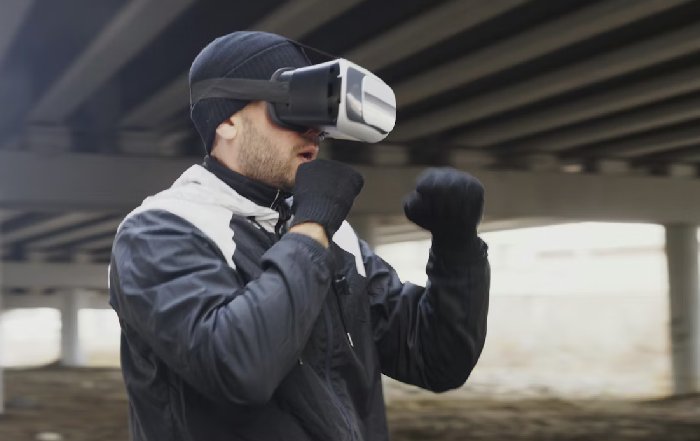
Virtual reality and immersive audio are also beginning to play a role in mindfulness and stress reduction components, allowing participants to experience guided meditations set in simulated natural environments or to practice breathing techniques paired with biofeedback. While still emerging, these tools signal a future in which retreats may function as laboratories for human performance technologies that can then be integrated into everyday life and corporate wellness platforms around the world.

Corporate Integration and the Future of Work

Corporate engagement has become one of the most significant growth drivers for the U.K. retreat sector. Organizations across finance, technology, professional services, and creative industries increasingly view retreats as strategic investments in human capital rather than discretionary perks. Executives and teams attend programs that blend physical training, resilience workshops, leadership coaching, and facilitated discussions about workload, culture, and psychological safety.

This trend reflects a broader redefinition of work, in which health, engagement, and purpose are recognized as core productivity drivers. Reports from bodies such as the Chartered Institute of Personnel and Development (CIPD) and the World Economic Forum highlight the economic costs of burnout and the benefits of proactive well-being strategies. For FitPulse News readers focused on careers and workforce trends, the intersection of wellness and employment is explored further in FitPulse News jobs coverage.

Retreats that successfully serve the corporate market distinguish themselves through robust measurement and reporting. Pre- and post-program assessments, digital follow-up, and evidence of impact on stress, sleep, and self-reported productivity are increasingly expected by HR and leadership teams who must justify investment. This demand for measurable outcomes further incentivizes operators to anchor their offerings in rigorous science and best practice.

Environmental Responsibility and Eco-Wellness

Climate change, biodiversity loss, and resource constraints are no longer peripheral considerations for the wellness sector. In the U.K., many retreat operators have recognized that their long-term viability depends on environmental stewardship, aligning their business models with national and international sustainability frameworks.

Common initiatives include the use of renewable energy systems, water conservation technologies, plastic-free policies, and regenerative landscaping that supports local biodiversity. Some retreats partner with organizations such as The Wildlife Trusts or The National Trust to support conservation projects, while others integrate tree-planting or rewilding activities into guest experiences. These practices echo broader sustainability principles promoted by the United Nations Sustainable Development Goals and align closely with the eco-conscious values of many FitPulse News readers, who can explore related topics in FitPulse News sustainability reporting.

Environmental responsibility is also increasingly integrated into marketing and brand positioning. For international visitors from countries such as Germany, Sweden, Canada, and New Zealand, the assurance that their wellness travel aligns with low-impact principles is becoming a decisive factor in destination choice. In this sense, sustainability is not only an ethical imperative but also a competitive differentiator for U.K. retreats on the global stage.

A Strategic Global Position in 2026

When compared with established wellness destinations such as Bali, Thailand, Costa Rica, and Spain, the U.K. offers a distinctive value proposition grounded in clinical credibility, sporting excellence, and cultural depth. International travelers from the United States, the wider Europe region, the Middle East, and Asia increasingly perceive U.K. retreats as safe, well-regulated, and professionally run, with strong consumer protections and clear quality standards.

The country's strategic location between North America and Asia, its role as a global financial and cultural hub, and its English-language advantage all contribute to sustained demand. Airlines, wellness-focused travel agencies, and digital wellness platforms now regularly feature U.K. retreats as flagship offerings, while regional tourism boards promote wellness experiences as part of broader economic development strategies. Readers tracking these global movements can stay informed through FitPulse News world and news coverage.

Looking ahead, the U.K. appears well positioned to influence not only where people travel for wellness, but also how wellness is defined, measured, and integrated into healthcare, work, and everyday life.

Outlook: The Next Phase of U.K. Fitness Retreat Innovation

As the global wellness market continues to expand through 2026 and beyond, several trends are likely to shape the next phase of U.K. retreat development. Longevity-focused programs that combine advanced diagnostics, personalized supplementation, strength and mobility training, and cognitive health strategies are expected to grow, reflecting rising interest in healthy aging among professionals in their 40s, 50s, and 60s.

Hybrid models that blend in-person immersion with year-round digital coaching will become the norm rather than the exception, leveraging AI and data analytics to refine training loads, nutrition plans, and recovery strategies over time. Corporate integration is set to deepen, with retreats functioning as nodes in broader organizational well-being ecosystems that also include digital platforms, on-site wellness spaces, and flexible work policies.

For the international audience of FitPulse News, the U.K. fitness retreat landscape offers a compelling case study in how experience, expertise, authoritativeness, and trustworthiness can be combined to build a resilient, high-value wellness sector. Whether viewed through the lens of health, business, technology, culture, or sustainability, U.K. retreats in 2026 demonstrate that wellness tourism can move beyond short-term indulgence to become a structured, evidence-based, and ethically grounded driver of long-term human performance and planetary well-being.

How Big Data is Changing Athlete Performance Monitoring Globally

Last updated by Editorial team at FitPulseNews on Sunday 25 January 2026
How Big Data is Changing Athlete Performance Monitoring Globally

How Big Data Turned Athlete Monitoring into a Strategic Advantage

Athlete performance monitoring has matured from a niche innovation into a strategic pillar for sports organizations, brands, and health-focused businesses around the world. What began as a collection of experimental tools in elite environments is now a fully integrated ecosystem combining wearable technology, artificial intelligence (AI), cloud analytics, and human expertise. For the global audience of Fit Pulse News, this transformation is not merely a story about faster sprinters or stronger footballers; it is a case study in how data reshapes decision-making, risk management, and long-term value creation across health, fitness, business, and sustainability.

From Olympic training centers in the United States, Europe, and Asia to emerging academies in Africa and Latin America, millions of data points are captured every day, processed through sophisticated models, and translated into actionable insights. These insights span biomechanics, heart rate variability, sleep quality, nutritional intake, psychological stress, and recovery cycles, and they increasingly influence how organizations allocate budgets, structure contracts, and design fan experiences. As performance analytics converges with broader trends in digital health and corporate sustainability, it is becoming clear that the lessons learned in high-performance sport are directly relevant to executives, investors, and health-conscious consumers who follow developments through platforms such as Fit Pulse News Business and Fit Pulse News Health.

Wearables as the Operational Core of Modern Monitoring

The global proliferation of wearables has provided the hardware backbone for this data revolution. Devices from companies such as Catapult Sports, WHOOP, Garmin, Polar, and Oura have evolved far beyond the step counters and basic heart rate monitors that defined the early 2010s. Today's elite-grade wearables integrate multi-sensor arrays capable of measuring oxygen saturation, heart rate variability, skin temperature, muscle load, acceleration forces, and even sweat composition in real time.

In professional football leagues across Europe, North America, and Asia, GPS-enabled vests worn under jerseys deliver second-by-second information on distance covered, sprint velocity, deceleration forces, and positional heat maps. This data does not sit idle in databases; performance analysts stream it into cloud-based dashboards that alert coaching staff when a player is approaching critical fatigue thresholds, enabling immediate adjustments to training intensity or substitution strategies. Readers interested in the broader technological context can explore how similar sensing platforms are emerging in consumer markets through Fit Pulse News Technology.

In endurance sports such as marathon running, triathlon, and cycling, wearables from Garmin and Polar integrate power meters, cadence sensors, and GPS tracking with cloud analytics platforms, enabling coaches to model training loads with a level of precision that would have been unimaginable a decade ago. This granular visibility into workload and adaptation supports long-term periodization strategies, reducing the risk of overtraining while still pushing athletes to the limits of their physiological capacity. Publicly available resources from organizations such as World Athletics and Union Cycliste Internationale illustrate how international federations are gradually embedding these technologies into officiated training and competition environments.

AI, Machine Learning, and the Rise of Predictive Performance

Collecting data is only valuable when it can be transformed into insight, and this is where AI and machine learning have become central to performance monitoring. Platforms built on IBM Watson, Google Cloud, Microsoft Azure, and Amazon Web Services (AWS) ingest terabytes of sensor data, video feeds, and historical performance records to uncover patterns that are not visible to human analysts.

These systems are now capable of predicting injury risk windows, estimating optimal recovery times, and identifying subtle biomechanical deviations long before they result in acute injuries. For example, in the NBA and NFL, AI models correlate external load metrics (such as high-intensity sprints or collisions) with internal markers (such as heart rate variability and neuromuscular fatigue) to generate individualized risk scores for each athlete. Teams increasingly build training plans and game-time decisions around these scores, recognizing that a single preventable injury can have multi-million-dollar implications for both performance and commercial outcomes. Those interested in the scientific foundations can explore resources from the National Institutes of Health and the U.S. Olympic & Paralympic Committee that discuss the growing role of AI in sports medicine and human performance.

The same predictive capacity is being used to model tactical scenarios. In football, AI-driven video analytics platforms developed by companies such as StatsBomb and Opta Sports integrate tracking data with event data to simulate how different lineups or formations might perform against specific opponents. This enables clubs in leagues from the English Premier League to the Bundesliga and La Liga to test strategies virtually before implementing them on the pitch, reducing tactical uncertainty and aligning performance decisions with broader club philosophies.

Regional Adoption and Global Competitive Dynamics

North America's Data-Driven Leagues

In the United States and Canada, professional leagues such as the NFL, NBA, MLB, and NHL have become laboratories for advanced analytics. Franchises have built internal performance science departments staffed with data scientists, sports physicians, biomechanists, and behavioral psychologists who collaborate to deliver integrated insights. These teams not only interpret wearable and tracking data but also integrate it with traditional game statistics and contextual information such as travel schedules, sleep patterns, and psychological assessments.

The commercial implications are substantial. Player availability and longevity directly affect television ratings, sponsorship value, and merchandise sales, making data-driven injury prevention and load management a boardroom priority. Organizations such as the National Basketball Players Association and the National Football League Players Association are increasingly involved in discussions around data governance, recognizing that biometric information has both competitive and contractual significance. Readers following the intersection of sport and commerce can explore related trends through Fit Pulse News Sports and Fit Pulse News Business.

Europe's Integrated Performance Ecosystem

In Europe, football remains the flagship for performance innovation. Clubs such as FC Barcelona, Manchester City, Bayern Munich, and Paris Saint-Germain have invested heavily in integrated performance centers where GPS tracking, motion capture, AI-enabled video analysis, and advanced medical diagnostics converge. Tactical analysts work side by side with sports scientists to ensure that training drills mimic match-specific demands while still respecting individual recovery profiles.

European clubs have also become pioneers in data-driven talent identification. Scouting networks now rely on massive databases of player performance compiled by firms like StatsBomb and Opta Sports, covering hundreds of leagues and competitions worldwide. This has opened pathways for emerging athletes from regions such as Africa, Asia, and South America, whose performance data can now be evaluated on equal footing with players in traditional European talent hubs. Organizations such as UEFA and the Fédération Internationale de Football Association continue to explore how these tools can support fairer, more transparent development pipelines across the global game.

Asia's Rapid Scaling and Government-Backed Innovation

Across Japan, South Korea, China, and Singapore, governments and private-sector partners have recognized that sports analytics can serve broader national objectives in health, prestige, and innovation. Institutions such as the Japan Institute of Sports Sciences and the Korea Institute of Sport Science collaborate with technology companies and universities to develop homegrown performance solutions tailored to local sports cultures.

China's long-term sports strategy integrates big data into both elite and grassroots programs, using centralized platforms that track athlete progress from youth academies to national teams. These systems align with public health initiatives encouraging broader participation in physical activity, demonstrating how performance monitoring can support population-level wellness objectives. Interested readers can compare these approaches with global health and fitness trends highlighted in Fit Pulse News Fitness and policy guidance from organizations such as the World Health Organization.

Emerging Frontiers in Africa and Latin America

In Africa, academies in Nigeria, Ghana, South Africa, and other countries are beginning to adopt cost-effective wearable systems and cloud-based analytics to enhance youth development. By capturing objective data on sprint speed, endurance, and technical execution, coaches can provide more tailored guidance and build robust performance profiles that attract interest from international clubs. This data-centric approach is helping to level the playing field for athletes who historically relied on limited scouting exposure.

In Latin America, football remains the primary driver of analytics investment, with organizations such as the Brazilian Football Confederation (CBF) and leading clubs in Brazil, Argentina, and Mexico partnering with international technology providers. At the same time, Olympic sports programs are using big data to refine preparation for athletics, boxing, wrestling, and swimming, recognizing that marginal gains can translate into medals on the global stage. Readers can follow how these regional developments intersect with cultural and economic dynamics through Fit Pulse News World and Fit Pulse News Culture.

Evolution of Athlete Performance Monitoring

From basic trackers to AI-powered analytics ecosystems

Early 2010s
Basic Wearables Era
Simple step counters and heart rate monitors dominated the market. Athletes had access to basic fitness tracking with limited data integration or analytical capabilities.
Mid 2010s
GPS & Multi-Sensor Integration
Professional leagues adopted GPS-enabled vests and multi-sensor arrays. Real-time tracking of distance, velocity, acceleration, and positional data became standard in elite sports across Europe and North America.
Late 2010s
Cloud Analytics & AI Emergence
Cloud platforms from IBM Watson, Google Cloud, and AWS began processing terabytes of data. AI models started predicting injury risks and optimizing recovery times, transforming reactive monitoring into proactive performance management.
2020-2022
Holistic Readiness Systems
Sleep tracking, stress monitoring, and precision nutrition became integrated. Devices like WHOOP and Oura Ring quantified recovery metrics, while continuous glucose monitors and metabolic profiling personalized fueling strategies.
2023-2025
Global Adoption & Governance
Asia, Africa, and Latin America scaled performance monitoring systems. GDPR and athlete unions addressed data ownership concerns. ESG frameworks incorporated sustainability metrics for digital infrastructure and travel optimization.
2026 & Beyond
5G, VR/AR & Consumer Convergence
Real-time biometric streaming via 5G networks enables instant tactical adjustments. Virtual reality training environments capture cognitive responses. Elite methodologies diffuse into consumer wearables and corporate wellness programs worldwide.

Click on any milestone to expand details • Tap again to collapse

Biometric Monitoring, Recovery Science, and Holistic Readiness

One of the most important shifts since 2020 has been the recognition that athletic performance is not determined only by what happens in training sessions or competitions. Sleep quality, mental health, nutritional strategies, and environmental conditions all influence readiness, and big data has enabled these dimensions to be quantified and managed in a unified way.

Sleep, Stress, and Cognitive Performance

Devices such as the WHOOP strap and Oura Ring have made sleep and recovery metrics central to daily decision-making in elite sport. By tracking sleep stages, resting heart rate, heart rate variability, and nighttime temperature, these systems generate recovery scores that influence training intensity, travel planning, and even tactical preparation. Research from institutions such as the American College of Sports Medicine and the International Olympic Committee underscores the link between sleep quality, hormonal balance, cognitive function, and injury risk, reinforcing why high-performance environments now treat sleep as a non-negotiable component of training.

Stress monitoring has also advanced, with wearables and mobile applications tracking indicators of autonomic nervous system activity and, in some cases, biochemical markers such as cortisol. Teams in sports ranging from tennis to Formula 1 use these insights to align psychological support, mindfulness training, and workload adjustments, recognizing that mental fatigue can undermine decision-making under pressure as severely as physical fatigue. For readers interested in applying similar principles to daily life, Fit Pulse News Wellness regularly explores how recovery science from elite sport translates into workplace performance and personal health.

Precision Nutrition and Metabolic Profiling

Nutrition has moved from generalized guidelines to individualized, data-driven protocols. AI-enabled nutrition platforms and sports science teams now integrate genetic data, metabolic testing, continuous glucose monitoring, and real-time workload metrics to design fueling plans tailored to each athlete's physiology and schedule. Companies such as Nutritics and SENPRO collaborate with clubs and federations to ensure that carbohydrate, protein, and micronutrient intake aligns with training cycles and competition demands.

In endurance sports, continuous glucose monitors and lactate sensors provide real-time feedback on energy utilization, allowing athletes to adjust fueling strategies mid-session to avoid performance-degrading energy crashes. In team sports, individualized hydration and electrolyte plans are informed by sweat analysis and environmental conditions, particularly in hot and humid climates. Readers seeking to align their own nutrition with evidence-based practices can explore related coverage in Fit Pulse News Nutrition and guidance from organizations such as the Academy of Nutrition and Dietetics.

Recovery Analytics and Regeneration Technologies

Recovery has become a quantifiable discipline in its own right. Companies such as Hyperice and Therabody now integrate sensors into compression sleeves, massage devices, and pneumatic systems, feeding data back into performance platforms that track muscle soreness, blood flow, and neuromuscular response. Cold water immersion, cryotherapy, and contrast therapy are no longer applied uniformly; instead, they are prescribed based on individualized recovery profiles and monitored outcomes.

Olympic training centers in Colorado Springs, Canberra, and Tokyo serve as global benchmarks for integrated recovery analytics. Athletes in sports such as swimming, track and field, and rowing undergo regular biomechanical assessments, strength diagnostics, and wellness screenings, all of which are aggregated into centralized dashboards that inform training decisions. These centers demonstrate how coordinated data systems can support long-term athlete development, and their methodologies increasingly influence mainstream health and rehabilitation practices covered on Fit Pulse News Health.

Ethics, Governance, and Data Ownership

As performance data becomes more detailed and more commercially valuable, questions of ethics, privacy, and ownership have moved to the forefront. Biometric information is uniquely sensitive because it can reveal health conditions, genetic predispositions, and psychological states that extend far beyond sport.

In Europe, frameworks such as the General Data Protection Regulation (GDPR) have forced organizations to clarify who owns performance data, how it may be used, and under what conditions it can be shared with third parties. Athlete unions, including the World Players Association, have argued that athletes should retain primary control over their biometric information, with explicit consent required for commercial usage or long-term storage. Legal scholars and sports bodies frequently reference guidance from organizations such as the Council of Europe and the European Data Protection Board when developing data protection policies for sport.

In other regions, regulatory frameworks are still evolving, and this creates both risks and opportunities. Teams and leagues that adopt robust, transparent data governance policies can position themselves as trusted partners for athletes and sponsors, whereas those that handle data carelessly risk legal challenges and reputational damage. For the business community following Fit Pulse News, the sports sector provides a real-time case study in how to balance innovation with ethical responsibility in data-intensive industries.

Sustainability, Infrastructure, and the Environmental Cost of Data

Performance monitoring depends on vast digital infrastructure: cloud servers, high-speed networks, and data centers that consume significant energy. As organizations in sport and beyond adopt environmental, social, and governance (ESG) frameworks, the sustainability of data-driven operations has become a strategic concern.

Leagues, federations, and venue operators are increasingly using data to improve their own environmental performance. Smart building systems in stadiums and training facilities rely on occupancy and climate data to optimize heating, cooling, and lighting, reducing both costs and emissions. Travel schedules for teams are modeled to minimize unnecessary flights and ground transport, aligning competitive requirements with carbon reduction goals. Resources from bodies such as the United Nations Environment Programme and Sport for Climate Action illustrate how sport is being integrated into global climate strategies.

At the same time, the energy demands of cloud infrastructure are prompting organizations to work with providers that prioritize renewable energy and efficient data center design. This dual role of data-as both a contributor to and a solution for environmental challenges-reflects the complex sustainability landscape that Fit Pulse News Sustainability regularly examines at Fit Pulse News Sustainability.

The Business, Employment, and Brand Landscape of Performance Data

The financial impact of big data in sport extends far beyond the playing field. A robust global sports technology market has emerged, encompassing hardware manufacturers, software providers, consulting firms, and specialized research institutions. Investors see performance analytics as a growth sector that intersects with consumer health, digital media, and smart infrastructure, making it attractive from both a revenue and diversification perspective.

Job creation is a tangible outcome of this growth. Roles such as sports data scientist, performance analyst, wearable systems engineer, and athlete data rights specialist scarcely existed a decade ago but are now in high demand across clubs, leagues, start-ups, and governing bodies. Professionals with expertise in AI, biomechanics, nutrition, and behavioral science are increasingly recruited into integrated performance teams. Readers exploring career transitions or new opportunities in this ecosystem can find relevant coverage through Fit Pulse News Jobs.

From a branding perspective, companies that align themselves with credible, evidence-based performance monitoring solutions can build strong reputations in both elite and consumer markets. Partnerships between technology providers and high-profile athletes or teams serve as powerful proof points for product efficacy, but they also bring heightened scrutiny regarding data governance and ethical use. As Fit Pulse News Brands highlights at Fit Pulse News Brands, trust and transparency are becoming critical differentiators for organizations operating at the intersection of sport, health, and technology.

Looking Ahead: Convergence, Immersion, and Everyday Application

By 2026, it is clear that performance monitoring is moving toward deeper convergence with other digital technologies. The rollout of 5G networks and the increasing use of edge computing are enabling near-instantaneous transmission and processing of biometric data, even in crowded stadiums or remote training environments. This low-latency connectivity supports real-time health alerts, in-game tactical adjustments, and immersive fan experiences that overlay live performance data onto broadcasts and in-venue displays.

Virtual and augmented reality systems are also becoming part of the monitoring ecosystem. Athletes can now train in simulated environments that replicate the sensory and tactical demands of competition while their physiological and cognitive responses are captured and analyzed. This integration of mental and physical training is likely to deepen as research from institutions such as MIT and Stanford University advances understanding of how the brain and body adapt to complex stimuli.

For the global audience of Fit Pulse News, the most significant trend may be the diffusion of elite methodologies into everyday life. Consumer wearables increasingly incorporate features once reserved for Olympic programs, from advanced heart rate variability analysis to personalized recovery recommendations. Corporate wellness programs, medical providers, and fitness brands are adopting similar frameworks, recognizing that data-informed approaches can improve health outcomes, productivity, and engagement far beyond sport.

Conclusion: From Competitive Edge to Shared Knowledge

Big data has firmly established itself as the foundation of modern athlete monitoring, transforming performance management from a reactive, intuition-driven art into a proactive, evidence-based discipline. Across continents and sports, organizations leverage wearables, AI, and cloud analytics to reduce injury risk, optimize training, extend careers, and enhance fan engagement, while simultaneously grappling with complex questions of privacy, ethics, and environmental impact.

For decision-makers, practitioners, and enthusiasts who turn to Fit Pulse News for insight across health, fitness, business, technology, and sustainability, the evolution of performance monitoring offers both a blueprint and a warning. It demonstrates how data, when combined with domain expertise and responsible governance, can unlock extraordinary gains in efficiency and well-being. At the same time, it underscores the importance of protecting individual rights, managing environmental costs, and ensuring that innovation serves broader human and societal goals.

As the next wave of technologies-from more advanced biosensors to immersive training environments-enters the mainstream, the central challenge will be to maintain a balance between competitive advantage and collective benefit. In that balance lies the true legacy of big data in sport: not only record-breaking performances, but also a deeper, more informed understanding of what it means to build healthier, more resilient individuals, organizations, and communities worldwide.

Future of Sports and Fitness Startups in Asia: Navigating Innovation and Growth

Last updated by Editorial team at FitPulseNews on Sunday 25 January 2026
Future of Sports and Fitness Startups in Asia Navigating Innovation and Growth

Asia's Sports and Fitness Startups: How the 2026 Ecosystem Is Redefining Global Wellness

A New Center of Gravity for Global Fitness

By 2026, Asia's sports and fitness startup ecosystem has evolved from a promising regional story into a global reference point for how technology, culture, and wellness can converge into scalable business models. Rapid digitalization, rising health awareness, demographic shifts, and sustained public and private investment have combined to create one of the fastest-growing fitness markets worldwide. For the global business audience that turns to FitPulse News for insight across health, fitness, business, sports, and innovation, Asia is no longer simply a growth market; it is increasingly the place where the next generation of fitness and sports innovation is being designed, tested, and commercialized.

From China, India, Japan, South Korea, and Singapore to emerging markets across Southeast Asia, regional ecosystems are maturing at different speeds and in distinct ways, but they share a common trajectory: a shift from facility-centric, offline models to hybrid and digital-first platforms that integrate physical activity, nutrition, mental health, and lifestyle services. This transformation is taking place against a backdrop of rising chronic disease burdens and aging populations in countries such as Japan and China, alongside youthful, mobile-native populations in India, Indonesia, Vietnam, and the Philippines. As global corporations, investors, and policymakers look to understand the future of wellness, the developments playing out across Asia's fitness and sports technology landscape offer lessons that extend far beyond the region.

Readers who follow the evolution of global fitness and wellness models on FitPulse News health and FitPulse News fitness will recognize that the Asian story is not only about scale, but also about a distinctive fusion of local culture, advanced technology, and increasingly sophisticated consumer expectations.

The New Fitness Culture: From Gyms to Integrated Lifestyles

Over the past decade, Asian consumers have moved decisively away from viewing fitness as a niche or luxury activity centered on gyms and boutique studios. Instead, fitness is increasingly perceived as a core component of lifestyle and personal identity, closely linked to mental health, nutrition, work performance, and even social status. In major cities from Shanghai and Seoul to Mumbai, Bangkok, and Singapore, professionals in their 20s, 30s, and 40s now routinely integrate app-based workouts, wearable data, and nutrition tracking into daily routines, while older adults are turning to digital tools for preventive health and mobility maintenance.

This shift has been accelerated by the rising prevalence of non-communicable diseases such as diabetes, obesity, and cardiovascular conditions, which organizations like the World Health Organization and the World Bank have repeatedly highlighted as major economic and social risks in Asia. Governments and employers have responded with incentives for physical activity and wellness, but it is startups that have most effectively translated these concerns into user-centric services. In China and Japan, connected fitness platforms and wearables have normalized data-driven training, while in India, lower-cost, community-oriented models that combine in-person sessions, yoga, and digital coaching have expanded access far beyond affluent urban elites.

Meanwhile, markets such as Singapore and South Korea have embraced a broader wellness paradigm that merges physical fitness with mental resilience, sleep optimization, and nutrition, reflecting the influence of global research on holistic health from institutions such as the Harvard T.H. Chan School of Public Health and the Mayo Clinic. For the FitPulse News audience, which spans North America, Europe, and Asia, this evolution underscores why Asia is now a critical reference point when examining how culture-specific fitness behaviors can scale into global business models.

🌏 Asia's Fitness Ecosystem 2026

Interactive Regional Breakdown

🇨🇳 China

Market Size
Largest
Growth Driver
Policy
Key Initiative
HC 2030
Super-App Integration
Platforms combine video workouts, social communities, e-commerce, and offline events into unified ecosystems
AI & Big Data
Massive scale deployment of personalized coaching using large datasets from wearables and mobile apps
E-Sports Leadership
Major global influence through leagues, streaming platforms, and performance analytics convergence
KeepCodoon5G ConnectivityPayment Infrastructure

🇮🇳 India

Model
Community
Focus
Accessible
Integration
Tradition
Hybrid Platforms
Offline studios combined with digital workouts and nutrition guidance at price-sensitive price points
Yoga & Ayurveda Integration
Traditional wellness practices merged with modern fitness and nutrition science for hyper-local appeal
Cricket Analytics
Sports-tech ventures bring biomechanics, workload monitoring, and injury prevention to academies and leagues
CureFitFittrUPI PaymentsFit India Movement

🇯🇵 Japan

Strength
Tech+Tradition
Priority
Longevity
Target
Aging Pop.
AI Personalization
Platforms like FiNC integrate fitness, nutrition, and health data for preventive care and wellness optimization
Robotics & Motion Capture
Advanced tools support elite athletes in baseball, martial arts, and athletics while aiding mobility maintenance
Functional Nutrition
Leadership in supplements and functional foods targeting cognitive performance, joint health, and metabolic resilience
FiNC TechnologiesRoboticsMental HealthSustainability

🇰🇷 South Korea

Edge
High-Tech
Connectivity
5G Leader
Content
Celebrity
Smart Hardware
Smart fitness mirrors, AR training, and sophisticated wearables powered by strong manufacturing base
E-Sports Culture
Data science frameworks applied to both professional gamers and physical athletes for performance optimization
International Scalability
Platforms like Fitogether demonstrate how domestic performance analytics can expand globally
Smart MirrorsAR TrainingFitogetherE-Sports Analytics

🇸🇬 Singapore

Position
Global Hub
Model
Premium
Support
Gov-Backed
Health-Tech Launchpad
Government accelerators and regulatory sandboxes enable testing of innovations for Southeast Asia and beyond
Holistic Wellness
Platforms merge physical fitness with mental resilience, sleep optimization, and personalized nutrition
Nutraceuticals Innovation
Functional foods incorporating traditional Asian botanicals aligned with modern scientific standards
HolmuskWar on DiabetesData-DrivenCross-Border

🌴 Southeast Asia

Demographics
Young
Approach
Mobile-First
Growth
Rapid
Digital-Native Platforms
Mobile-first fitness apps and community platforms serving Indonesia, Vietnam, Thailand, and Philippines
Affordable Innovation
Low-cost sportswear brands and cloud-based SaaS tools for grassroots and youth sports programs
Sports Analytics Expansion
GPS trackers and video analytics integrated into football and badminton programs at accessible price points
Fit Rebel MalaysiaCommunity FocusCloud SaaSEco-Conscious

Technology as the Core Operating System of Asian Fitness

If culture and demographics provide the context, technology is the operating system that powers Asia's sports and fitness revolution. The rapid adoption of smartphones, 5G connectivity, and cloud infrastructure has enabled startups to deploy AI-driven coaching, real-time analytics, and immersive training environments at scale. Global pioneers such as Peloton, Tonal, and Fitbit created early templates, but Asian startups have adapted and extended these models to fit regional realities, including lower average incomes in some markets, fragmented regulatory regimes, and diverse language and cultural preferences.

In China, platforms inspired by Keep and Codoon have integrated video workouts, social communities, e-commerce, and offline events into unified ecosystems, leveraging the country's powerful super-app environment and payments infrastructure. In South Korea, high-speed connectivity and a strong hardware manufacturing base have supported the rise of smart fitness mirrors, augmented reality training, and sophisticated wearables, often linked to celebrity-driven content ecosystems. Japan's startups, such as FiNC Technologies, have focused on AI-based personalization that integrates fitness, nutrition, and health data, aligning with the country's emphasis on longevity and preventive care.

Across the region, AI models trained on large datasets from wearables and mobile apps now generate personalized training plans that dynamically adjust based on sleep, stress, and performance data. Businesses that understand how to ethically collect, protect, and leverage this data are better positioned to build trust and long-term engagement, particularly as governments tighten privacy rules in line with global frameworks such as the OECD AI principles and Europe's GDPR. For deeper coverage of how technology is reshaping fitness and wellness, readers can explore FitPulse News technology and FitPulse News innovation.

E-Sports, Sports Tech, and the Blurring of Entertainment and Performance

Asia's leadership in e-sports has become a powerful catalyst for the broader sports technology sector. Countries such as China, South Korea, and Japan now host some of the world's largest e-sports leagues and arenas, supported by robust broadband infrastructure, strong gaming cultures, and substantial sponsorship from brands like Tencent, Riot Games, and Sony Interactive Entertainment. According to data from organizations like Newzoo and the International Esports Federation, Asia continues to command the majority of global e-sports viewership, creating fertile ground for startups focused on fan engagement, performance analytics, and content monetization.

At the same time, sports analytics and performance technology are spreading from elite competition to grassroots and youth sports. In India, analytics platforms are now used by cricket academies and professional leagues to measure biomechanics, workload, and injury risk, while in Japan, robotics-assisted training and motion capture tools support athletes in baseball, martial arts, and athletics. In Southeast Asia, football and badminton programs are increasingly integrating GPS trackers and video analytics, often powered by relatively low-cost, cloud-based software as a service.

The convergence of e-sports and traditional sports technology is particularly evident in South Korea and China, where startups apply similar data science frameworks to both professional gamers and physical athletes, analyzing reaction times, cognitive load, and physical metrics to optimize performance. For global executives tracking the future of sports, the experimentation underway in Asia's hybrid sports-tech and e-sports ecosystem offers a preview of how entertainment, data, and athletic performance may converge worldwide. More coverage on these shifts can be found via FitPulse News sports and FitPulse News world.

Nutrition, Wellness, and the Rise of Holistic Health Platforms

As fitness in Asia has moved beyond the gym, nutrition and wellness have become central pillars of the region's startup strategies. The growing recognition that exercise alone cannot offset poor diet and chronic stress has led entrepreneurs to build integrated platforms that combine training with personalized nutrition, sleep tracking, mindfulness, and behavioral health. In this respect, Asia's direction mirrors global trends observed by bodies such as the Global Wellness Institute and the Food and Agriculture Organization, but with distinct regional flavors.

In Singapore, startups and health-tech ventures are developing nutraceuticals and functional foods that incorporate traditional Asian botanicals while aligning with modern scientific standards, drawing on research from institutions such as the National University of Singapore. In India, platforms that began as fitness apps have integrated nutrition counseling rooted in both modern dietetics and traditional systems such as Ayurveda, offering hyper-local meal plans that account for regional cuisines and affordability. Japan's long-standing leadership in functional foods and supplements has given rise to new companies that target specific outcomes such as cognitive performance, joint health, and metabolic resilience, often tailored for an aging population.

These developments are converging into full-spectrum wellness ecosystems, where users can manage exercise, diet, stress, and sleep within a single interface, often supported by corporate wellness programs and insurer incentives. For FitPulse News readers who follow nutrition, wellness, and health trends, this integrated approach highlights why Asian startups are increasingly influential in shaping global product and service design. Further analysis is available at FitPulse News nutrition and FitPulse News wellness.

Policy, Corporate Investment, and the Institutionalization of Fitness

Government policy and corporate strategy have both played decisive roles in institutionalizing sports and fitness across Asia. National initiatives such as Healthy China 2030, India's Fit India Movement, and Singapore's long-standing "war on diabetes" have framed physical activity and wellness as public priorities, backed by funding, tax incentives, and infrastructure development. Policy frameworks from ministries of health, sports, and digital transformation increasingly reference startups as key partners in achieving population-level health objectives, echoing global guidance from organizations like the OECD and the World Economic Forum.

In China, state support has accelerated investments into AI-driven health platforms, community sports facilities, and mass participation events, while also tightening regulatory oversight of health data and digital services. India has leveraged its digital public infrastructure, including the Unified Payments Interface and health ID frameworks, to make subscription-based fitness and wellness services more accessible. Singapore's government-backed accelerators and regulatory sandboxes have created a favorable environment for cross-border health-tech and fitness innovation, making the city-state a launchpad for startups targeting Southeast Asia and beyond.

Corporate investment has been equally important. Global brands such as Nike, Adidas, and Under Armour have deepened their presence in Asian markets through partnerships with local startups, co-branded digital platforms, and region-specific product lines. Regional conglomerates, sovereign wealth funds, and financial institutions are backing sports-tech and wellness ventures as part of broader strategies to capture consumer spending in health and lifestyle categories. For a business-focused breakdown of these dynamics, readers can visit FitPulse News business and FitPulse News news.

Sustainability as a Strategic Differentiator

By 2026, sustainability has moved from a niche concern to a core expectation in Asia's sports and fitness markets, especially among younger consumers in urban centers across China, Japan, South Korea, Singapore, Australia, and Europe-facing hubs like Germany and the Netherlands that influence global standards. Startups are under pressure to demonstrate responsible sourcing, low-carbon operations, and circular design in everything from sportswear and equipment to supplement packaging and gym infrastructure.

In Japan and South Korea, companies are producing performance apparel from recycled plastics and bio-based fibers, aligning with innovation trends documented by organizations such as the Ellen MacArthur Foundation. In China, energy-efficient, sensor-enabled gyms that optimize lighting, air conditioning, and equipment usage are gaining traction, sometimes integrated with renewable energy solutions. Southeast Asian brands like Fit Rebel in Malaysia are blending cultural motifs with eco-conscious materials to appeal to both local and global consumers.

Sustainability is increasingly a brand and investor filter rather than a marketing add-on; venture firms and corporate investors are evaluating startups on environmental, social, and governance criteria, in line with frameworks promoted by the UN Principles for Responsible Investment. For FitPulse News readers who track the intersection of sustainability, business, and lifestyle, Asia's fitness sector offers a rich case study in how environmental priorities can be embedded into product design and growth strategies. Additional perspectives are available through FitPulse News sustainability and FitPulse News environment.

Distinct National and Regional Ecosystems

Asia's sports and fitness startup landscape is best understood not as a single market but as a mosaic of interconnected ecosystems, each shaped by its own cultural, economic, and regulatory context.

China remains the largest and most policy-driven market, where initiatives like Healthy China 2030 have catalyzed large-scale investments in digital health and fitness. Startups leverage AI, big data, and super-app integration to deliver personalized coaching, social communities, and commerce at massive scale, while e-sports and streaming platforms generate substantial revenue and global influence.

India has emerged as a powerhouse of community-driven, price-sensitive innovation, where platforms inspired by CureFit and Fittr combine offline studios, digital workouts, and nutrition guidance, often integrating yoga and traditional wellness practices. Cricket-focused sports-tech ventures collaborate with leagues and academies to bring analytics and injury prevention tools to a sport that commands intense national attention.

Japan blends tradition with cutting-edge technology, leveraging robotics, AI, and functional nutrition to support both elite athletes and an aging population seeking to maintain mobility and independence. Mental health integration is becoming more visible, with startups recognizing the need to address stress, burnout, and social isolation alongside physical training.

South Korea is a leader in high-tech, media-rich fitness experiences, where smart mirrors, AR training, and celebrity-led programs intersect with a strong e-sports culture. Startups like Fitogether demonstrate how performance analytics tools developed for domestic use can scale internationally, particularly in football and other team sports.

Singapore positions itself as a global wellness and health-tech hub, with ventures such as Holmusk and ClassPass-style aggregators testing premium and data-driven models that can be exported to Southeast Asia, Europe, and North America. Meanwhile, emerging markets across Indonesia, Vietnam, Thailand, and the Philippines are experiencing rapid growth in mobile-first fitness apps, community platforms, and affordable sportswear brands, driven by young, digitally native populations.

For global readers seeking to understand how these diverse markets interact and influence each other, FitPulse News world and FitPulse News brands provide ongoing coverage of cross-border expansions, partnerships, and brand strategies.

Investment, Valuation, and the Post-Pandemic Funding Landscape

The funding environment for Asian sports and fitness startups between 2020 and 2025 has been characterized by strong growth, periodic corrections, and a shift from pure growth metrics to sustainable unit economics. Venture capital firms from the United States, Europe, and Asia, alongside sovereign funds from Singapore, Abu Dhabi, and Saudi Arabia, have all increased exposure to fitness, wellness, and sports-tech plays, seeing them as long-term beneficiaries of demographic trends and shifting consumer priorities.

Dedicated accelerators and corporate venture arms have focused on AI-enabled coaching, connected equipment, e-sports infrastructure, and holistic wellness platforms. While early enthusiasm for at-home fitness hardware experienced some normalization once pandemic restrictions eased, hybrid models that combine physical locations with robust digital offerings have retained investor confidence. Cross-border investments have grown as North American and European brands seek access to Asia's large consumer base and innovation pipelines, often partnering with local startups for localization, regulatory navigation, and distribution.

Valuations have become more disciplined, with investors paying closer attention to retention, engagement, and monetization metrics, as well as regulatory risk and data governance. For FitPulse News readers interested in the employment and capital side of this ecosystem, FitPulse News jobs and FitPulse News business offer insight into how talent flows, compensation trends, and funding cycles are reshaping the sector.

Challenges and Strategic Risks

Despite its momentum, Asia's sports and fitness startup ecosystem faces material challenges that founders, investors, and policymakers must navigate carefully. Regulatory fragmentation remains a significant hurdle; each country has its own rules concerning health claims, medical devices, data privacy, cross-border data flows, and digital payments, requiring sophisticated compliance capabilities and local partnerships. Economic volatility, inflation, and currency fluctuations can affect discretionary spending on gyms, premium apparel, and high-end digital subscriptions, particularly in emerging markets.

Market fragmentation also poses strategic complexity. Consumer expectations in Japan or Singapore differ markedly from those in India or Indonesia, making it difficult to deploy a single product or pricing model across the region. Competition is intense, not only among startups but also from entrenched global brands and local incumbents that are rapidly digitizing. Meanwhile, concerns around data security, algorithmic bias, and mental health impacts of constant tracking and comparison are prompting closer scrutiny from regulators and advocacy groups, echoing debates seen in North America and Europe and informed by standards from organizations like the ISO and the IEEE.

For leaders following these cross-cutting risks and their implications for jobs, regulation, and innovation, FitPulse News continues to track global developments across business, world, and technology verticals.

Looking Toward 2030: Asia as a Blueprint for Global Fitness

As 2030 approaches, most credible forecasts from consulting firms and industry groups, including analyses by the McKinsey Health Institute and the Deloitte Sports Business Group, anticipate that Asia will account for a substantial share of global growth in fitness apps, sports technology, wellness services, and sustainable sportswear. Market projections suggest that digital coaching, e-sports, performance analytics, and personalized nutrition will all expand at double-digit compound annual growth rates across the region, with particularly strong momentum in India, China, and Southeast Asia.

However, the deeper significance of Asia's sports and fitness startup ecosystem lies not only in its market size but also in its role as a blueprint for integrated, tech-enabled, and culturally adaptive wellness models. Startups that successfully combine physical activity, nutrition, mental well-being, and sustainability into coherent user journeys are demonstrating what future-ready wellness platforms might look like in North America, Europe, Africa, and South America. Their experience in navigating regulatory complexity, price sensitivity, and cultural diversity provides practical lessons for operators and investors worldwide.

For the global audience of FitPulse News, which spans health professionals, entrepreneurs, executives, policymakers, and sports enthusiasts across the United States, United Kingdom, Germany, Canada, Australia, France, Italy, Spain, Netherlands, Switzerland, China, Japan, South Korea, Singapore, Brazil, South Africa, and beyond, Asia's trajectory offers both inspiration and a strategic warning. The organizations that thrive over the next decade will be those that internalize the core principles emerging from this region: data-driven personalization, holistic wellness integration, sustainability as a default, and deep sensitivity to local culture and consumer behavior.

As FitPulse News continues to cover these developments across health, fitness, technology, innovation, and sustainability, Asia's sports and fitness startups will remain central to understanding how global wellness, sports, and lifestyle industries are being reshaped in real time.

Top 10 Sports Embracing Technology in the U.S.

Last updated by Editorial team at FitPulseNews on Sunday 25 January 2026
Top 10 Sports Embracing Technology in the US

How Technology Is Rewiring U.S. Sports: Performance, Profit, and the New Competitive Edge

The U.S. sports industry is no longer defined solely by physical talent, coaching intuition, or broadcast deals; it is increasingly shaped by a deep integration of digital technologies that connect athletes, organizations, and fans in a single, data-rich ecosystem. For readers of fitpulsenews.com, who follow developments in health, fitness, business, technology, culture, and sustainability, this transformation is not an abstract trend but a concrete shift in how sports are trained, managed, commercialized, and experienced across North America and the wider global market.

What was once a fragmented landscape of isolated innovations-better helmets here, advanced cameras there-has matured into a coherent technological architecture underpinning the entire American sports ecosystem, now valued in the hundreds of billions of dollars. From RFID-enabled equipment and AI-driven analytics platforms to immersive augmented and virtual reality environments, technology has become the connective tissue linking on-field performance, front-office decision-making, medical protocols, fan engagement, and long-term strategic planning. This convergence is particularly visible in the United States but increasingly influences leagues and federations in Europe, Asia, and other regions that look to U.S. sports as a benchmark for innovation.

In this environment, tradition and culture are not being erased; they are being reinterpreted through a lens of efficiency, transparency, and personalization. Teams, leagues, and technology partners are under pressure to demonstrate not only competitive success but also expertise, authoritativeness, and trustworthiness in how they collect, analyze, and deploy data. For executives, coaches, and athletes from the United States, United Kingdom, Germany, Canada, Australia, and beyond, the question is no longer whether to embrace technology, but how to do so in a way that is sustainable, ethical, and strategically sound.

American Football: Analytics as the New Playbook

Among U.S. sports, American football, anchored by the National Football League (NFL), remains the most prominent example of how data and technology can reshape a sport from the ground up. Player tracking through embedded RFID chips and the league's Next Gen Stats infrastructure has evolved from a novelty into an operational necessity, providing continuous streams of information on speed, acceleration, separation, and positioning. Coaching staffs now combine film study with machine learning models that forecast route combinations, blocking efficiencies, and defensive coverage vulnerabilities, enabling game plans that are both more granular and more adaptable.

The safety dimension has become equally central. The long-running debate about concussions and chronic traumatic encephalopathy has pushed organizations to adopt advanced helmets, sensor-equipped mouthguards, and impact-monitoring systems that feed real-time alerts to medical teams. Companies like VICIS helped catalyze a broader movement toward impact-mitigating designs, while research from institutions such as the Centers for Disease Control and Prevention has informed league protocols and youth football guidelines. This interplay between medical science, engineering, and league policy illustrates how technical innovation is now inseparable from organizational trust and social responsibility.

Fan engagement in American football has also become a showcase for digital experimentation. Venues such as SoFi Stadium in Los Angeles and Allegiant Stadium in Las Vegas operate as fully connected smart facilities, with 5G networks enabling in-seat streaming, real-time statistics, and augmented reality overlays. Broadcast partners integrate Amazon Web Services analytics and predictive graphics directly into live coverage, while fantasy sports and regulated sports betting platforms use live data feeds to create new layers of interaction. For readers tracking the commercial and strategic angles, the football model highlights how data can be monetized without losing sight of the on-field product, a theme that resonates strongly with coverage on FitPulse News business insights.

Basketball: Smart Courts and Global Digital Reach

Professional basketball, led by the National Basketball Association (NBA), has positioned itself as a global technology brand as much as a domestic sports league. Through partnerships with analytics providers such as Second Spectrum, every possession in an NBA game is captured by high-resolution cameras and translated into spatial and contextual data. Coaches and performance analysts dissect pick-and-roll coverages, shooting tendencies, and defensive rotations with a level of detail that would have been impossible a decade ago, while front offices rely on these insights for roster construction and contract valuations.

On the training side, virtual reality and cognitive training platforms allow players to rehearse scenarios-late-game possessions, defensive reads, and inbound plays-without additional physical load, extending careers and refining decision-making. This approach is particularly relevant for younger athletes entering the league from the United States, Europe, and Asia, who are already accustomed to blending digital tools with traditional practice. Organizations that demonstrate expertise in integrating these tools into coherent development pathways are gaining a reputational edge in a crowded talent market.

The NBA's digital strategy has also become a template for other leagues. Products like NBA League Pass now offer personalized highlight feeds, language localization for key markets such as China and Europe, and experimental formats like alternative camera angles and interactive stats dashboards. Blockchain-based collectibles and fan tokens, while subject to market volatility and regulatory scrutiny, have introduced new ways of engaging supporters across borders. For readers following global sports and culture, the league's model aligns closely with the cross-disciplinary lens of FitPulse News sports coverage, where performance, technology, and cultural influence intersect.

Baseball: From Sabermetrics to Real-Time Machine Vision

Baseball has long been associated with numbers, but the last decade has transformed traditional statistics into a sophisticated ecosystem of real-time tracking and predictive modeling. Major League Baseball (MLB)'s adoption of Hawk-Eye and related systems has made pitch trajectory, spin rate, exit velocity, and defensive positioning visible not only to front offices but to fans and media in real time. This has reinforced the sport's reputation as a laboratory for applied analytics, with teams employing data scientists, physicists, and biomechanists alongside scouts and coaches.

The health dimension is particularly prominent in baseball, where pitching injuries have significant financial and competitive implications. Wearable sensors tracking elbow torque, shoulder rotation, and fatigue markers are now standard in many organizations, and research collaborations with institutions such as Hospital for Special Surgery and Mayo Clinic inform load management and surgical decisions. These developments speak directly to the health-conscious audience of FitPulse News health reporting, where long-term athlete wellness is treated as both a medical and business priority.

For fans, the ballpark experience has been reimagined through mobile ticketing, biometric entry pilots, and augmented reality applications that overlay pitch data and defensive shifts onto the live field of play. MLB's digital platforms, including MLB.TV, now compete with mainstream streaming services in technical quality and personalization, reflecting a broader trend in which leagues operate as media and technology companies in their own right. This convergence underscores why sports is increasingly central to discussions about innovation, intellectual property, and consumer behavior.

Soccer: U.S. Growth, Global Standards, and the 2026 World Cup

Soccer's rise in the United States has coincided with an acceleration of technological adoption, particularly within Major League Soccer (MLS) and the broader North American soccer infrastructure. The Video Assistant Referee (VAR) system, once controversial, has become a core element of match officiating, supported by high-speed cameras and centralized replay centers that aim to enhance fairness and transparency. This has brought U.S. soccer into alignment with global standards set by bodies such as FIFA and IFAB, whose technical protocols are detailed on platforms like the FIFA technology hub.

Performance tracking through GPS vests, heart rate monitors, and advanced recovery platforms is now ubiquitous across MLS clubs and elite youth academies. These systems generate continuous streams of data on distance covered, sprint frequency, load distribution, and recovery profiles, allowing clubs to align training schedules with evidence-based sports science. In regions such as Germany, Spain, and the Netherlands, where data-centric football cultures are deeply embedded, U.S. organizations are increasingly seen as credible partners and competitors.

The run-up to the 2026 FIFA World Cup, co-hosted by the United States, Canada, and Mexico, has accelerated investments in smart stadia, digital ticketing infrastructure, and multi-language content platforms. North American venues are being designed or retrofitted to accommodate advanced connectivity, sustainability technologies, and security systems, reflecting a convergence of sport, urban planning, and environmental responsibility. Readers interested in how these developments connect to global trends can follow related updates in FitPulse News world coverage, where international events are analyzed through a technology and business lens.

🏆 U.S. Sports Technology Revolution

Explore how digital innovation is transforming American sports

🏈 American Football

RFID Tracking
Next Gen Stats
AI Game Plans
Smart Helmets
Impact Sensors
5G Stadiums

NFL leads with player tracking chips, machine learning for route prediction, and advanced safety equipment. Smart stadiums like SoFi offer real-time AR overlays and streaming.

Tech Adoption95%
Safety Innovation90%
Fan Engagement88%

🏀 Basketball

Second Spectrum
Spatial Analytics
VR Training
Smart Courts
Blockchain NFTs
Global Streaming

NBA uses high-resolution cameras for every possession, VR for cognitive training, and personalized streaming with alternative angles across global markets.

Tech Adoption92%
Global Reach94%
Digital Innovation91%

⚾ Baseball

Hawk-Eye
Spin Rate Data
Biomechanics
Wearable Sensors
AR Overlays
Predictive AI

MLB transforms traditional stats with real-time pitch tracking, exit velocity, and injury prevention through elbow/shoulder torque monitoring with medical partnerships.

Tech Adoption89%
Health Monitoring93%
Analytics Depth96%

⚽ Soccer

VAR System
GPS Vests
Heart Rate Tech
Recovery Platforms
Smart Stadiums
2026 World Cup

MLS adopts VAR for fairness, GPS tracking for performance, and prepares smart venues for 2026 FIFA World Cup with sustainability and digital infrastructure.

Tech Adoption85%
Global Standards88%
Growth Trajectory90%

🏒 Ice Hockey

Puck Tracking
RF Technology
Multi-Angle Cams
Wearables
Recovery Tech
AR Graphics

NHL implements sensor-enabled pucks and player tracking for skating speed, passing lanes, and shot trajectories with enhanced broadcasts for tactical understanding.

Tech Adoption87%
Fan Experience84%
Performance Data86%

🎾 Tennis

Hawk-Eye Live
Smart Rackets
AI Coaching
Sensor Training
Computer Vision
Real-Time Analytics

Automated line calling eliminates human error, smart rackets quantify stroke mechanics, and AI coaching democratizes high-level technique analysis for all players.

Tech Adoption91%
Officiating Tech97%
Accessibility89%

🎮 Esports

Biometric Sensors
Reaction Testing
AI Strategy
Mental Coaching
Streaming Platforms
VR Integration

Native digital sport with facilities using biometrics, AI analysis of gameplay patterns, and cognitive endurance training defining the future of competitive entertainment.

Tech Integration98%
Digital Native100%
Youth Appeal95%

Ice Hockey: High-Speed Sport, High-Resolution Data

Ice hockey, led by the National Hockey League (NHL), has leveraged technology to make a fast and complex sport more measurable and more accessible. Puck and player tracking systems that combine sensors, radio-frequency technology, and multi-angle cameras now capture metrics such as skating speed, time on ice, passing lanes, and shot trajectories. This data informs coaching decisions, player development, and media storytelling, creating a more transparent view of performance.

For strength and conditioning teams, wearable devices and on-ice testing platforms provide insight into fatigue management, recovery strategies, and injury risk, particularly for lower-body and concussion-related issues. Partnerships with research institutions and organizations like USA Hockey have helped translate these insights into best practices for youth and amateur levels, supporting a safer and more sustainable pipeline of talent. The emphasis on evidence-based training aligns with broader fitness and performance trends discussed regularly on FitPulse News fitness analysis.

From a fan perspective, data-enhanced broadcasts and second-screen experiences have made it easier for new audiences in markets such as the United States, Canada, Sweden, Finland, and Germany to understand tactical nuances. Augmented graphics showing shot quality, expected goals, and matchup data mirror the analytics revolution seen in other sports, reinforcing the NHL's ambition to position itself as a modern, tech-forward league while preserving the physical intensity that defines its brand.

Tennis: Automation, Smart Equipment, and Democratized Coaching

Tennis has emerged as a model for how officiating, coaching, and fan experience can be modernized without undermining the sport's integrity. Systems such as Hawk-Eye Live and related computer-vision technologies now handle line calling at many top-level events, significantly reducing human error and disputes while providing consistent, auditable decisions. The International Tennis Federation has played a central role in defining standards and certification processes, reinforcing trust in these systems among players and fans.

Smart rackets and sensor-based training tools have introduced a new level of quantification to stroke mechanics, spin, and impact locations, enabling both elite and recreational players to analyze their techniques with a degree of precision once reserved for biomechanics labs. AI-powered coaching applications compare user data to idealized movement patterns, offering feedback on grip, swing path, and footwork. This democratization of high-level coaching aligns closely with the mission of platforms focused on performance and wellness, including FitPulse News wellness content, which often explores how consumer technology can support healthier, more active lifestyles.

On the fan side, tournament apps and streaming services now provide real-time analytics, interactive draws, and context-rich commentary, expanding the sport's reach in key markets such as the United States, United Kingdom, France, and Australia. These experiences highlight how a traditionally individual sport can leverage digital tools to build community and deepen engagement.

Golf: Immersive Technology and the Business of Precision

Golf's transformation over the past decade illustrates how a sport perceived as conservative can become a leader in applied technology. Launch monitors, swing analyzers, and high-fidelity simulators have become standard tools at both professional training centers and consumer golf facilities. Organizations such as the PGA of America and USGA work closely with manufacturers and data providers to set equipment standards, while still allowing space for innovation in club design, ball aerodynamics, and performance tracking, as outlined in resources like the USGA Equipment Standards.

The rise of experiences like Topgolf and tech-enabled driving ranges has broadened the sport's demographic base, particularly among younger and more urban audiences in the United States, United Kingdom, and Asia-Pacific. Gamified scoring, instant feedback on ball flight, and social integration have reframed golf as both a sport and an entertainment product, a shift that resonates with brands seeking to connect performance, lifestyle, and social interaction.

At the elite level, golfers train in virtual replicas of courses, leveraging data on wind, elevation, and turf conditions to refine shot selection. Broadcasters overlay ball-flight tracers, green-reading guides, and predictive analytics on live coverage, enhancing viewer understanding while creating new sponsorship inventory. For executives and marketers, golf's data-rich environment offers a clear view of how technology can support premium positioning and targeted partnerships.

Swimming and Aquatic Sports: Precision in Fluid Environments

In swimming and related aquatic disciplines, technology has become essential in a context where marginal gains can determine Olympic outcomes. High-speed underwater cameras, pressure-sensitive starting blocks, and 3D motion capture systems allow coaches and sports scientists to study stroke mechanics, turns, and starts with extraordinary granularity. Organizations like USA Swimming and high-performance centers across the United States, Australia, and Europe rely on these tools to refine technique and reduce drag, while also monitoring workload and recovery.

Wearable devices capable of tracking heart rate, oxygen saturation, and stroke count in water have moved from experimental to mainstream, supporting a more holistic understanding of athlete readiness. Advances in fabric technology and suit design, governed by regulations from bodies such as World Aquatics, continue to balance performance enhancement with fairness, highlighting the ongoing negotiation between innovation and regulation that characterizes modern sport.

With the 2028 Los Angeles Olympic and Paralympic Games approaching, U.S. swimming programs are investing heavily in simulation technologies that replicate race conditions, crowd noise, and environmental variables. These investments reflect not only a desire for competitive success but also a broader commitment to evidence-based training and athlete health, themes that align with the performance and recovery topics frequently covered on FitPulse News health and performance pages.

Track and Field: Footwear, Biomechanics, and Ethical Debate

Track and field in the United States and globally has been reshaped by advances in footwear, track surfaces, and biomechanical analysis. The advent of so-called "super shoes," featuring carbon plates and advanced foam technologies, has had measurable effects on performance, prompting governing bodies like World Athletics to establish clear guidelines on stack height and construction. Research from organizations such as World Athletics' Science Department and independent labs has informed debates about where to draw the line between acceptable innovation and unfair advantage.

Smart insoles and embedded sensors in spikes are now used in training to capture ground reaction forces, stride patterns, and acceleration curves, enabling coaches to refine technique and reduce injury risk. AI-driven video analysis platforms provide near-instant feedback on posture, limb angles, and rhythm, making high-level biomechanical insight accessible to collegiate programs and national training centers across North America, Europe, and Asia.

For fans, enhanced broadcasts and data visualizations present split times, projected finishes, and comparative metrics in real time, helping to contextualize performances across eras and conditions. These tools not only improve understanding of the sport but also support more informed storytelling and analysis, an area of particular interest to business and media professionals who follow innovation trends through outlets such as FitPulse News innovation section.

Esports: Native Digital Sport and the Future of Competition

Esports stands apart as a discipline born fully in the digital age, yet increasingly convergent with traditional sports in its use of performance analytics, health monitoring, and commercial structures. Professional organizations such as Cloud9, Team Liquid, and FaZe Clan operate training facilities equipped with biometric sensors, reaction-time testing, and mental performance coaching, reflecting an understanding that cognitive endurance and stress management are central to competitive success.

AI-based tools analyze vast datasets of in-game behavior, enabling coaches to identify strategic patterns, optimize team compositions, and prepare targeted responses to opponents. Hardware manufacturers and platform providers, including NVIDIA, Intel, and major game developers, use esports as a proving ground for high-performance computing, networking, and graphics technologies, with insights that spill over into broader consumer and enterprise markets. Resources like the Esports Insider business portal illustrate how rapidly this ecosystem is professionalizing across North America, Europe, and Asia.

The fan experience in esports is inherently digital, built around platforms such as Twitch and YouTube Gaming, which function simultaneously as stadiums, media networks, and social communities. Virtual and augmented reality experiments, interactive overlays, and real-time chat integration are redefining what it means to "attend" a sporting event. For cultural analysts and brand strategists, esports offers an early glimpse of how younger audiences in the United States, South Korea, Japan, and beyond may expect all sports to behave in the coming decade, a topic that intersects with the cultural and brand coverage on FitPulse News culture reporting.

Economic, Cultural, and Sustainability Implications

The fusion of technology and sport in the United States has created a robust sports technology market, with estimates placing its value in the tens of billions of dollars and growing. Venture capital firms, private equity funds, and strategic investors from companies such as Google, Microsoft, Amazon, and Apple are increasingly active in areas ranging from wearables and performance analytics to streaming infrastructure and fan engagement platforms. Reports from organizations like Statista and Deloitte's sports business group highlight how this segment is now recognized as a distinct, high-growth sector within the broader sports and entertainment economy.

This growth has direct implications for employment and skills development. Universities in the United States, United Kingdom, Germany, Canada, and Australia now offer dedicated programs in sports analytics, sports technology, and digital media, preparing graduates for roles that did not exist a decade ago. Data scientists, biomechanists, UX designers, cybersecurity experts, and AI engineers are finding opportunities within teams, leagues, technology vendors, and media partners. For professionals tracking career trajectories and workforce shifts, the intersection of sport and technology is increasingly relevant to the employment landscape explored on FitPulse News jobs coverage.

Culturally, technology is broadening access and inclusivity. Adaptive equipment, advanced prosthetics, and exoskeleton technologies are enabling athletes with disabilities to compete at higher levels, supported by organizations such as the International Paralympic Committee, whose initiatives are detailed on platforms like the IPC official site. Streaming and digital platforms give visibility to women's leagues, youth competitions, and niche sports that previously struggled for airtime, contributing to a more diverse and representative sports culture.

At the same time, sustainability has emerged as a critical lens through which sports technology is evaluated. Smart energy systems, LED lighting, and water-efficient turf management are now standard features in new and renovated venues, while apparel and equipment brands such as Nike and Adidas increasingly emphasize recycled materials and circular design principles. Initiatives catalogued by organizations like the Green Sports Alliance mirror the environmental focus that readers encounter in FitPulse News environment and sustainability coverage and sustainability section, underscoring that innovation is now expected to support both performance and planetary health.

Governance, Ethics, and the Next Phase of Innovation

As technology becomes inseparable from U.S. sports, questions of governance, ethics, and data ownership are moving to the forefront. Athlete biometric data, for example, is an invaluable asset for performance optimization and injury prevention, but it also raises concerns about privacy, consent, and potential misuse in contract negotiations or insurance decisions. Regulatory bodies, player unions, and legal experts are working to define frameworks that respect athlete rights while allowing legitimate, evidence-based use of data. Guidance from organizations such as the Electronic Frontier Foundation and legal scholarship in sports law journals is increasingly cited in these discussions.

Artificial intelligence and automation are also reshaping officiating, scouting, and even content production. While systems like Hawk-Eye and VAR have improved accuracy and transparency, they have also sparked debates about the human element in sport and the potential for algorithmic bias. Similarly, generative AI tools capable of creating automated highlights, commentary, or tactical recommendations raise questions about intellectual property, competitive integrity, and the future of certain job roles within the sports media ecosystem.

Looking ahead to the late 2020s and early 2030s, U.S. sports are poised to serve as a global showcase for integrated innovation. The 2026 FIFA World Cup and 2028 Los Angeles Olympics and Paralympics will test the capacity of organizers to deliver seamless, secure, and sustainable experiences to millions of in-person and remote participants. Technologies such as virtual reality "seat" experiences, advanced crowd analytics, multilingual AI assistants, and low-carbon venue operations will be under intense scrutiny from fans, regulators, and investors worldwide.

For the audience of FitPulse News, this moment represents more than a convergence of gadgets and games; it is a redefinition of what it means to participate in, manage, and consume sport in a world where health, performance, culture, business, and sustainability are deeply interlinked. As U.S. sports continue to navigate this crossroads of tradition and transformation, the organizations and leaders that demonstrate genuine expertise, transparency, and long-term vision will set the standards not just for winning on the field, but for shaping the future of global sport itself.

How Climate Change is Impacting Global Sports Events

Last updated by Editorial team at FitPulseNews on Sunday 25 January 2026
How Climate Change is Impacting Global Sports Events

How Climate Change Is Rewriting the Future of Global Sports

A New Era for Performance, Business, and Fan Experience

The connection between climate change and global sports is no longer a speculative debate or a niche concern reserved for environmental activists and policy analysts. It has become a daily operational reality for leagues, federations, athletes, venue operators, and brands across every major market, from the United States and Europe to Asia-Pacific and Africa. What was once perceived as a distant risk is now a central factor in scheduling, infrastructure investment, athlete welfare, insurance, tourism, and media strategy.

For the readership of FitPulseNews, whose interests span health, fitness, sports, business, technology, and sustainability, this shift is not an abstract trend; it is reshaping how they train, consume sports content, travel, invest, and work within the sports and wellness ecosystem. The same climate forces that drive policy debates at the United Nations and shape economic forecasts at institutions like the World Bank are now determining whether marathons can start at sunrise, whether World Cup matches can safely go into extra time, and whether winter resorts in the Alps or Rockies can sustain full seasons.

Global sports, historically a symbol of resilience and unity through events such as the Olympic Games, the FIFA World Cup, the Tour de France, and the Cricket World Cup, are at an inflection point. Rising temperatures, unpredictable weather, sea-level rise, and degraded air quality are transforming not only where and when competitions can be held, but also who can afford to host them, how athletes must prepare, and what fans can reasonably expect from the live and digital experience.

Rising Temperatures and the New Science of Athlete Safety

One of the most visible manifestations of climate change in sports is the steady escalation of extreme heat events. Medical and performance data compiled by organizations such as the World Health Organization and leading sport science institutes consistently show that high heat and humidity significantly increase the risk of heat exhaustion, heatstroke, cardiovascular strain, and impaired decision-making, particularly in endurance and high-intensity sports.

Tennis, athletics, football, rugby, and road cycling have become early test cases in this new reality. The Australian Open in Melbourne, held during the Southern Hemisphere summer, has repeatedly pushed athletes to their physiological limits, prompting the expansion and refinement of its heat stress index. Matches have been delayed, rescheduled, or played under closed roofs with enhanced cooling as organizers acknowledge that traditional calendars no longer align with safe climatic windows. Similarly, the Tokyo 2020 Olympic Games, finally staged in 2021, forced the relocation of marathon and race-walking events to Sapporo in search of cooler conditions, while the Doha 2019 World Athletics Championships exposed runners to extreme humidity even in late-night races, drawing widespread concern from medical teams and athlete unions.

By 2026, governing bodies such as World Athletics, the International Olympic Committee (IOC), and FIFA have deepened their collaboration with climate scientists and meteorological agencies, using advanced forecasting models and real-time environmental monitoring to guide competition timing, hydration protocols, and rest intervals. Learn more about how global health authorities are tracking climate and performance through resources provided by the World Health Organization. These measures, however, come with significant logistical and financial implications, as broadcasters, sponsors, and host cities must adapt to less predictable schedules and more frequent last-minute changes.

For athletes and coaches, the rise in ambient temperatures has reshaped training methodology. Heat acclimation programs, individualized hydration strategies, and wearable sensors that track core temperature and sweat loss are becoming standard practice at elite levels and are increasingly filtering into the training habits of serious amateurs and fitness enthusiasts. Readers of FitPulseNews, who follow developments in wellness and performance science, are seeing this convergence of climate science and sports medicine redefine what it means to prepare safely and effectively for competition in the 2020s.

Extreme Weather, Unstable Calendars, and the Cost of Uncertainty

Beyond heat, the destabilization of traditional weather patterns has led to a marked increase in event disruptions, postponements, and cancellations. Heavy rainfall, flooding, windstorms, and wildfire smoke are now regular variables in season planning for leagues across North America, Europe, Asia, and Oceania.

In Europe, top-flight football in countries like Germany, Italy, and the United Kingdom has experienced more frequent pitch waterlogging and storm-related postponements, requiring clubs and leagues to invest heavily in drainage systems, hybrid grass technologies, and contingency scheduling. Prestigious tournaments such as Wimbledon in London, long vulnerable to summer showers, have responded with retractable roofs and upgraded court surfaces, but these engineering solutions come at substantial capital cost and higher energy consumption. In North America, Major League Baseball (MLB) and the National Football League (NFL) have confronted a growing number of weather-related interruptions, while wildfire smoke on the West Coast of the United States and Canada has periodically rendered outdoor play unsafe, forcing relocations or cancellations.

Rugby and cricket competitions in Australia, New Zealand, South Africa, and other Southern Hemisphere nations have also been affected by extreme heat, bushfire smoke, and storm damage. The Australian bushfires of 2019-2020, which drew global media coverage from outlets like the BBC, severely disrupted domestic cricket and raised pressing questions about the viability of scheduling peak competitions during increasingly volatile summer periods.

For the sports business ecosystem, the financial implications of this climatic instability are profound. Broadcast partners who rely on consistent live content must renegotiate contracts to account for force majeure events and flexible scheduling. Sponsors concerned with brand visibility and fan engagement face heightened risk when marquee events are truncated or moved. Insurance costs for leagues and venue operators continue to rise, as underwriters integrate climate risk models from institutions such as the Intergovernmental Panel on Climate Change into their pricing. This uncertainty also influences employment and career planning within the sports industry, shaping the kinds of jobs and roles that are emerging in risk management, sustainability, and climate analytics.

Winter Sports at a Crossroads

The most dramatic and visually evident consequences of climate change are perhaps seen in winter sports. Declining natural snowfall, shorter cold seasons, and more frequent freeze-thaw cycles have placed enormous pressure on ski resorts, biathlon venues, and alpine racing circuits across Europe, North America, and Asia. The International Ski and Snowboard Federation (FIS) has repeatedly warned that many traditional host sites may not be viable by mid-century without aggressive mitigation and adaptation strategies.

The Beijing 2022 Winter Olympics became a global case study, with nearly all competition surfaces relying on artificial snow. While this allowed events to proceed, it highlighted the environmental and economic trade-offs associated with large-scale snowmaking, including high water consumption, substantial energy use, and altered terrain conditions that can increase injury risk. Regions historically synonymous with winter sports, such as the Alps, Rockies, and Scandinavian ranges, now face a dual challenge: protecting local ecosystems and water resources while sustaining tourism and cultural traditions that are deeply intertwined with skiing, snowboarding, and ice sports.

Countries like Norway, Switzerland, Canada, and Japan, where winter sports form a core part of national identity and youth development, must now confront scenarios in which future generations experience these activities primarily on artificial surfaces or in high-altitude enclaves. Research from organizations such as the International Olympic Committee and climate-focused NGOs underscores that, without significant global emissions reductions, the pool of cities capable of hosting safe and sustainable Winter Games will shrink dramatically by 2050.

For a global audience interested in environmental sustainability and cultural continuity, this transformation raises critical questions: how will communities dependent on winter tourism reinvent themselves, and to what extent can technological innovation offset the loss of naturally occurring snow and ice without exacerbating environmental degradation?

Climate Change Impact on Global Sports

Interactive Analysis of How Climate is Reshaping Sports Worldwide

🌡️ Rising Temperatures

Extreme heat events threaten athlete safety in tennis, athletics, football, and cycling. Events like Australian Open and Tokyo Olympics have required schedule changes and enhanced cooling systems.

❄️ Winter Sports Crisis

Declining snowfall threatens ski resorts across the Alps, Rockies, and Scandinavia. Beijing 2022 Olympics relied almost entirely on artificial snow, highlighting sustainability concerns.

🌊 Coastal Venue Risks

Sea-level rise and erosion threaten stadiums in Miami, New York, and Southeast Asia. Surfing, sailing, and beach volleyball face changing coastlines and wave patterns.

💨 Extreme Weather

Flooding, wildfires, and storms disrupt football, baseball, cricket, and rugby schedules. Higher insurance costs and unpredictable calendars challenge league operations.

2019-2020
Australian bushfires severely disrupt domestic cricket. Doha World Athletics Championships expose runners to extreme humidity.
2021
Tokyo Olympics marathon relocated to Sapporo for cooler conditions. Heat stress becomes central planning consideration.
2022
Beijing Winter Olympics rely almost entirely on artificial snow, demonstrating winter sports vulnerability.
2026
FIFA, IOC, and World Athletics deepen collaboration with climate scientists using advanced forecasting for competition timing and athlete safety.
2050
Projected: Pool of cities capable of hosting sustainable Winter Games will shrink dramatically without major emissions reductions.
EuropeHigh Impact
Alpine ski resorts face declining snowfall. Football leagues experience pitch flooding. Wimbledon invests in climate-resilient infrastructure.
North AmericaHigh Impact
Wildfire smoke disrupts MLB and NFL. Coastal stadiums face sea-level rise in Miami and New York. Rocky Mountain resorts struggle with shorter seasons.
Asia-PacificVery High Impact
Extreme heat at Australian Open. Southeast Asian venues threatened by flooding. Japanese winter sports affected by warming temperatures.
Middle EastExtreme Impact
Extreme heat and humidity challenge outdoor sports. Events require evening scheduling and advanced cooling systems.
AfricaHigh Impact
Rising temperatures affect football and athletics. Coastal venues in South Africa face erosion risks. Infrastructure adaptation challenges.
Advanced Monitoring & Scheduling
Real-time environmental monitoring, AI-assisted scheduling, and collaboration with meteorological agencies to optimize competition timing.
Climate-Resilient Infrastructure
Smart stadiums with integrated cooling, renewable energy, water recycling, and flood defenses. Examples: Mercedes-Benz Stadium, Johan Cruijff ArenA.
Athlete Health Protocols
Heat acclimation programs, wearable sensors tracking core temperature, individualized hydration strategies, and enhanced medical support.
Sustainable Event Hosting
Multi-city hosting models, regionalized fixtures to reduce travel, net-zero targets, and investment in renewable energy and carbon offsets.
Digital Alternatives
High-quality streaming, VR experiences, and interactive platforms reduce fan travel emissions while maintaining global engagement.
Industry Collaboration
UN Sports for Climate Action initiative, science-based targets, sustainability reporting, and alignment with Paris Agreement goals.

Sea-Level Rise, Coastal Venues, and Strategic Retreat

Sea-level rise and coastal erosion present another dimension of risk that is reshaping long-term planning for sports infrastructure. Stadiums, arenas, training facilities, and transportation corridors built along coastlines and river deltas in the United States, Europe, and Asia are increasingly exposed to storm surges, king tides, and chronic flooding.

Cities such as Miami, New York, Rotterdam, and parts of Southeast Asia host major professional franchises and iconic events but are now under pressure to invest in sea walls, elevated structures, and sophisticated drainage systems. The US Open Tennis Championships in New York, for example, have invested in flood mitigation measures to protect courts and surrounding infrastructure, yet projections from organizations like the National Oceanic and Atmospheric Administration indicate that sea-level rise and more intense storms could eventually overwhelm even well-designed defenses.

Surfing, sailing, and beach volleyball competitions, integral to the sporting cultures of Australia, Brazil, Hawaii, South Africa, and Southern Europe, are also affected by coastline erosion and changing wave patterns. These shifts not only alter the quality and safety of competition but can reduce the availability of spectator-friendly beaches and waterfronts, undermining tourism revenue and local employment.

Municipal governments, working alongside clubs and international federations, must now decide whether to fortify existing venues, relocate them inland, or in some cases abandon them altogether. These decisions involve complex trade-offs between financial feasibility, environmental impact, and cultural attachment, and they illustrate how climate risk is beginning to redraw the global sporting map. For readers following global world and regional developments, the fate of these coastal venues is emblematic of broader adaptation choices facing cities worldwide.

The Escalating Financial Burden of Hosting Mega-Events

Hosting mega-events such as the Olympic Games, the FIFA World Cup, the Rugby World Cup, and the Commonwealth Games has always involved substantial capital expenditure and political scrutiny. In the 2020s, the overlay of climate risk has intensified the stakes.

Bid committees and host governments must now budget for advanced cooling systems, flexible and modular infrastructure, resilient power and water systems, and extensive contingency planning for heatwaves, storms, fires, and floods. Cost estimates for summer Olympics and World Cups, which already often exceed $10-20 billion, are further inflated by the need to meet stricter environmental standards and to insure against climate-related disruptions. Institutions such as the International Monetary Fund and independent auditors increasingly warn that, for many emerging economies, the long-term debt and opportunity costs associated with hosting may outweigh the potential gains in tourism, branding, and urban renewal.

As a result, wealthier countries with robust infrastructure in Europe, North America, and parts of Asia-Pacific may consolidate their dominance as hosts, potentially undermining the global inclusivity that mega-events are meant to embody. This trend has already influenced bidding patterns, with multi-country or multi-city hosting models, such as the FIFA World Cup 2026 in North America and UEFA Euro 2028 in the United Kingdom and Ireland, being promoted as more sustainable and climate-resilient approaches that leverage existing stadiums and shared logistics.

For executives, investors, and professionals who follow the intersection of business and sport through platforms like FitPulseNews, this evolution underscores a broader shift: climate risk is now a core variable in capital allocation decisions, sponsorship negotiations, and long-term brand strategy across the global sports industry.

Fan Travel, Carbon Footprints, and the Future of Attendance

One of the most scrutinized aspects of major sporting events is their carbon footprint, particularly from international travel. Long-haul flights for fans, teams, officials, and media have historically accounted for a significant share of total emissions for events like the FIFA World Cup, the Olympic Games, and global motorsport series.

In recent years, governing bodies such as UEFA, Formula 1, and World Rugby have announced net-zero or carbon-neutrality targets, aligning with frameworks like the UN Sports for Climate Action initiative. They are investing in renewable energy, energy-efficient venues, low-carbon mobility, and verified carbon offset projects. Learn more about international climate frameworks and their relevance to sport through resources provided by the United Nations Climate Change.

However, scrutiny from environmental organizations and independent researchers has intensified, with critics arguing that offsetting alone is insufficient and that structural changes to tournament formats and fan behavior are necessary. Regionalized hosting models, clustered fixtures, and scheduling that minimizes redundant travel are increasingly seen as practical steps to reduce emissions without sacrificing global reach. Additionally, the rapid growth of high-quality streaming, virtual reality experiences, and interactive digital platforms provides alternatives to physical attendance, especially for younger demographics who are both climate-conscious and digitally native.

For fans, including those who closely follow global sports news and innovation, the decision to travel to a major event is becoming a more complex calculation that balances emotional attachment, financial cost, and environmental impact. This shift is already influencing tourism patterns in key markets such as the United States, the United Kingdom, Germany, Japan, and Australia, and it will likely shape the commercial strategies of airlines, hospitality providers, and event organizers through the next decade.

Technology, Innovation, and Climate-Resilient Sports Infrastructure

Technological innovation is emerging as both a mitigating force and a competitive differentiator in the climate adaptation strategies of sports organizations. Next-generation stadiums and arenas are being designed with integrated cooling and ventilation systems, on-site renewable energy generation, advanced water recycling, and smart building management.

Facilities such as Mercedes-Benz Stadium in Atlanta and the Johan Cruijff ArenA in Amsterdam have become reference points for sustainable venue design, incorporating solar panels, rainwater capture, and intelligent energy management systems. Engineering and design firms increasingly draw on best practices and guidelines from organizations like the World Green Building Council to create multi-purpose complexes that can withstand extreme weather while minimizing environmental impact.

Digital tools also play a critical role. High-resolution climate modeling, real-time air quality and heat monitoring, and AI-assisted scheduling platforms allow leagues to anticipate and respond to environmental risks with greater precision. Wearable technology that tracks physiological responses to heat and pollution provides coaches and medical staff with actionable data to protect athlete health. Meanwhile, global sportswear brands such as Nike, Adidas, and Puma are investing heavily in materials science to reduce the carbon footprint of apparel and footwear, using recycled fibers, bio-based materials, and circular design principles. Interested readers can explore broader trends in sports and climate technology through outlets like MIT Technology Review.

For the FitPulseNews community, which closely follows technology-driven innovation in health, fitness, and performance, these developments demonstrate how climate-responsive design and data-driven decision-making are becoming integral to competitive advantage and long-term resilience in sport.

Health, Nutrition, and the Human Cost of a Warming World

Climate change is not only an environmental and economic issue; it is a direct health and wellness challenge for athletes and active populations worldwide. Elevated temperatures, higher humidity, more frequent heatwaves, and degraded air quality create conditions that can impair both performance and long-term health outcomes.

Sports medicine practitioners and performance nutritionists now routinely factor climate conditions into training and competition plans. Hydration protocols are more sophisticated, emphasizing electrolyte balance, cooling strategies, and individualized fluid intake guided by sweat testing and biometric monitoring. Research published by institutions such as the National Institutes of Health has highlighted the cumulative impact of heat stress on cardiovascular function, recovery, and injury risk, prompting governing bodies to revise heat policies and safety standards.

Air pollution, particularly from wildfire smoke and urban smog, poses additional challenges. Endurance sports like marathon running, cycling, football, and rugby expose athletes to high ventilation rates, increasing the inhalation of particulate matter and ozone. This has led to clearer air quality thresholds for postponement or relocation of events, as well as increased emphasis on respiratory screening and recovery strategies.

Mental health is also increasingly recognized as part of the climate-sport nexus. Uncertainty about event viability, anxiety over travel safety, and the stress of competing in extreme conditions contribute to psychological strain. Organizations such as FIFA, World Athletics, and the National Basketball Association (NBA) have expanded mental health support programs and wellness resources, acknowledging that climate-related disruption is now part of the wider stress landscape for athletes and staff. Readers seeking to deepen their understanding of performance nutrition and climate-adaptive wellness can explore related insights on nutrition and wellness at FitPulseNews.

Cultural Identity, Community Resilience, and the Role of Sport

Sports are deeply embedded in the cultural fabric of societies across continents, from football in Europe and South America to cricket in India and the United Kingdom, rugby in New Zealand and South Africa, baseball in the United States and Japan, and winter sports in Scandinavia, the Alps, and Canada. Climate change threatens not only the logistics of these games but also the identities and community rituals built around them.

Coastal communities that host surfing competitions, rowing regattas, or beach festivals face erosion and storm damage that can undermine both heritage and livelihoods. Alpine towns dependent on ski tourism must consider diversifying their economies toward summer sports, wellness retreats, or cultural tourism. Grassroots participation in outdoor sports may decline in regions where heat, humidity, or air pollution make regular training uncomfortable or unsafe, with potential knock-on effects for public health, social cohesion, and youth development.

At the same time, sport retains a unique capacity to galvanize awareness and collective action. High-profile athletes such as Lewis Hamilton, Megan Rapinoe, and Naomi Osaka have used their platforms to advocate for environmental and social causes, while organizations like the International Paralympic Committee (IPC) and NBA have integrated sustainability messaging into campaigns and community programs. Major clubs and leagues increasingly publish climate reports, set science-based targets, and engage with fans on sustainable behavior, from low-carbon travel choices to responsible merchandising.

For an audience that cares deeply about culture, brands, and global trends, the way sport navigates this period of disruption will influence not only entertainment and fandom, but also broader societal attitudes toward resilience, equity, and long-term thinking.

The Strategic Imperative: Sports as a Catalyst for Climate Leadership

As of 2026, the question facing the global sports ecosystem is no longer whether climate change will affect the industry, but how decisively and credibly it will respond. Sports possess a rare combination of global reach, emotional resonance, cross-generational appeal, and commercial influence, making them a powerful platform for accelerating sustainable practices across sectors.

Frameworks such as the UN Sports for Climate Action initiative and national-level sustainability standards are encouraging federations, clubs, broadcasters, and sponsors to align with broader climate goals, including the targets set in the Paris Agreement. Some organizations are moving beyond compliance to position sustainability as a core brand pillar and innovation driver, integrating low-carbon operations, circular product design, and community resilience programs into their long-term strategies.

For readers of FitPulseNews, who navigate intersecting interests in health, sports, business, technology, and sustainability, this moment presents both risk and opportunity. Professionals working in event management, sports marketing, facility operations, and performance science will increasingly require climate literacy and cross-disciplinary skills. Investors and entrepreneurs will find new openings in climate-tech solutions tailored to sports, from smart venue systems to sustainable fan engagement platforms. Fans themselves, through their choices and expectations, will shape the pace at which clubs, leagues, and brands prioritize authentic climate action over superficial green messaging.

The future of sport in a warming world will be defined by how effectively stakeholders align performance, profitability, and planetary boundaries. The disruptions already visible in tennis tournaments, coastal stadiums, winter resorts, and global mega-events are not isolated anomalies; they are early indicators of a structural shift that will continue to evolve across the next several decades.

For a global audience spanning North America, Europe, Asia, Africa, and South America, the task now is to recognize sport not only as a mirror of climate risk, but as a powerful engine for innovation and behavioral change. As FitPulseNews continues to cover developments across sports, environment, technology, and sustainability, its readers are uniquely positioned to understand that the way the world protects its games, athletes, and venues is inseparable from how it confronts the broader climate challenge. In that sense, the future of global sports is not just an industry story; it is a defining chapter in the collective response to one of the greatest tests of resilience and leadership in modern history.

Top Fitness Startups to Watch

Last updated by Editorial team at FitPulseNews on Sunday 25 January 2026
Top Fitness Startups to Watch in 2025

Fitness Startups: How Innovation, Data, and Sustainability Are Reshaping Global Wellness

The global fitness industry stands at a pivotal intersection of technology, health, and business, and nowhere is this more evident than in the explosive growth of fitness startups that now shape how people train, eat, recover, and work. For the audience of FitPulseNews, which spans executives, entrepreneurs, athletes, and health-conscious professionals from the United States, United Kingdom, Germany, Canada, Australia, Singapore, and well beyond, these startups are not merely interesting new brands; they are indicators of where capital, culture, and science are converging in the wellness economy. As digital platforms mature, artificial intelligence becomes more precise, and consumers demand personalized and sustainable solutions, fitness startups are evolving from niche disruptors into core players in the broader health and business ecosystem.

Readers who follow the latest industry dynamics on FitPulseNews business coverage increasingly see fitness as a strategic sector: it is intertwined with workforce productivity, healthcare costs, consumer technology adoption, and even national policy priorities around preventive health. In this context, examining the most influential and promising fitness startups worldwide offers a clear window into how global wellness will be designed, delivered, and monetized over the remainder of the decade.

The Maturation of the Global Fitness Startup Ecosystem

Over the last decade, fitness has shifted from a lifestyle trend to a structural component of modern economies, with the global wellness market now estimated in the trillions by organizations such as the Global Wellness Institute. Rising rates of obesity, diabetes, and cardiovascular disease have pushed governments and employers to prioritize preventive health, while consumers across North America, Europe, Asia-Pacific, and Africa have become more aware of the links between physical activity, mental health, and longevity. This macro context has created fertile ground for fitness startups that combine rigorous data, behavioral science, and user-centric design.

In leading markets like the United States, United Kingdom, and Germany, founders with backgrounds in sports science, software engineering, and behavioral psychology have built companies that sit at the intersection of fitness and digital health, often integrating with electronic health records, insurance platforms, and corporate wellness programs. In parallel, emerging hubs in Brazil, South Africa, India, and Southeast Asia are cultivating startups that adapt global best practices to local cultural norms, income levels, and infrastructure realities. For readers monitoring global developments through FitPulseNews world insights, this geographic diversification underscores that fitness innovation is no longer the exclusive domain of a handful of Western capitals.

Technology as the Operating System of Modern Fitness

In 2026, technology is no longer an add-on to fitness; it is the operating system that underpins the entire value proposition of leading startups. Artificial intelligence and machine learning power adaptive training plans that continuously adjust to performance data, injury risk, and lifestyle constraints, while computer vision and motion tracking enable real-time form correction via smartphones, smart mirrors, and connected strength systems. Companies such as Whoop and Oura have demonstrated how continuous biometric monitoring can move beyond step counts to provide nuanced insights into strain, recovery, and sleep quality, shaping daily training decisions for professional athletes and office workers alike.

At the same time, immersive technologies are expanding what "going to the gym" even means. Virtual and augmented reality platforms now host multi-user training environments, where cyclists in Spain, runners in Japan, and triathletes in Canada can compete or collaborate inside shared digital arenas. Platforms like Zwift have pioneered this model, and new entrants are building on it with more sophisticated physics engines, richer social features, and integrations with esports ecosystems. Readers seeking a deeper understanding of how such tools are redefining performance and engagement can follow technology trends in fitness, where the convergence of gaming, hardware, and sports science is documented in detail.

Beyond consumer-facing apps, enterprise-grade platforms are also emerging. Startups are providing APIs and analytics dashboards that allow employers, coaches, and healthcare providers to interpret aggregated fitness data while respecting privacy regulations such as GDPR and evolving data protection laws in Asia and North America. Organizations like The World Health Organization and OECD increasingly reference digital activity data in their broader analysis of population health, highlighting the growing legitimacy of these tools as part of the public health infrastructure. Learn more about how digital health data is reshaping care models through resources such as the U.S. National Institutes of Health and the UK National Health Service.

Sustainability and the Emergence of Green Fitness Models

Sustainability has moved from a marketing slogan to a core strategic pillar for fitness startups, particularly in regions where climate policy and consumer expectations are tightly aligned, such as Scandinavia, Germany, and the Netherlands. Entrepreneurs are designing eco-efficient gyms that generate electricity from cardio equipment, prioritize low-impact building materials, and integrate with local energy grids. In parallel, apparel and equipment startups are rethinking supply chains, using recycled polymers, plant-based textiles, and circular business models that encourage repair, resale, and rental over one-time purchases.

Brands like Allbirds and Patagonia have long illustrated the commercial viability of environmentally responsible business models, and fitness-specific startups are now applying similar principles to yoga mats, resistance bands, footwear, and connected devices. In markets like Sweden, Norway, and Denmark, early adopters are rewarding companies that can demonstrate measurable reductions in carbon footprint and material waste, often verified by third-party standards such as B Corp certification or ISO environmental frameworks. Readers who want to explore how sustainability is reshaping fitness, apparel, and broader consumer industries can delve into sustainability coverage on FitPulseNews and learn more about sustainable business practices through resources like the United Nations Environment Programme.

The Global Proliferation of Fitness Apps and Platforms

Mobile fitness applications remain one of the most visible faces of the sector's evolution, and by 2026 the market has moved beyond simple workout libraries into complex ecosystems that integrate training, nutrition, mental health, and social connection. Startups such as Freeletics, Centr, and Aaptiv have helped popularize AI-driven coaching, audio-guided sessions, and holistic programming that blends strength, cardio, mindfulness, and mobility. Their success has encouraged a new wave of founders to target specific demographics-older adults, women in midlife, youth athletes, or corporate teams-using evidence-based protocols tailored to the unique physiological and psychological needs of each group.

In Asia, the integration of fitness apps with super-apps, mobile wallets, and social networks has been particularly powerful. In China, platforms link workouts with digital payment systems and social feeds to create seamless experiences where users can purchase equipment, book classes, and share achievements without leaving a single ecosystem, a trend documented by analysts at McKinsey & Company and Deloitte. In South Korea and Japan, startups are increasingly merging pop culture with fitness, embedding K-pop, anime, and gaming aesthetics into their interfaces and community features, thereby attracting younger users who might otherwise see traditional fitness as unappealing. For a broader view of how these shifts relate to global consumer behavior, readers can consult sources like the World Economic Forum alongside FitPulseNews world reporting.

🚀 Global Fitness Startups Explorer

Discover innovative fitness companies reshaping wellness worldwide

North America
Europe
Asia-Pacific
Emerging Markets
Key Trends

🇺🇸 United States Leaders

Whoop

Continuous biometric monitoring platform providing strain, recovery, and sleep quality insights for athletes and professionals.

WearablesAI AnalyticsUnicorn

Peloton

Connected fitness platform transitioning from hardware sales to content and subscription revenue models.

Connected HardwareStreaming

Hyperice

Recovery technology innovator normalizing percussive therapy and infrared modalities for mainstream users.

Recovery TechPerformance

🇨🇦 Canada Innovators

Cold-Weather Training Platforms

Companies focused on outdoor sports technology and inclusive wellness solutions for diverse populations.

Outdoor TechInclusivity
4
Major Hubs
AI
Core Tech

🇩🇪 Germany: Healthcare Integration

Digital Health Reimbursement Programs

Startups collaborating with statutory health insurers for clinically validated digital fitness programs reimbursed for conditions like back pain and obesity.

ClinicalInsuranceRegulatory

🌍 Nordic Sustainability Leaders

Eco-Efficient Gyms

Facilities generating electricity from cardio equipment with low-impact materials and local energy grid integration.

Green EnergyB Corp

Circular Apparel Brands

Companies using recycled polymers and plant-based textiles with repair, resale, and rental business models.

SustainabilityCircular Economy
1st
Green Pioneers
GDPR
Privacy Leader

🇸🇬 Singapore: Fintech Integration

Fitness-Fintech Platforms

Experimenting with dynamic gym pricing and insurance discounts linked to verified activity levels.

FintechInsurance Tech

🇨🇳 China: Super-App Ecosystem

All-in-One Fitness Platforms

Integration with mobile wallets and social networks for seamless equipment purchasing, class booking, and achievement sharing.

Super AppsSocial Commerce

🇰🇷 South Korea & Japan: Pop Culture Fusion

K-Pop & Anime Fitness

Platforms merging pop culture with fitness, embedding K-pop and anime aesthetics to attract younger demographics.

GamingYouth Market
High
Mobile Penetration
Urban
Density Focus

🇧🇷 Brazil: Sports Culture

Football & Combat Sports Platforms

Training and fan-engagement platforms capitalizing on deep football and combat sports culture.

Sports HeritageCommunity

🇿🇦 South Africa: Mobile-First Solutions

Low-Cost, Bandwidth-Optimized Apps

Mobile-first solutions designed for reliable operation in bandwidth-constrained environments across African nations.

AccessibilityMobile-First

🇮🇳 India: Localized Innovation

Cultural Adaptation Platforms

Adapting global best practices to local cultural norms, income levels, and infrastructure realities.

LocalizationAffordability
Fast
Growth Markets
Local
Innovation

Nutrition, Recovery, and the Rise of Precision Wellness

As the science of performance and longevity advances, fitness startups are expanding their focus from workouts alone to complete lifestyle architectures that incorporate nutrition, sleep, stress management, and recovery. Precision nutrition, driven by advances in genomics, microbiome analysis, and continuous glucose monitoring, has become one of the fastest-growing segments. Companies now offer personalized meal plans and supplement protocols based on biomarkers and genetic markers, often integrating their recommendations directly into grocery delivery platforms and smart kitchen devices. Institutions like Harvard T.H. Chan School of Public Health and the European Food Safety Authority provide the scientific backbone that many of these startups reference in their product design and communication, even as they translate complex research into practical, user-friendly recommendations.

Recovery has similarly evolved into a standalone category. Innovators such as Hyperice and Therabody have normalized percussive therapy, pneumatic compression, and infrared modalities for mainstream users, while newer entrants focus on sleep optimization platforms, cold exposure solutions, and neuromuscular stimulation technologies. These tools are not only marketed to elite athletes but also to knowledge workers in finance, technology, and professional services who view improved recovery as a way to maintain cognitive performance and reduce burnout. Readers interested in the interplay between training, nutrition, and recovery can explore FitPulseNews nutrition coverage and health insights, as well as evidence-based resources from organizations like the World Health Organization and the Academy of Nutrition and Dietetics.

Regional Landscapes: Where Fitness Startups Are Thriving

In North America, the United States continues to dominate both in terms of funding volume and global brand visibility. Ecosystems in Silicon Valley, New York, Austin, and Los Angeles support startups working on everything from AI-driven strength systems to mental health-integrated fitness platforms. Canada contributes with companies focused on cold-weather training, outdoor sports technology, and inclusive wellness solutions for diverse populations. Across the Atlantic, Europe distinguishes itself through an emphasis on sustainability, regulatory rigor, and integration with public healthcare. In Germany, several startups now collaborate directly with statutory health insurers, allowing clinically validated digital fitness programs to be reimbursed for patients with conditions such as back pain or obesity, an approach aligned with frameworks like the Digital Healthcare Act.

The Asia-Pacific region presents a different profile, shaped by high mobile penetration, urban density, and strong governmental interest in population health. Singapore has emerged as a testbed for fitness-fintech integrations, with startups experimenting in dynamic pricing for gym access and insurance discounts linked to verified activity levels. Australia and New Zealand host ventures that blend outdoor adventure, environmental stewardship, and performance coaching, leveraging their natural landscapes as a core component of their brand identity. In emerging markets, Brazil is capitalizing on its deep sports culture, particularly football and combat sports, to build training and fan-engagement platforms, while South Africa and other African nations are fostering low-cost, mobile-first solutions designed to operate reliably in bandwidth-constrained environments. For more regional context, readers can follow FitPulseNews sports coverage and global fitness news.

Investment, Business Models, and Corporate Integration

The investment landscape for fitness startups in 2026 reflects both the sector's maturity and its ongoing volatility. While some high-profile connected hardware companies experienced corrections earlier in the decade, the broader category continues to attract significant venture capital, private equity, and strategic corporate investment. Firms now scrutinize startups not only for user growth but for unit economics, retention, regulatory resilience, and the quality of their scientific advisory boards. Case studies involving Peloton, which has shifted its emphasis from hardware sales to content and subscription revenue, and Whoop, which has achieved unicorn status through a membership-based analytics model, are dissected in business schools and boardrooms alike as examples of adaptation in a rapidly changing environment.

Corporate wellness has become one of the most important growth vectors. Employers in North America, Europe, and Asia are integrating fitness platforms into benefits packages, using activity data, with appropriate consent, to inform health initiatives and measure program efficacy. Insurers and healthcare providers are also partnering with startups to design interventions that can reduce claims costs and improve patient outcomes, particularly around chronic diseases. Organizations such as the World Bank and the International Labour Organization have highlighted the macroeconomic benefits of healthier workforces, reinforcing the business case for such collaborations. Readers interested in career opportunities in this expanding ecosystem can track developments through FitPulseNews jobs and careers coverage and broader innovation reporting.

Culture, Community, and Brand Building in the Fitness Era

Beyond technology and capital, culture remains a decisive factor in determining which fitness startups achieve lasting impact. Brands that succeed tend to create communities rather than simply selling products, cultivating rituals, narratives, and social structures that keep users engaged even when motivation fluctuates. Freeletics has built a global network of training groups and online communities, while Zwift has effectively created a new subculture at the intersection of cycling, running, and gaming. In countries such as Italy, Spain, and France, startups frequently blend fashion, gastronomy, and social life into their fitness offerings, positioning exercise not as an isolated chore but as an integrated element of a desirable lifestyle.

This cultural dimension is particularly important for younger demographics, who often evaluate brands through the lens of identity, inclusivity, and social impact. Startups that address issues such as body positivity, gender equity in sports, and mental health stigma are resonating strongly with Gen Z and younger millennials. For the FitPulseNews audience, which often sits at the intersection of leadership and lifestyle, understanding these cultural undercurrents is essential when evaluating brand partnerships, sponsorships, or investment opportunities. Readers can explore these themes in depth through FitPulseNews culture features and external perspectives from organizations like UNESCO and the World Health Organization's mental health initiatives.

Emerging Frontiers: Biotech, Clinical Integration, and Sustainable Infrastructure

Looking ahead to the second half of the decade, several frontier areas are poised to redefine what a fitness startup can be. One such frontier is the integration of fitness with biotechnology and clinical care. DNA-informed training plans, microbiome-driven nutrition advice, and biofeedback wearables that continuously monitor cardiovascular, hormonal, or neurological markers are moving from experimental to commercially viable, supported by research from institutions such as Mayo Clinic, Stanford Medicine, and Charité Universitätsmedizin Berlin. Regulatory agencies like the U.S. Food and Drug Administration and the European Medicines Agency are increasingly engaging with digital health and fitness tools, clarifying when a product crosses the line from consumer wellness into regulated medical device territory.

Another emerging domain is the physical infrastructure of sustainable fitness. Architects, urban planners, and startup founders are collaborating to design gyms, community centers, and outdoor training spaces that maximize energy efficiency, support active commuting, and integrate with green urban planning initiatives. Cities in Finland, Netherlands, and Singapore are experimenting with public-private partnerships that combine fitness facilities, green spaces, and digital engagement platforms to encourage daily movement among residents. Those interested in how environmental and urban policy intersects with wellness can explore FitPulseNews environment reporting alongside global resources such as the C40 Cities Climate Leadership Group.

What This Means for Readers

For the global audience of FitPulseNews, the evolution of fitness startups is not an abstract trend; it is a practical roadmap for how personal health, business strategy, and technology adoption will intersect in the coming years. Executives evaluating employee wellness programs, investors assessing high-growth opportunities, athletes seeking marginal gains, and policymakers designing preventive health initiatives all stand to benefit from a clear, evidence-based understanding of this ecosystem. The most successful companies today are those that combine deep expertise in sports science and medicine, robust data security and ethical governance, and a strong sense of cultural and environmental responsibility.

As new ventures continue to emerge across North America, Europe, Asia, Africa, and South America, FitPulseNews will remain committed to tracking their progress, scrutinizing their claims, and highlighting best practices that other organizations can emulate. Readers can stay ahead of these developments through dedicated sections on fitness trends, wellness and mental health, and the latest cross-sector news updates. In an era when fitness has become a core element of global competitiveness and quality of life, understanding the startups driving this transformation is no longer optional; it is a strategic advantage.

Top Biotech Startups Revolutionizing Health in Germany

Last updated by Editorial team at FitPulseNews on Sunday 25 January 2026
Top Biotech Startups Revolutionizing Health in Germany

Germany's Biotech Startups: How a Scientific Powerhouse Is Redefining Global Health and Performance

Germany's Biotech Moment and Why It Matters to our Readers

Germany has consolidated its position as one of the world's most influential biotechnology hubs, not only in the context of traditional healthcare and pharmaceuticals, but across the broader landscape of fitness, nutrition, performance, sustainability, and digital innovation that the global audience of FitPulseNews follows closely. The country's long-standing strength in engineering, chemistry, and medical research has evolved into a dense ecosystem of high-growth biotech startups whose work now shapes how diseases are prevented and treated, how athletes train and recover, how individuals manage their nutrition and mental health, and how businesses and governments think about sustainable growth in health-related industries.

The COVID-19 pandemic was a defining catalyst, but it did not create Germany's capabilities from nothing; rather, it exposed a mature foundation of basic research, industrial know-how, and regulatory sophistication that allowed agile companies to move with unprecedented speed. The global success of BioNTech's mRNA vaccine, developed with Pfizer, made clear that a relatively young German company could outperform long-established pharmaceutical giants when scientific insight, data, and capital converged at the right time. That story, widely covered by organizations such as the World Health Organization and European Medicines Agency, continues to influence how investors, policymakers, and health systems view emerging German startups in oncology, regenerative medicine, digital diagnostics, sports performance analytics, and precision nutrition.

For readers of FitPulseNews Health, Fitness, and Business, Germany now offers a real-time case study in how evidence-based innovation can move from lab bench to global markets, touching everyday life from hospital wards in the United States and United Kingdom to sports academies in Germany, wellness retreats in Australia, and nutrition startups in Singapore and Brazil.

The Engine Behind the Ecosystem: Policy, Academia, and Industry

Germany's biotech strength in 2026 is not accidental; it stems from a deliberate and long-term interplay between public funding, academic excellence, and industrial capacity. Public programs such as the High-Tech Gründerfonds (HTGF) and initiatives under the Federal Ministry of Education and Research (BMBF) continue to provide early-stage capital and de-risk fundamental science, enabling founders to translate complex discoveries into commercially viable solutions without being forced into short-term compromises. Information on these innovation policies is regularly outlined by the Federal Ministry of Education and Research and the European Commission's research portal, underscoring how central biotech is to Europe's competitiveness strategy.

Germany's universities and research institutes remain the intellectual core of this ecosystem. Institutions such as Heidelberg University, Charité Universitätsmedizin Berlin, the Max Planck Society, and the Helmholtz Association provide not only world-class basic science but also structured pathways for technology transfer, intellectual property management, and spin-off creation. Breakthroughs in immunology, genomics, bioinformatics, and neurobiology routinely move from these institutions into startups that then partner with established corporations like Bayer, Boehringer Ingelheim, and Merck KGaA. These industrial players, with their global manufacturing facilities and regulatory experience, give startups access to scale that would otherwise take decades to build.

This "triple helix" of government, academia, and industry has become a reference model for countries from Canada and France to Japan and South Korea, many of which study Germany's approach through organizations like the OECD and World Economic Forum. For FitPulseNews, which covers how innovation ecosystems shape health and performance in Innovation and Technology, Germany offers a concrete, data-driven example of how to align public interest with private enterprise without sacrificing scientific rigor or ethical standards.

Flagship German Biotech Startups Reshaping Health in 2026

BioNTech: From Pandemic Icon to Platform Company

In 2026, BioNTech is widely recognized not merely as a vaccine manufacturer but as a platform company for individualized medicine. Building on its mRNA expertise and the global infrastructure it scaled during the pandemic, BioNTech is advancing a pipeline of personalized cancer vaccines, neoantigen-targeted therapies, and mRNA-based treatments for autoimmune and rare diseases. By sequencing individual tumors and designing bespoke mRNA constructs, BioNTech enables the immune system to recognize and attack cancer cells in a way that is far more targeted than conventional chemotherapy. Readers can follow the company's evolving pipeline and clinical data through its own resources and through regulators such as the U.S. Food and Drug Administration.

For health systems in Europe, North America, and Asia, BioNTech's work is accelerating a shift away from one-size-fits-all treatments toward precision medicine models that rely on genomic profiling, advanced diagnostics, and close integration of clinical data. This has direct implications for payers, hospital systems, and employers, all of which must rethink how they evaluate cost, access, and long-term outcomes in an era where treatments can be both highly effective and highly individualized.

CureVac: Iteration and Resilience in RNA Therapeutics

CureVac, based in Tübingen, exemplifies the persistence required in a sector where scientific timelines and commercial expectations do not always align. After its first-generation COVID-19 vaccine underperformed in comparison with competitors, CureVac doubled down on second-generation mRNA technologies, optimizing stability, delivery, and immunogenicity. In 2026, its collaboration with GSK focuses on next-generation vaccines for respiratory viruses, oncology applications, and potential treatments for neurological conditions, underpinned by improved RNA design and manufacturing processes.

CureVac's trajectory, covered by outlets such as Nature Biotechnology and STAT News, illustrates a key lesson for FitPulseNews' business and jobs audience: in biotech, failure of a single product does not equate to failure of a platform or company. Instead, it often provides the data necessary to refine the underlying technology, strengthen partnerships, and reposition the company for long-term impact in multiple therapeutic areas.

Ada Health: AI-Driven Triage and Everyday Diagnostics

Berlin-based Ada Health sits at the intersection of digital health, artificial intelligence, and clinical decision support. Its symptom-assessment platform, trained on extensive medical knowledge bases and validated with physician input, is now embedded in health systems, insurers, and employer benefit programs across Europe, North America, and parts of Asia-Pacific. By enabling individuals to enter symptoms and receive structured guidance on possible conditions and next steps, Ada helps reduce unnecessary emergency visits, supports earlier detection of serious illnesses, and allows clinicians to prioritize high-risk cases more effectively.

For the global fitness and wellness community that follows FitPulseNews Wellness, Ada Health represents a shift toward continuous, digital-first engagement with health, where individuals no longer interact with healthcare only during acute events but use AI tools to monitor and interpret their status as part of everyday life. Regulatory agencies such as the UK's Medicines and Healthcare products Regulatory Agency and professional bodies like the American Medical Association now regularly discuss such AI-driven tools as part of mainstream healthcare policy.

Numaferm: Sustainable Peptide Manufacturing

Numaferm, headquartered in Düsseldorf, focuses on an area that might seem niche at first glance but is central to modern therapeutics and diagnostics: peptide production. Peptides are vital components in many drugs, imaging agents, and even advanced cosmetics, yet their traditional chemical synthesis is resource-intensive and environmentally burdensome. Numaferm's biotechnological processes use engineered microorganisms and optimized fermentation methods to generate peptides with significantly lower waste, reduced solvent use, and improved cost efficiency.

This approach aligns with Germany's broader commitment to sustainability and with global frameworks such as the United Nations Sustainable Development Goals. For businesses and investors tracking green innovation through FitPulseNews Sustainability and Environment, Numaferm demonstrates how environmental performance can be integrated directly into the core of a biotech business model rather than treated as a peripheral corporate social responsibility initiative.

T-knife: Advancing T-Cell Receptor Engineering

T-knife, a spin-off from the Max Delbrück Center for Molecular Medicine in Berlin, is advancing a next-generation immunotherapy platform based on T-cell receptor (TCR) engineering. Unlike CAR-T therapies that primarily target surface antigens, T-knife's TCR-based approach aims at intracellular tumor antigens presented on HLA molecules, potentially expanding the range of solid tumors that can be treated. Early-phase clinical trials in Germany and other European countries, overseen by regulators and tracked in databases such as ClinicalTrials.gov, are beginning to show whether this approach can deliver durable responses in cancers that have historically been resistant to existing therapies.

For FitPulseNews readers, T-knife illustrates how deep academic expertise, long-term public funding, and venture capital can combine to push the boundaries of what is clinically possible in oncology, while still operating within stringent ethical and safety frameworks that characterize the German and broader European regulatory environment.

A Broader Bench of High-Impact Startups

Beyond these flagship names, Germany's biotech landscape includes a broad spectrum of specialized companies that together form a robust innovation pipeline. MorphoSys continues to develop antibody-based treatments for oncology and autoimmune diseases, while Evotec operates as a global drug discovery and development partner, working with pharmaceutical and biotech firms across continents. Centogene focuses on rare disease diagnostics, leveraging large genomic databases to shorten diagnostic odysseys for patients worldwide, and InflaRx develops monoclonal antibodies targeting inflammatory pathways implicated in sepsis and chronic inflammatory conditions.

Even more frontier-oriented are companies using AI to accelerate structural biology and drug design, a trend reinforced by advances from global research groups and companies highlighted by resources like DeepMind's science publications and the EMBL-EBI structural biology databases. Together, these firms create a diversified ecosystem that touches everything from hospital-based oncology to consumer-facing wellness applications, which FitPulseNews tracks across World and News coverage.

🇩🇪 Germany's Biotech Revolution 2026

🔬 Ecosystem Strengths

💰 Funding SourcesPublic + Private + Industrial
🎓 Academic ExcellenceHeidelberg, Charité, Max Planck
🏭 Industrial PartnersBayer, Boehringer, Merck KGaA
🌍 Global Reach6 Continents

📊 Innovation Areas

💉
mRNA Therapeutics
🧬
Gene Therapy
🤖
AI Diagnostics
🌱
Sustainable Biotech

🏢 Leading Biotech Startups

BioNTech
Mainz | mRNA platform for personalized cancer vaccines & rare diseases
CureVac
Tübingen | Next-gen mRNA vaccines with GSK partnership
Ada Health
Berlin | AI-driven symptom assessment & clinical triage
T-knife
Berlin | T-cell receptor engineering for solid tumors
Numaferm
Düsseldorf | Sustainable peptide manufacturing via fermentation
MorphoSys
Antibody therapeutics for oncology & autoimmune diseases
Centogene
Rare disease diagnostics through genomic databases

🌐 Applications Across Sectors

🏥 Clinical Medicine
Personalized cancer treatment, early detection, precision diagnostics
💪 Sports & Fitness
Genetic testing, biomarker analysis, performance optimization, recovery tracking
🥗 Nutrition
Microbiome analysis, precision nutrition, plant-based proteins
🧠 Mental Health
Gut-brain axis research, neurobiotech, digital biomarkers
♻️ Sustainability
Green manufacturing, reduced waste, bio-based solutions

📅 Evolution & Future

Pre-2020
Foundation building: Academic excellence, policy frameworks, early funding mechanisms
2020-2021
COVID catalyst: BioNTech/Pfizer mRNA vaccine demonstrates German innovation capabilities globally
2022-2024
Platform expansion: mRNA technology applied to cancer, autoimmune diseases, AI integration accelerates
2025-2026
Ecosystem maturity: Personalized medicine mainstream, fitness/nutrition integration, global partnerships
Beyond 2026
Future priorities: Scaling therapies, adaptive regulation, ethics frameworks, emerging markets expansion

🎯 Key Success Factors

✓ Triple helix model: Government, academia, industry collaboration
✓ Long-term public funding through HTGF & BMBF
✓ World-class research institutions
✓ Rigorous regulatory standards (GDPR, EMA)
✓ Strong commitment to ethics and sustainability
✓ Global partnerships across 6 continents

From Clinics to Gyms: Biotech's Expanding Role in Health, Fitness, and Nutrition

Personalized Medicine as the New Standard of Care

One of the most profound shifts visible in 2026 is the normalization of personalized medicine in clinical practice. German startups, supported by national genomics initiatives and falling sequencing costs, are enabling physicians to integrate genetic, proteomic, and metabolomic data into treatment decisions for oncology, cardiology, immunology, and beyond. Hospitals in Germany, Switzerland, and the Netherlands increasingly use molecular tumor boards to evaluate patient data and assign targeted therapies, a practice documented in professional societies such as the European Society for Medical Oncology.

For individuals following FitPulseNews Health, the implications are substantial. Instead of being treated as "average" patients, people are increasingly assessed as unique biological systems, with therapies and prevention plans tailored to their risk profiles and treatment responses. This approach not only improves outcomes but also reduces unnecessary side effects and long-term complications, making healthcare more efficient and humane.

Biotech-Enabled Fitness and Elite Performance

Biotechnology is also reshaping how athletes and fitness enthusiasts train, recover, and monitor performance. German companies and research groups are integrating genetic testing, biomarker analysis, and advanced wearables to provide data-rich profiles of muscle fiber composition, injury susceptibility, recovery kinetics, and nutritional needs. Sports clubs in the Bundesliga, cycling teams in Italy and Spain, and Olympic programs in Norway and Japan increasingly rely on such tools to maintain competitive advantage.

For FitPulseNews readers who follow Sports and Fitness, this means that performance optimization is no longer driven solely by coaching intuition or generic training plans. Instead, it is grounded in biomarkers, genetic insights, and continuous monitoring of load, sleep, and metabolic status. Organizations like the International Olympic Committee and FIFA are now actively discussing how to harness these innovations responsibly while maintaining fair competition and protecting athlete privacy.

Wearables, Biosensors, and Real-Time Physiology

The integration of biotech with consumer-grade wearables has moved far beyond step counts and basic heart rate measurements. German startups and their global partners are deploying non-invasive or minimally invasive biosensors capable of tracking glucose, lactate, hydration, and electrolyte levels in real time, enabling more precise management of training intensity, recovery, and chronic conditions such as diabetes. Research from institutions like the Fraunhofer Society and international groups continues to refine sensor accuracy and reliability, making these devices increasingly suitable for both clinical and consumer use.

For endurance athletes, this means the ability to adjust pacing, fueling, and hydration during competition based on objective physiological data rather than subjective perception. For individuals managing metabolic health, it means integrating continuous glucose monitoring with coaching apps and nutrition plans, a convergence particularly relevant for FitPulseNews' global audience seeking practical, science-backed approaches to long-term wellness.

Precision Nutrition and the Microbiome

German biotech is also at the forefront of precision nutrition, leveraging microbiome analysis, metabolomics, and plant-based protein technologies to redesign how people eat for health, performance, and sustainability. Startups are using advanced sequencing to characterize gut microbiota and then recommending or formulating tailored dietary interventions aimed at improving metabolic health, immune resilience, and even mood and cognitive performance.

Plant-based and fermentation-derived proteins, developed in Germany and across Europe, are moving from niche products into mainstream sports nutrition and functional foods, supported by evidence from organizations such as the European Food Safety Authority. For readers of FitPulseNews Nutrition, this intersection of biotech and food science means that protein shakes, recovery drinks, and everyday meals can increasingly be aligned with both health goals and environmental values, without compromising taste or convenience.

Preventive Healthcare and Early Risk Detection

A central theme in Germany's biotech narrative is the shift from reactive to preventive healthcare. Startups are developing blood-based multi-cancer early detection tests, polygenic risk scoring tools, and AI-driven screening platforms that identify disease risks long before symptoms appear. These innovations are particularly important in aging societies such as Germany, Italy, and Japan, where the cost of chronic disease is a major economic and social burden.

By enabling earlier interventions-whether through lifestyle changes, targeted medications, or closer monitoring-these tools promise to reduce hospitalizations, improve quality of life, and make health systems more sustainable. Public health organizations like the Robert Koch Institute and international bodies such as the Centers for Disease Control and Prevention are closely watching these developments as they reconsider how to structure screening programs and resource allocation.

Mental Health, Neurobiotech, and Cognitive Performance

Biotech's reach now extends decisively into mental health and cognitive performance, areas of growing interest for high-pressure workforces and professional athletes alike. German research groups and startups are exploring how the gut-brain axis, inflammatory markers, and neurochemical pathways influence mood, resilience, and cognitive capacity. This has led to the development of microbiome-targeted supplements, novel small-molecule and biologic therapies for depression and anxiety, and digital biomarkers that can detect early signs of neurodegenerative disease.

For FitPulseNews readers who view wellness as encompassing both body and mind, these advances suggest a future in which mental health is managed with the same data-driven precision now common in elite sports performance. Organizations such as the National Institute of Mental Health and the European Brain Council are emphasizing the importance of integrating biological, psychological, and digital tools into comprehensive mental health strategies.

Global Reach, Economic Impact, and Trust

International Collaborations and Market Expansion

German biotech startups are deeply embedded in global networks, partnering with pharmaceutical companies, research institutions, and health systems across North America, Asia, Africa, and South America. Collaborations with entities in the United States, United Kingdom, China, Singapore, and Israel enable access to diverse patient populations, regulatory environments, and capital markets, accelerating the path from discovery to approved product.

These partnerships are not limited to high-income countries. Startups are also working with organizations in South Africa, Brazil, Malaysia, and Thailand to adapt diagnostics and therapies for resource-constrained settings, often in collaboration with global health organizations such as Gavi, the Vaccine Alliance and the Bill & Melinda Gates Foundation. For FitPulseNews' global audience, this illustrates how German innovation is increasingly relevant not just to cutting-edge hospitals but to population-level health challenges worldwide.

Jobs, Skills, and the Future of Work in Biotech

The expansion of Germany's biotech sector has significant implications for employment and skills development both domestically and internationally. Startups and scale-ups require not only scientists and clinicians but also data scientists, regulatory specialists, bioinformaticians, product managers, and sustainability experts. As companies establish research sites, manufacturing facilities, and regional headquarters in markets such as the United States, Canada, Singapore, and Australia, they create high-value jobs and knowledge transfer opportunities.

For readers tracking career opportunities and labor market trends through FitPulseNews Jobs, biotech represents a rapidly growing sector that demands interdisciplinary skills and offers meaningful work aligned with health, performance, and sustainability goals. Educational institutions and policymakers, guided in part by analyses from bodies like the European Centre for the Development of Vocational Training, are adapting curricula and training programs to prepare the next generation of biotech professionals.

Ethics, Regulation, and Germany's Reputation for Trustworthiness

In an era where public trust in science and institutions is frequently tested, Germany's combination of rigorous regulation, transparent clinical research, and strong data protection laws has become a competitive advantage. European frameworks such as the General Data Protection Regulation and medical device regulations ensure that digital health tools, genetic tests, and advanced therapies are subject to robust oversight.

For patients, athletes, and consumers in Europe, North America, and Asia, products emerging from German biotech companies often carry an implicit assurance of quality and ethical consideration. This matters not only for hospital-based therapies but also for consumer-facing products in nutrition, wellness, and fitness, which the audience of FitPulseNews Brands and Culture increasingly evaluates through the lens of transparency, evidence, and long-term safety.

Challenges Ahead and Strategic Priorities for the Next Decade

Despite its strengths, Germany's biotech sector faces significant challenges as it moves through 2026 and beyond. Scaling complex therapies from small clinical trials to global markets requires enormous capital, sophisticated manufacturing, and careful coordination with regulators in multiple jurisdictions. Startups must balance the agility that enables innovation with the process discipline required for large-scale production and distribution, particularly when dealing with cell and gene therapies or personalized vaccines.

Regulatory timelines within the European Union remain more conservative than in some competing jurisdictions, which can create pressure for companies to prioritize launches in markets such as the United States before their home region. Policymakers, advised by organizations like the European Medicines Agency and national health ministries, are exploring adaptive approval pathways and real-world evidence frameworks that could accelerate access without compromising safety.

Competition from established hubs in Boston, San Francisco, Shanghai, and Singapore is intensifying, with those regions offering deep venture capital pools and aggressive talent recruitment. To maintain its position, Germany must continue to invest in education, infrastructure, and translational research while reinforcing the distinctive combination of ethics, sustainability, and scientific depth that differentiates it.

At the same time, emerging ethical questions around gene editing, synthetic biology, and AI-driven decision-making require ongoing dialogue between scientists, clinicians, ethicists, policymakers, and the public. German institutions, together with international organizations such as UNESCO, are engaged in shaping norms and guidelines to ensure that powerful technologies are deployed in ways that respect human rights and equity.

For the FitPulseNews community, which spans health professionals, athletes, entrepreneurs, investors, and policy observers across Europe, North America, Asia, Africa, and Oceania, Germany's biotech story in 2026 offers both inspiration and a roadmap. It demonstrates how a country can leverage decades of scientific investment to build globally relevant startups that improve clinical outcomes, enhance human performance, and support sustainable development, while maintaining a strong commitment to transparency, evidence, and public trust.

As FitPulseNews continues to follow developments in Business, Technology, Environment, and Sustainability, Germany's biotech sector will remain a central reference point for how innovation, when guided by experience, expertise, authoritativeness, and trustworthiness, can reshape not only healthcare systems but the broader culture of health, fitness, and wellness worldwide.

Breaking Down the Latest Fitness Trends in Europe

Last updated by Editorial team at FitPulseNews on Monday 26 January 2026
Breaking Down the Latest Fitness Trends in Europe

Europe's Fitness Economy: How a Mature Movement Is Reshaping Business, Work, and Daily Life

Across Europe, fitness has evolved from a personal pastime into a structural force that is influencing how people design their days, how companies compete for talent, how cities invest in infrastructure, and how brands earn trust in a crowded marketplace. From London and Berlin to Barcelona, Stockholm, and Warsaw, strength training, mobility, digital coaching, longevity science, and environmentally conscious choices now intersect in a way that feels less like a trend and more like a new operating system for modern life. For the readership of fitpulsenews.com, this is not merely an encouraging cultural shift; it is a strategic lens through which to interpret developments in health, business, technology, employment, and urban planning, all of which we follow closely in our dedicated fitness, health, and business coverage.

What began as a pandemic-driven pivot to home workouts and outdoor training has consolidated into a robust hybrid ecosystem, where digital platforms, high-touch clubs, outdoor spaces, and workplace programs reinforce one another. Four forces underpin this maturation. Hybrid digital-physical routines have become the default rather than the exception. Rapid advances in wearables, sensors, and AI-assisted coaching are bringing elite-level insight to everyday users. A broader understanding of health, encompassing sleep, stress, cognition, hormonal balance, and metabolic resilience, has pushed recovery and mental wellbeing to center stage. Finally, a distinctly European commitment to sustainability and community is reshaping the products consumers buy and the spaces in which they move, aligning personal wellbeing with environmental responsibility. These dynamics now inform not only consumer choices but also boardroom decisions, hiring strategies, and public policy debates, themes we monitor daily through our news desk and world section.

From Membership to Performance Ecosystem

The classic "gym membership" has given way to a layered performance ecosystem in which individuals assemble their own stack of services, tools, and environments. A single week might include two coached strength sessions in a club, one structured indoor cycling workout on Zwift, a park run tracked on Strava, a remote check-in with a nutrition coach, and a mindfulness session before bed. Rather than cannibalizing one another, these components reinforce adherence and deepen engagement, provided they are integrated intelligently.

Hybridization is now baked into the European fitness psyche. Operators have learned that members expect frictionless continuity between physical and digital touchpoints: the program started on a club floor must be accessible on a hotel treadmill, and the mobility sequence prescribed by a coach should be available on a phone during a layover. Companies such as Les Mills continue to anchor studio timetables with choreographed classes, yet their digital libraries are now considered essential infrastructure for traveling professionals and parents with constrained schedules. Hardware-agnostic platforms stream to living room screens, while clubs in Germany, Italy, and Spain deploy QR-guided workouts that bridge the gap between independent training and hands-on coaching. The result is a culture in which "no plan" is no longer acceptable; every session has an objective, and progress is recorded and visible.

Home hardware, which experienced both a boom and a correction earlier in the decade, has settled into a stable, quality-focused niche. Compact cable systems, foldable treadmills, connected rowers, and adjustable dumbbells occupy corners of apartments in Amsterdam, Paris, and Munich, yet their value now depends less on novelty and more on the depth of programming and data integration they provide. Peloton, for example, has stabilized its European footprint by emphasizing coaching expertise and community over pure hardware innovation, while many club chains now recognize verified at-home sessions as part of formal membership engagement, reinforcing the idea that consistency and progression, not physical location, define commitment.

Data, Insight, and the Intelligent Training Week

The European training week in 2026 is defined by a level of data literacy that would have seemed niche only a few years ago. Consumers track heart-rate variability, resting heart rate, sleep stages, step counts, training loads, and even bar speed during lifts, using these metrics not as vanity dashboards but as decision-support tools. Nordic and Alpine engineering continue to lead: Finnish brand Polar and Swiss-based Garmin manufacture multisport devices that combine endurance metrics with wellness insights, while Italian leader Technogym provides connected strength and cardio equipment that feeds coherent data streams into member profiles. When members can see their thresholds rise, their recovery improve, and their sleep stabilize, retention becomes a function of visible progress rather than short-term motivation.

The real shift, however, lies in interpretation. AI-assisted coaching systems are now sophisticated enough to translate raw signals into actionable recommendations: adjusting intensity after a poor night's sleep, reshuffling weekly priorities around travel schedules, or flagging early signs of overreaching. These tools promise individualized periodization for the masses, yet responsible operators and coaches have learned to treat algorithms as advisors, not authorities. The most trusted programs blend machine insight with human judgment and the lived context of the individual, avoiding the reduction of complex human experience to a single score or readiness index. For readers keen to understand how this convergence of data and coaching is reshaping the market, resources such as the European Commission's digital health initiatives help frame the broader regulatory and innovation context.

Longevity, Recovery, and the Redefinition of Rest

Rest is no longer synonymous with inactivity; it has become a structured, purposeful component of performance. Across Europe, recovery modalities once reserved for elite athletes have been translated into accessible routines for office workers, caregivers, and recreational competitors. Mobility flows, breathwork sequences, and low-intensity "skills days" are now fixtures of weekly programming. Cold exposure and heat therapy, once fringe practices, are offered in supervised, evidence-informed formats that emphasize safety and dosage rather than spectacle.

Mindfulness platforms such as Headspace and Calm have been normalized as tools for downregulating stress and improving sleep quality, and they are often woven into club ecosystems and corporate wellbeing programs. At the same time, physiological testing has become more available to the general public. The goal is not to collect esoteric numbers but to calibrate training and recovery to the individual's capacity and life context, thereby reducing injury risk and enhancing long-term adherence. Those following our wellness reporting will recognize a common thread: longevity is now seen as a trainable quality, grounded in strength, cardiorespiratory fitness, sleep, and psychological resilience.

Strength, Skill, and Functional Capacity Across the Lifespan

Perhaps the most visible cultural shift on European gym floors is the normalization of serious strength training across age, gender, and background. Barbells, kettlebells, and cable stacks are no longer the preserve of a narrow demographic; they are the central tools of a continent-wide commitment to building durable, capable bodies. Yet the underlying philosophy has matured. Rather than chasing exhaustion or aesthetics alone, programming emphasizes movement quality, progressive loading, and joint integrity, with an eye on how today's training will pay dividends decades from now.

Functional capacity has become the lens through which many Europeans now evaluate their fitness: the ability to carry luggage up several flights of stairs without pain, to sprint for a train without pulling a hamstring, to play with children or grandchildren on the floor and get up easily, to work long hours at a desk without chronic discomfort. Mobility assessments, gait analyses, and breathing evaluations are increasingly part of onboarding processes in Scandinavian clubs and are spreading through Central and Eastern Europe as well. This focus on transferable capacity also informs our sports coverage, where we see age-group athletes in running, rowing, triathlon, and functional fitness events applying the same principles of smart strength and movement efficiency.

Europe's Fitness Economy 2026

Interactive Overview of Key Pillars

Hybrid Ecosystem
Data & AI
Longevity
Sustainability
Corporate

🔄 Hybrid Digital-Physical Integration

1Multi-Channel Training
Members combine club sessions, digital platforms (Zwift, Les Mills), outdoor activities, and remote coaching in one integrated weekly stack
2Frictionless Continuity
Programs seamlessly transfer between gym floors, hotel equipment, and home screens via QR codes and app integration
3Home Hardware Evolution
Compact, quality-focused equipment with deep programming integration; verified at-home sessions count toward membership engagement
100%
Expected Integration
7+
Weekly Touchpoints

📊 Data Intelligence & AI Coaching

1Multi-Metric Tracking
HRV, resting heart rate, sleep stages, training loads, and bar speed monitored as decision-support tools, not vanity metrics
2AI-Assisted Periodization
Algorithms adjust intensity based on sleep quality, travel schedules, and recovery markers—blending machine insight with human judgment
3Nordic Engineering Leadership
Polar, Garmin, and Technogym provide coherent data streams across strength, cardio, and wellness platforms
8+
Metrics Tracked
24/7
Data Collection

⚡ Longevity & Recovery Science

1Active Recovery Protocols
Mobility flows, breathwork, cold exposure, and heat therapy integrated as structured performance components
2Physiological Testing Access
VO₂max assessments, lactate profiling, and force-plate analysis available in urban clubs and university partnerships
3Functional Capacity Focus
Training designed for real-life tasks: carrying luggage, playing with grandchildren, working pain-free across the lifespan
4
Recovery Modalities
Decades
Planning Horizon

🌱 Sustainability & Green Infrastructure

1Outdoor Training Networks
Cities invest in protected cycle lanes, calisthenics rigs from recycled materials, and car-free training zones aligned with EU Green Deal
2Green Gym Operations
Human-powered equipment, energy-efficient systems, recycled materials, and credible carbon accounting expected by informed consumers
3Event Sustainability
Race organizers localize calendars, encourage train travel, and redesign logistics to minimize waste and emissions
100%
Scrutiny Level
Dual
Health Focus

💼 Corporate Wellness as Strategy

1Comprehensive Programs
On-site micro-gyms, mobility breaks, mental health support, and active commuting incentives treated as strategic assets
2Measurable Business Impact
Companies publish data linking wellness programs to reduced absenteeism, improved cognition, and higher retention rates
3Privacy-Conscious Design
Operators balance personalization with EU data protection standards and transparent usage policies
Major
Hub Adoption
ROI+
Productivity Gains

Women's Participation, Safer Spaces, and Design That Reflects Reality

One of the most powerful drivers of growth across the European fitness economy is the sustained rise in women's participation in strength, endurance, and combat sports. This is not a short-lived boom but a structural realignment supported by better science, improved product design, and more thoughtful facility planning. Coaches now routinely factor menstrual cycles, energy availability, and bone density into long-term programming, and they are increasingly trained in pelvic-floor health and pregnancy-safe modifications, reflecting best practices summarized by organizations such as UK Sport and the International Olympic Committee.

Facilities have been forced to adapt. Well-lit, visible free-weight areas, women-only barbell workshops, and targeted coaching scholarships for female trainers are becoming standard in leading markets. Apparel and footwear brands including Nike, Adidas, and Puma have expanded their women's lines with sport-specific fits and support levels, while correcting historical gaps in sizing and biomechanics. For fitpulsenews.com, this is more than a participation story; it is a trust story. When women see their realities reflected in coaching, product design, and facility culture, they stay longer, spend more wisely, and become powerful advocates within their communities.

Intergenerational Clubs and the New Social Infrastructure

European clubs are increasingly functioning as intergenerational hubs where children, students, working adults, and seniors share space and, often, programming frameworks. Youth training has shifted away from early specialization toward movement literacy, coordination, and foundational strength skills delivered in age-appropriate formats. University memberships are integrated into campus life, with strength and conditioning education made accessible to non-athletes as well as competitive teams. Seniors, meanwhile, are encouraged to train power and balance as much as endurance, reflecting growing evidence that explosive strength and neuromuscular control are critical for fall prevention and independence in later life, as highlighted by resources from organizations such as the World Health Organization.

Insurance incentives in countries including Germany and the Netherlands support regular participation among older adults, reframing clubs as preventive health partners rather than optional leisure venues. Multi-generational open days, where grandparents deadlift alongside grandchildren and parents learn sprint mechanics, have become common, strengthening community cohesion and reframing gyms as inclusive public spaces. Our readers see this evolution reflected not only in local club profiles but also in the broader labour and demographic trends we analyze on our jobs page.

Outdoor Fitness, Green Gyms, and the Sustainability Imperative

If there is a defining image of European fitness culture in 2026, it is the early-morning park session: runners looping along car-free paths, small-group strength classes using calisthenics rigs built from recycled materials, and mobility sessions held under tree canopies. City governments from Paris and Barcelona to Copenhagen and Lisbon have invested heavily in active infrastructure, including protected cycle lanes, outdoor training stations, and redesigned waterfronts, aligning public health objectives with climate and transport goals. Policy frameworks such as the EU Green Deal have reinforced the expectation that new developments integrate active design and green space.

Clubs and studios increasingly extend their programming outdoors, not as a seasonal gimmick but as a core offering. Amsterdam's "green gym" ethos-featuring human-powered cardio machines, energy-efficient systems, and recycled or upcycled materials-has spread across the continent, driven by consumers who scrutinize environmental claims and reward authentic action. For readers following our environment and sustainability reporting, the convergence of personal and planetary health is now unmistakable: the same member who demands evidence-based strength programming also expects credible carbon accounting and circularity in apparel, equipment, and building design.

Corporate Wellness, Productivity, and Talent Strategy

Workplaces have become crucial actors in Europe's fitness landscape. In major hubs such as London, Frankfurt, Zurich, and Amsterdam, executive teams increasingly treat employee wellbeing as a strategic asset rather than a discretionary perk. Robust corporate wellness programs now extend beyond subsidized memberships and step challenges to include on-site or near-site micro-gyms, scheduled mobility breaks, mental health support, and incentives for active commuting. Blue-chip organizations like Unilever and Siemens, alongside fast-growing technology firms, publish internal data linking wellbeing initiatives to reduced absenteeism, improved cognitive performance, and higher retention rates, echoing findings summarized by institutions such as the World Economic Forum.

For fitness operators, this corporate engagement offers both opportunity and responsibility. On the one hand, workplace partnerships provide stable membership pipelines and off-peak utilization. On the other, they require rigorous measurement, privacy-conscious data handling, and program designs that respect the diverse needs of employees across age, gender, and role types. At fitpulsenews.com, we see this as a key junction where our business and innovation coverage intersect, as new models of employer-club collaboration emerge and as startups build tools to quantify the "productivity dividend" of healthier workforces.

Nutrition, Metabolic Literacy, and Cultural Traditions

Nutrition has become the quiet engine of Europe's fitness transformation. The conversation has shifted from restrictive dieting toward metabolic literacy: understanding how macronutrients, meal timing, and food quality affect performance, recovery, mood, and long-term health. Across the continent, breakfast is increasingly treated as a protein anchor, lunch as an opportunity for complex carbohydrates and micronutrient-rich vegetables, and dinner as a balance of satiety and sleep support. Clubs integrate basic nutrition education into onboarding, and many partner with registered dietitians to offer small-group clinics and personalized plans.

European brands such as Myprotein in the United Kingdom and Foodspring in Germany have expanded their portfolios from core protein products to include collagen, creatine, functional snacks, and ready-to-drink options, while placing greater emphasis on transparent sourcing, third-party testing, and clear labeling. Mediterranean dietary patterns, rich in olive oil, legumes, fish, and seasonal produce, continue to influence everyday eating in Spain, Italy, and Greece, while Nordic countries experiment with climate-friendly proteins and fermented foods that support gut health, aligning with guidance from bodies like the European Food Safety Authority. Within clubs, smoothie bars and cafe spaces are evolving into education hubs where members learn how to fuel "for the work required," a principle we explore in depth in our nutrition section.

Brand Strategies, Technology, and the Battle for Credibility

The European fitness market in 2026 is intensely competitive, yet the criteria for success have become clearer. Performance apparel and footwear giants Nike, Adidas, and Puma continue to dominate, but they are judged as much on fit, sport specificity, and sustainability as on marketing campaigns. Super-shoes and training footwear are now evaluated by both lab data and user experience, and environmental claims face increasing scrutiny under evolving EU regulations on greenwashing, reflected in initiatives such as the EU Circular Economy Action Plan. Brands that can demonstrate measurable reductions in emissions, transparent supply chains, and credible take-back or repair schemes gain an edge with European consumers who read labels and policy reports with equal interest.

Equipment ecosystems are similarly under pressure to deliver more than aesthetics. Technogym remains a reference point for integrated cardio, strength, and testing solutions that communicate seamlessly with member apps and third-party platforms. Budget and mid-market chains, including those emerging from Germany and Central Europe, have learned that even cost-conscious consumers expect reliable data capture, intuitive interfaces, and evidence-based programming templates. On the digital side, content providers such as Les Mills, Peloton, Zwift, and Strava differentiate themselves not simply through production value but through progression logic, coach quality, and community cohesion. For fitpulsenews.com, this is where our brands and technology reporting converge: we assess not only what products claim to do, but how they actually integrate into the lived routines of European users.

Safety, Standards, and the Architecture of Trust

As the fitness market has grown, so has consumer skepticism. Europeans are increasingly adept at filtering out exaggerated claims and pseudo-scientific language. Operators, brands, and platforms that wish to build durable relationships must now foreground qualifications, validation, and transparency. Clubs publish coach credentials and continuing education pathways, supplement companies highlight independent testing and clear ingredient lists, and wearable manufacturers disclose validation studies and known limitations of their metrics. Public health agencies and sport federations across Europe provide open-access guidelines on safe training practices, and leading operators link to these resources directly in their onboarding materials, aligning commercial offerings with evidence-based recommendations.

This architecture of trust extends to data privacy and ethical AI. Members want the benefits of personalized insights without feeling surveilled or commoditized. As EU regulations on data protection and AI transparency evolve, the organizations that stay ahead of compliance and communicate clearly about data use policies will distinguish themselves from those that treat privacy as an afterthought. Our readers see this reflected not only in product reviews but also in the regulatory developments we track on our technology and world pages.

Regional Nuances and Global Influence

While Europe shares overarching trends, regional nuances remain important. The United Kingdom continues to function as a laboratory for boutique concepts and hybrid work-workout models, with London's studios influencing programming styles across the continent. Germany and the DACH region combine large-scale chains with meticulous engineering and a strong testing culture, while Benelux countries integrate cycling and active commuting into everyday life more thoroughly than almost anywhere else. Southern Europe blends Mediterranean dietary traditions with outdoor training environments, from rooftop sessions in Barcelona to seaside runs along the Italian coast. The Nordics exemplify integration of outdoor life, sustainability, and high technical standards, and Central and Eastern Europe are experiencing rapid growth in modern facilities and coaching education.

Beyond Europe, these models are influencing and being influenced by developments in North America, Asia-Pacific, and emerging markets in Africa and South America. European brands and operators export their concepts to cities such as New York, Singapore, and Sydney, while also learning from innovations in markets like South Korea and Japan, where urban density and technology adoption create different constraints and opportunities. For a readership that spans the United States, United Kingdom, Germany, Canada, Australia, and beyond, fitpulsenews.com serves as a bridge, contextualizing how European practices compare with global trends and how lessons can be transferred across borders.

Events, Community Rituals, and Sustainable Motivation

Events remain the backbone of motivation for many European participants. Spring half-marathons, summer gran fondos, autumn trail races, winter strength cycles, and functional fitness competitions provide structure and purpose to training blocks. Clubs partner with charities to align personal goals with social impact, and platforms such as Strava transform solitary preparation into shared narratives of progress and perseverance. At the same time, there is growing awareness of the environmental footprint of large-scale events, from travel emissions to single-use plastics. Organizers are experimenting with more sustainable models, including localizing race calendars, encouraging train travel, and redesigning race logistics to minimize waste, in line with broader guidance from organizations such as the United Nations Environment Programme.

For businesses, this event-driven culture offers opportunities to provide targeted support-coaching packages, nutrition plans, recovery services-tied to specific calendars. For individuals, it underscores a key lesson we emphasize across fitpulsenews.com: sustainable motivation is architectural. It depends on building a sequence of realistic, meaningful goals, supported by communities, environments, and routines that make adherence easier than avoidance.

The Role of fitpulsenews.com in a Mature Fitness Landscape

As Europe's fitness culture has grown up, the need for clear, independent, and practically useful information has intensified. At fitpulsenews.com, the editorial mission is to connect the dots between training floors, boardrooms, kitchens, laboratories, and city streets. Our fitness and health sections translate emerging science into actionable guidance. Our business and jobs coverage tracks how employers, brands, and investors are reshaping work and opportunity. Our environment, sustainability, and innovation reporting examines the intersection of climate, technology, and wellbeing. Our technology and brands pages scrutinize claims and highlight solutions that genuinely help people move, recover, and live better.

The European fitness economy in 2026 is characterized by experience, expertise, authoritativeness, and trustworthiness-qualities that are now demanded of every serious player in the space. As new products, programs, and policies emerge, the central question remains constant: do they help individuals and communities become healthier, stronger, and more resilient in ways that respect both human complexity and planetary limits? For readers across Europe, North America, Asia, Africa, and beyond, fitpulsenews.com will continue to answer that question with the depth, nuance, and practical focus that this mature, high-stakes landscape requires.